Compare standout architecture website templates for 2026 across Webflow and Framer, with practical guidance on CMS, project pages, responsive design, and choosing the right platform.
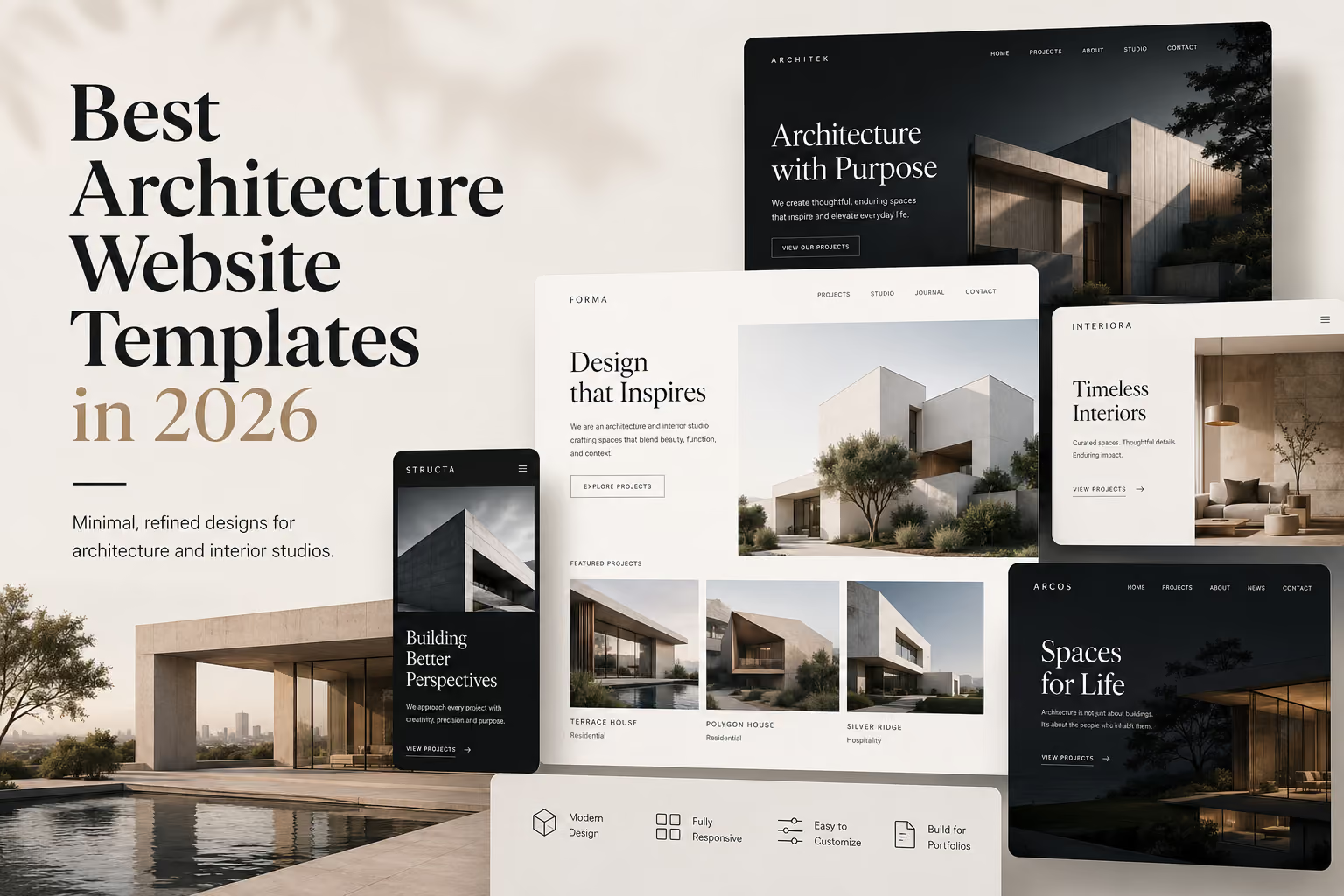
The best architecture website templates put projects first, support detailed case studies, work cleanly on mobile, and make it easy to maintain a growing portfolio. For firms that want deeper CMS structure and precise layout control, Webflow is especially strong; for studios that prioritize fast visual iteration and polished portfolio presentation, Framer is an excellent alternative. The strongest choice depends on how often the studio publishes projects and who will maintain the site.
This guide keeps one dominant Flowmance URL for the architecture-template intent and compares useful options from both ecosystems rather than treating a single marketplace as the only choice. Browse the broader Webflow template library or Framer templates if you already know which platform you want.
| Template | Platform | Best for | Notable strength |
|---|---|---|---|
| Noon Architecture | Webflow | Editorial studios | Large project imagery |
| Baltimore Architecture | Webflow | Minimal portfolios | CMS project presentation |
| Archi Architecture | Webflow | Service-led firms | Portfolio + business content |
| Archplus by Riffmax | Webflow | Content-rich practices | CMS, variables and reusable components |
| ArchitectureFolio by Noel Dario Andres | Framer | Editorial architecture studios | CMS projects + journal |
| Architectureo by fourtwelve | Framer | Architecture/interior firms | Full-bleed galleries + CMS |
| Nave by Joshua Guo | Framer | Boutique studios | Dual visual themes + CMS archive |
| Graphite Studio by Flowit Supply | Framer | Design-led studios | Editorial grid + custom interactions |
Noon Architecture is a strong choice for studios that want large project imagery, a modern editorial feel, and a portfolio-led experience. It works particularly well when photography and completed work should carry most of the visual weight.
Baltimore Architecture uses a restrained direction and includes CMS project-page structure. That makes it useful for firms that want a clean portfolio system rather than a dense corporate site. Webflow’s marketplace listing confirms responsive behavior and CMS structure for the template.
Archi Architecture combines project presentation with practical business content such as services and firm information. It is a better fit than a pure portfolio template when prospective clients need to understand capabilities before making contact.
Archplus is a useful external Webflow example because it goes beyond a simple brochure layout. Its marketplace listing includes Webflow CMS, reusable components, variables, project pages, journal/blog content and multiple home, about and work-page directions. That breadth suits practices that expect the site to grow over time.
ArchitectureFolio is designed for architecture studios, interior designers and independent architects. Its Framer Marketplace listing includes dynamic project detail pages, a studio profile, services, journal, CMS-powered articles, contact and 404 pages. It was published July 18, 2026, making it a current example of how Framer templates are approaching architecture portfolios.
Architectureo uses full-bleed galleries and structured service sections for architecture and interior-design work. The marketplace lists it as responsive, CMS-powered and updated August 25, 2026. It is a strong option for firms whose portfolio spans buildings, interiors, renovation and related design services.
Nave pairs an editorial presentation with a CMS-driven project archive and case-study pages. Its dual-theme system offers both dark editorial and light minimal directions, which is useful for studios that want a distinctive visual identity without rebuilding the content architecture.
Graphite Studio is a newer Framer option published August 5, 2026 and updated August 27, 2026. Its marketplace listing highlights a Swiss-influenced grid, editorial spacing, reusable visual controls and custom-coded signature interactions. It is best suited to studios that want the website itself to feel like a designed portfolio object.
Choose Webflow when the site needs a deeper, structured content system, multiple CMS-driven sections, precise responsive control, or a workflow already centered on Webflow. Choose Framer when the priority is rapid visual iteration, portfolio presentation and a design-led publishing workflow. Both platforms can support responsive architecture sites, so the deciding factor should be the studio’s content model and maintenance workflow rather than the homepage aesthetic alone.
For a broader platform comparison, see the Flowmance guides to Webflow vs Framer for SEO and Webflow CMS vs Framer CMS.
Architecture portfolios often need more than a gallery. Check whether each project can support location, year, typology, collaborators, narrative, drawings, photography and related work. A template with a strong project-detail system is usually more valuable than one with the most dramatic hero.
If the studio publishes new work regularly, inspect how projects and journal content are modeled. A clean CMS structure reduces maintenance work and makes future publishing more consistent.
Architecture sites rely on large media, but oversized images can make mobile experiences slow and awkward. Test cropping, gallery behavior, typography, navigation and loading behavior with the studio’s real project assets.
A boutique residential practice, large commercial firm and interior-design studio do not need the same site. Some should emphasize project storytelling; others need service pages, sectors, team credentials, awards, insights or recruiting content.
A custom website is worth considering when the firm needs an unusually specific digital experience, complex data, bespoke integrations or an art direction that cannot be reached efficiently from an existing system. A premium template is usually the faster and more economical starting point when the core requirements are portfolio presentation, services, studio information, CMS publishing and responsive design. The template should be treated as infrastructure: replace the demo typography, imagery, copy, colors and section hierarchy until the finished site clearly belongs to the practice.
Flowmance maintains architecture and design-focused options within its Webflow templates and Framer templates. For access across the wider library, see Flowmance All Access. Compare the project structure and platform workflow first, then choose the visual direction that best fits the studio.
At minimum, look for a project index, detailed project pages, studio/about content, services or capabilities, contact information, responsive navigation and a structure that can accommodate new work. A journal or insights CMS is valuable for firms that publish research, news or process content.
Neither is universally better. Webflow is often the stronger choice for more structured CMS and content-heavy sites, while Framer is attractive for fast, visually polished portfolio workflows. Choose based on the content and maintenance requirements of the studio.
Yes. The strongest customizations change typography, spacing, imagery, copy, project hierarchy, colors and motion rather than simply swapping the logo. A good template supplies the system; the studio supplies the identity.


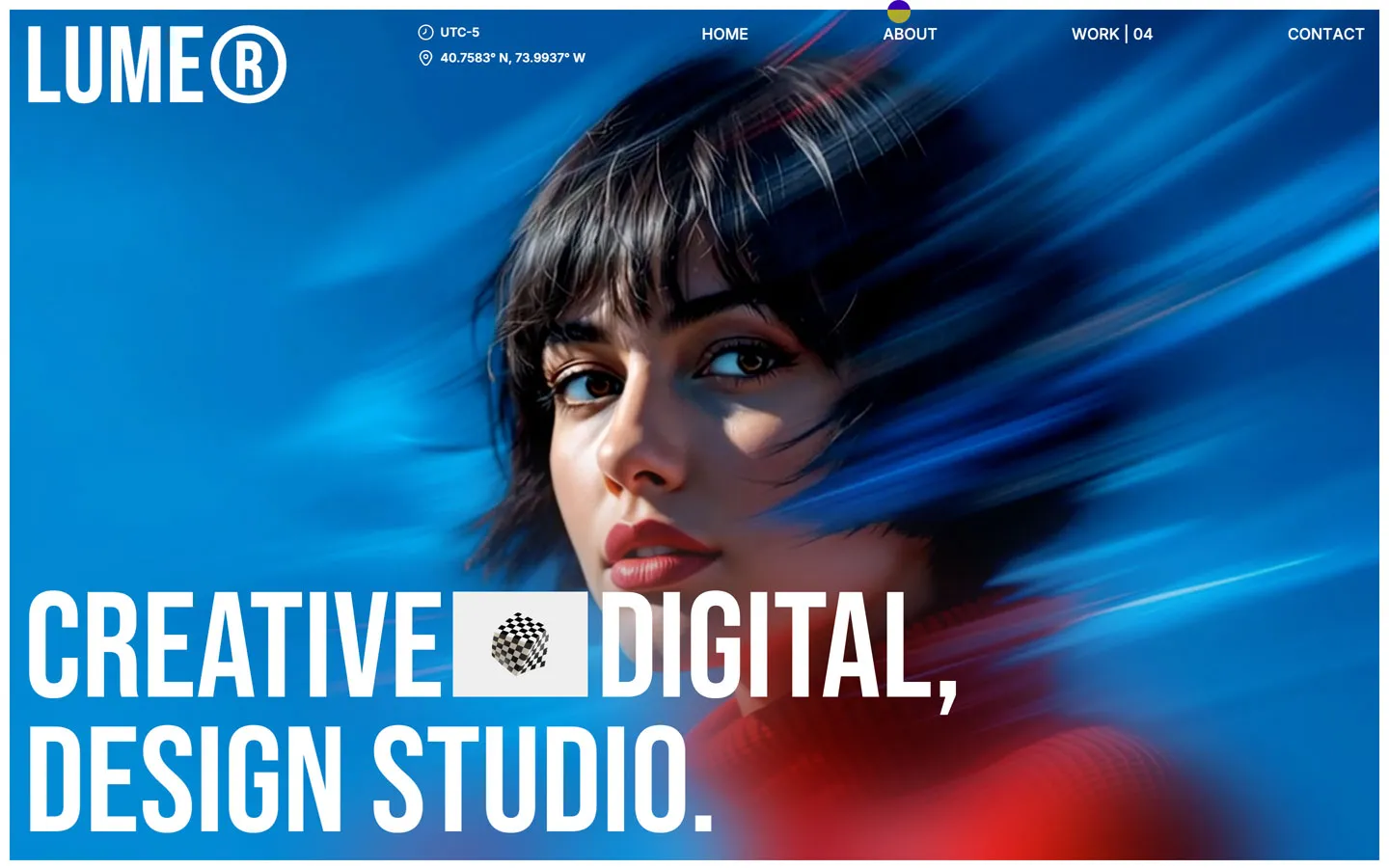
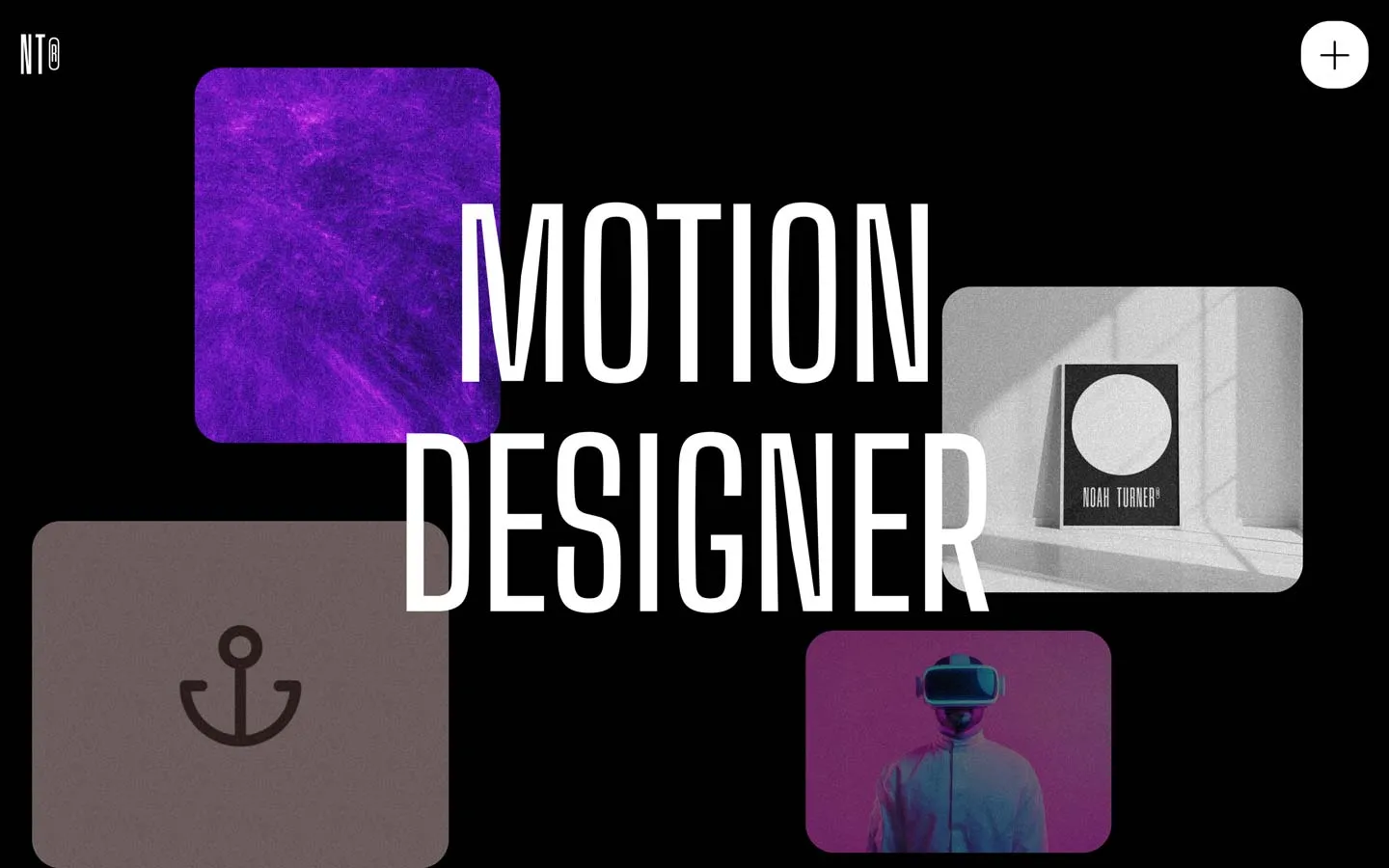
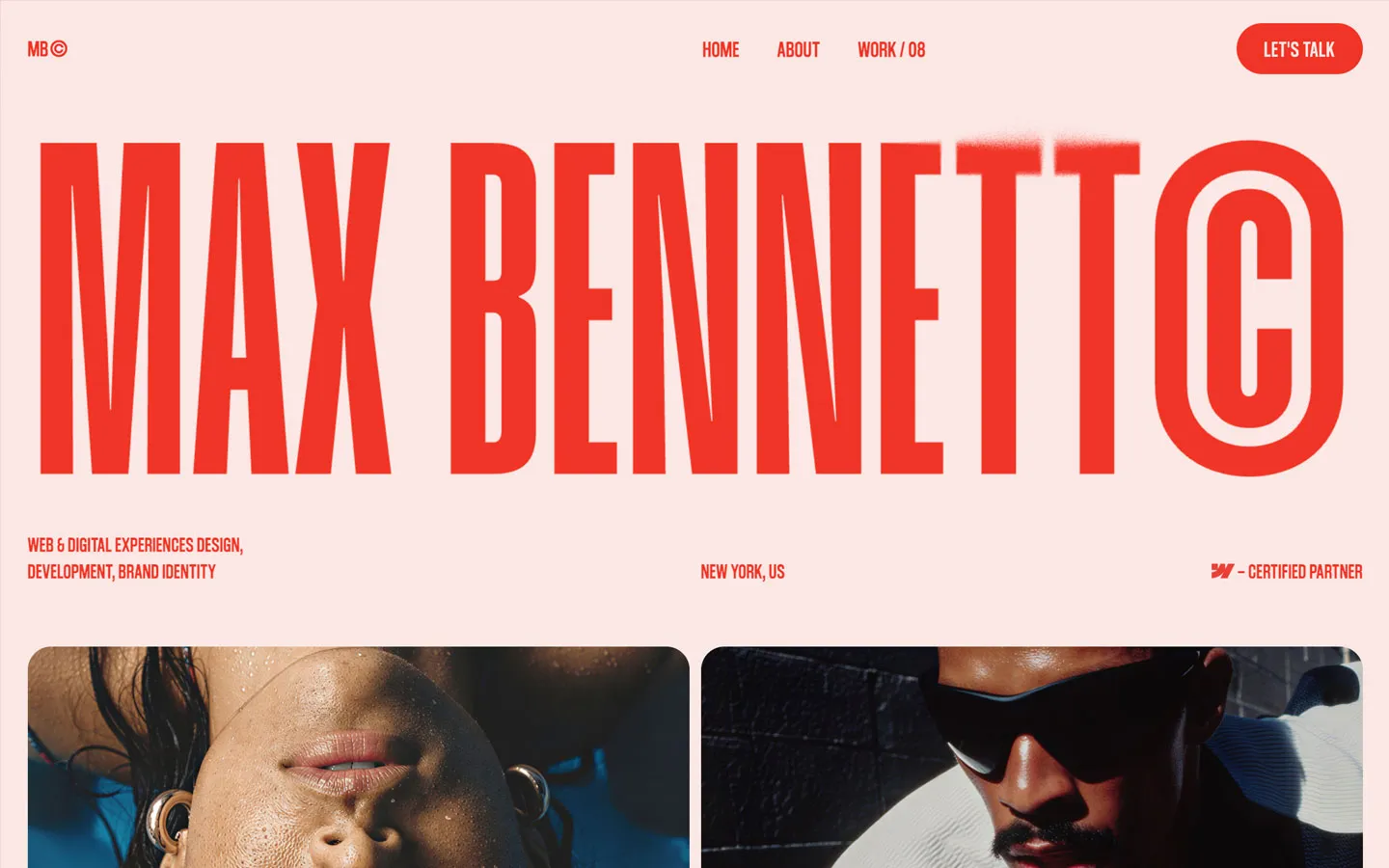





Don’t miss out on our superb, customizable templates designed to enhance your web design experience. We constantly add new templates and components.

Explore stunning Webflow, Framer, HTML5, Next.js and Figma templates designed to spark your next big idea.


*Rest assured that your data is safe with us, and you'll only hear from us 1 time per month.