Where should you buy website templates in 2026? Compare Webflow, Framer, HTML marketplaces and independent libraries by workflow, ownership, support and licensing.
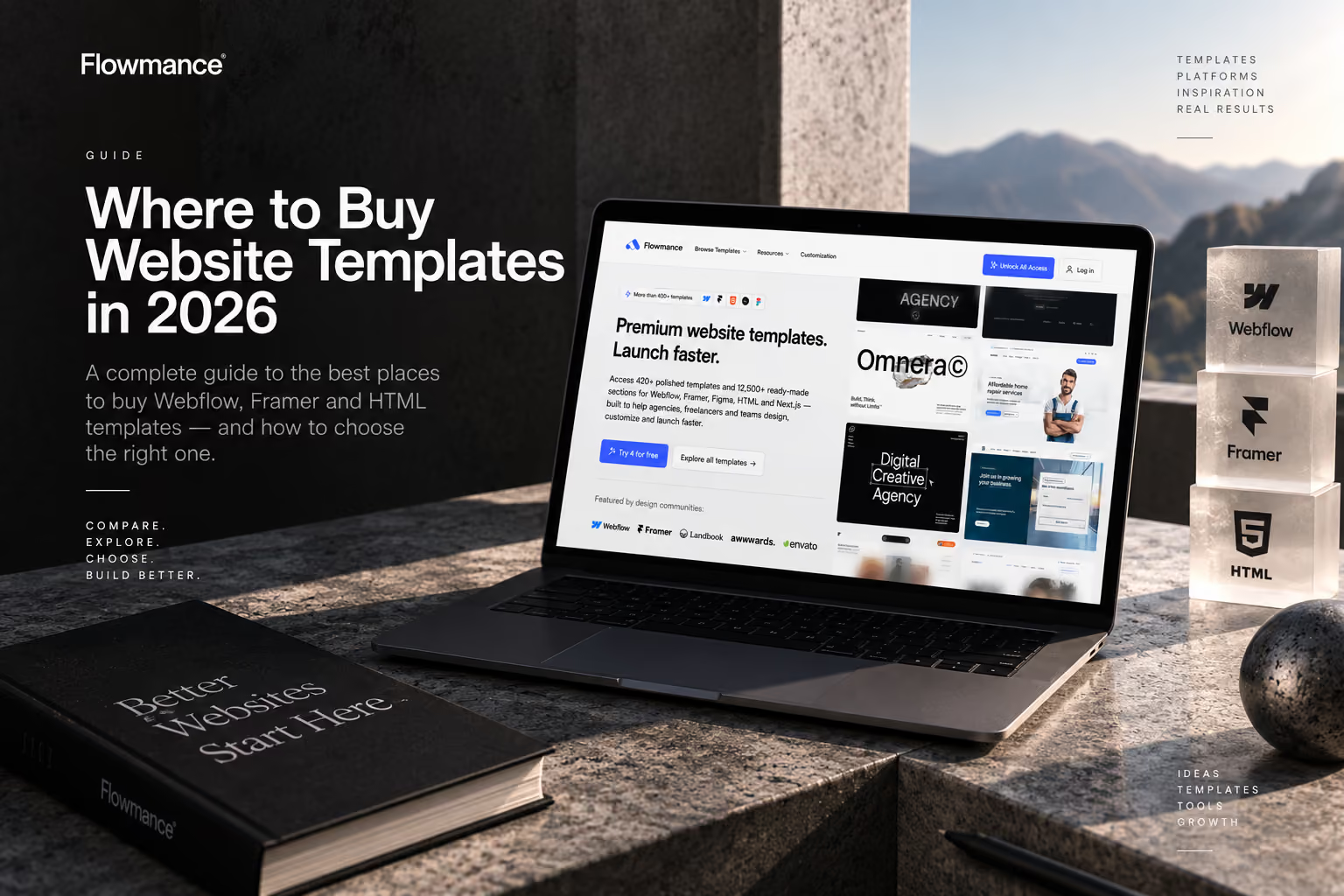
The best place to buy a website template depends first on where the finished site will live. For Webflow production, start with the Webflow Marketplace or a specialist Webflow library. For Framer, use the Framer Marketplace or a specialist Framer creator. If direct files and hosting freedom matter most, an HTML marketplace or independent HTML library is usually the better fit.
The important question is not which marketplace has the most designs. It is whether the template matches your publishing workflow, license, required pages, CMS structure and long-term maintenance needs.
| Source | Best for | Main advantage | Check before buying |
|---|---|---|---|
| Webflow Marketplace | Webflow sites | Native Webflow projects reviewed for the marketplace | Pages, CMS, interactions, license and support |
| Framer Marketplace | Framer sites | Fast visual publishing and creator ecosystem | Responsive behavior, CMS, components and license |
| HTML marketplaces | Code-first or self-hosted sites | Direct file access and hosting flexibility | Framework, dependencies and update history |
| Independent libraries | Agencies and repeat buyers | Bundles, subscriptions and cross-platform options | License, updates and included formats |
| Figma libraries | Design and handoff | Editable design source before implementation | Whether a matching production version exists |
Webflow describes Marketplace templates as community-built, Webflow-reviewed sites that jump-start the design process. Its marketplace includes free and paid responsive templates, with support available from template designers. That makes it the clearest first stop when Webflow is already your production platform.
Before buying, inspect more than the homepage. Check CMS Collections, case-study templates, navigation states, responsive layouts, reusable components and the actual page list. A strong hero is not enough if the internal structure does not match the content you need.
For another curated route, browse Flowmance's Webflow templates, organized around agencies, portfolios, SaaS, startups, consulting, architecture and other real project types.
Framer's creator ecosystem includes templates, plugins and components. Current Marketplace listings range from free templates to premium products, making it useful for both experimentation and production starting points.
Test breakpoints, navigation, motion, CMS collections, components and real content capacity before purchasing. Highly animated demos can look excellent with placeholder copy but become harder to use when real headings and case studies are longer.
Flowmance also maintains a growing Framer template library for teams that want designs that may also exist in Webflow, Figma or other formats.
HTML marketplaces remain one of the broadest sources of website templates. On September 12, 2026, ThemeForest's HTML search displayed 19,533 results spanning business, portfolio, ecommerce, SaaS, dashboard and niche products. That breadth also means buyers must inspect technical details carefully because templates can use very different stacks, dependencies and update histories.
HTML is strongest when you want direct access to files and freedom to choose hosting and development workflow. Check whether a product uses plain HTML/CSS/JavaScript, Bootstrap, Tailwind, a JavaScript framework, build tools or third-party plugins before purchase.
Flowmance's HTML templates provide another option, especially when the same design is available in visual-builder formats.
Independent libraries can make more sense than buying one marketplace item at a time when you build websites repeatedly. Their advantage is often access to a wider pool of starting points and, in some cases, multiple formats of the same design.
Do not assume a subscription means unlimited client usage. Read the license and check whether downloads remain usable after the subscription ends, whether client work is permitted, whether templates can be reused and whether source files are included.
Flowmance's All Access library is built around repeat-use workflows across a large template collection.
A Figma website template is a design source rather than a publishable website. It is useful when teams want to refine layouts, components, typography and visual systems before implementation.
The trade-off is that the file still needs to be built unless a matching production version exists. Browse Figma website templates when design-first handoff is the primary workflow.
A great Framer template is not automatically useful to a Webflow team, and a sophisticated HTML template may be wrong for a marketer who expects visual editing. Decide how the site will be built, hosted and maintained before comparing aesthetics.
Look for services, projects, case studies, pricing, team, blog, contact and legal pages as needed. For CMS-driven sites, inspect the collection structure rather than assuming the template supports your content model.
Open the demo on desktop and mobile. Pay attention to navigation, long headings, cards, galleries and interactive sections after realistic content replaces demo copy.
Licensing varies by marketplace and seller. Check site limits, client-work rights and redistribution restrictions. See Flowmance's website template licensing guide for a deeper comparison.
A template is both a design asset and an implementation. Recent updates, clear documentation and reachable support can matter more than a slightly more impressive demo.
Neither model is universally better. Official marketplaces are strong when you want a native template for one platform and direct creator support. Independent libraries become more compelling when you need many designs, repeat project usage, cross-platform options or a consistent agency workflow.
Use an established marketplace or creator, verify the live demo, read the license, inspect the page list, confirm the production platform and check the support policy. Avoid buying based only on a screenshot or hero section.
Buy the template where your workflow is strongest. Choose Webflow sources for Webflow production, Framer sources for Framer production, HTML sources when direct files and hosting flexibility matter, and Figma when design approval and handoff come first. For teams working across several formats, a multi-platform library can be more efficient than repeatedly sourcing isolated templates.
Sources checked September 12, 2026: Webflow Marketplace documentation, Webflow Marketplace, Framer creator information, and ThemeForest HTML listings.


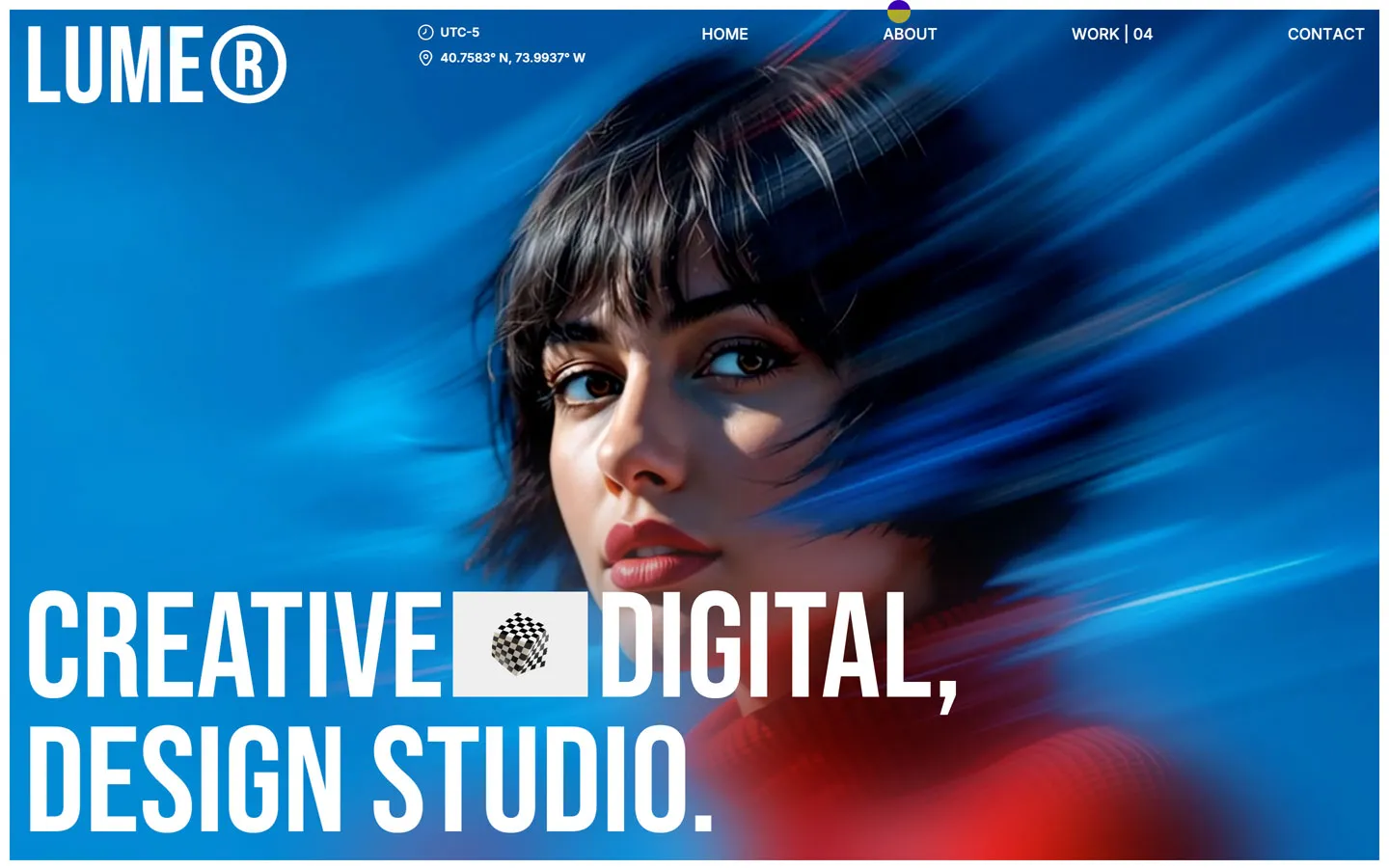
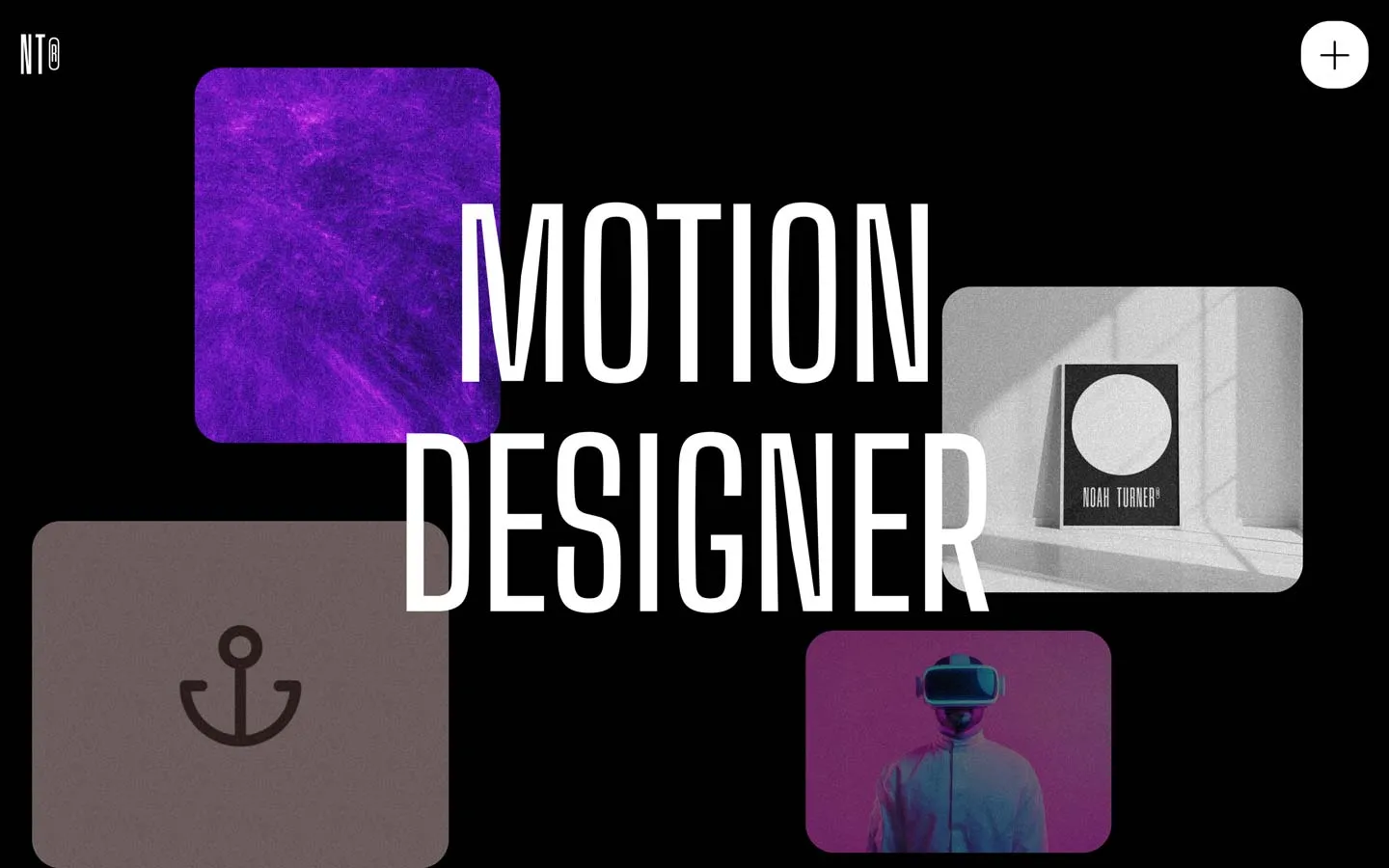
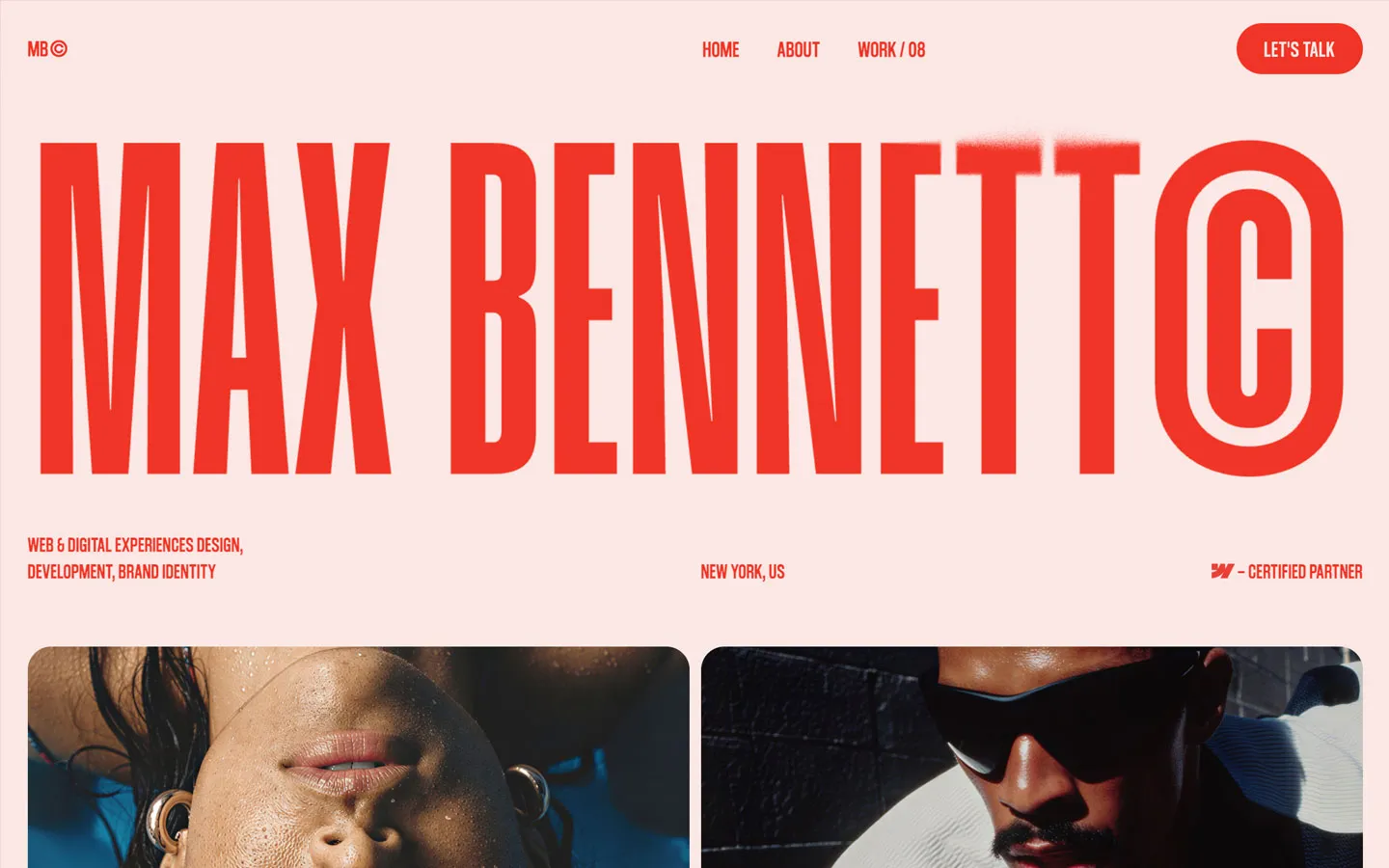




Don’t miss out on our superb, customizable templates designed to enhance your web design experience. We constantly add new templates and components.

Explore stunning Webflow, Framer, HTML5, Next.js and Figma templates designed to spark your next big idea.


*Rest assured that your data is safe with us, and you'll only hear from us 1 time per month.