A template can save time under a tight deadline if you control scope, choose a close structural match, replace real content early, and limit unnecessary customization.
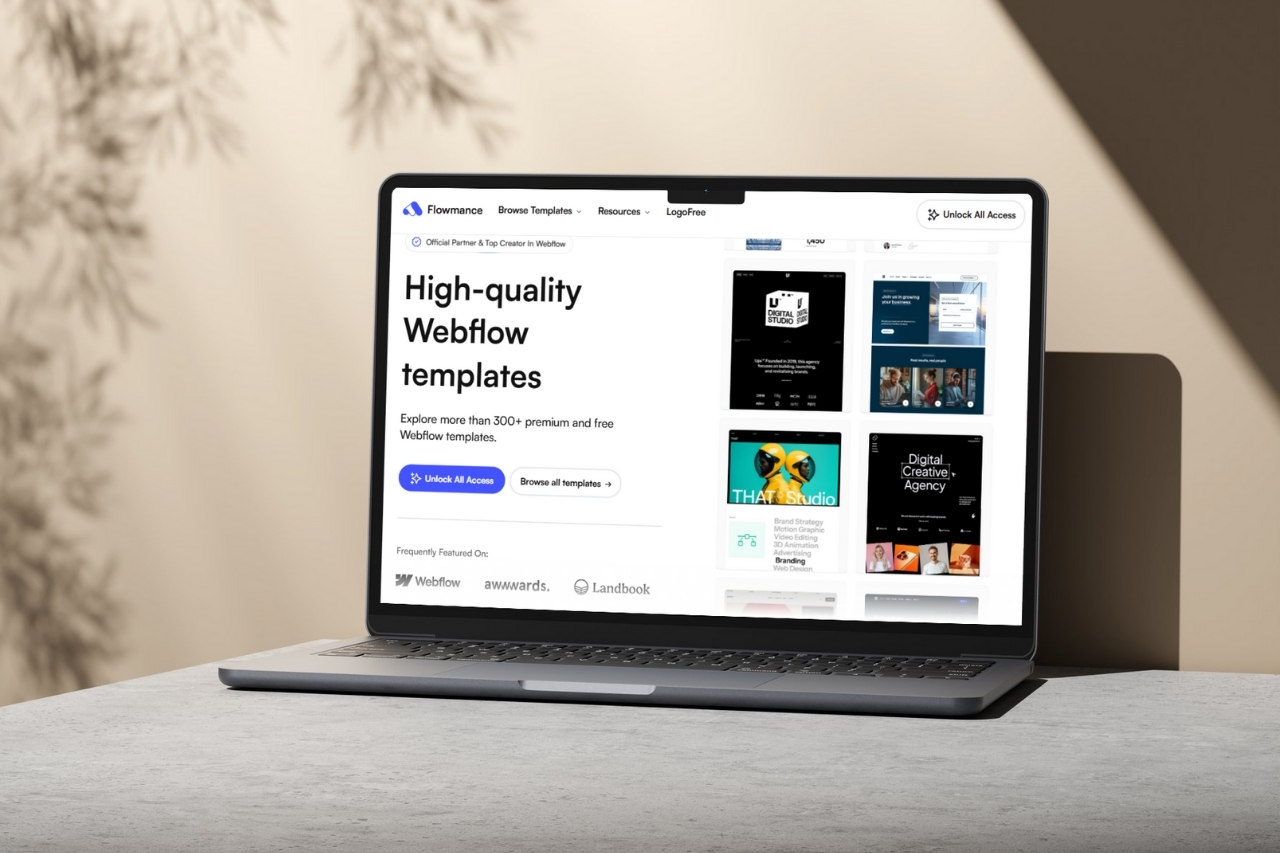
A website template is most useful under a tight deadline when it reduces structural work without creating a new customization problem. The fastest project is not the one with the most features; it is the one with the fewest unnecessary decisions.
Compare the required pages, CMS, forms, and conversion paths with the template before choosing. A visually impressive homepage is not useful if half the project must be rebuilt.
Separate launch-critical pages from nice-to-have pages. Publish the smallest complete version that supports the business goal, then schedule secondary content for a later phase.
Do not wait until the end to add actual headlines, navigation labels, images, and service descriptions. Real content reveals layout problems early, while there is still time to fix them.
Update typography, colors, buttons, spacing, and recurring components first. Shared changes create a new brand direction much faster than styling every page independently.
Keep useful existing interactions, but postpone complex custom animation until structure, content, forms, CMS, and responsive behavior are complete.
A template saves time when the team protects the deadline from unnecessary redesign. Choose a close structural fit, customize the shared system, and ship the essential experience first.




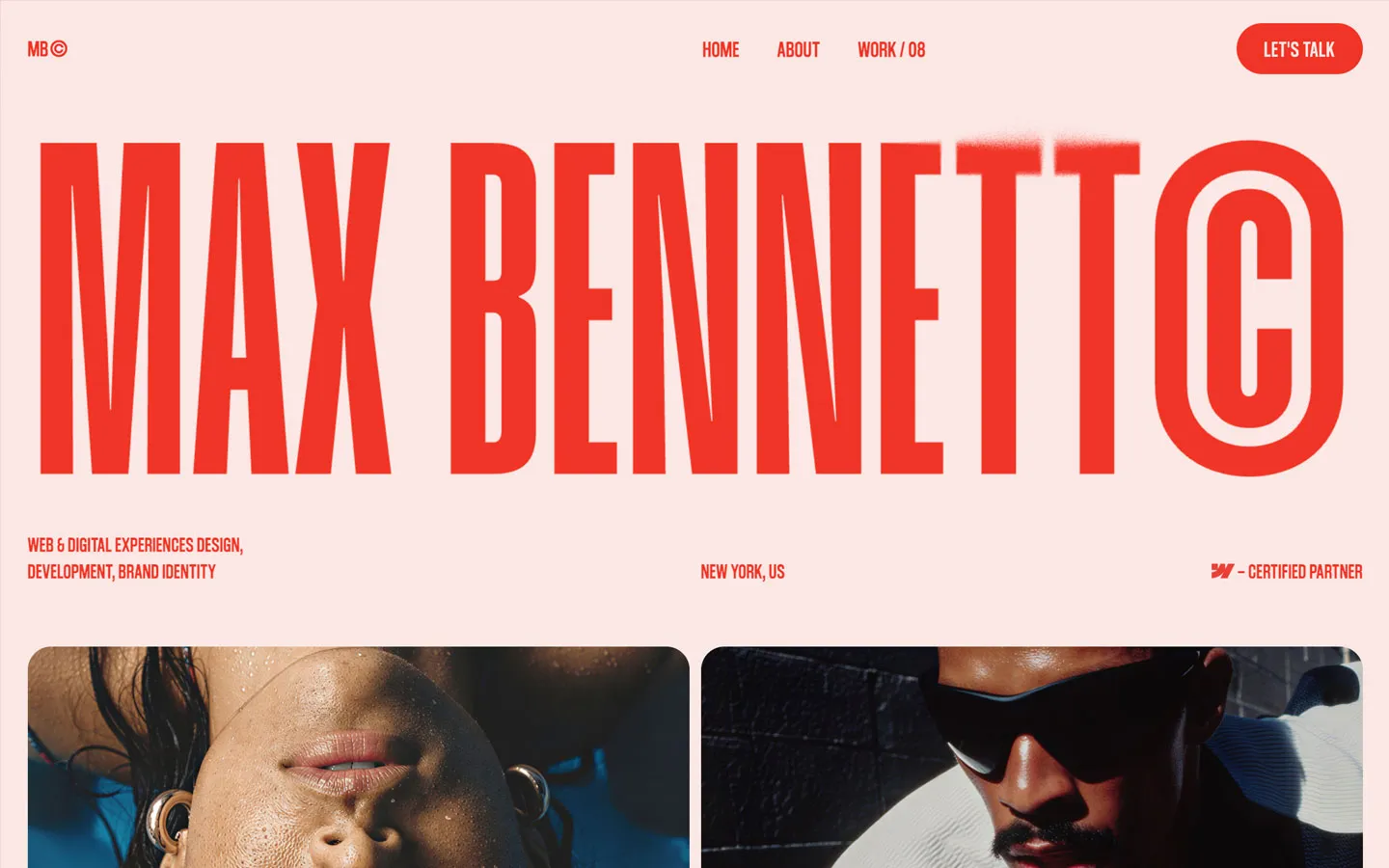


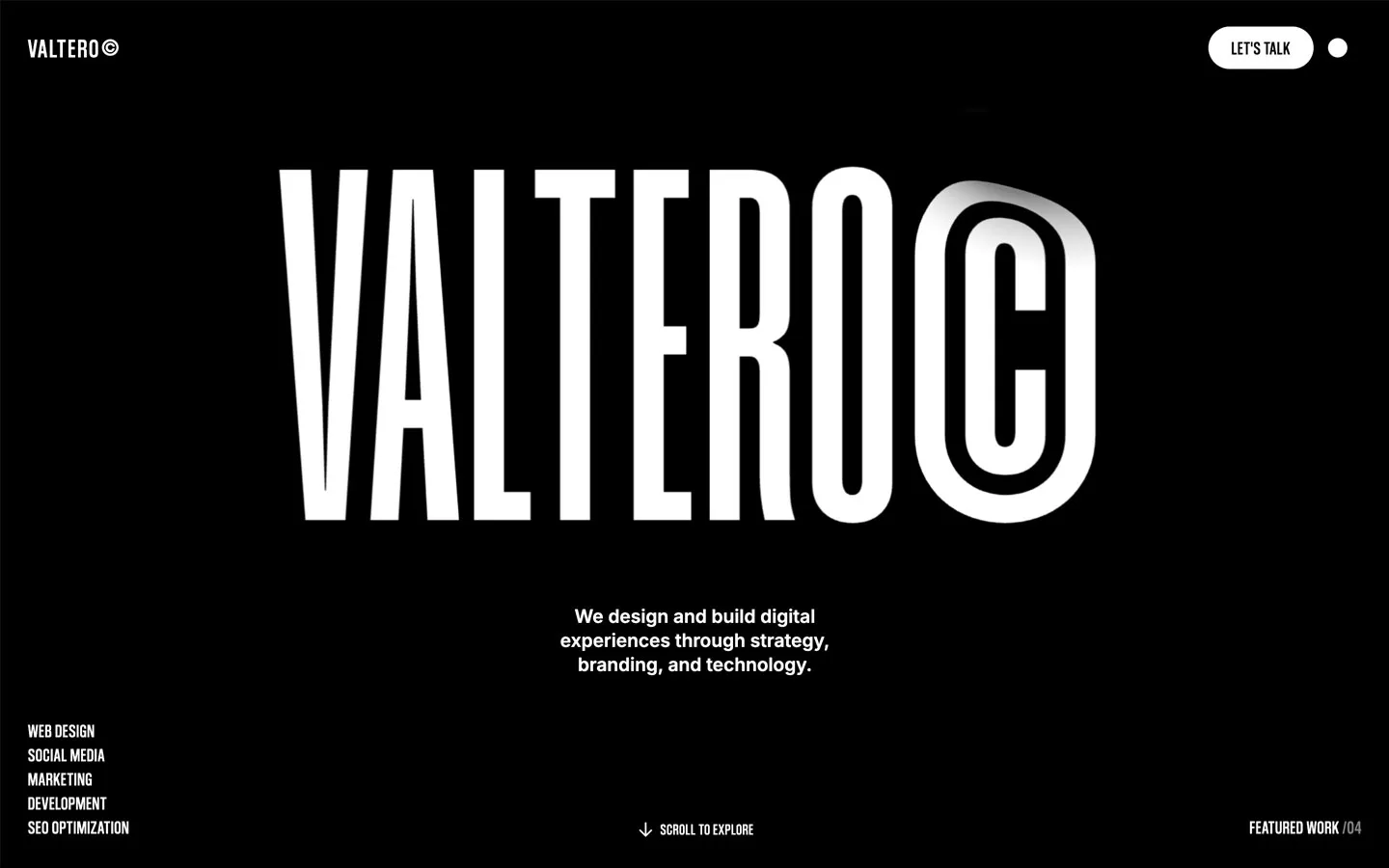
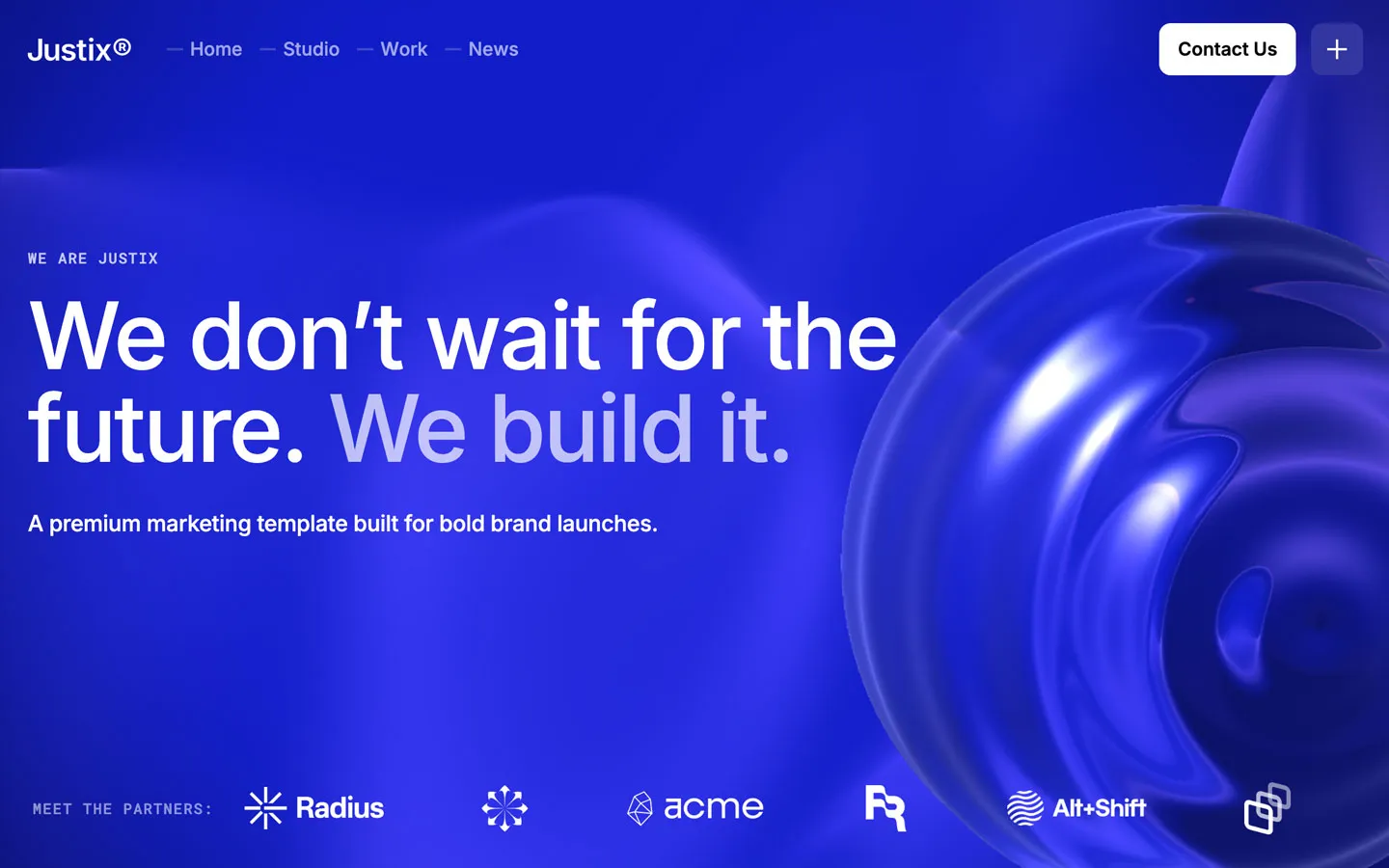


Don’t miss out on our superb, customizable templates designed to enhance your web design experience. We constantly add new templates and components.

Explore stunning Webflow, Framer, HTML5, Next.js and Figma templates designed to spark your next big idea.


*Rest assured that your data is safe with us, and you'll only hear from us 1 time per month.