Evaluate template support by documentation, setup help, bug fixes, platform compatibility, response clarity, scope boundaries, and update practices—not vague promises of unlimited help.
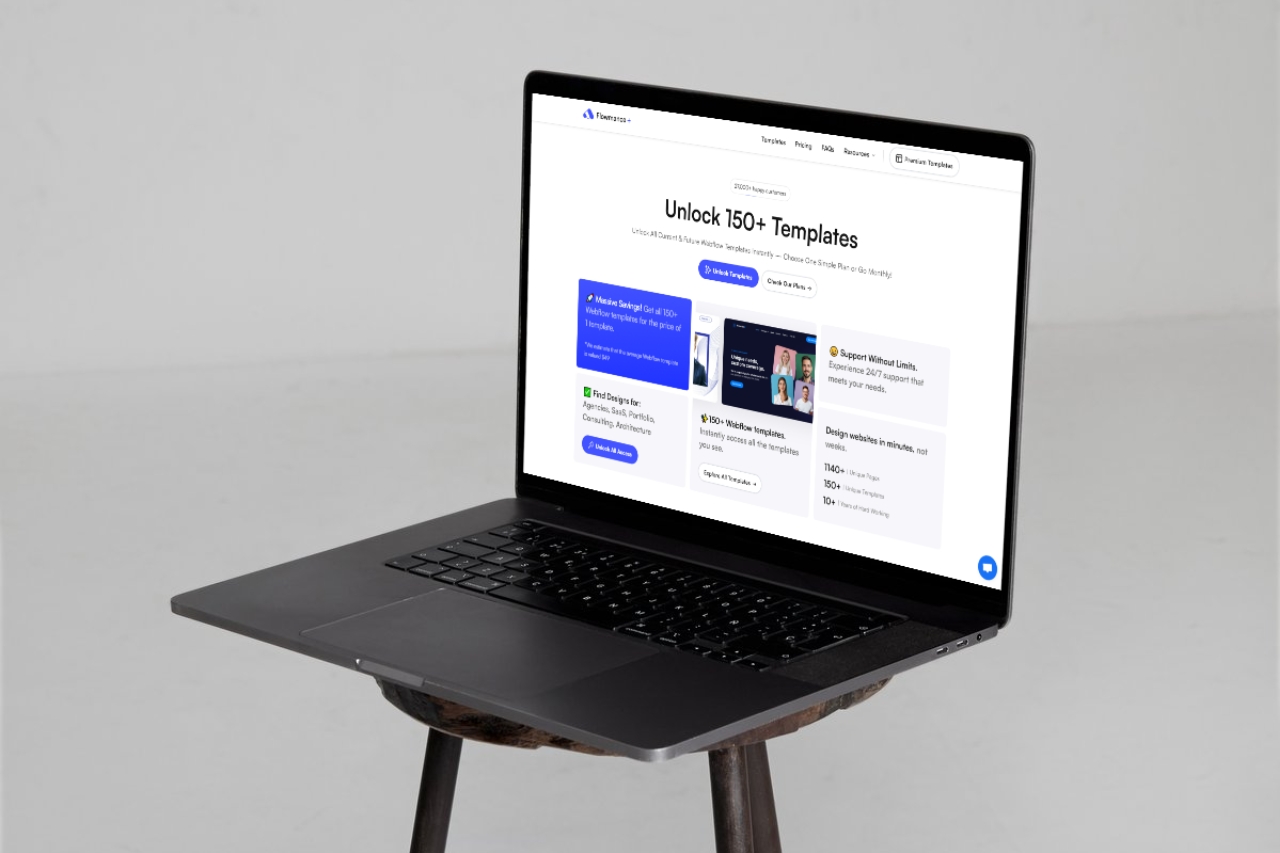
Good template support should help customers use the product as documented and resolve genuine template issues. It should not rely on vague promises that blur the line between product support, customization, and full client services.
Basic installation, included files, fonts, CMS structure, interactions, forms, and required third-party dependencies should be explained well enough that a competent user can get started without opening a ticket.
If a component, breakpoint, interaction, or included file does not behave as shown, support should be able to reproduce the issue and provide a fix or workaround.
Website builders evolve. Maintained template libraries should clarify when a platform update affects an existing template and whether an update is required.
Changing the template into a custom client website can involve strategy, design, development, integrations, copy, and CMS restructuring. Product support should state clearly which requests are included and which require custom work.
Response speed matters, but clarity matters more. A useful support reply should identify the cause, provide the next action, and avoid sending the customer through repeated generic troubleshooting.
If a fix changes an important file or template behavior, customers should be able to understand what changed and whether their customized project is affected.
Documentation and searchable FAQs reduce wait time for repeated issues such as fonts, forms, CMS editing, license questions, downloads, and platform-specific setup.
The best template support makes the product easier to use and the support scope easier to understand. Before buying a library, review both the template quality and what happens when something genuinely goes wrong.
For current Flowmance access and support details, use the live pricing page rather than old promotional claims.




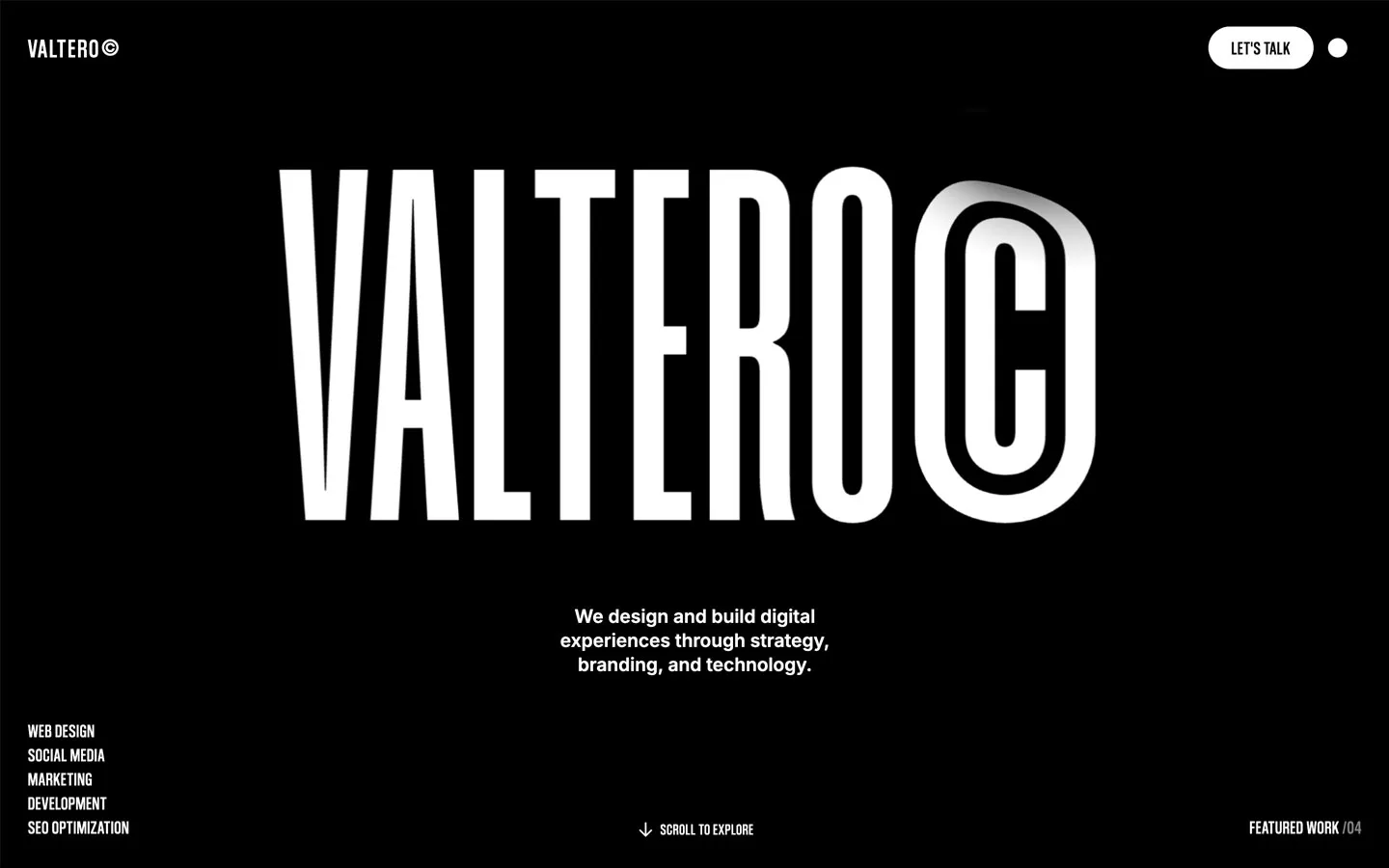
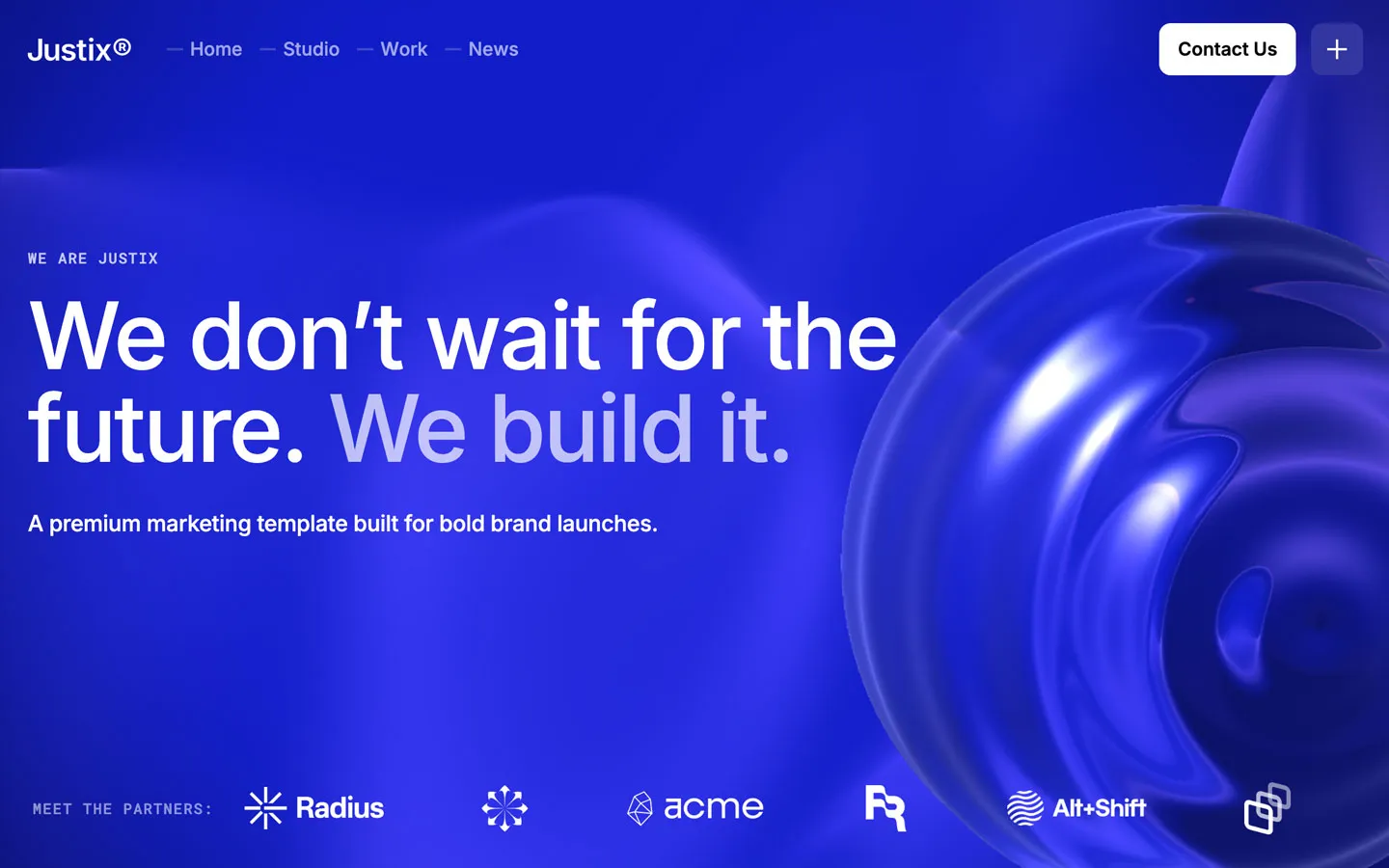


Don’t miss out on our superb, customizable templates designed to enhance your web design experience. We constantly add new templates and components.

Explore stunning Webflow, Framer, HTML5, Next.js and Figma templates designed to spark your next big idea.


*Rest assured that your data is safe with us, and you'll only hear from us 1 time per month.