An all-access template library creates value when an agency builds repeatable website types and can customize strong foundations faster than starting every project from zero.
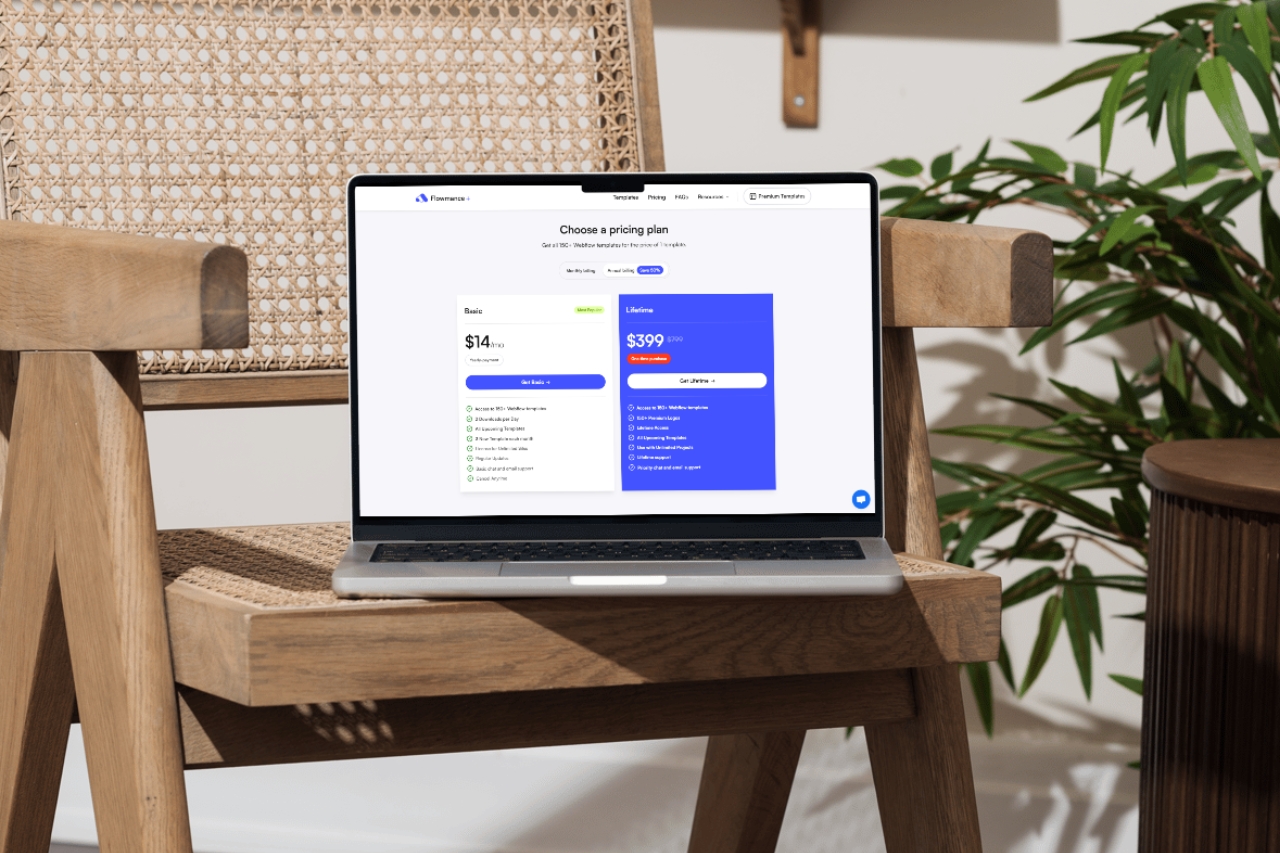
An all-access template library makes sense when an agency repeatedly builds similar classes of websites and has the skill to customize a foundation into distinct client work. It is less useful when every project requires a completely bespoke system.
A large library only helps if the team can quickly find strong starting points for the work it actually sells: agencies, SaaS, portfolios, consulting, architecture, startups, or other recurring categories.
Navigation, CMS structures, responsive grids, contact pages, utility layouts, and common content patterns often need to exist regardless of the brand. Reusing a well-built foundation can redirect time toward positioning, content, imagery, and interactions that make the client site distinctive.
Before starting a project, shortlist templates based on page needs, CMS structure, responsive behavior, and content fit—not just the homepage aesthetic.
Use a keep/adapt/replace pass to identify what is genuinely reusable.
Change typography, colors, image direction, section hierarchy, copy, CMS fields, and motion so the finished site reflects the client. A template should save production time without becoming the client's visual identity by default.
Check project limits, client use, source redistribution, and ongoing access before treating a library as an internal production resource. For Flowmance-specific rules, read the License Agreement.
An all-access library works best as agency infrastructure: a set of starting systems, not a catalog of finished client identities.
Explore the current Flowmance All Access library when that model fits the workflow.


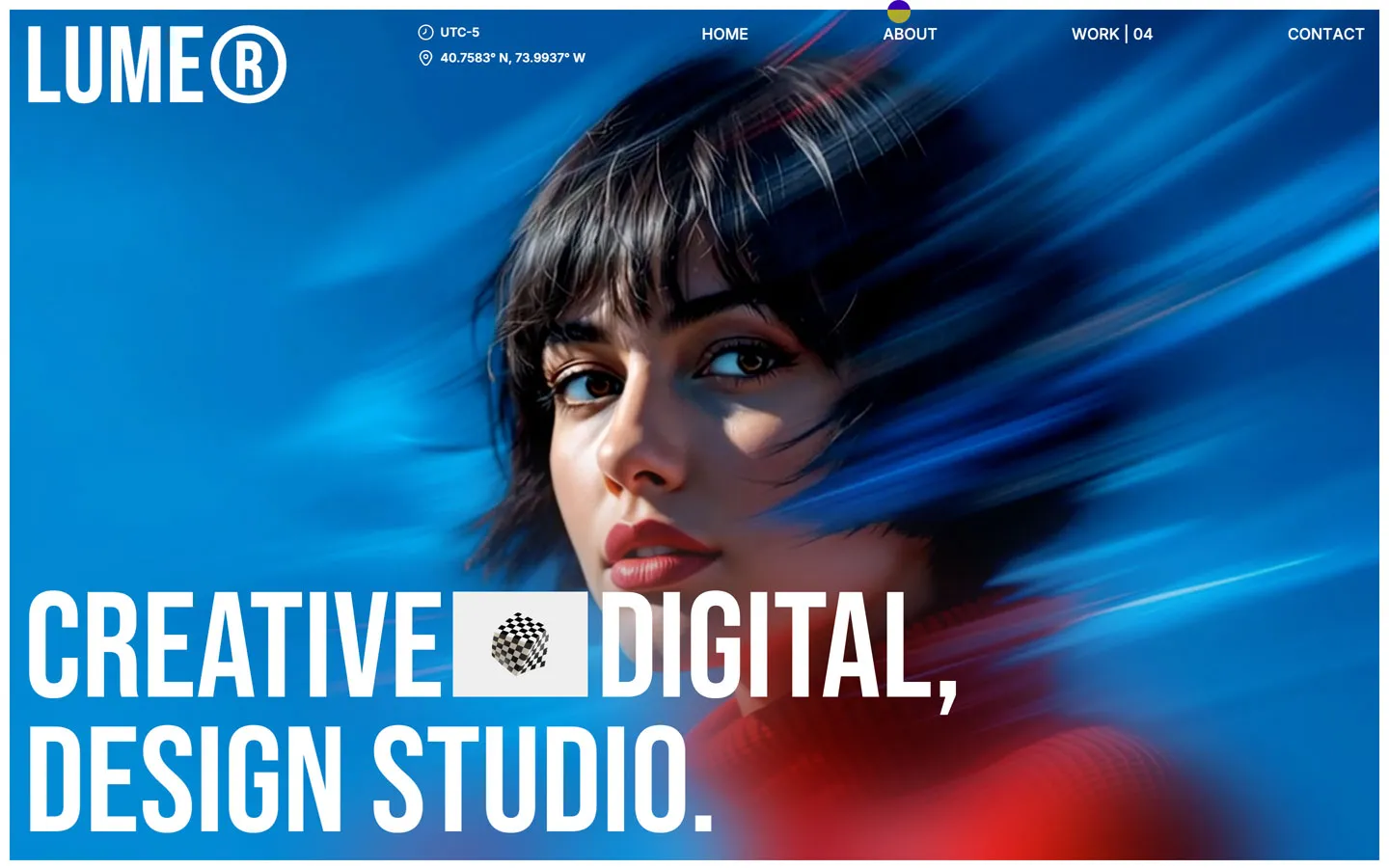
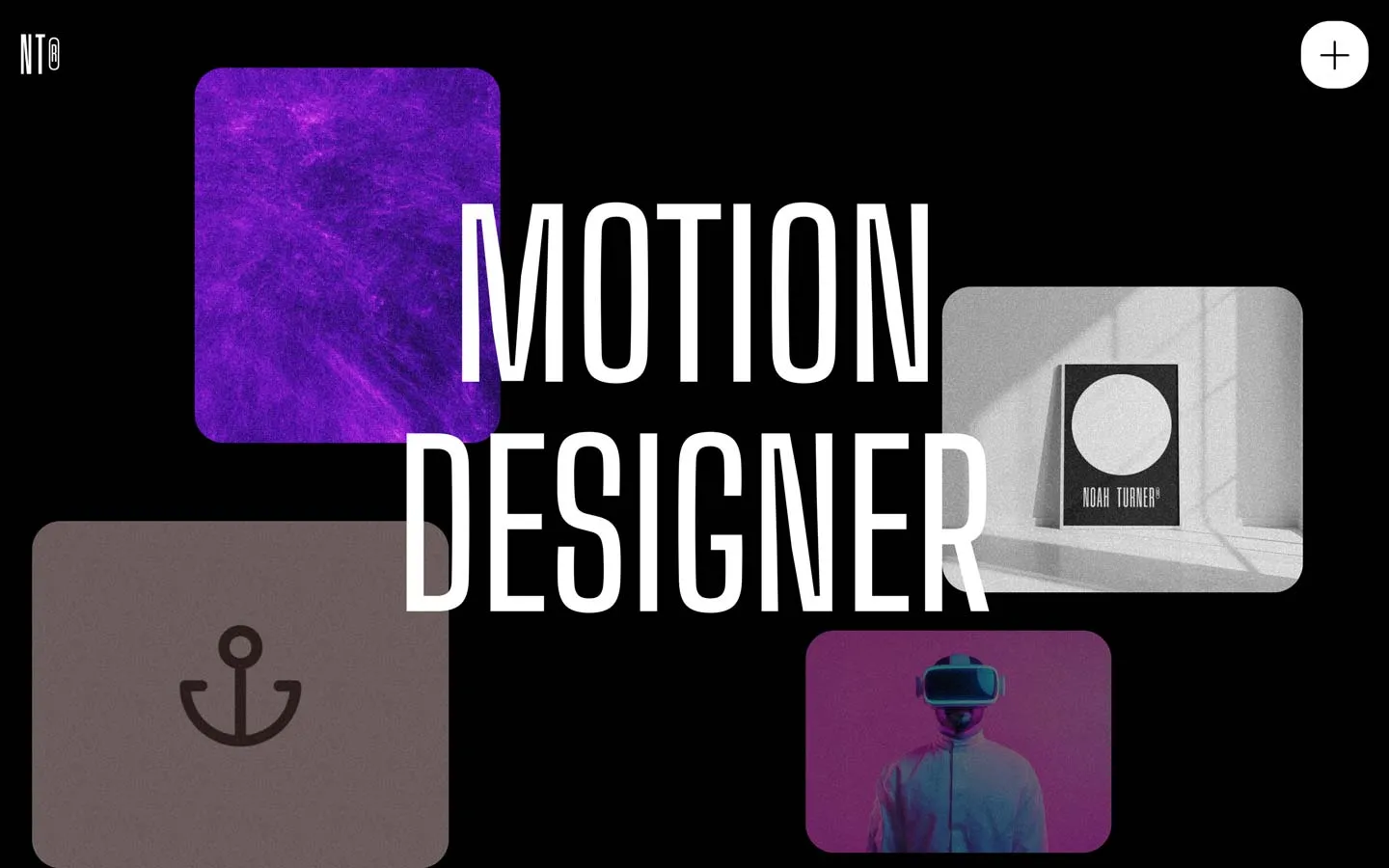
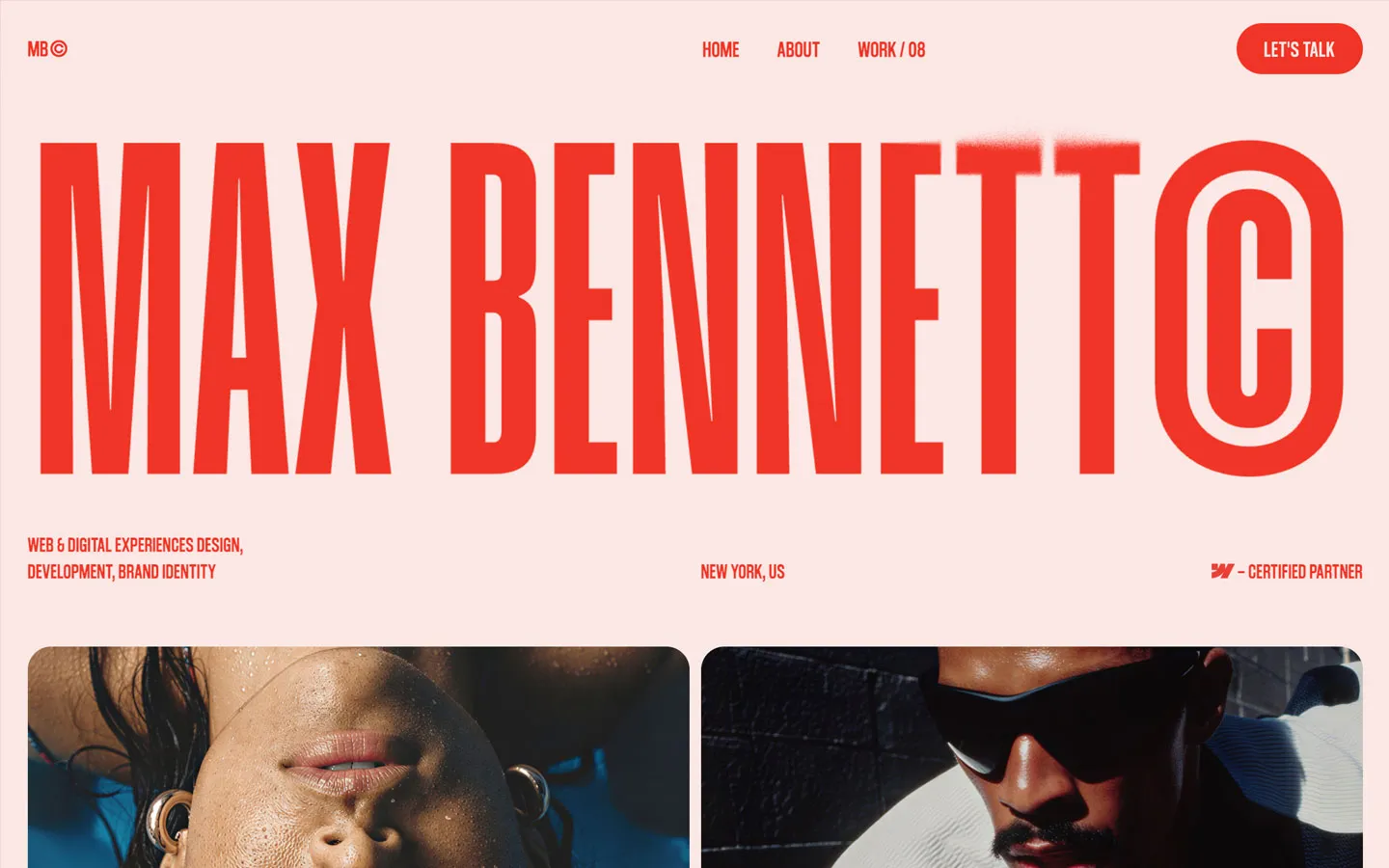


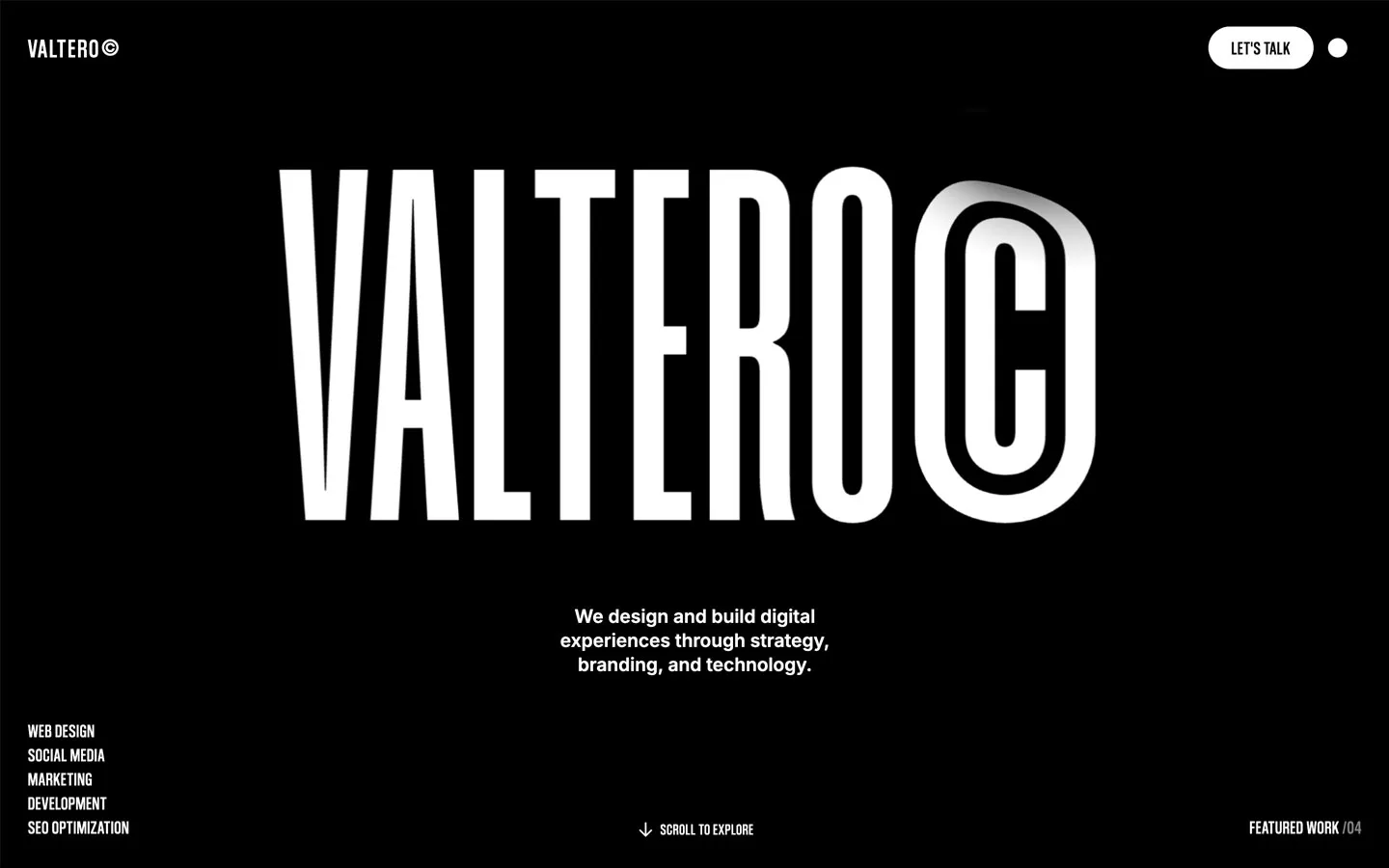
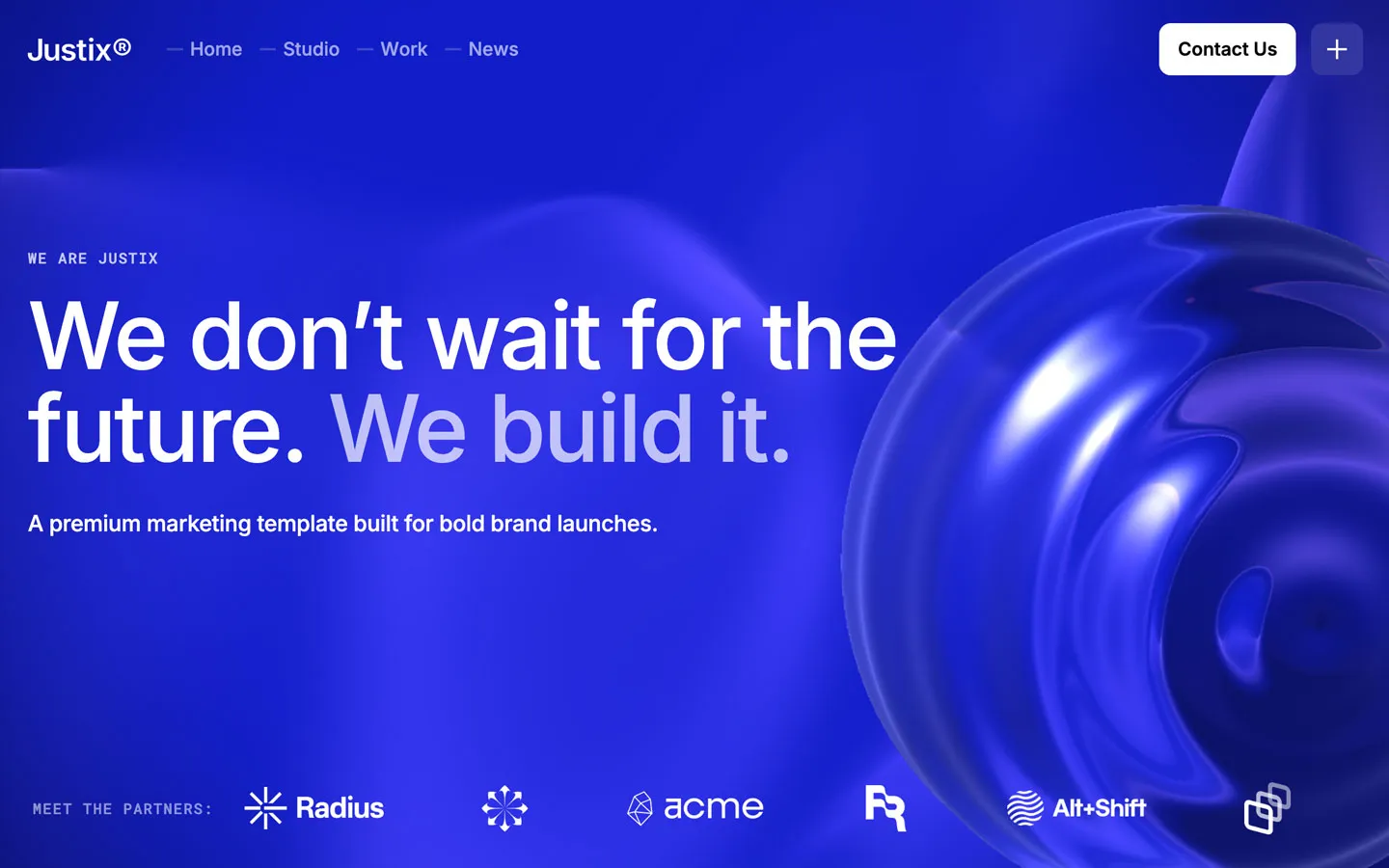


Don’t miss out on our superb, customizable templates designed to enhance your web design experience. We constantly add new templates and components.

Explore stunning Webflow, Framer, HTML5, Next.js and Figma templates designed to spark your next big idea.


*Rest assured that your data is safe with us, and you'll only hear from us 1 time per month.