Choose a template by content model, buyer journey, trust signals, conversion path, CMS, integrations, and maintainability—not simply by industry label or demo imagery.
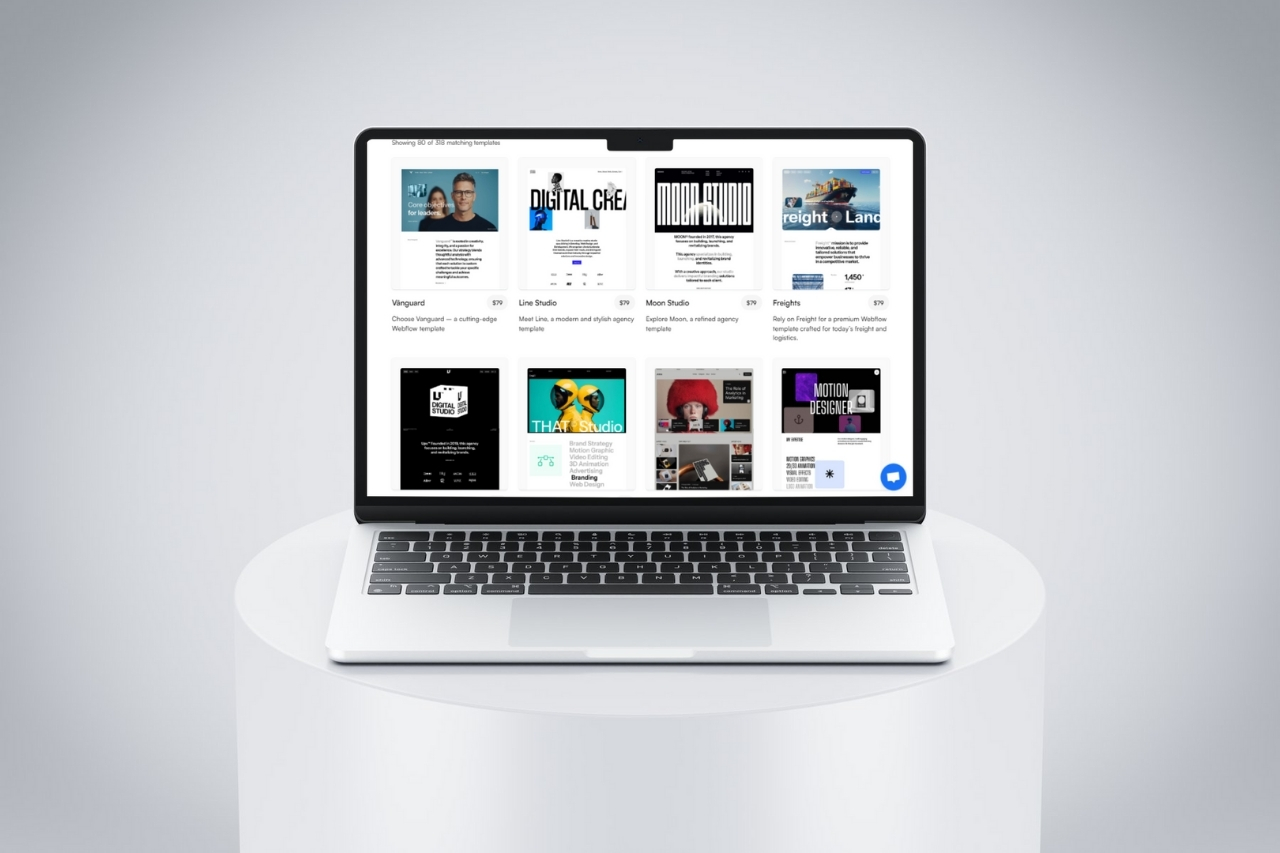
The right industry template is the one whose structure matches how customers evaluate and buy—not the one whose demo uses the right stock photos. Industry labels are useful filters, but the deeper fit comes from content and workflow.
What information does a visitor need before contacting, booking, buying, or signing up? A consulting firm needs expertise and proof. A SaaS company needs product explanation and conversion paths. A clinic needs services, practitioners, locations, and booking. An architecture studio needs project storytelling and credentials.
Projects, services, products, practitioners, locations, articles, jobs, events, or case studies may need structured CMS Collections. Choose a template whose content model is close to the production need.
Different sectors establish trust differently. That may include case studies, credentials, testimonials, certifications, clients, project metrics, press, or security information. Only use proof you can substantiate.
Decide whether the primary action is contact, book, buy, request a quote, start free, download, or visit a location. The template should support that action naturally across important pages.
Scheduling, CRM, ecommerce, search, maps, membership, analytics, localization, or forms can affect the right platform and template more than visual style.
Replace sample headlines, navigation, images, and card content before committing. If the layout breaks with realistic copy or image ratios, the template may require more adaptation than expected.
The final client or team should be able to add common content without redesigning pages. Check CMS fields, components, and editing workflow as part of the template decision.
Use the industry category to narrow the search, then choose based on the actual operating model of the business.


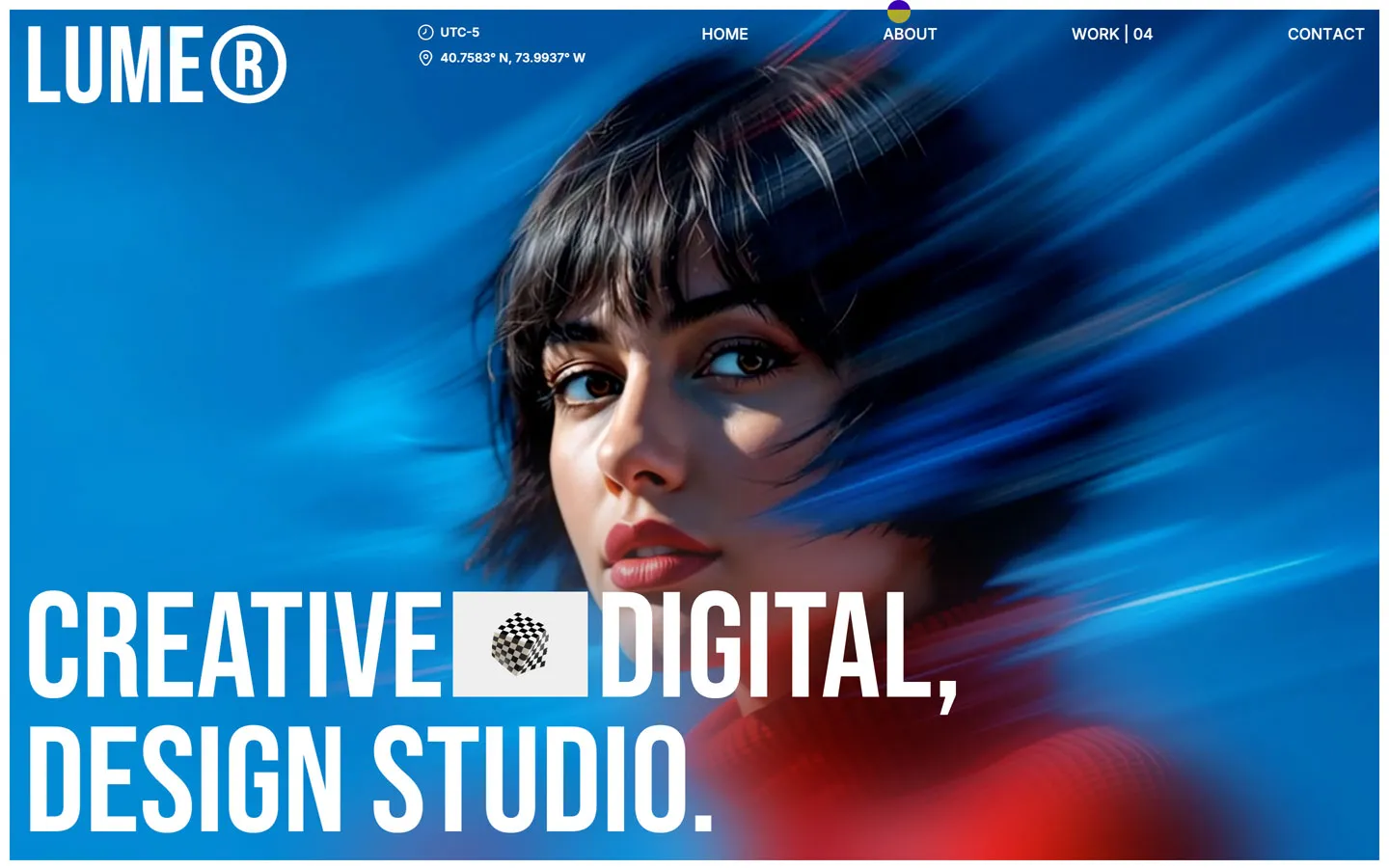
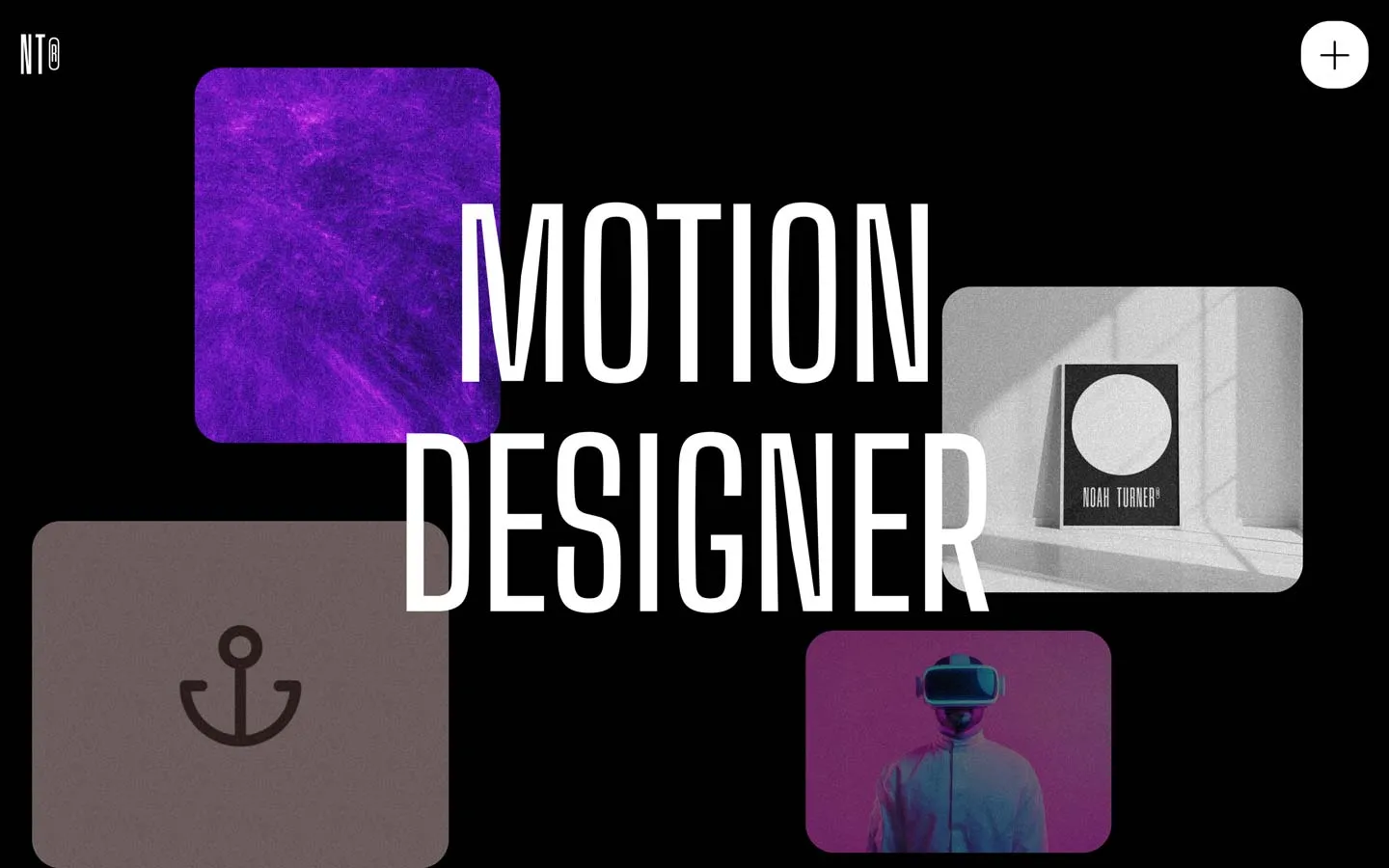
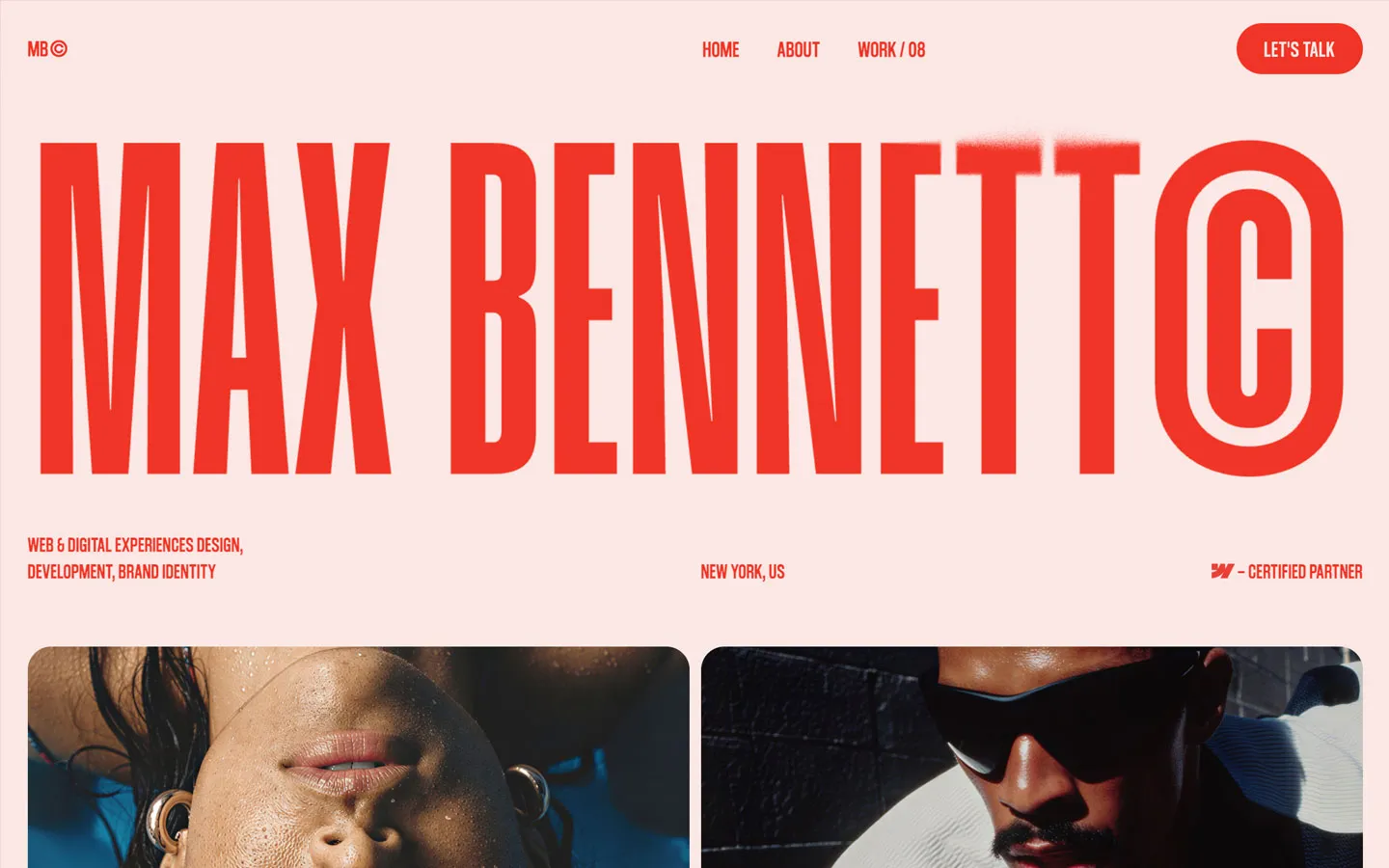


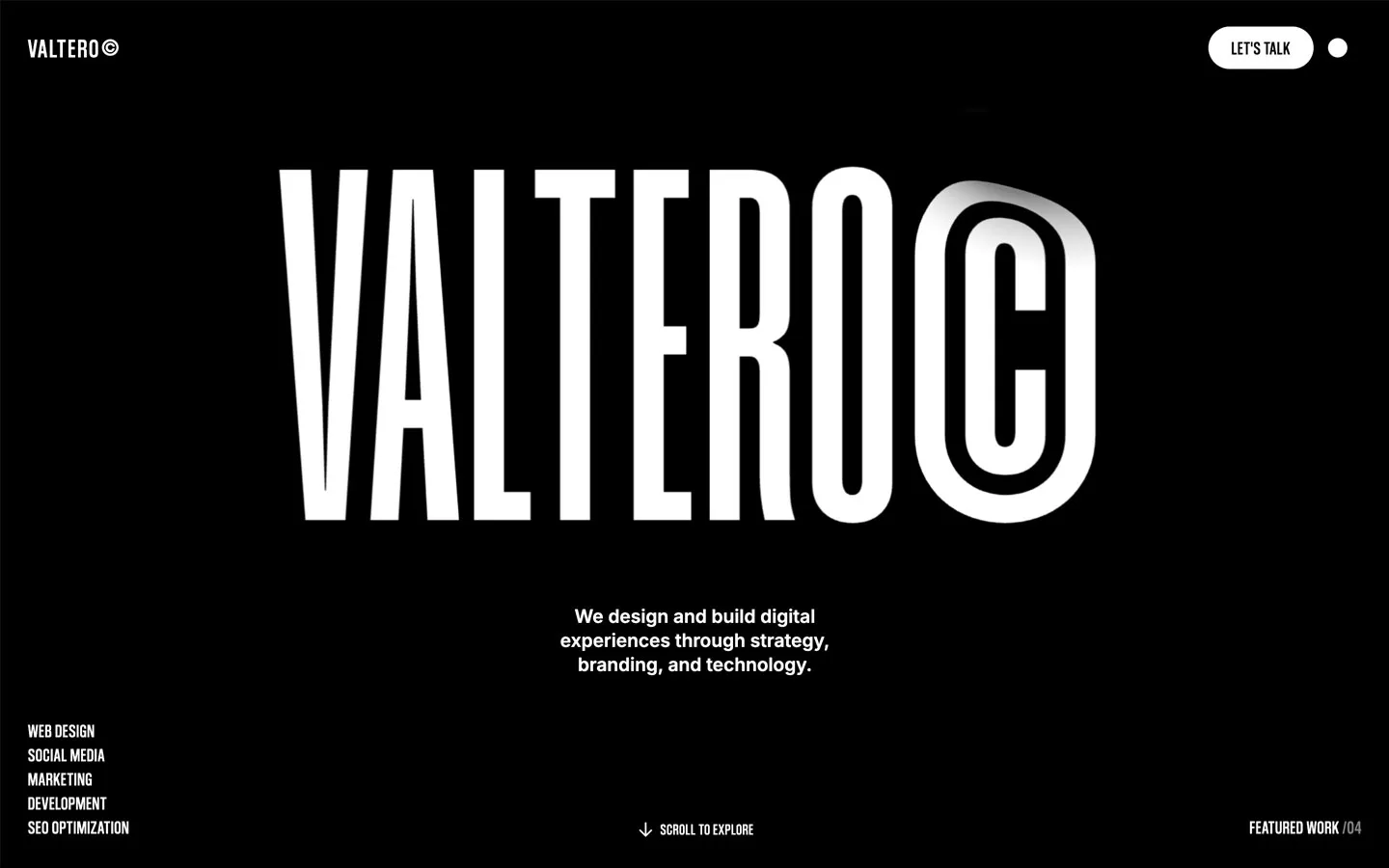
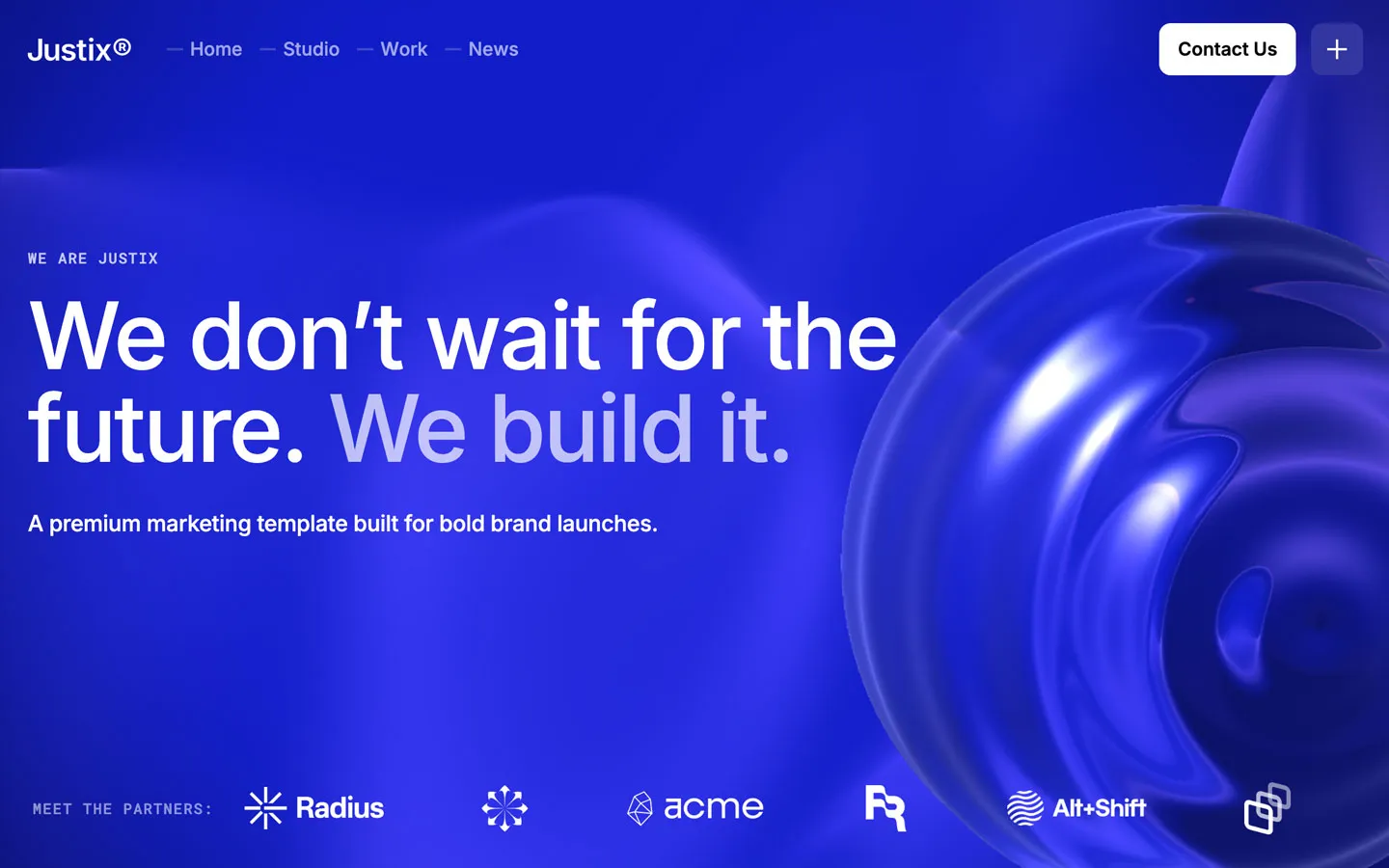


Don’t miss out on our superb, customizable templates designed to enhance your web design experience. We constantly add new templates and components.

Explore stunning Webflow, Framer, HTML5, Next.js and Figma templates designed to spark your next big idea.


*Rest assured that your data is safe with us, and you'll only hear from us 1 time per month.