Choose a portfolio template by project-page quality, CMS structure, image handling, typography, mobile behavior, performance, customization, and contact flow.

A portfolio template should make the work easier to understand, not compete with it. The homepage matters, but the real test is what happens when someone opens a project, reads the context, views several images, and decides whether to contact you.
Before buying a portfolio template, check these eight things.
Do not start with the homepage. Open an individual case study or project page and see how much room it gives you to explain the work.
A useful project template should handle more than a hero image. Look for space for the brief, role, process, credits, outcomes, image galleries, video, captions, and related work where those things matter to your practice.
If you plan to add projects regularly, a CMS can make the site much easier to maintain. Inspect the fields rather than assuming the collection is flexible because it exists.
A photographer may need location, client, year, and gallery fields. A product designer may need role, team, problem, process, and outcome. An architecture portfolio may need location, area, status, and collaborators.
The content model should reflect the work you actually publish.
Portfolio demos are usually curated with images that fit the layout perfectly. Your work may include portrait, landscape, square, video, or very wide images.
Look at how the design handles those variations. Fixed crops can be elegant, but they may be frustrating if important details keep getting cut off.
A portfolio still needs words. Project titles, captions, service descriptions, biographies, and case-study context all rely on a readable type system.
Check whether longer project names wrap naturally and whether body copy is comfortable to read. A striking display typeface should not make every case study harder to scan.
Portfolio sites often use large images, unusual grids, and hover interactions. Those are exactly the things that need another look on mobile.
Make sure important information does not depend on hover, galleries remain usable, text does not become tiny, and the navigation is straightforward with one hand.
Image-heavy sites can become slow quickly. A clean template helps, but the final performance depends heavily on the assets you upload.
Use appropriately sized images, compress them, avoid autoplaying heavy video everywhere, and think about which media needs to load immediately.
The best template is not necessarily the one that already looks exactly like your brand. It is often the one with a strong structure that can survive a new type system, color palette, image direction, and section order.
If every detail is tied to one very specific art direction, you may spend more time undoing the demo than adapting it.
A portfolio is not only an archive. For freelancers, studios, photographers, and independent designers, it is often a business tool.
Check whether someone can understand what you do, where you are available, and how to contact you without hunting through the site. A beautiful project page should still lead somewhere.
If you want a shortlist of current designs rather than a selection guide, see Best Portfolio Website Templates for Designers in 2026. For broader browsing, explore the Webflow template library.


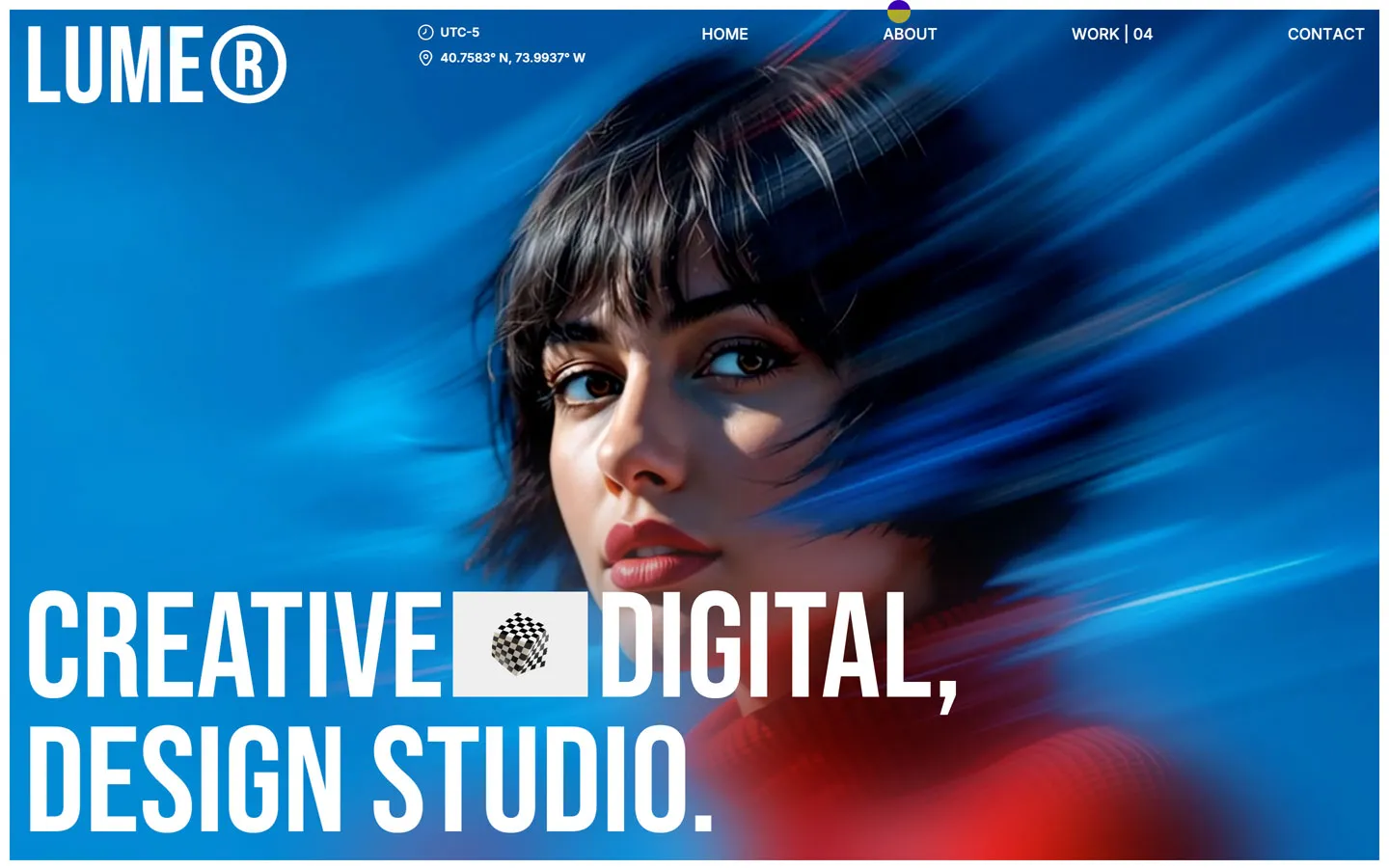
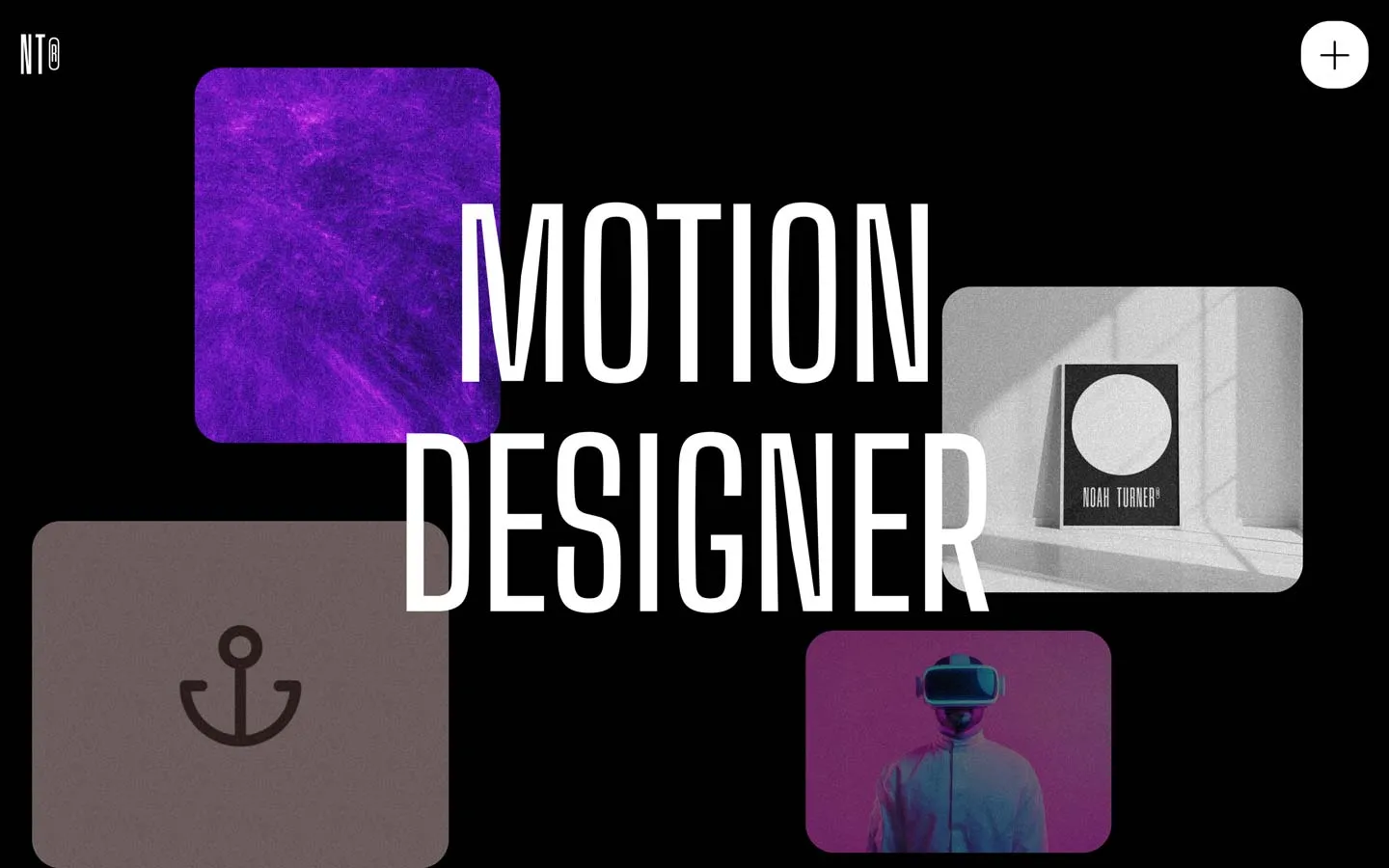
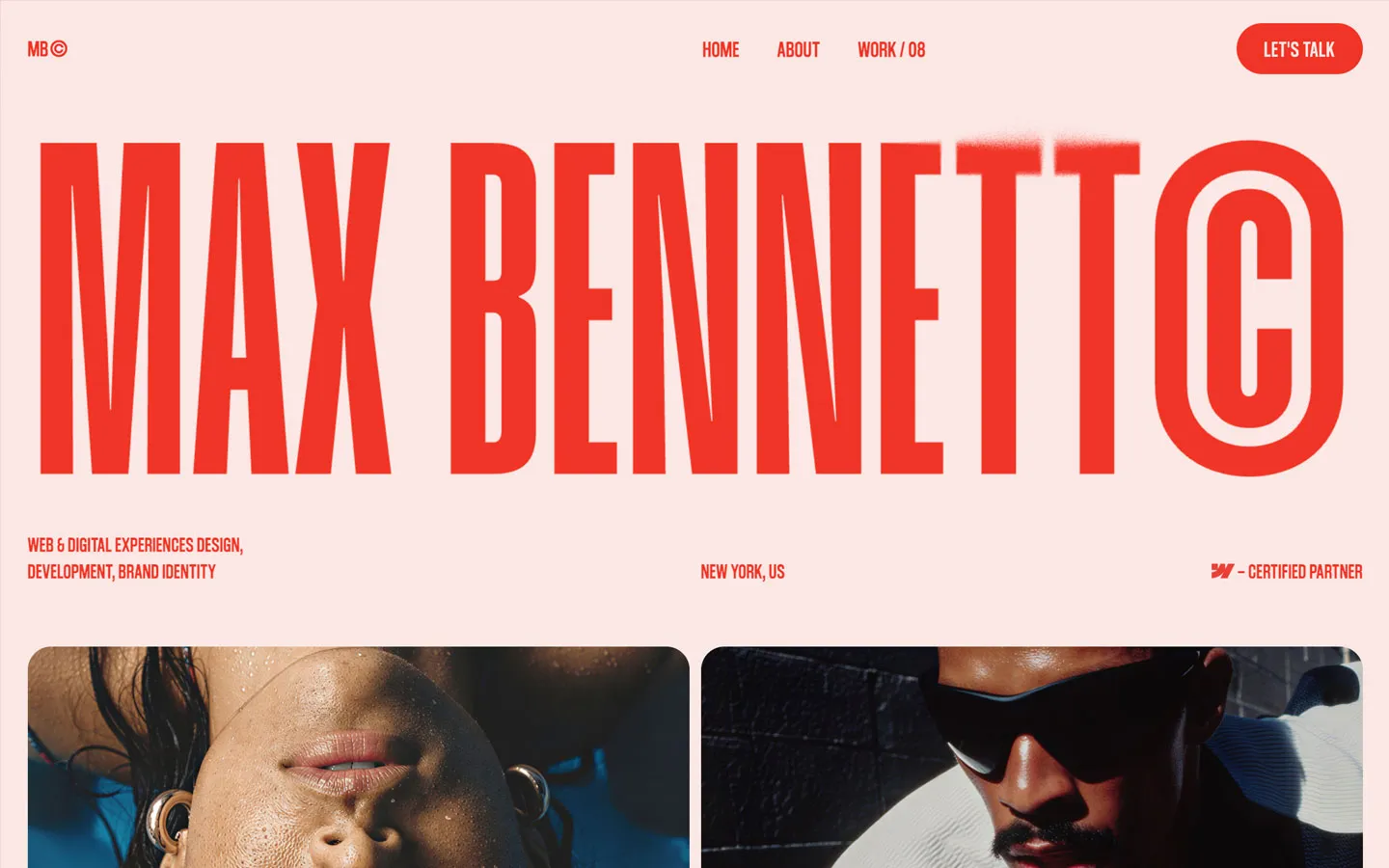


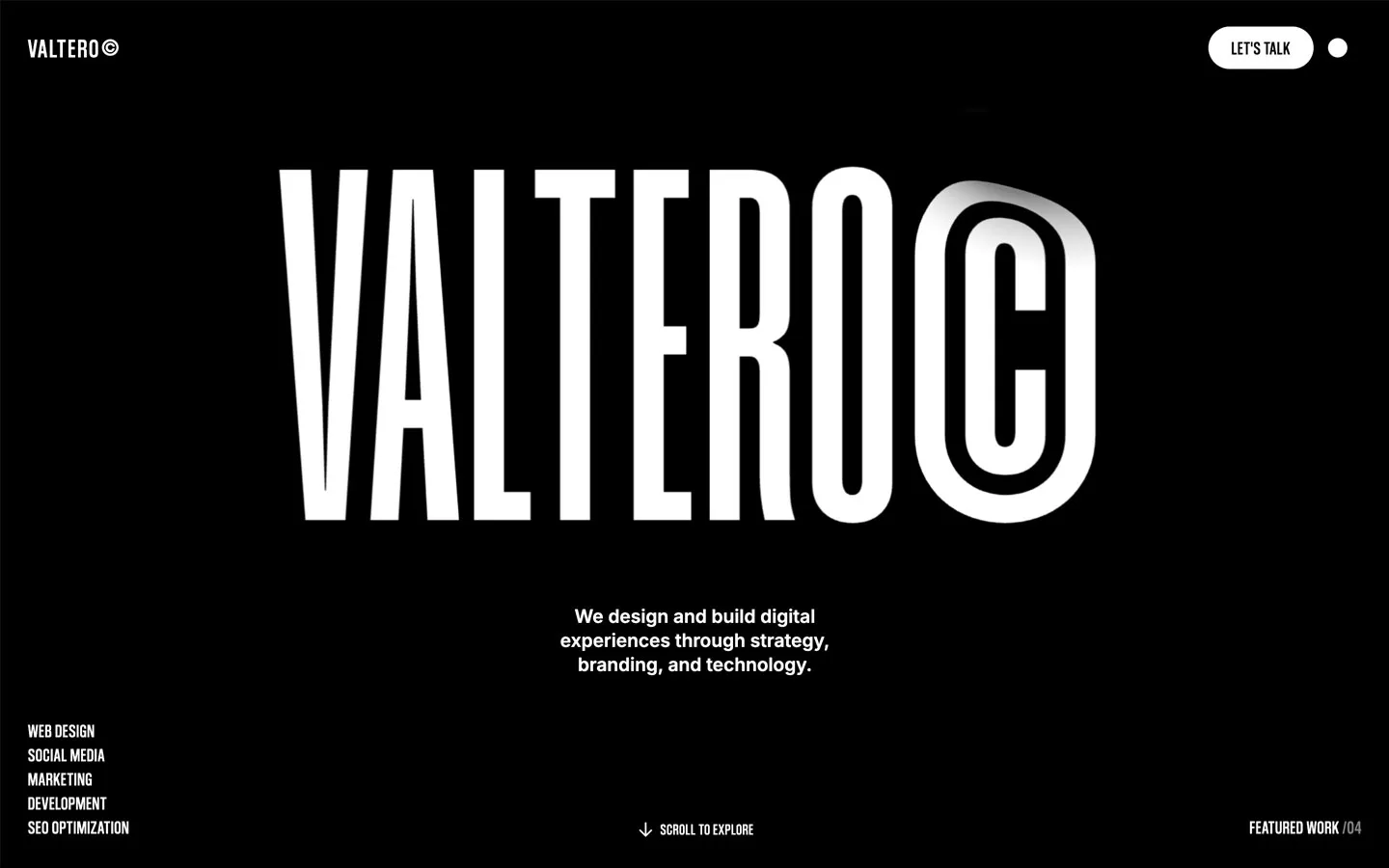



Don’t miss out on our superb, customizable templates designed to enhance your web design experience. We constantly add new templates and components.

Explore stunning Webflow, Framer, HTML5, Next.js and Figma templates designed to spark your next big idea.


*Rest assured that your data is safe with us, and you'll only hear from us 1 time per month.