Template categories are useful shortcuts, but each one solves a different content problem. Learn what agency, SaaS, portfolio, business, blog, and ecommerce templates usually prioritize.

Website template categories are useful because they hint at the page structure, not because a design can only be used for one industry. An agency template can become an architecture site. A portfolio template can become a small consultancy. What matters is the content system underneath.
Here is what the common categories usually optimize for.
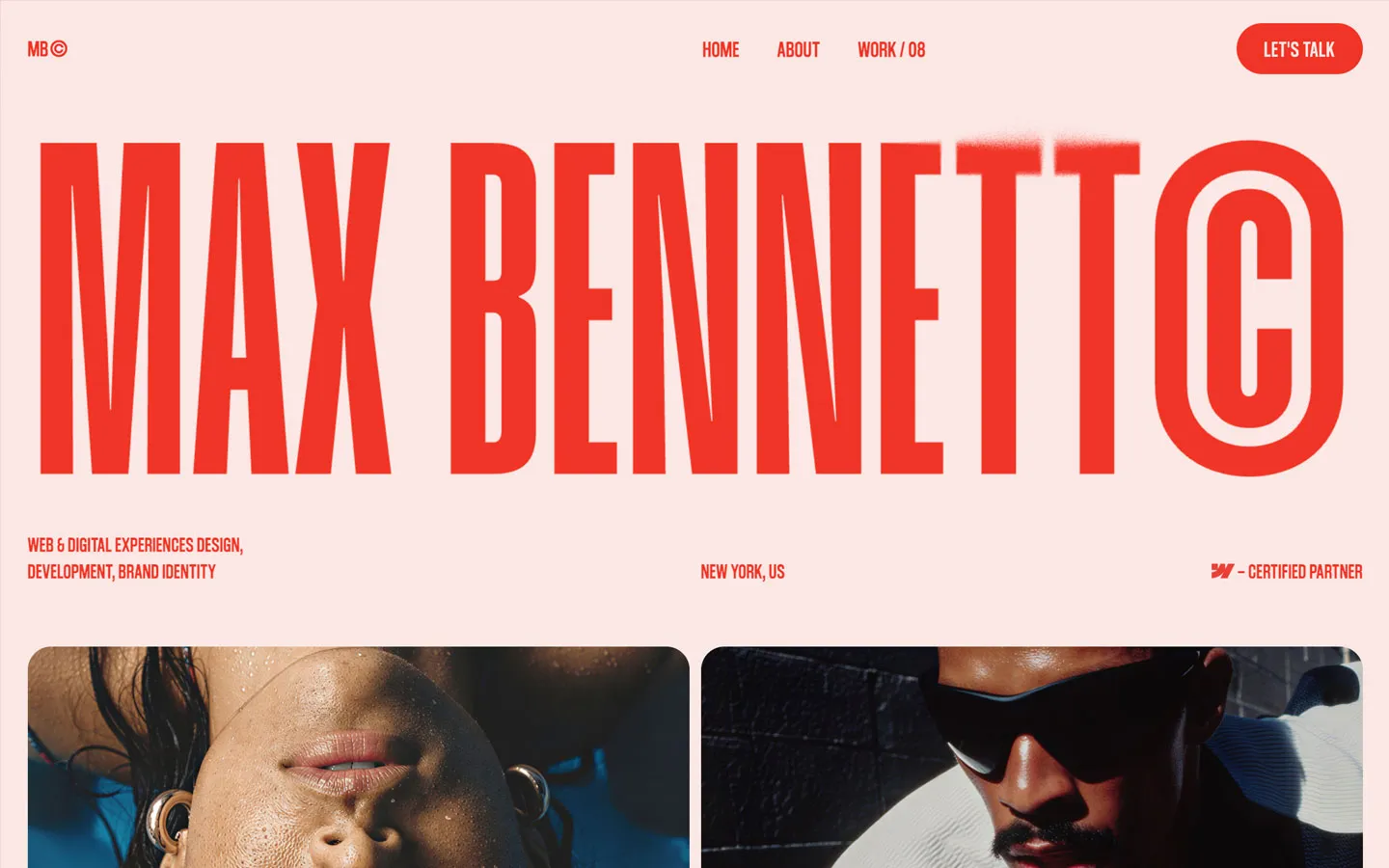
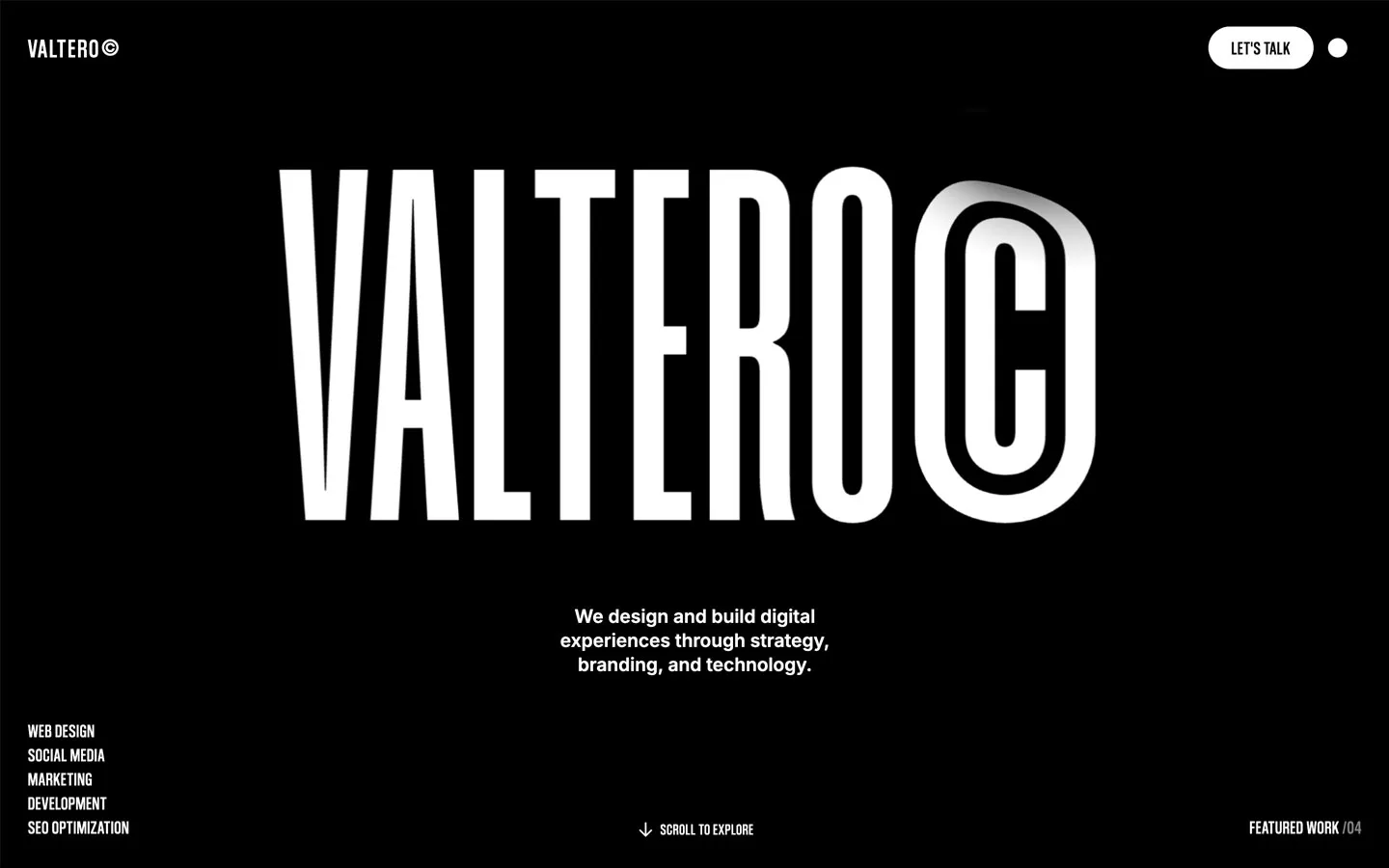
Agency websites typically need to explain services, show work, build credibility, and make it easy to start a conversation.
Useful pages and sections include Services, Projects or Case Studies, About, Team, Testimonials, Insights, and Contact. The best agency templates also give individual projects enough space to tell a story rather than showing only a thumbnail grid.
This structure can also work for production studios, architecture firms, branding teams, and other service businesses.
SaaS sites usually have a different job: explain a product quickly and move visitors toward a trial, demo, signup, or sales conversation.
Look for Feature pages, Pricing, Integrations, FAQs, product visuals, customer proof, comparison sections, and a CMS if the company plans to publish resources or changelogs.
A SaaS template should make the value proposition clear before it becomes visually complicated.
Portfolio templates put the work first. They are useful for designers, photographers, developers, artists, architects, and freelancers.
The project detail page matters more than the grid. Check whether there is space for context, role, process, credits, outcomes, images, and related work.
If the portfolio is image-heavy, pay close attention to loading, image ratios, and mobile crop behavior.
“Business” is a broad category, but these templates usually favor clear service information, trust signals, simple navigation, team or company information, and lead-generation sections.
They are often a better starting point than a highly stylized agency template when the audience values familiarity and clarity.
Consulting, finance, legal, and other professional-service sites often need more proof and explanation. Look for detailed service pages, case studies, expert profiles, industries, insights, and clear contact paths.
The visual system should support trust without becoming generic. Strong editorial content can add personality while keeping the structure familiar.
Startup templates tend to sit somewhere between SaaS and business. They often prioritize a clear pitch, product or service explanation, social proof, team or investor credibility, and a strong CTA.
For an early-stage company, flexibility matters. The site may change quickly as the product and positioning evolve.
For content-first websites, the CMS and reading experience are the product.
Check article hierarchy, categories, authors, tags, featured content, related posts, search or filtering needs, and how long-form text behaves on mobile.
A beautiful homepage is less important than a system that can still organize hundreds of posts.
Ecommerce templates need to handle product discovery, product detail, cart behavior, trust, and checkout flow. The visual style matters, but the platform's ecommerce capabilities matter more.
Before choosing one, verify that the production platform actually supports the payment, inventory, localization, tax, subscription, or integration requirements of the business.
These are often highly image-led and project-driven. Look for large visual layouts, project detail pages, locations, specifications, plans, team information, and a CMS that can scale with the portfolio.
Real estate may also need filtering, maps, property data, or external integrations that go beyond a standard visual template.
Hospitality sites depend on practical information: menus, opening hours, location, reservations, rooms, experiences, events, or galleries.
Mobile matters especially here because many visitors will arrive while already deciding where to go.
Category labels are starting points. If the underlying page system fits, a template can move across industries surprisingly well.
When comparing templates, ask what the site needs to do: show work, explain a product, publish content, generate leads, sell products, or manage a growing set of items. That answer is more useful than the label attached to the demo.
You can browse Flowmance templates by platform and category through the Webflow, Framer, Figma, and HTML collections.









Don’t miss out on our superb, customizable templates designed to enhance your web design experience. We constantly add new templates and components.

Explore stunning Webflow, Framer, HTML5, Next.js and Figma templates designed to spark your next big idea.


*Rest assured that your data is safe with us, and you'll only hear from us 1 time per month.