Freelancers can use templates to save production time while keeping client work distinct through strategy, content, typography, imagery, CMS, layout, and interaction choices.
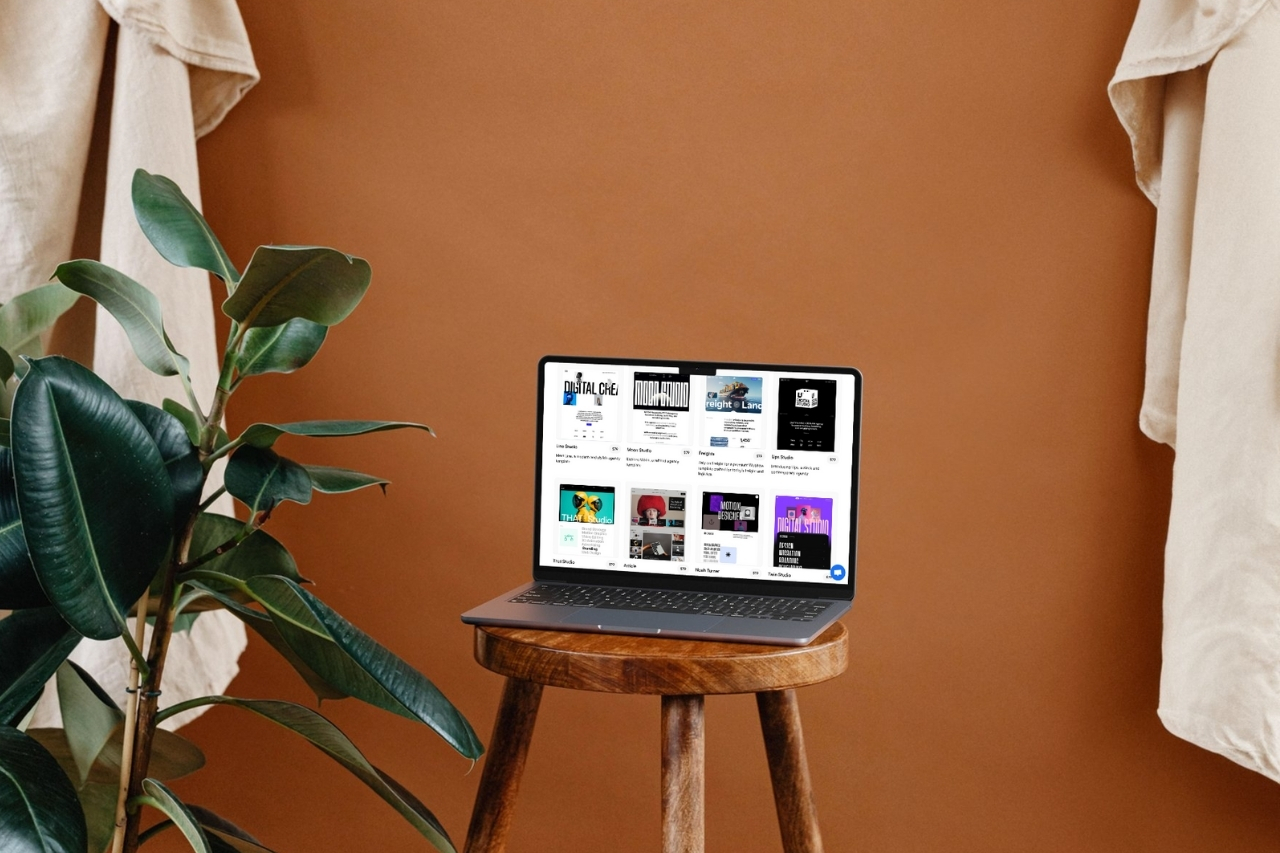
Using a website template does not make freelance work generic; shipping the template largely unchanged does. The value of a template is the production foundation. The freelancer's value is deciding how that foundation should change for the client.
Define the client's audience, pages, conversion goals, content types, and brand direction before selecting the template. Choose the design that best fits those requirements rather than choosing first and forcing the client into it.
Typography, color, spacing, buttons, cards, and image treatment create much of the visual identity. Update those shared decisions before redesigning individual sections.
Long headlines, actual project names, testimonials, pricing, and service descriptions will change the layout. Adding them early prevents the final site from preserving the demo's proportions by accident.
Change section order based on the client's story. Remove sections that have no job and add proof or explanations the demo does not contain.
Rename fields, remove demo content types, and add what the client actually needs. A tailored CMS can make the project feel more custom to maintain as well as to view.
Photography, illustration, product mockups, and crop ratios often create more differentiation than adding extra animation.
Keep motion that improves hierarchy or feedback. Remove effects that exist only because they looked impressive in the demo.
Confirm client-use rights and project limits before using a template commercially. Flowmance-specific rules are documented in the License Agreement.
A template should remove repetitive production work so the freelancer can spend more time on decisions that make the project specific.
Browse current Webflow and Framer templates when a template-first workflow fits the project.


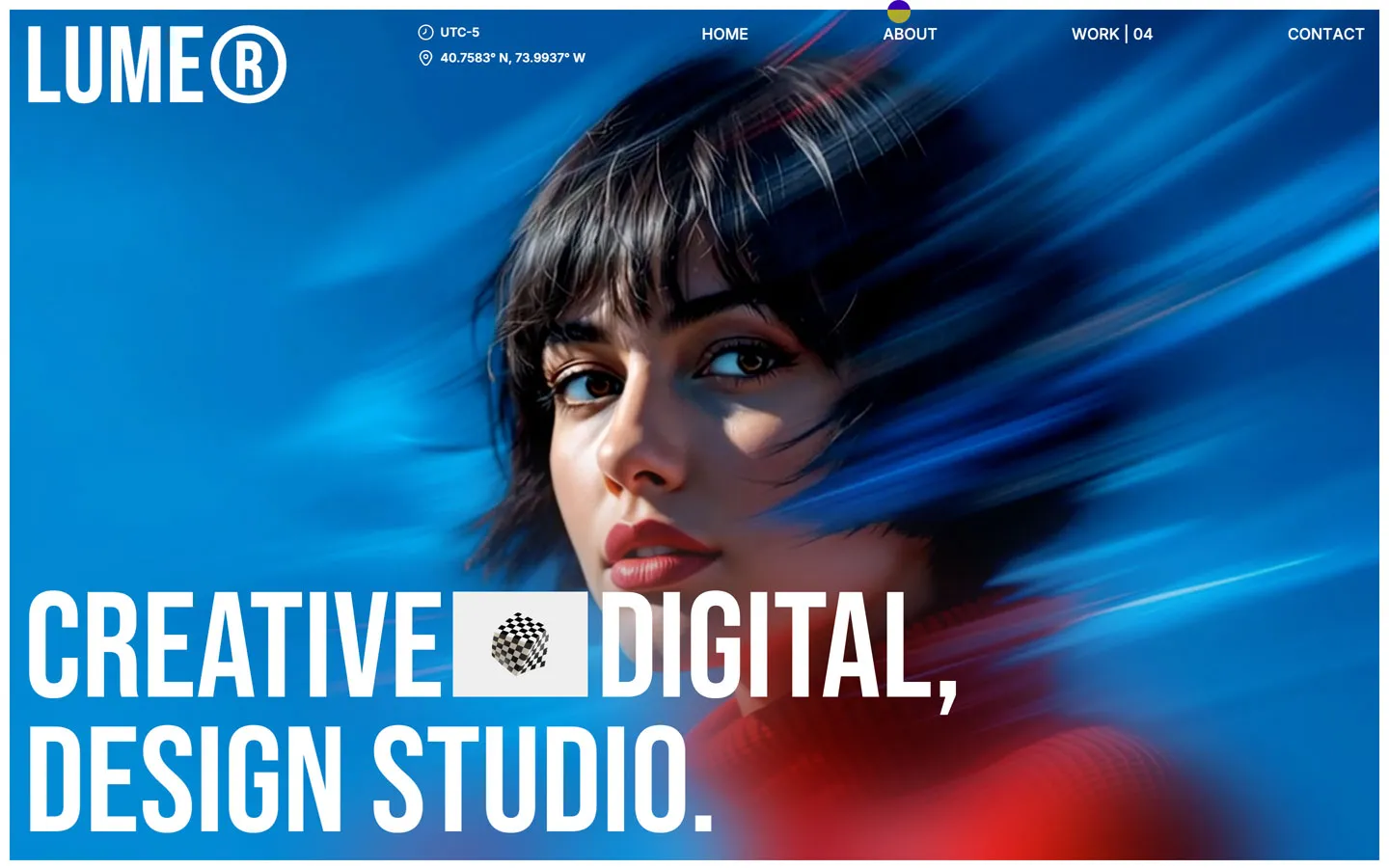
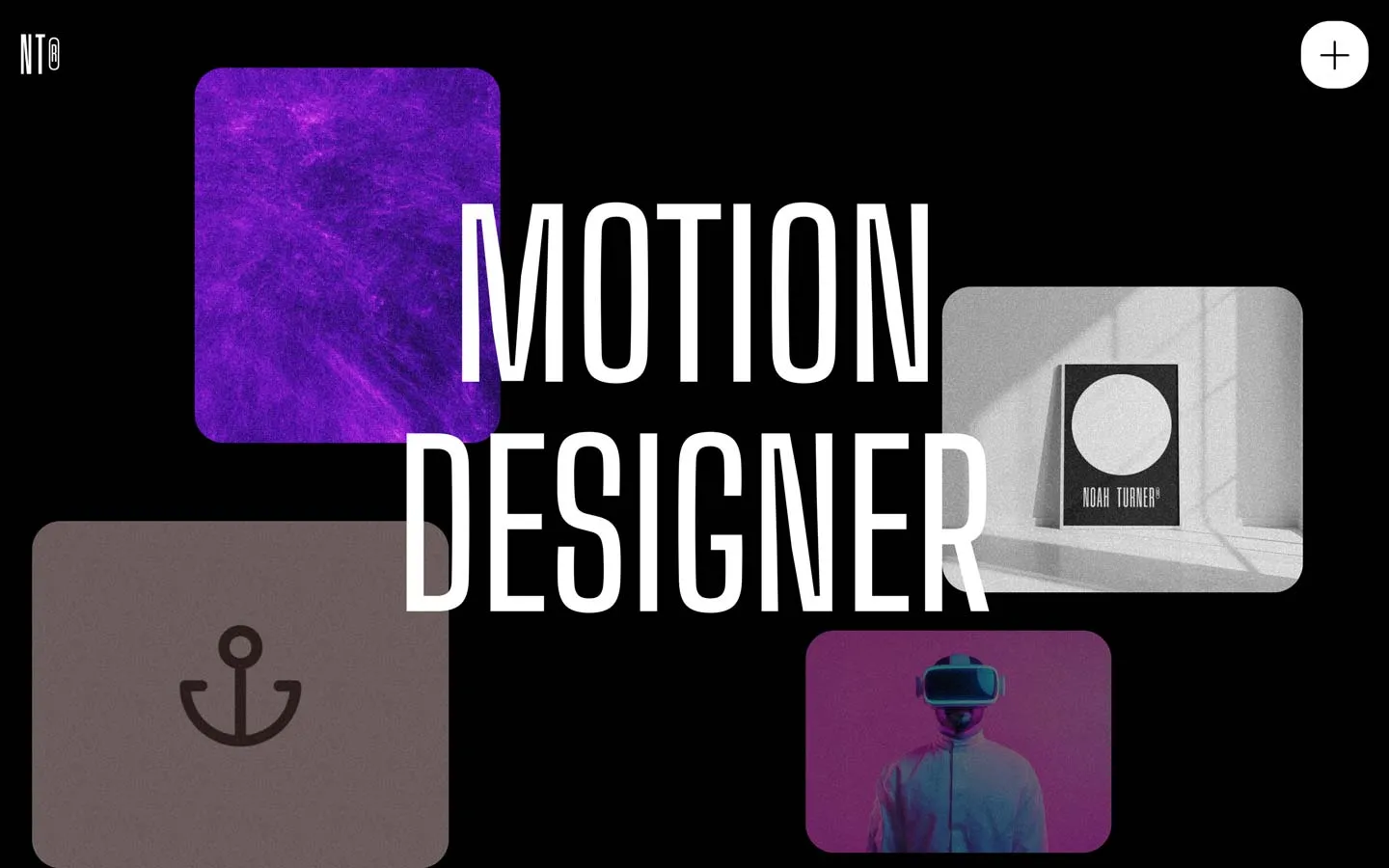
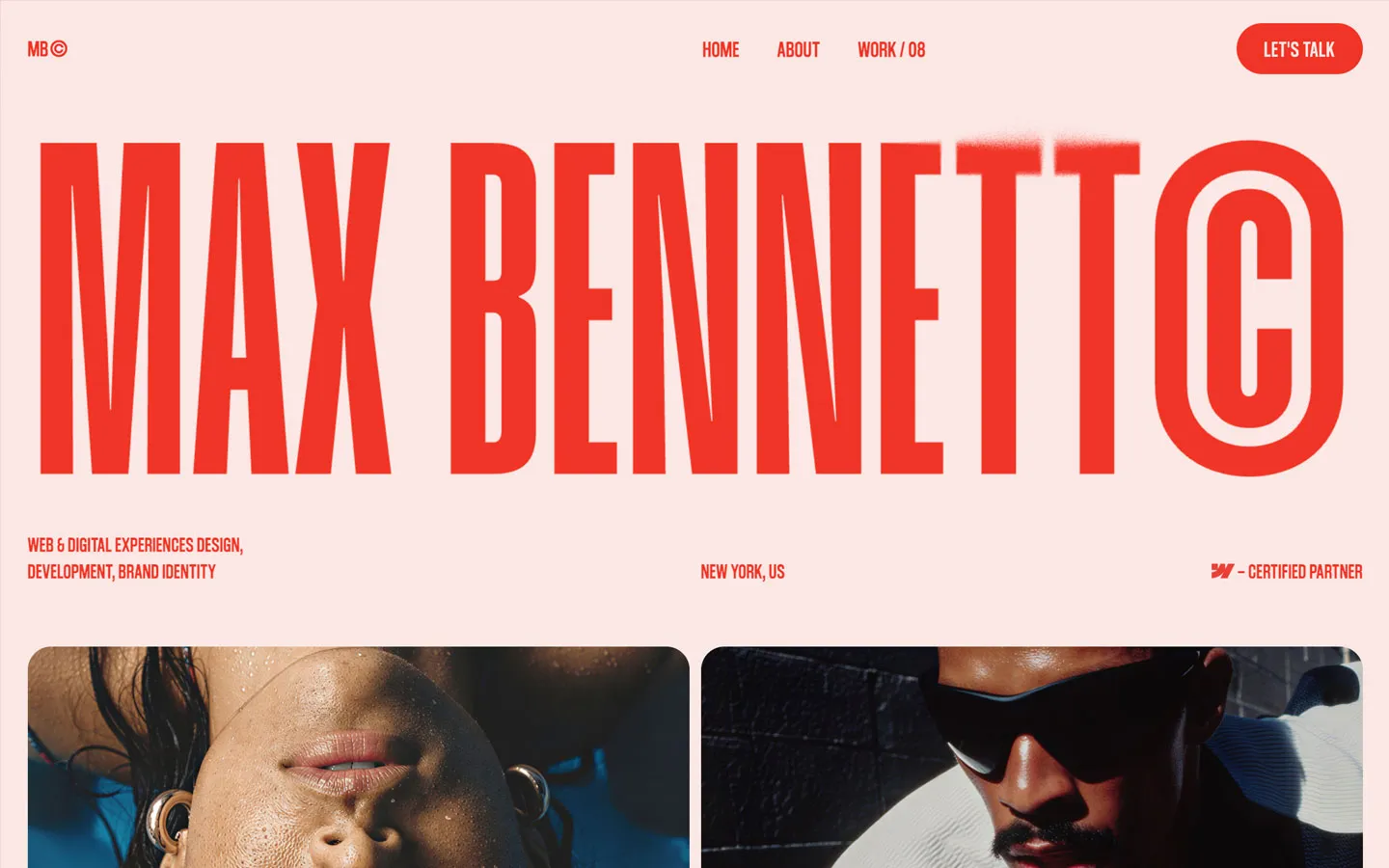


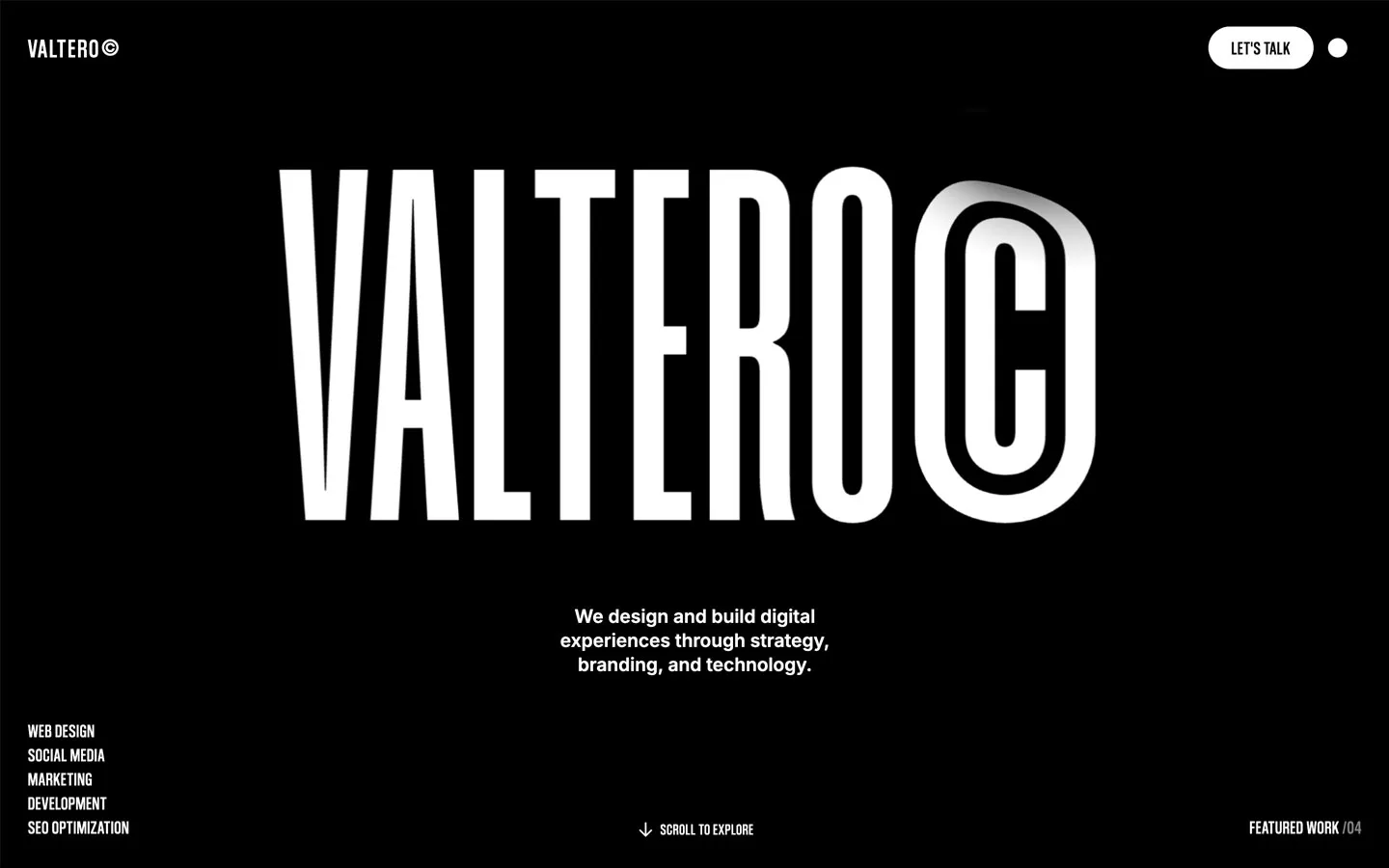
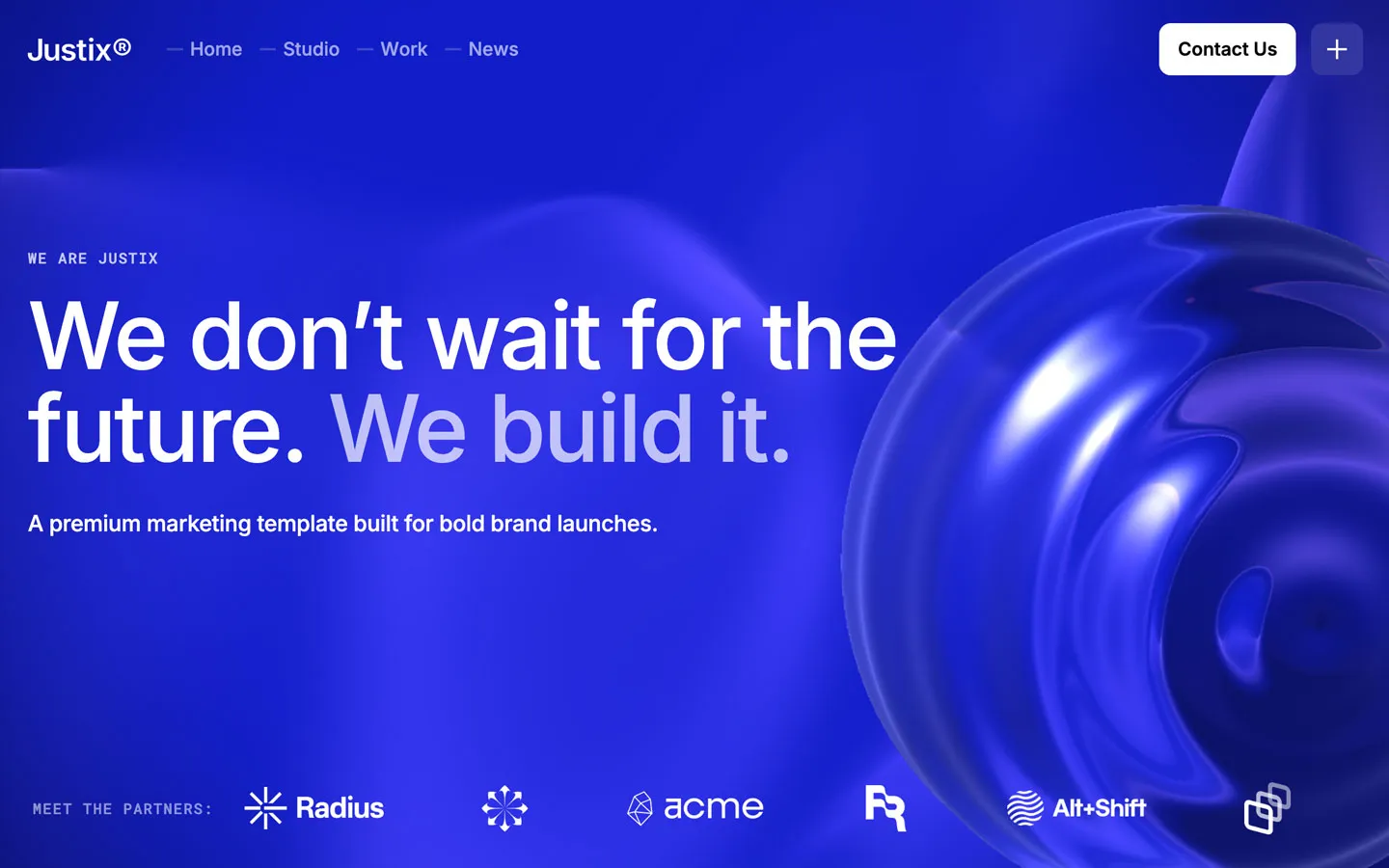


Don’t miss out on our superb, customizable templates designed to enhance your web design experience. We constantly add new templates and components.

Explore stunning Webflow, Framer, HTML5, Next.js and Figma templates designed to spark your next big idea.


*Rest assured that your data is safe with us, and you'll only hear from us 1 time per month.