Webflow's managed hosting reduces server and plugin maintenance, but teams still need to own domains, publishing, performance, redirects, analytics, backups, and operational QA.

The main benefit of Webflow hosting is operational simplicity: design, CMS, publishing, and hosting live inside one managed platform. That removes many server and plugin-maintenance tasks, but it does not eliminate the need for a clear website operations process.
Teams do not need to select a traditional web host, maintain a server, or coordinate theme and plugin updates as they would in many self-hosted stacks. That can reduce the number of moving parts around a marketing site.
Design and CMS changes can move through the same platform toward staging and production. This is useful for marketing teams that publish frequently and want fewer handoffs between design, development, and hosting systems.
Keep domain registrar access, DNS ownership, workspace permissions, billing responsibility, and recovery information documented. Managed hosting is not a substitute for account governance.
Hosting infrastructure cannot compensate for oversized images, autoplay media, too many fonts, third-party scripts, or expensive interactions. Measure the actual production pages after integrations are installed.
If URLs change, preserve valuable paths where possible and create appropriate redirects. During a migration, inventory the existing URLs, forms, scripts, CMS content, and analytics before switching platforms.
Versioning and backups can reduce recovery risk, but teams should still review major changes, avoid unplanned destructive edits, and know who is responsible for publishing.
Check forms, key pages, analytics, custom scripts, and conversion paths after major updates. A managed platform reduces infrastructure maintenance; it does not guarantee that every project-level implementation remains correct.
Webflow hosting simplifies the infrastructure layer so teams can focus more on the website itself. The trade-off is operating inside a managed platform, so compare that model with the control your project genuinely needs.
For the broader hosting comparison, see Webflow Hosting vs WordPress Hosting.


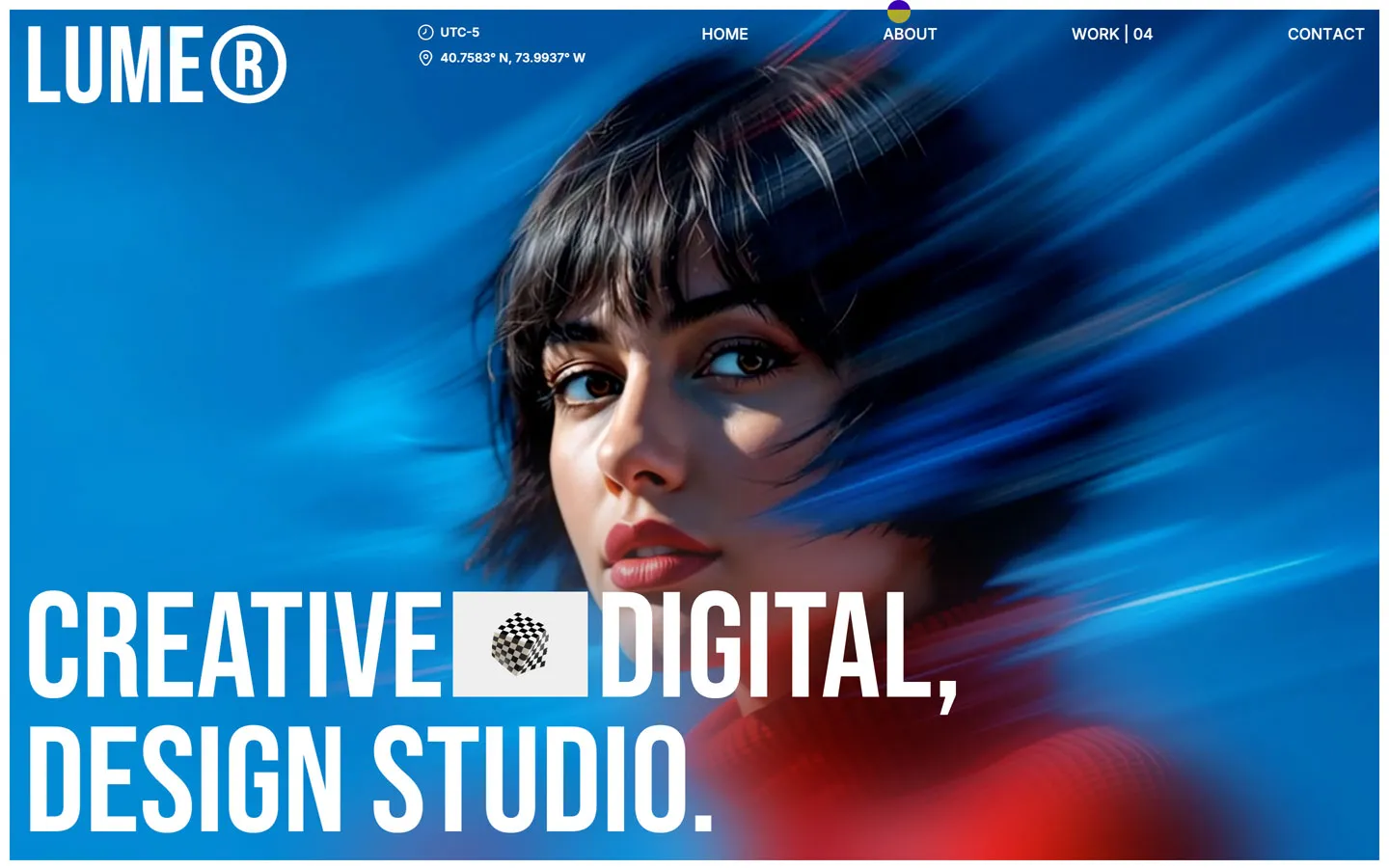

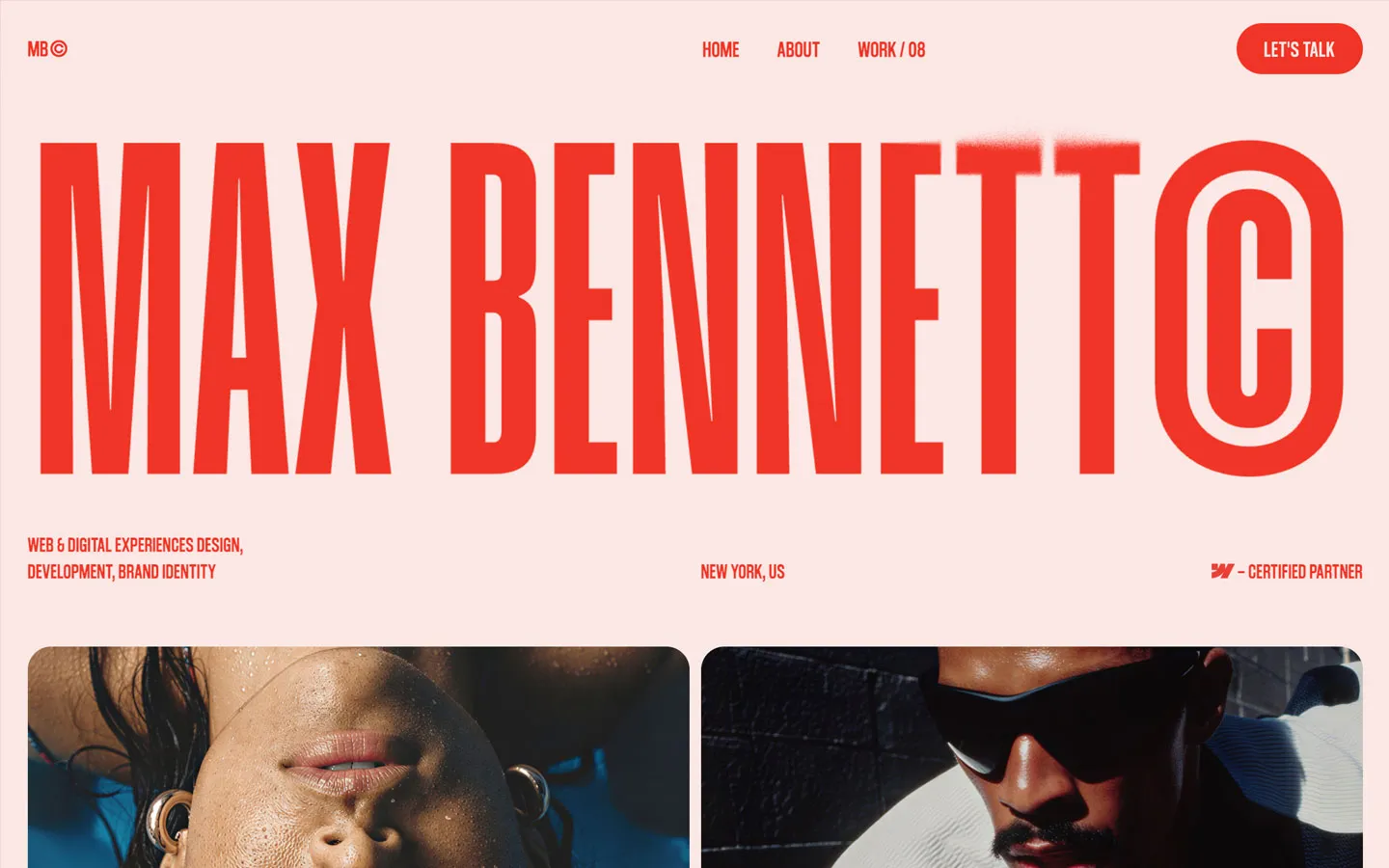


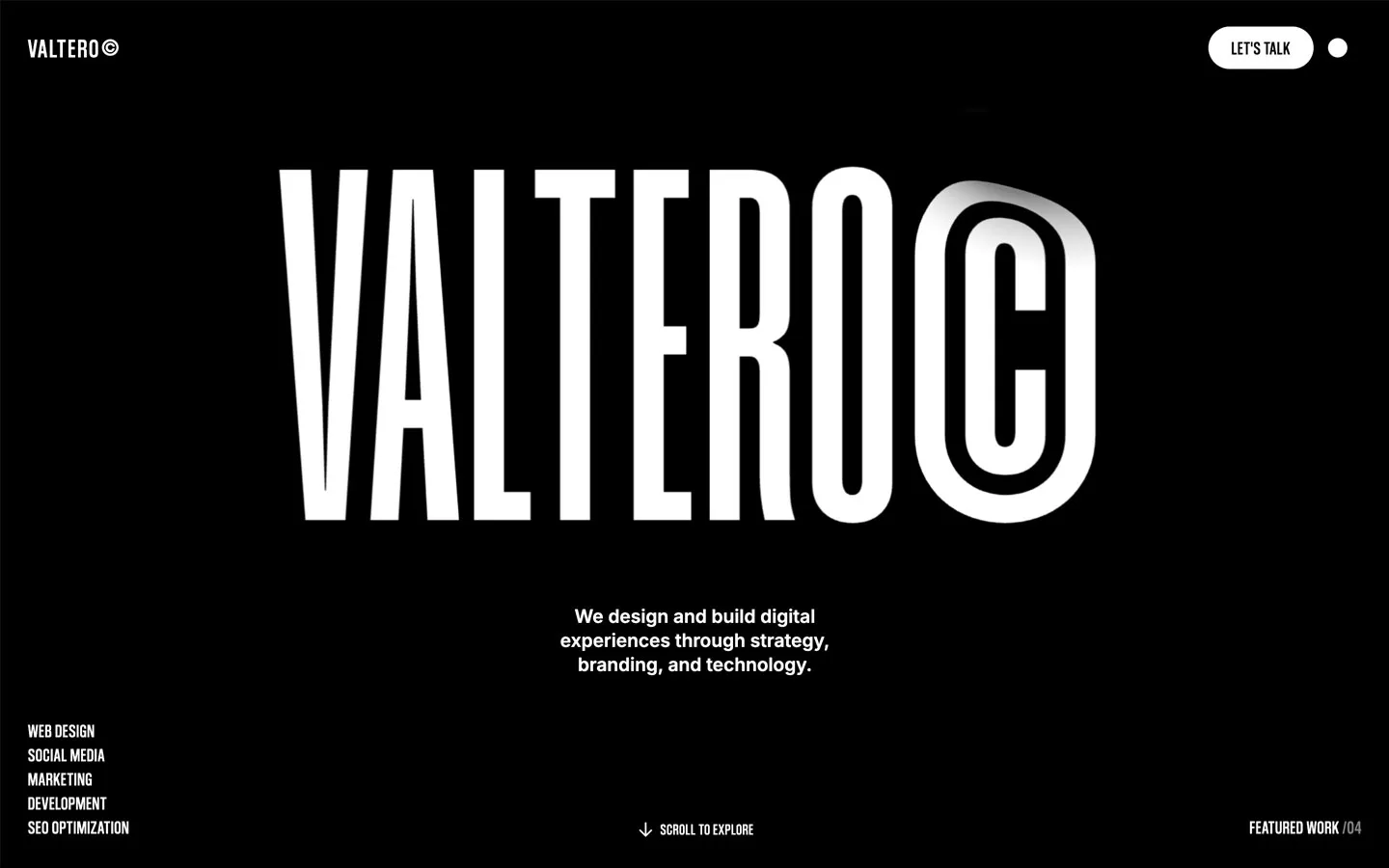
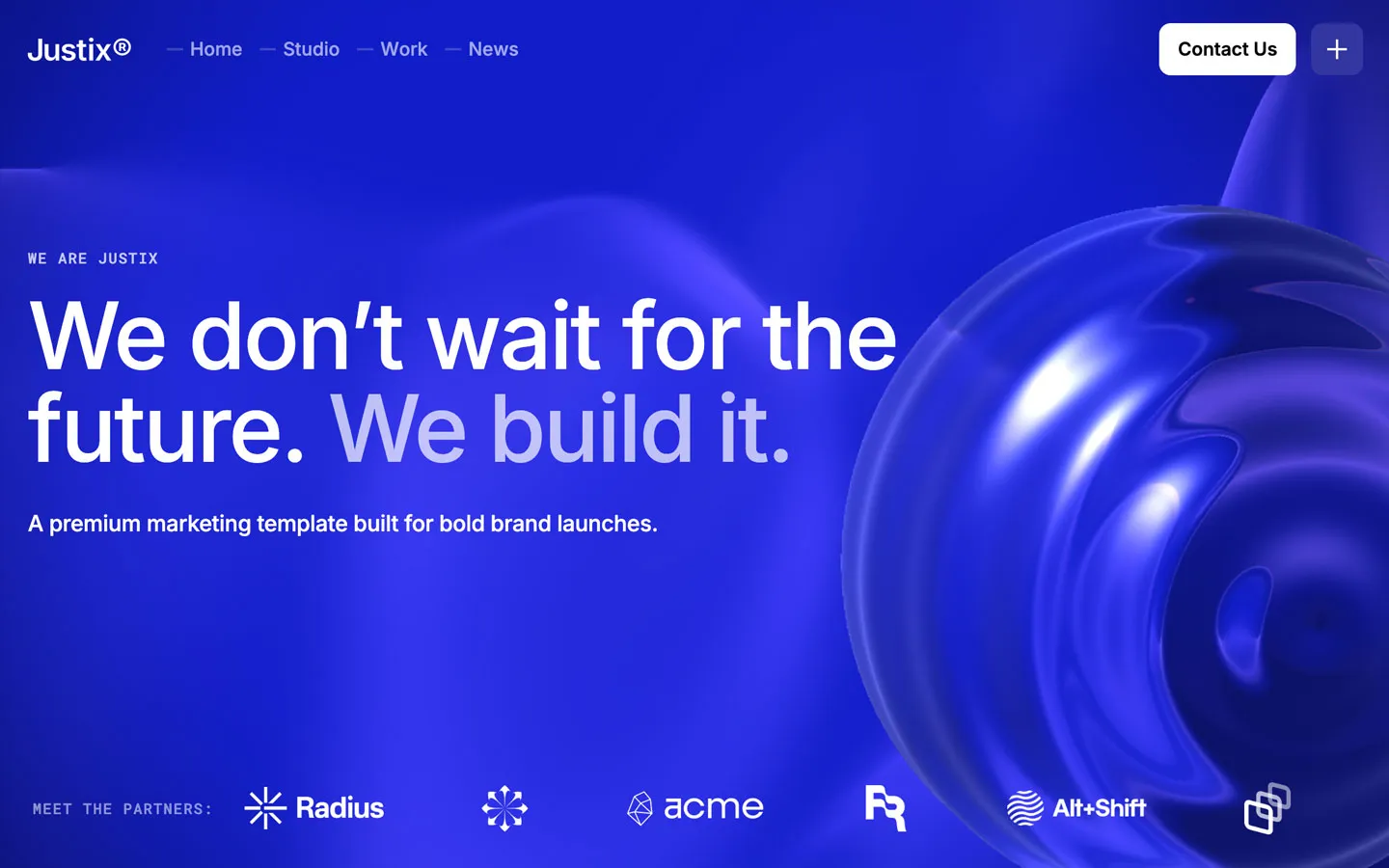


Don’t miss out on our superb, customizable templates designed to enhance your web design experience. We constantly add new templates and components.

Explore stunning Webflow, Framer, HTML5, Next.js and Figma templates designed to spark your next big idea.


*Rest assured that your data is safe with us, and you'll only hear from us 1 time per month.