Webflow can give SaaS marketing teams fast visual iteration, CMS, components, SEO controls, and managed publishing, but it is not a replacement for the product application stack.
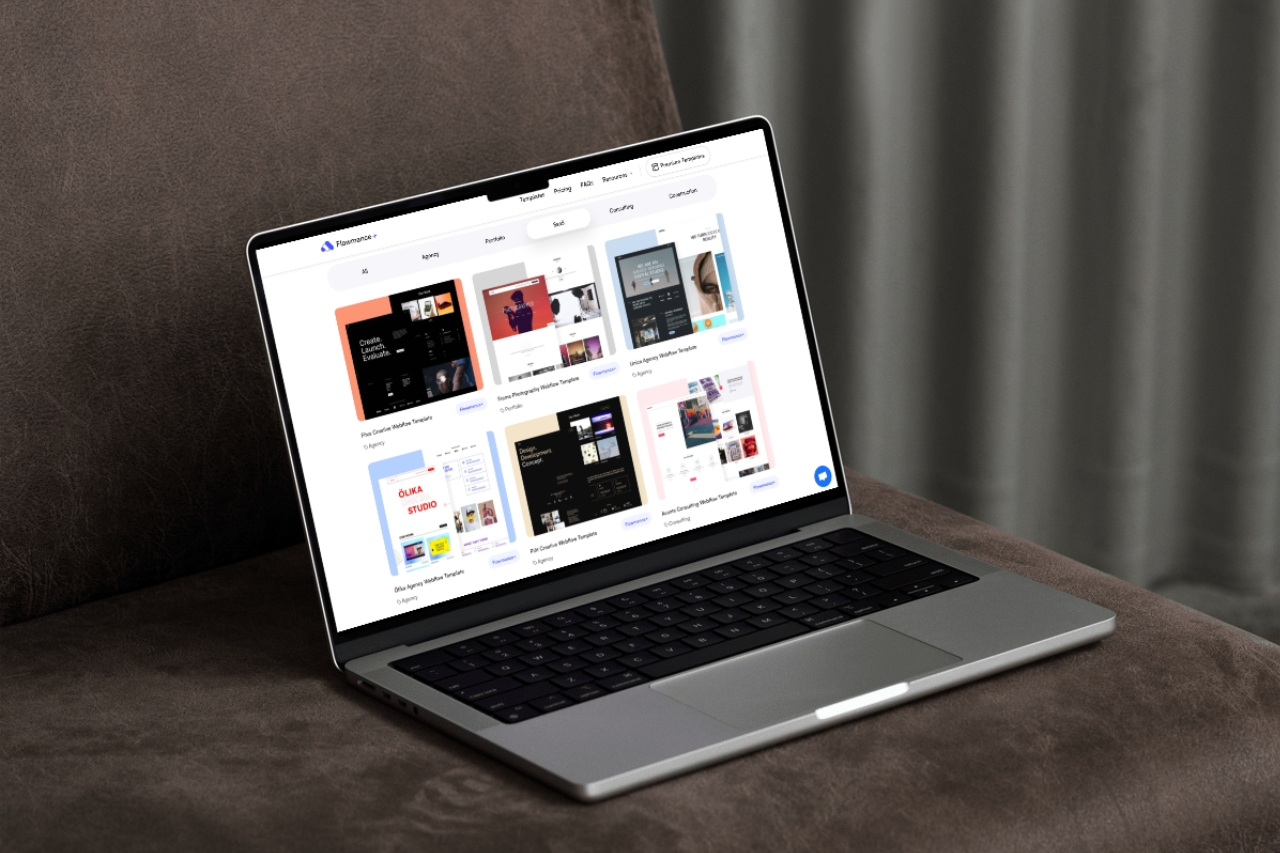
Webflow is a strong fit for SaaS marketing when the website is a fast-moving content and campaign system rather than the product application itself. Its main advantage is giving design and marketing teams substantial control over the public site while keeping the application stack separate.
Teams can change layout, typography, product screenshots, sections, and campaign pages without turning every marketing request into a front-end engineering cycle.
Customer stories, resources, integrations, jobs, events, and other repeatable content can use Collections and templates that marketing can maintain.
Shared CTAs, proof blocks, navigation, cards, and section patterns can make campaign production faster while preserving the design system.
Webflow provides metadata, redirects, sitemap and indexing controls, structured-data workflows, and responsive design tools. Search performance still depends on content quality, authority, internal links, and final implementation.
Complex authentication, product state, transactional workflows, permissions, and backend logic generally belong in the application stack. Keep the boundary between marketing and product clear.
CRM, analytics, consent, chat, scheduling, experimentation, and product-demo tools can accumulate quickly. Document owners and test performance after the real stack is installed.
Without a shared component and class system, a fast visual tool can produce inconsistent pages just as quickly as consistent ones. Marketing autonomy works best inside an intentional design system.
Webflow is valuable for SaaS when it removes friction from marketing without blurring the boundary with product engineering. Build a clear operating model, then use the visual speed where it creates leverage.


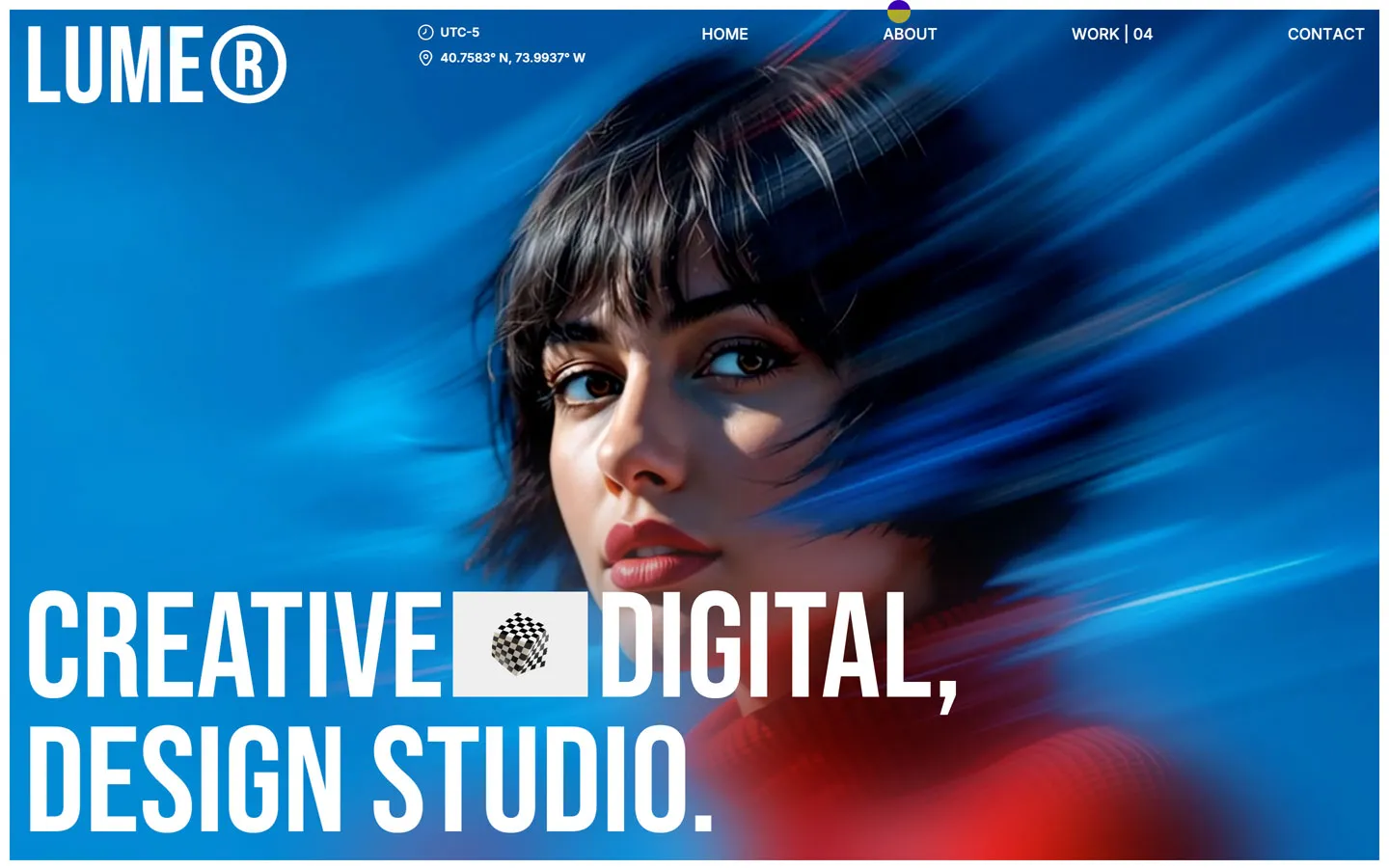
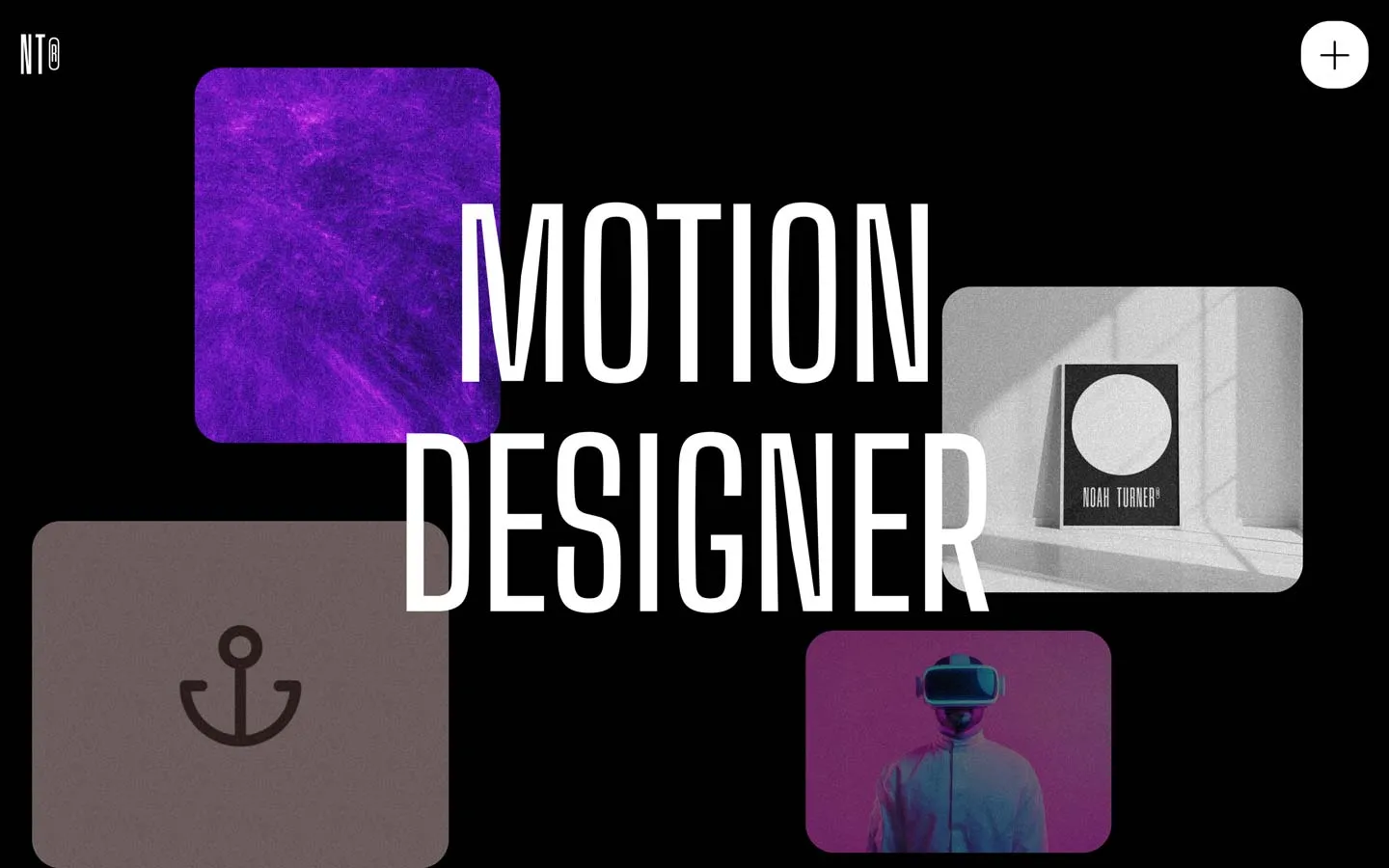
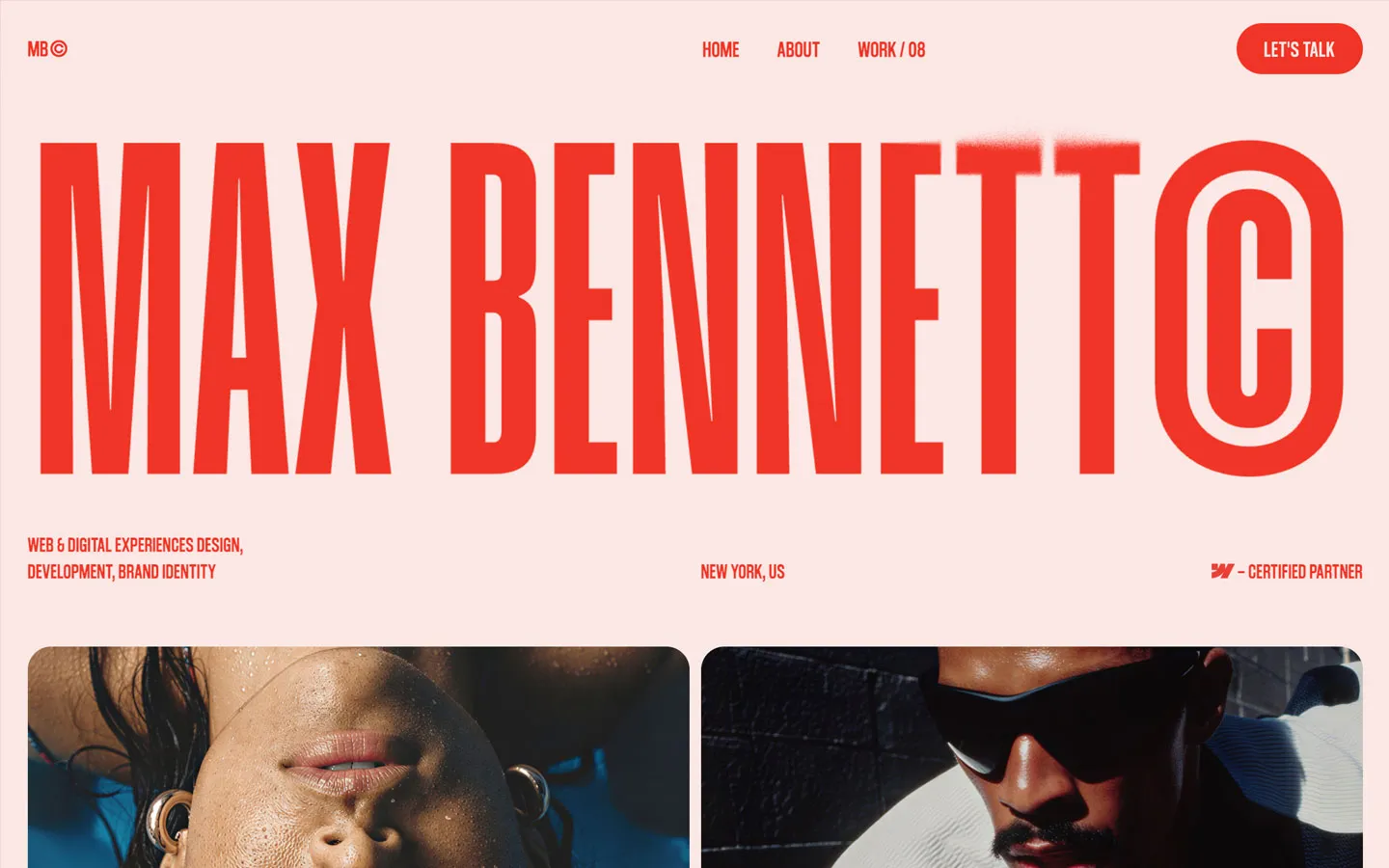


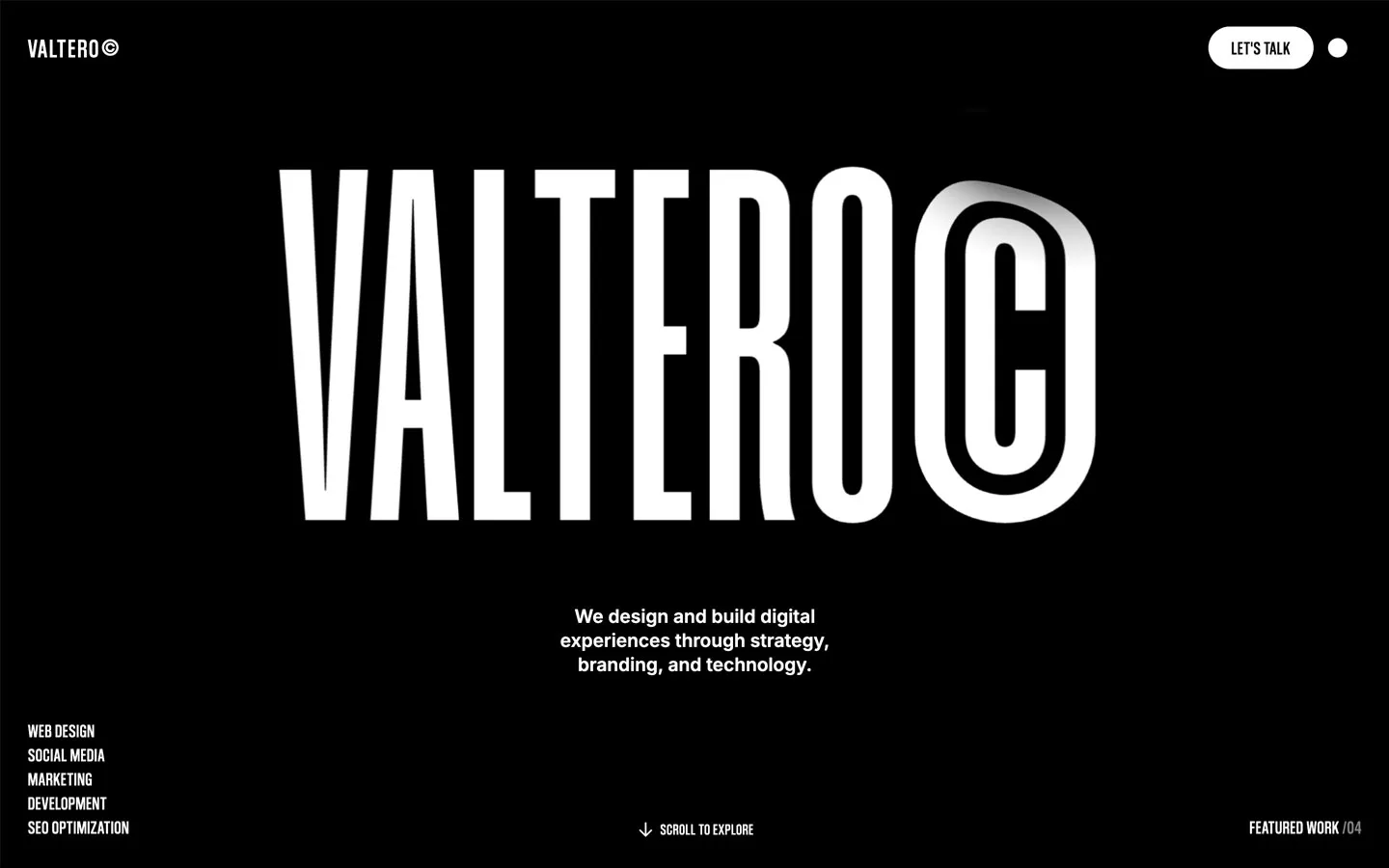
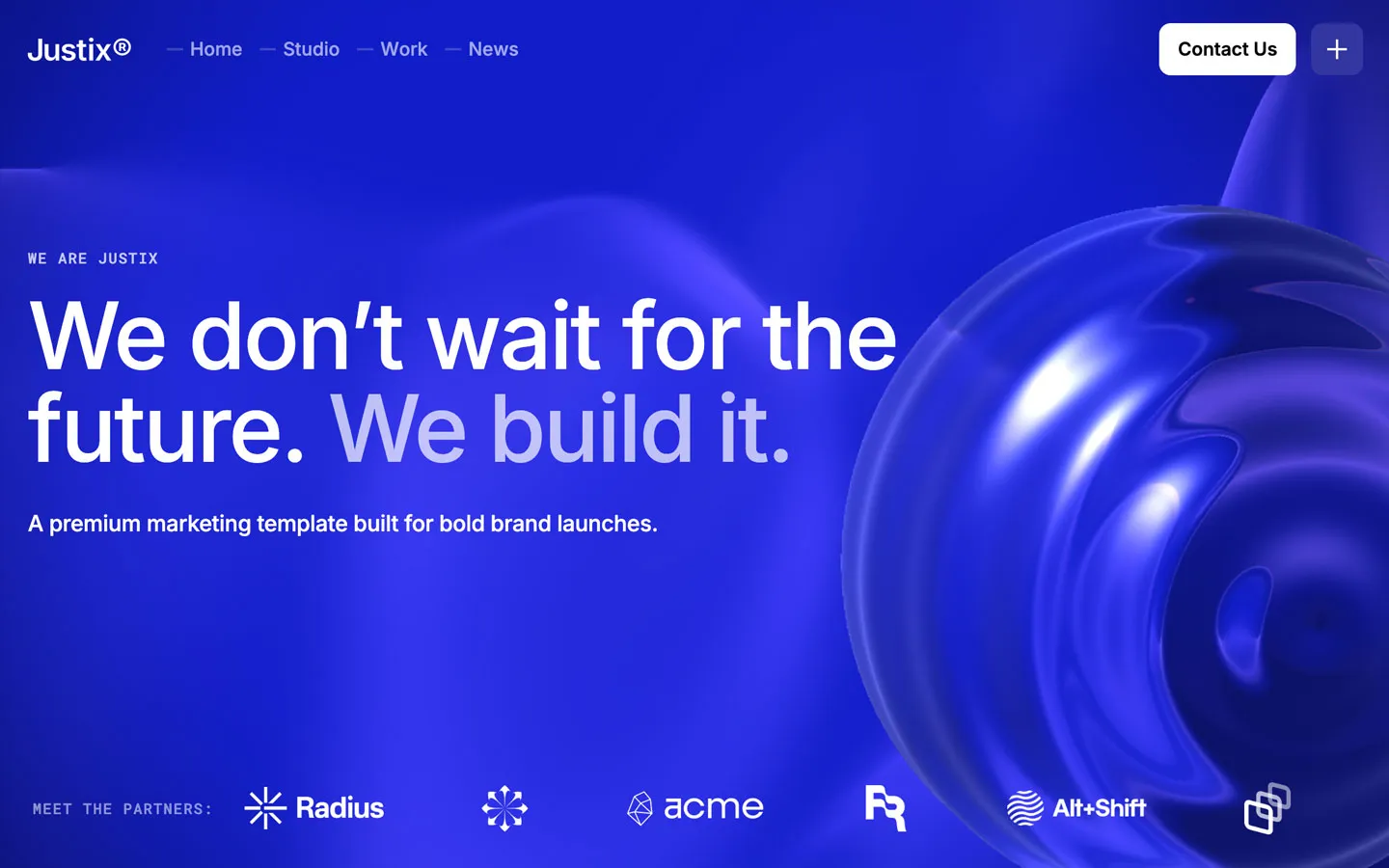


Don’t miss out on our superb, customizable templates designed to enhance your web design experience. We constantly add new templates and components.

Explore stunning Webflow, Framer, HTML5, Next.js and Figma templates designed to spark your next big idea.


*Rest assured that your data is safe with us, and you'll only hear from us 1 time per month.