Define a clear Webflow operating model for SaaS marketing teams: CMS content, landing pages, components, experiments, analytics, integrations, and boundaries with product engineering.
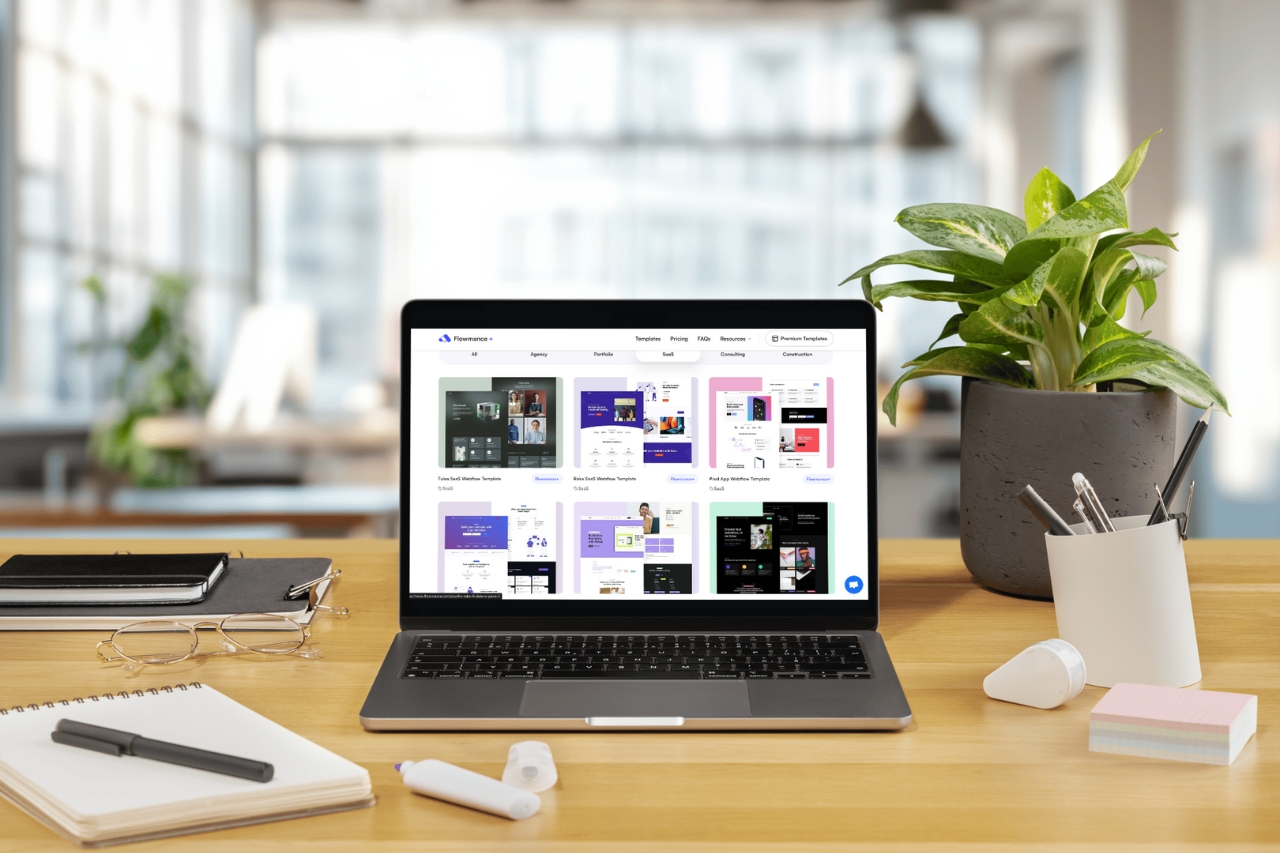
Webflow creates the most value for a SaaS company when the marketing team knows what it owns and where product engineering begins. The website should move quickly without turning into a second application codebase that nobody fully owns.
Positioning copy, customer stories, resources, jobs, campaign pages, integration content, and other marketing information are good candidates for a Webflow workflow when the site has been structured safely.
Customer stories, resources, events, jobs, authors, and similar content should use predictable fields and templates so marketing can publish without redesigning a page each time.
Reusable CTAs, proof blocks, pricing patterns, feature sections, and navigation can give marketers flexible building blocks without exposing every structural decision.
Decide which landing pages or messages can be tested quickly and how analytics events will be named. Experiments are easier to learn from when the page structure and measurement stay consistent.
Authentication, complex application state, transactional workflows, and product-specific backend logic usually belong in the product stack. Link the experiences clearly rather than forcing Webflow to become the application layer.
CRM forms, analytics, consent, scheduling, chat, product demos, and automation should have clear owners. Every third-party tool adds maintenance and performance cost.
Marketing can own routine content and approved components, while major design-system changes, custom code, CMS restructuring, or migrations receive design/development review.
The goal is not to make marketing independent of engineering at all costs; it is to keep routine marketing work out of the engineering queue while preserving a clean technical boundary.
For the site architecture itself, see how to structure a SaaS marketing site in Webflow.






Don’t miss out on our superb, customizable templates designed to enhance your web design experience. We constantly add new templates and components.

Explore stunning Webflow, Framer, HTML5, Next.js and Figma templates designed to spark your next big idea.


*Rest assured that your data is safe with us, and you'll only hear from us 1 time per month.