A practical guide to getting real value from a website template subscription: choosing the right starting point, checking licensing, customizing well, and avoiding wasted downloads.
A template subscription is useful when it saves you decisions, not just money. The biggest mistake is treating a large library like a folder to download from at random. A better approach is to use it as a repeatable starting system: choose the right structure, customize it with purpose, and keep the parts that make each project faster.
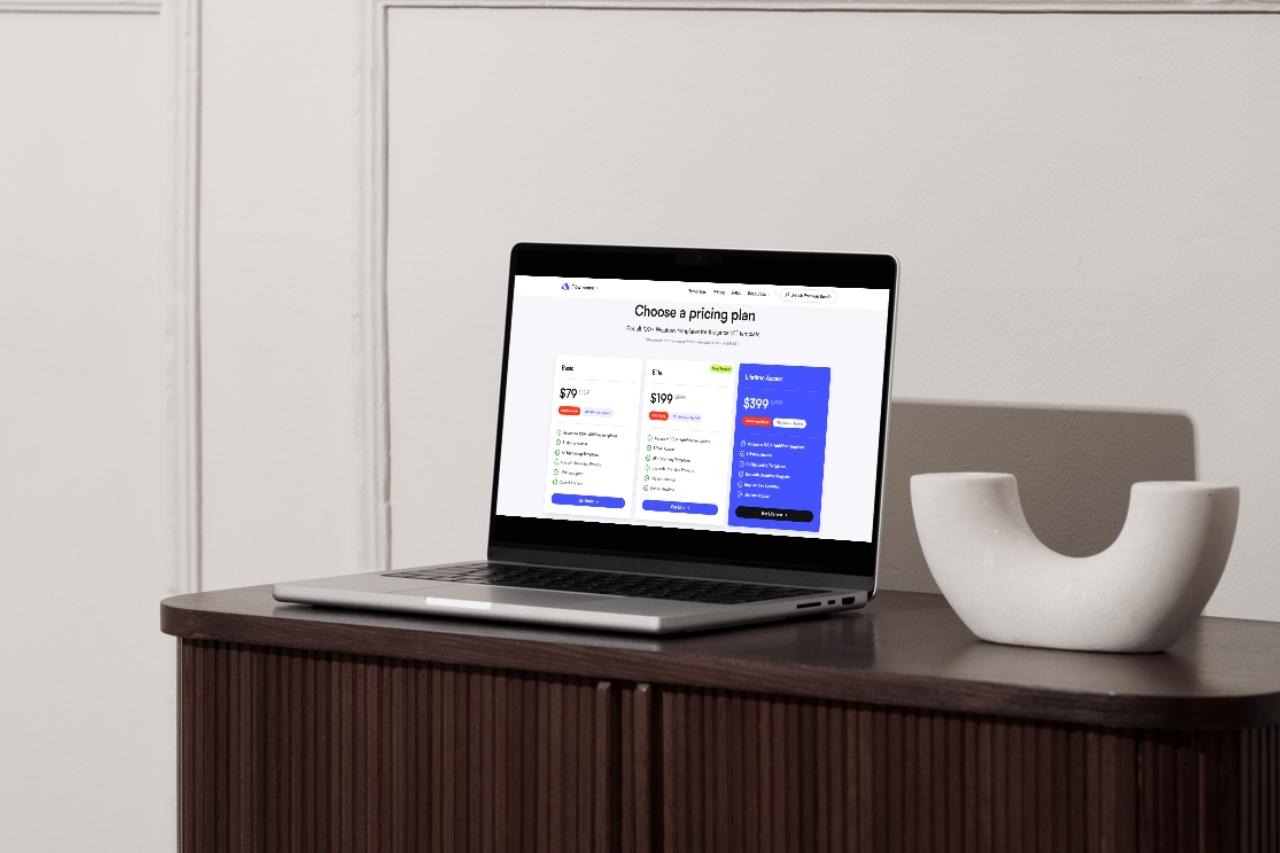
This guide focuses on that workflow. It also replaces older Flowmance plan information that is no longer current. For live access options and pricing, use the Flowmance pricing page rather than relying on figures in older articles.
Before browsing, write down what the site actually needs. A five-page studio website and a content-heavy SaaS site may both look good in the same visual style, but their underlying structure is different.
At minimum, check:
This sounds obvious, but it prevents the most common template problem: picking a beautiful homepage and discovering later that the internal pages do not support the project.
A template labelled “agency” can work perfectly well for architecture, consulting, production, or a small software company. The useful question is not the category name. It is whether the page system, typography, content density, and interaction style fit the brand.
When browsing Flowmance, the main platform libraries are Webflow, Framer, Figma, and HTML. Starting from the platform you actually plan to use narrows the decision much faster.
Subscription access tells you what you can download. The license tells you what you are allowed to do with it. Those are separate questions.
Before using a template for a client, check the current terms for commercial use, project limits, redistribution, and what happens to previously downloaded files if access ends. If licensing matters to the project, read the current policy instead of relying on a blog post written under an older plan structure.
Changing colors is easy. Making a template feel like it was designed for the client takes a little more thought.
Start with structure: remove sections that do not support the message, change the order of the remaining sections, and rewrite the information hierarchy. Then move to typography, spacing, imagery, and motion. This usually creates a more original result than changing every visual detail while leaving the exact demo structure untouched.
If you work on websites regularly, keep a shortlist of templates that are strong for different jobs. One may have an excellent CMS structure for editorial sites. Another may have a better case-study system. A third may be a useful starting point for a one-page launch.
That shortlist becomes more valuable than the full library because it reflects how you actually work.
Templates can also be useful as references for section logic, navigation patterns, responsive decisions, CMS structure, and interaction ideas. The goal is not to turn every project into a clone. It is to avoid solving the same basic layout problem from zero each time.
In Webflow, reusable components can help keep recurring layouts consistent while still allowing different content per instance. That makes a good template especially useful as the beginning of a system rather than a fixed final design.
Template libraries evolve. Pages are added, formats are converted, interactions are improved, and platform features change. If a project is starting weeks or months after a template was first bookmarked, open the current version before duplicating or exporting it.
Flowmance now spans multiple formats and the library continues to change, so the availability of a particular format can differ from template to template. The safest approach is to check the individual template page before committing to a workflow.
A template subscription tends to make sense for agencies, freelancers, and teams building websites repeatedly. If you only need one very specific site, buying a single template may be simpler. If you build several sites a year, access to a broader library can reduce the time spent searching for a starting point.
The value is not the number of files you collect. It is the number of useful hours you avoid repeating.
If the subscription helps you move through those steps faster while keeping the final work distinct, it is doing its job.
Updated for 2026. Current Flowmance access and pricing are maintained on the pricing page.


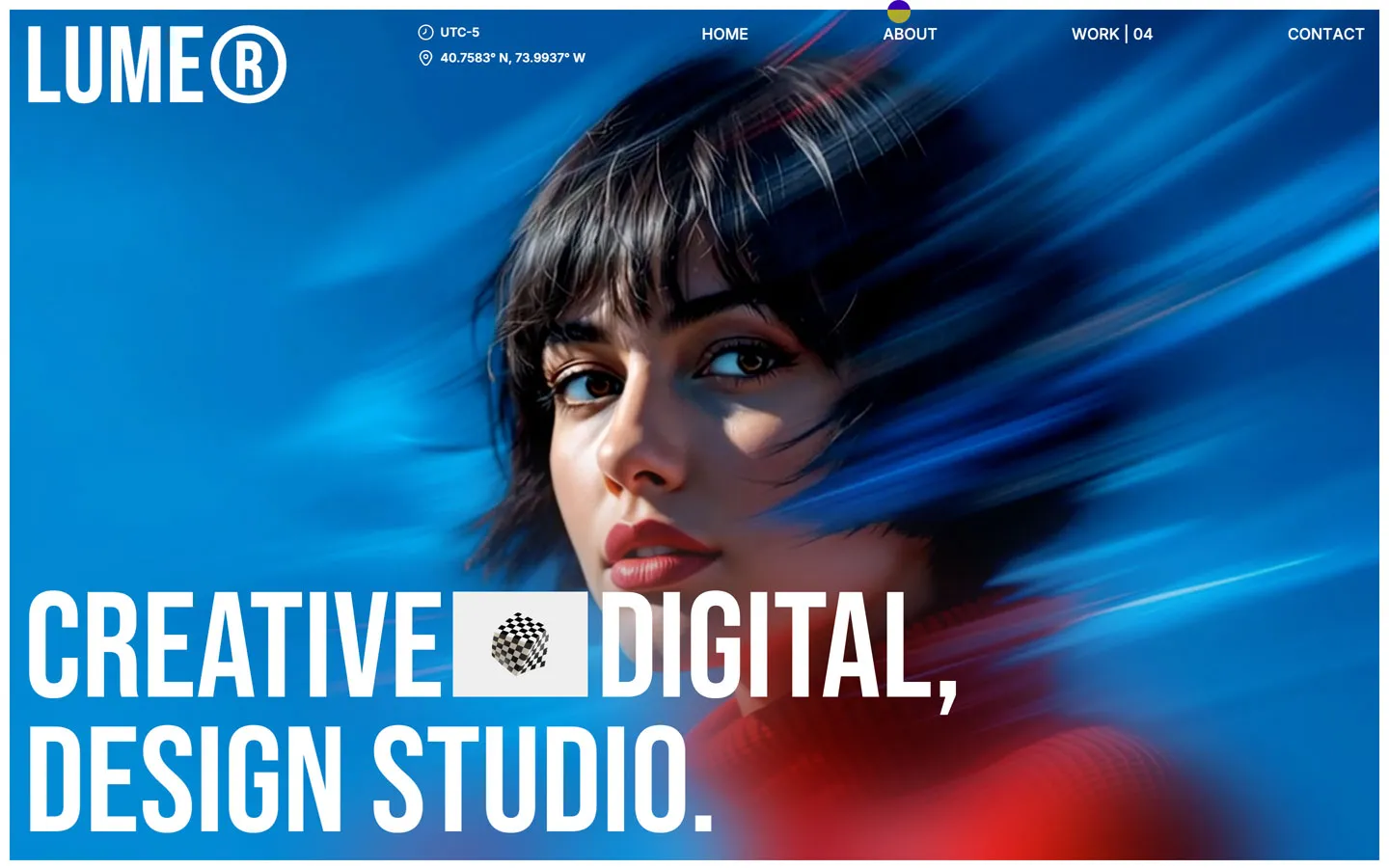

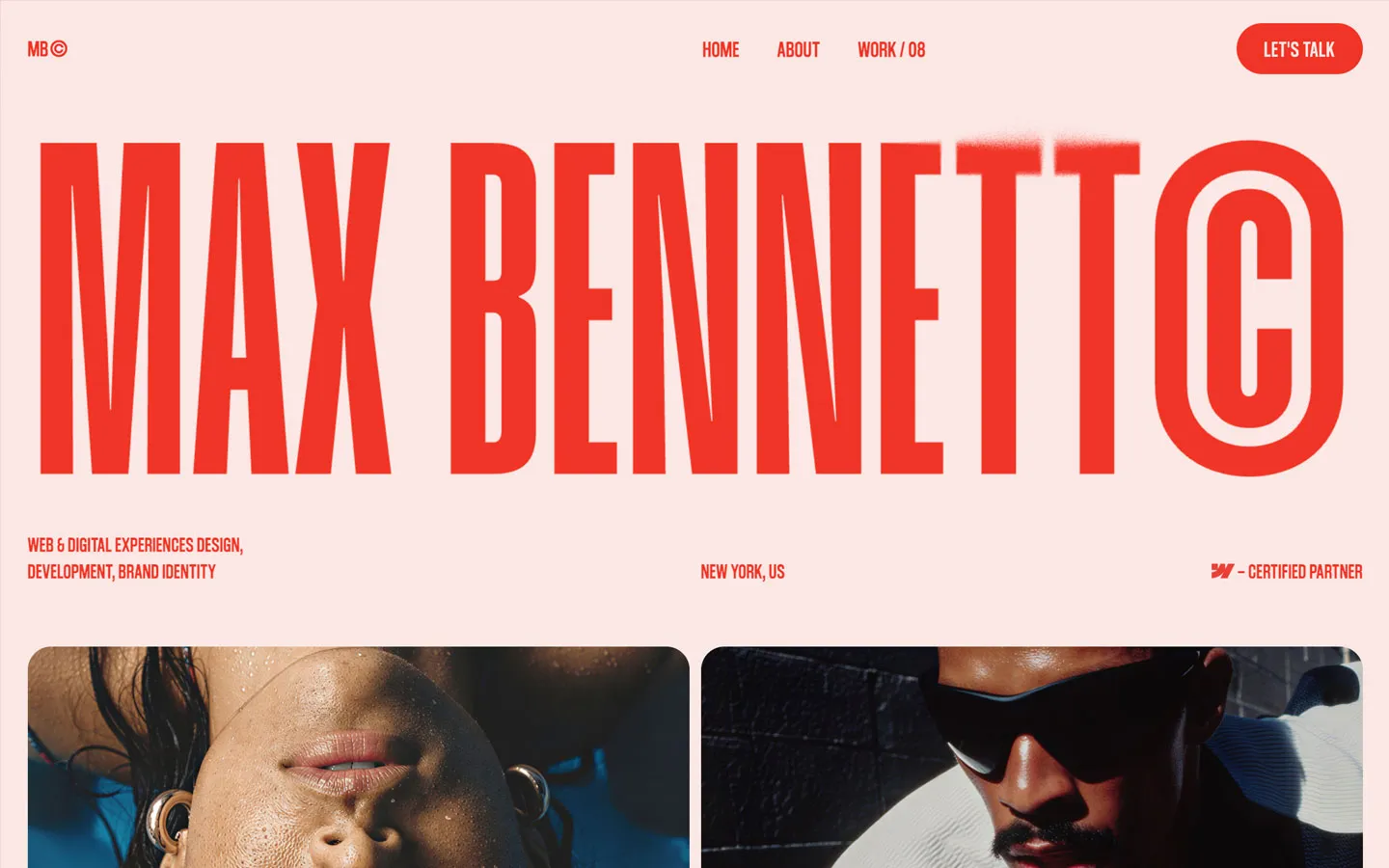


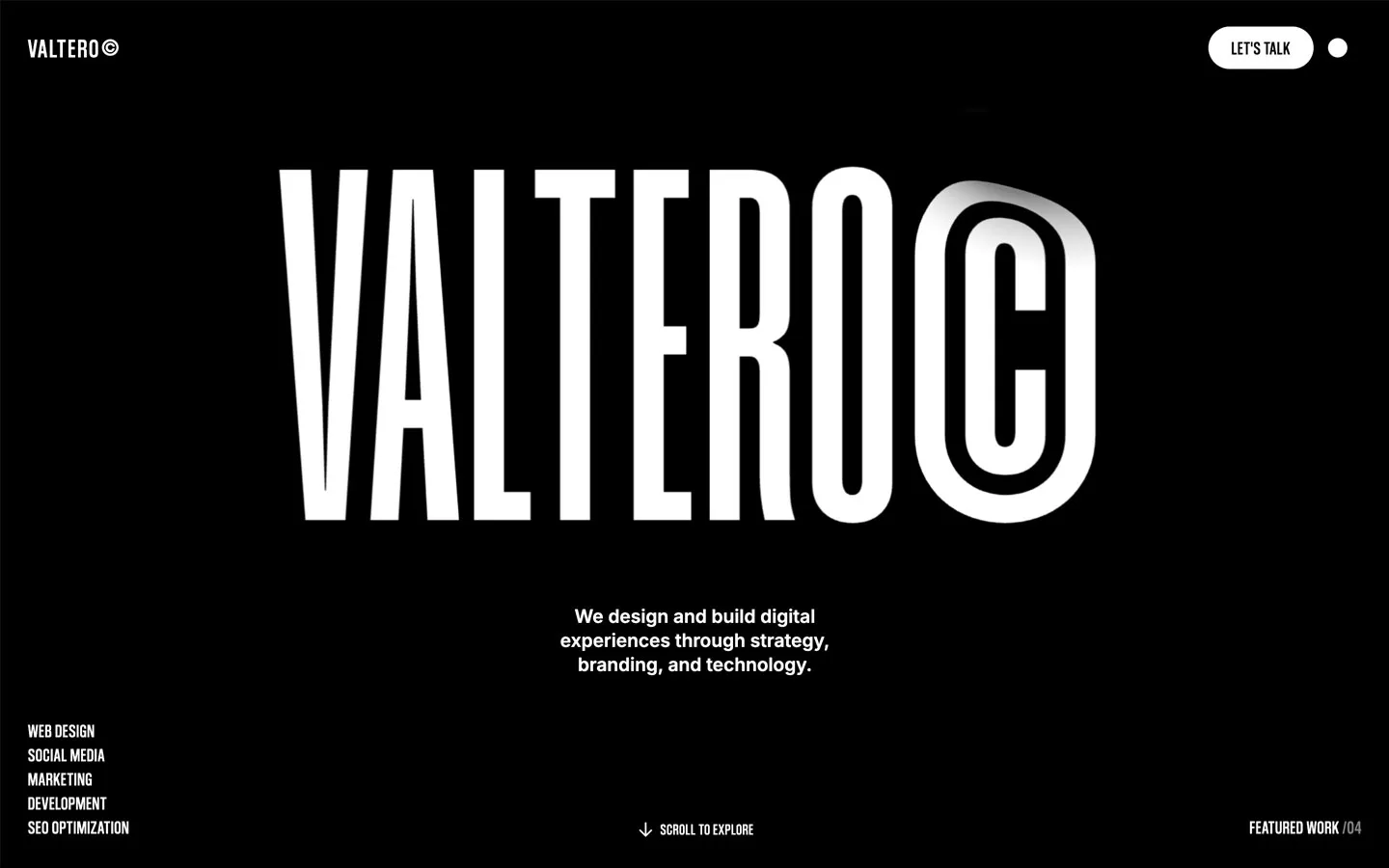



Don’t miss out on our superb, customizable templates designed to enhance your web design experience. We constantly add new templates and components.

Explore stunning Webflow, Framer, HTML5, Next.js and Figma templates designed to spark your next big idea.


*Rest assured that your data is safe with us, and you'll only hear from us 1 time per month.