Compare an on-demand design subscription with a website template library: what each solves, where costs hide, and which workflow fits agencies and repeat projects.

A design subscription and a template library solve different bottlenecks. A subscription gives you ongoing design capacity. A template library gives you reusable starting systems. The faster choice depends on whether your team is missing people or missing a strong foundation.
An on-demand design service is useful when a team has a steady queue of graphics, landing-page concepts, social assets, presentations, or campaign work but does not want to hire another full-time designer.
The value comes from available production capacity. You still need to write briefs, review work, provide feedback, and manage priorities.
A website template library is useful when the team can customize designs internally but wants to avoid rebuilding common structures from a blank canvas.
A strong template can provide responsive groundwork, page structure, reusable components, CMS patterns, and a visual direction. The team then adapts those pieces to the brand and content.
Neither model is automatically faster. A design subscription can become slow when briefs are unclear or every request requires several review rounds. A template can become slow when the selected design does not match the content model and the team spends days forcing it to fit.
Before paying for either, identify the real constraint: production capacity, art direction, development capacity, content, or decision-making.
The two models can complement each other. A template can establish the website architecture while a designer creates custom brand systems, graphics, illustrations, or art direction on top of it.
The important step is making sure the final site does not look like an untouched demo. Templates should reduce production work, not replace brand thinking.
With a design service, clarify who owns the final deliverables and source files. With a template library, read the license carefully: client use, project limits, source redistribution, and post-purchase access can differ.
For Flowmance-specific terms, see the License Agreement and the template licensing guide.
Use a design subscription when the bottleneck is people; use a template library when the bottleneck is repeatedly starting from zero. Agencies with recurring website work often get the most leverage from a reusable template system plus selective custom design.
Explore the current Flowmance All Access library if the template-library model matches your workflow.


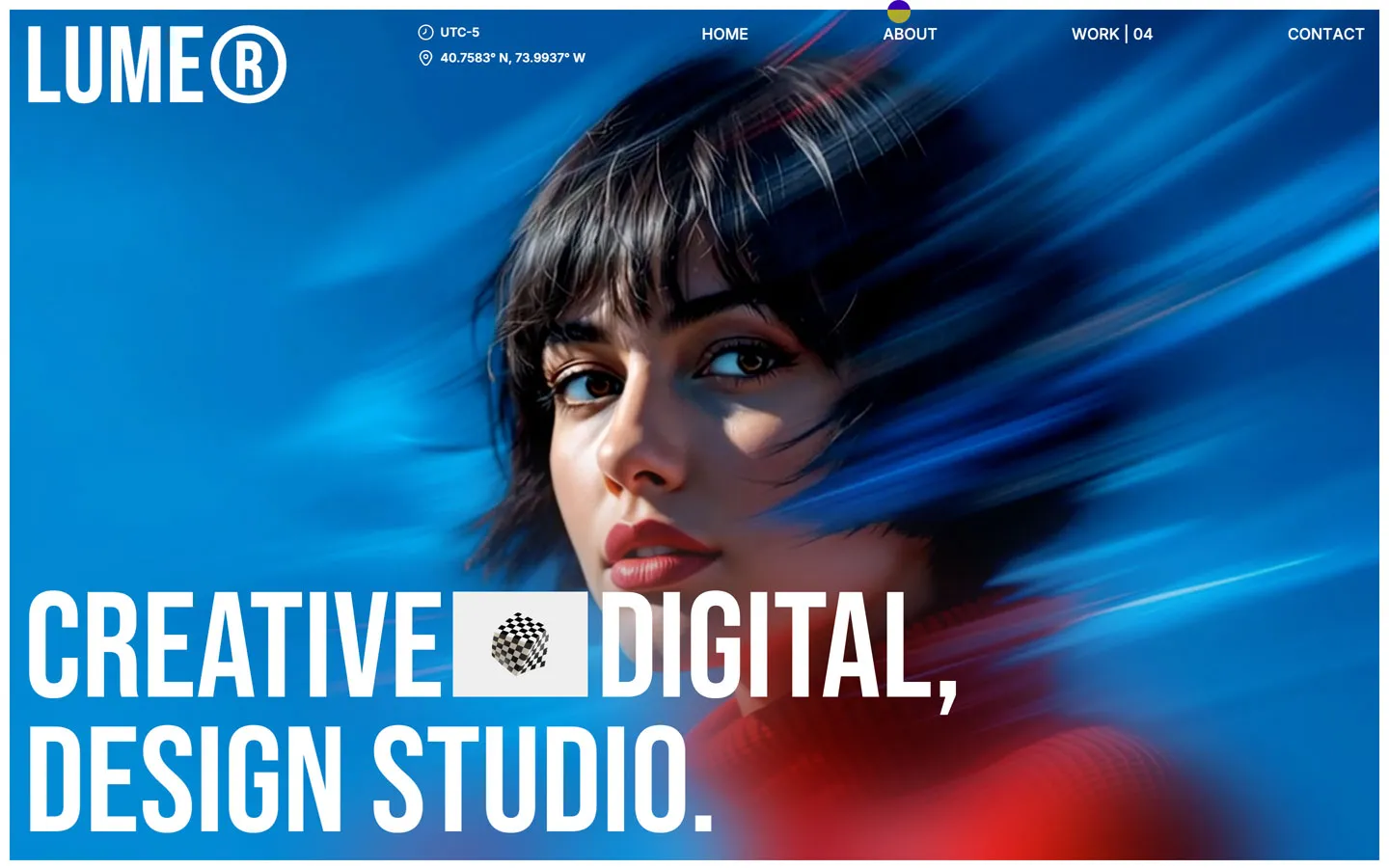
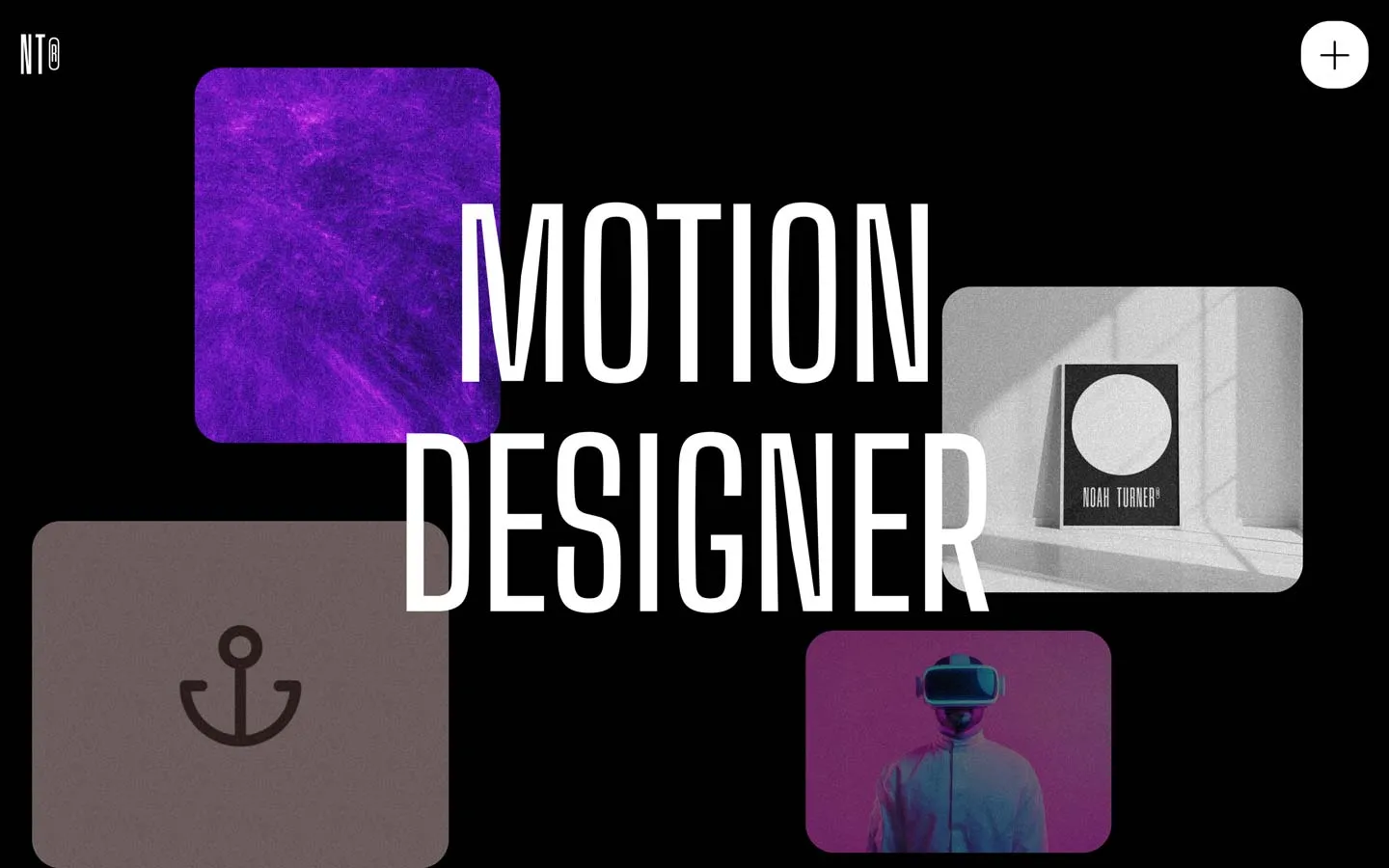
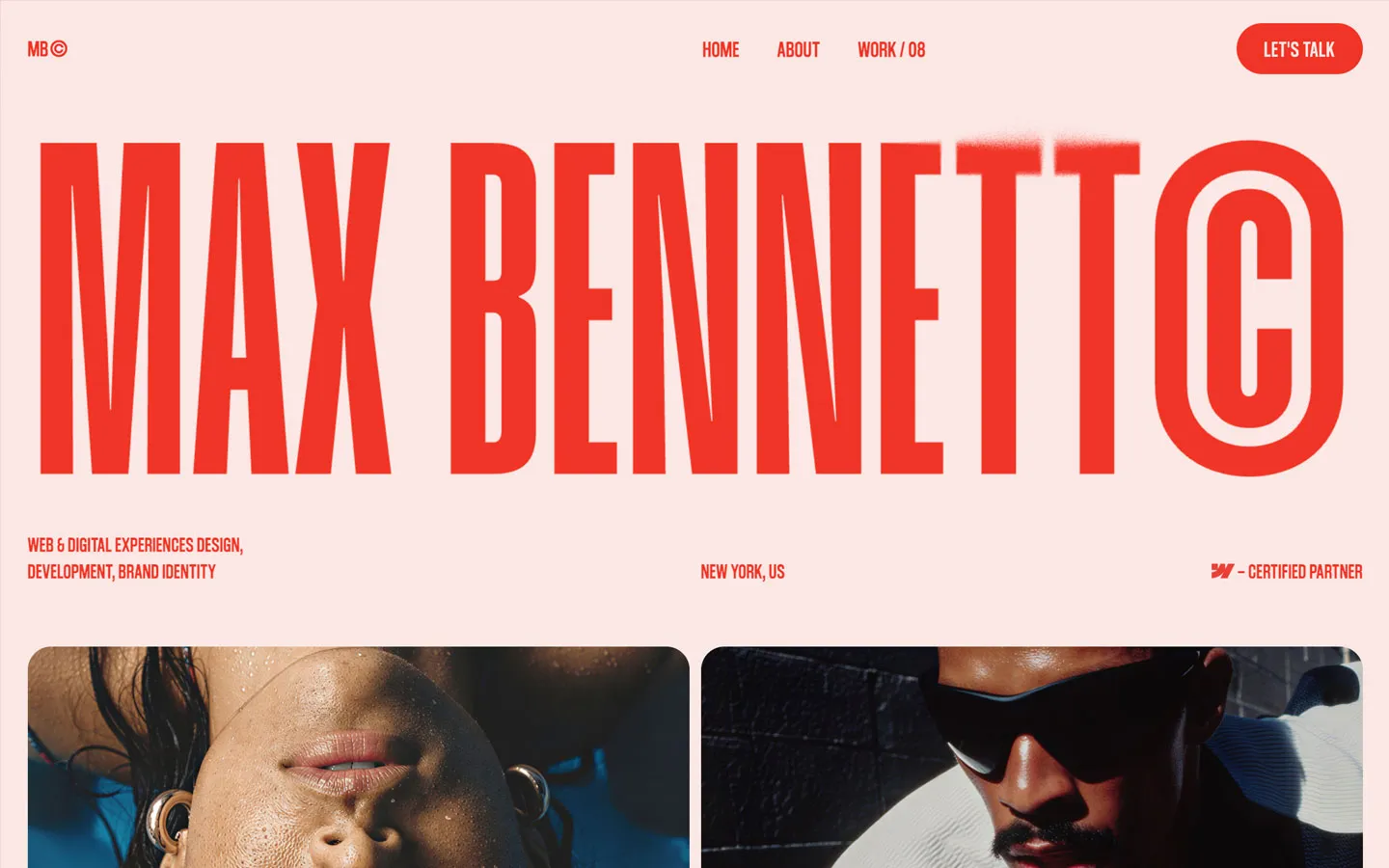


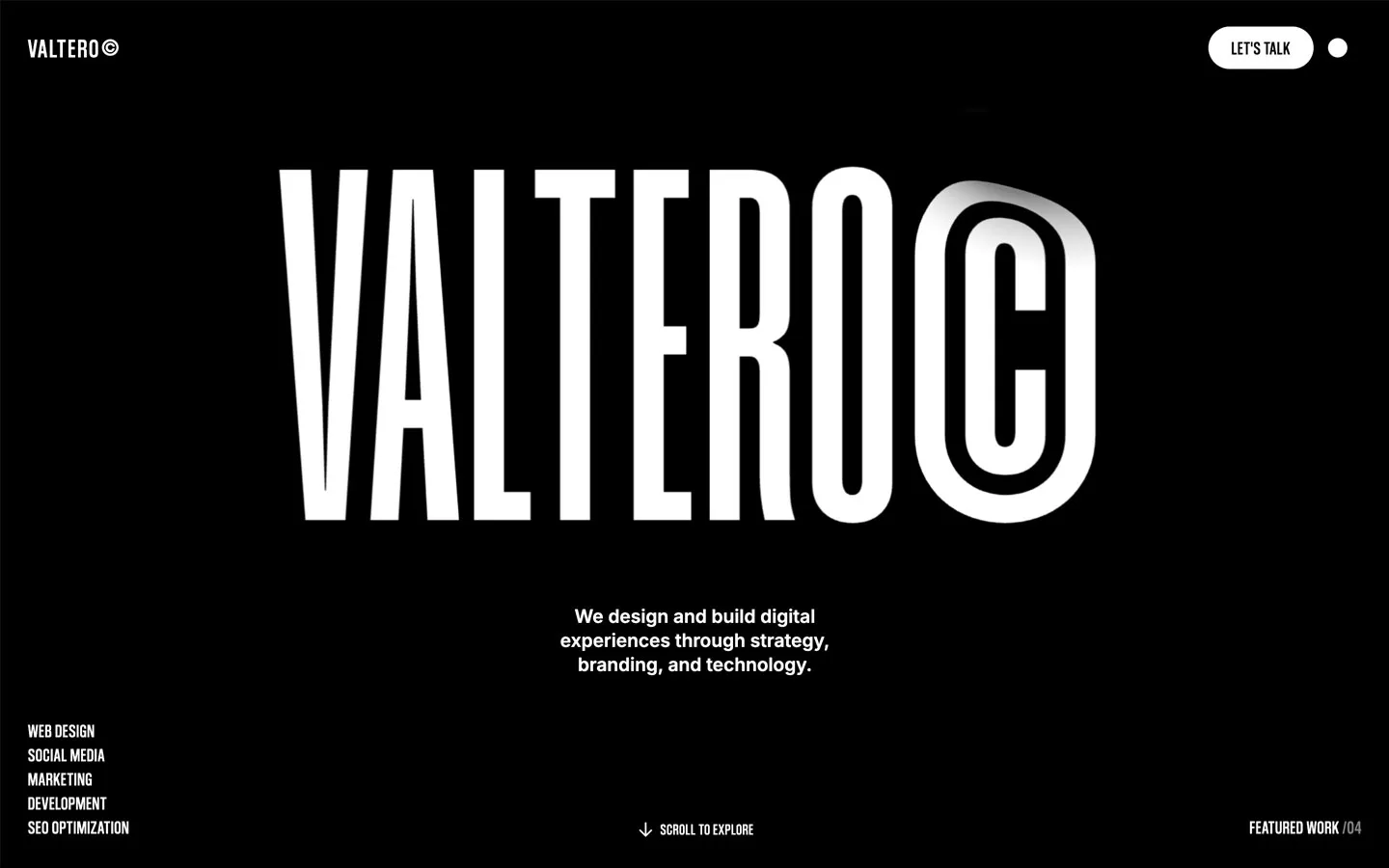


Don’t miss out on our superb, customizable templates designed to enhance your web design experience. We constantly add new templates and components.

Explore stunning Webflow, Framer, HTML5, Next.js and Figma templates designed to spark your next big idea.


*Rest assured that your data is safe with us, and you'll only hear from us 1 time per month.