A professional Webflow template customization starts with the brief, real content, a shared design system, CMS cleanup, correct breakpoint workflow, and launch QA.
Professional template customization is not a sequence of cosmetic changes. It is the process of turning a reusable starting system into a site whose structure, content, brand, CMS, and responsive behavior fit one specific project.
List the pages, content types, conversion goals, integrations, and recurring components before changing the design. The brief decides what remains from the template.
Mark every major page and section. Keep structures that already fit, adapt those with useful bones, and replace anything that costs more to force than to rebuild.
Typography, colors, spacing, buttons, form styles, containers, and common cards should be treated as shared decisions. Changing them globally creates a coherent new direction faster than editing isolated sections.
Use actual or representative copy and imagery before polishing layouts. Real headlines, image ratios, project titles, and navigation labels expose responsive problems much sooner.
Rename fields clearly, remove demo fields and items, and add the content the client needs. A CMS should match the final publishing workflow rather than preserve the template author's demo structure.
Webflow begins at the desktop base breakpoint. Base styles cascade down to tablet and mobile and up to optional larger breakpoints. Build a flexible base first, then add the smallest number of overrides needed.
Do not physically rearrange elements expecting the change to apply only on mobile; use layout controls such as Flexbox ordering or Grid placement instead.
Keep effects that support feedback, hierarchy, or storytelling. Remove motion that does not match the client's tone or creates unnecessary performance cost.
The finished site should inherit the template's useful engineering, not its identity. When structure, content, design system, CMS, and QA are adapted deliberately, a template can save time without making the work feel generic.




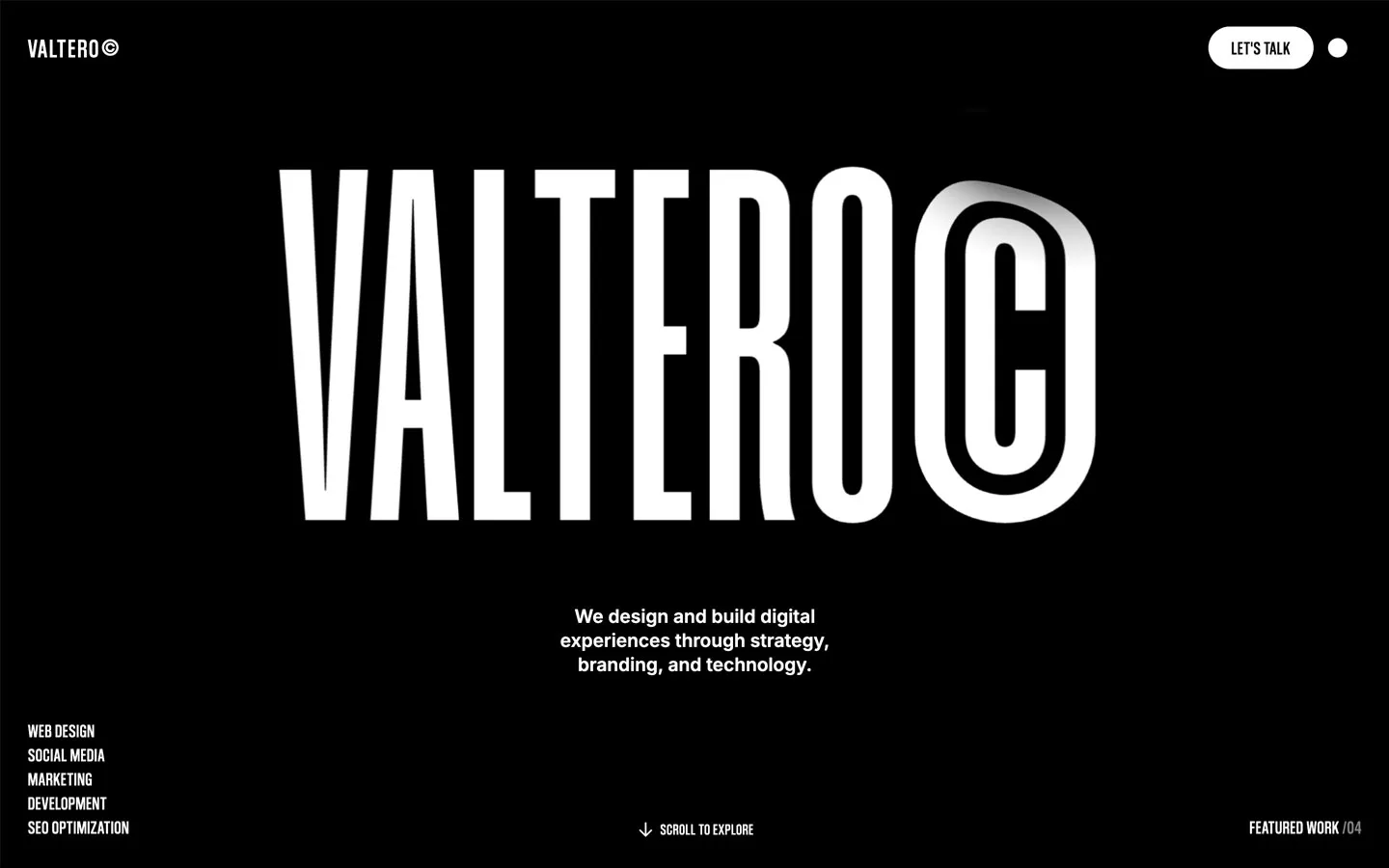
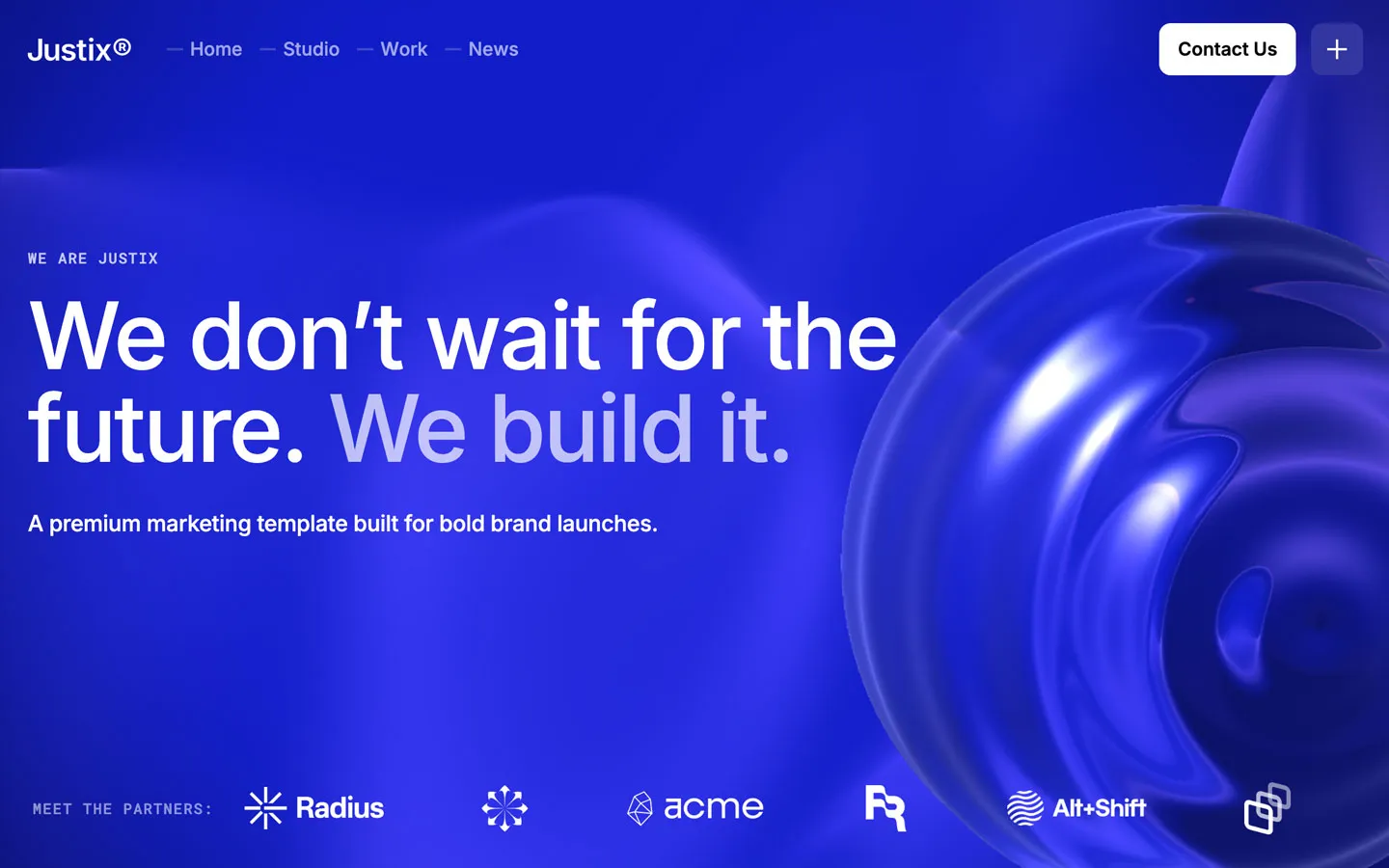


Don’t miss out on our superb, customizable templates designed to enhance your web design experience. We constantly add new templates and components.

Explore stunning Webflow, Framer, HTML5, Next.js and Figma templates designed to spark your next big idea.


*Rest assured that your data is safe with us, and you'll only hear from us 1 time per month.