Non-technical founders can manage a Webflow marketing site effectively by learning content structure, responsive basics, CMS, components, publishing, analytics, and when to involve a specialist.

A non-technical founder does not need to become a front-end developer to use Webflow well, but a small amount of web literacy prevents expensive mistakes. The goal is to understand the system well enough to make safe content and marketing changes—and to recognize when a structural change needs a designer or developer.
Changing a headline, project entry, image, or CMS item is different from changing the structure of a component or responsive layout. Keep routine content work inside predictable fields where possible.
Know which Collections power customer stories, resources, jobs, integrations, team members, or other repeatable content. Learn which fields are required and how new items flow into the live design.
Navigation, footers, CTAs, cards, and recurring sections may be shared components. A change to the main component can affect many pages, so understand the scope before editing the structure.
Webflow begins from a desktop base breakpoint. Visual changes can cascade to smaller or larger breakpoints, while content changes affect the element everywhere. This distinction is worth learning before making design edits.
Before publishing a new page or campaign, confirm the title, meta description, links, form behavior, mobile layout, image alt text, analytics, and the intended URL.
Founders do not need to watch every design metric. Track the actions that matter: qualified forms, trial starts, bookings, purchases, or another meaningful conversion. The website should be connected to the growth questions the company is actually trying to answer.
Bring in a specialist for major information-architecture changes, complex CMS restructuring, custom code, migrations, accessibility remediation, advanced integrations, or a redesign that affects many shared elements.
Webflow can give a non-technical founder meaningful control without making them responsible for every layer of the website. Learn the operating model, keep content workflows structured, and use specialists where system-level changes begin.




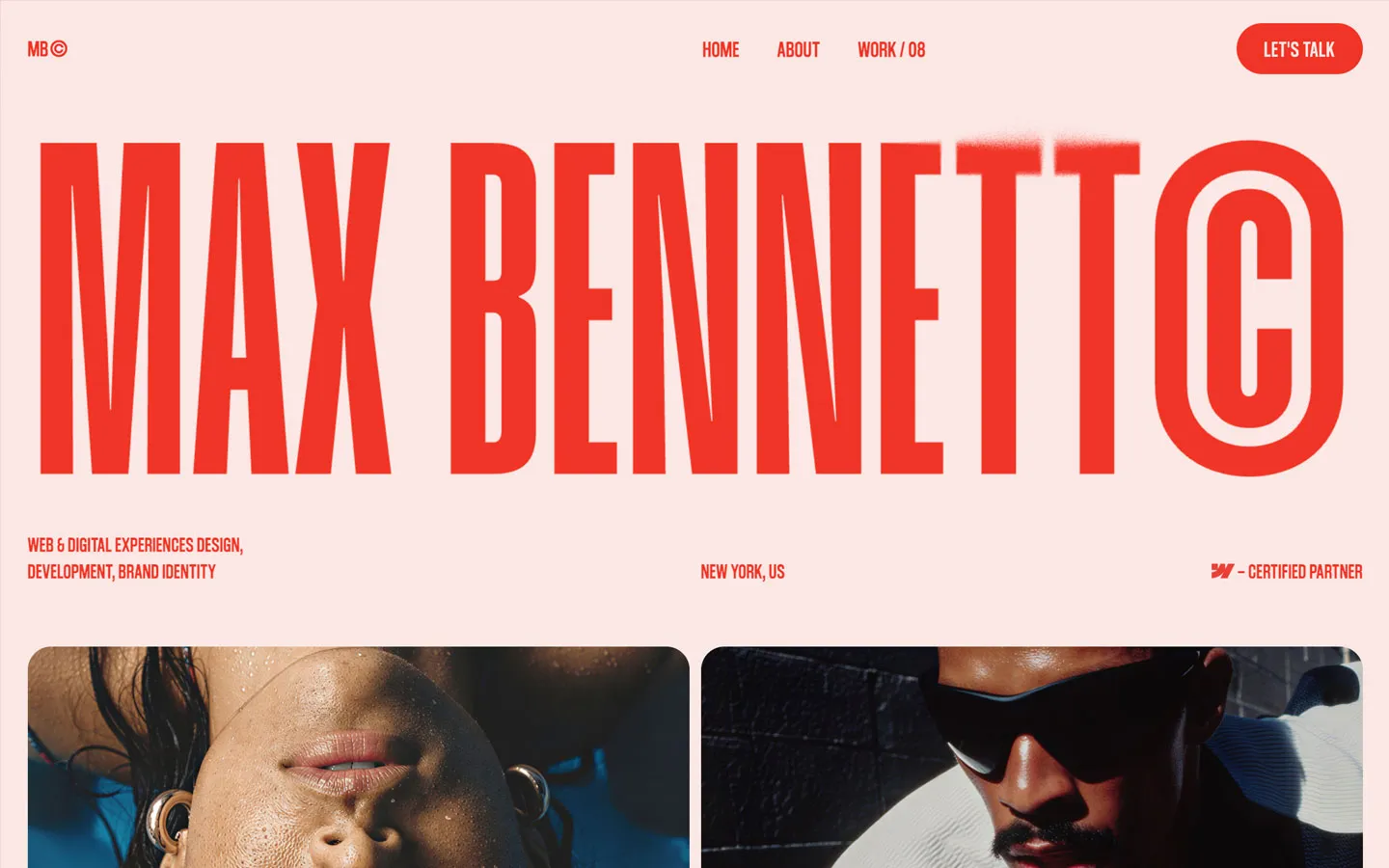


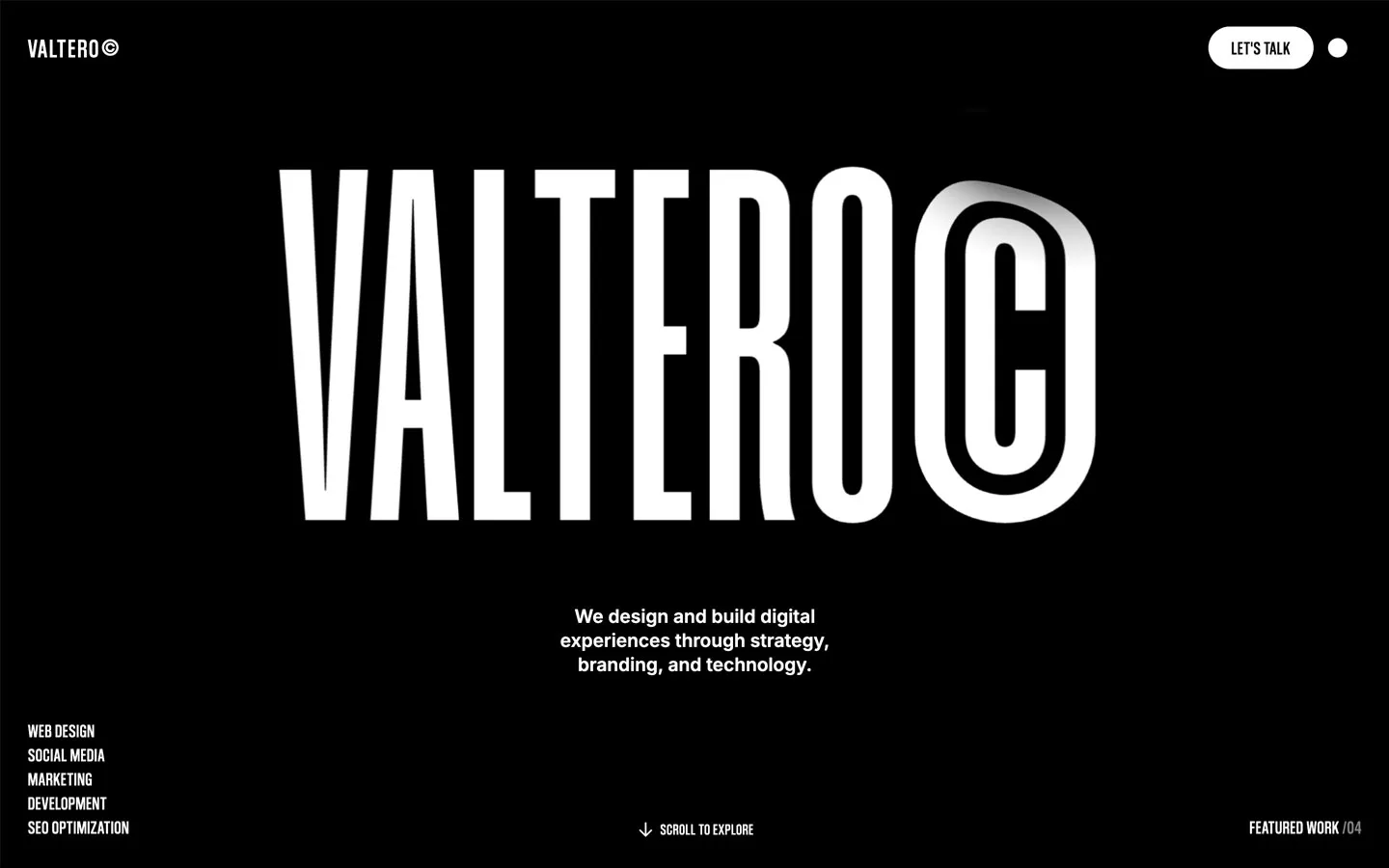
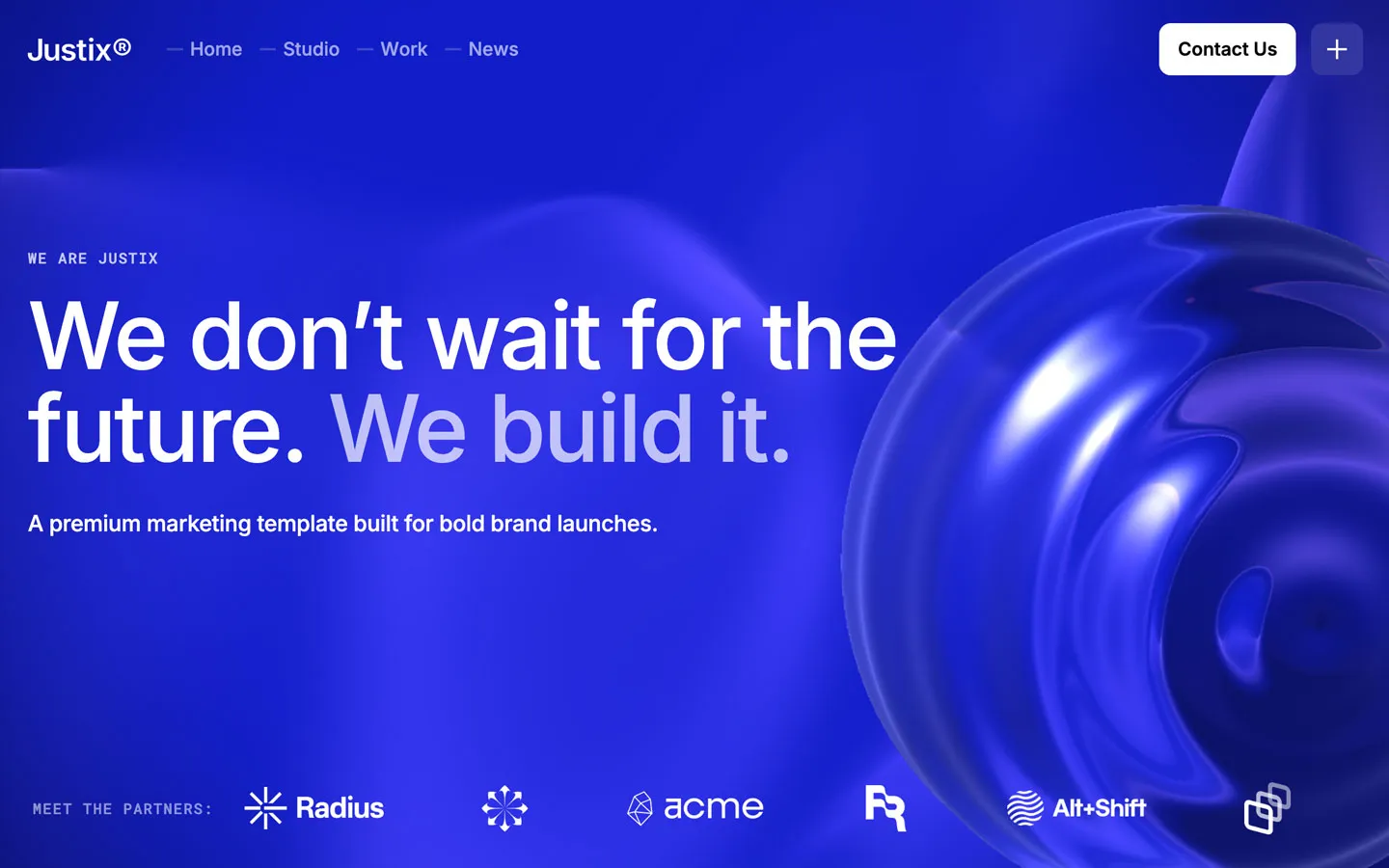


Don’t miss out on our superb, customizable templates designed to enhance your web design experience. We constantly add new templates and components.

Explore stunning Webflow, Framer, HTML5, Next.js and Figma templates designed to spark your next big idea.


*Rest assured that your data is safe with us, and you'll only hear from us 1 time per month.