Webflow can build sophisticated sites visually without writing code, but non-coders still benefit from learning layout, classes, responsive behavior, CMS structure, accessibility, and web basics.
Yes, you can build substantial Webflow websites without writing code—but “no-code” does not mean “no web knowledge.” The best results still depend on understanding layout, structure, responsive behavior, content, and accessibility.
Webflow exposes concepts such as Flexbox, Grid, spacing, positioning, classes, and breakpoints through a visual interface. You can manipulate those systems without typing the underlying code.
Knowing the difference between a flexible layout and a fixed one matters. So do max-widths, overflow, positioning, stacking, and how content changes affect a design.
Random one-off styling makes a site hard to maintain. Understanding reusable classes and a simple design system is one of the biggest steps from experimenting in Webflow to building production work.
Webflow begins from a desktop base breakpoint that cascades to smaller and optional larger breakpoints. Learn that inheritance model before trying to fix every device independently.
Collections and fields are easy to create, but choosing the right content structure requires thought. Decide what repeats, what is optional, and how editors will maintain it after launch.
Semantic headings, alt text, form labels, focus states, metadata, internal links, and sensible page structure still require human decisions.
You may eventually use JavaScript, CSS, APIs, or third-party tools for specialized interactions and integrations. That does not make the visual workflow less useful; it simply means no-code tools can coexist with code when necessary.
Webflow removes the requirement to hand-code many websites, but it does not remove the need to understand how websites work. That is a strength: non-coders can learn the underlying concepts visually and gain more control over the final result.


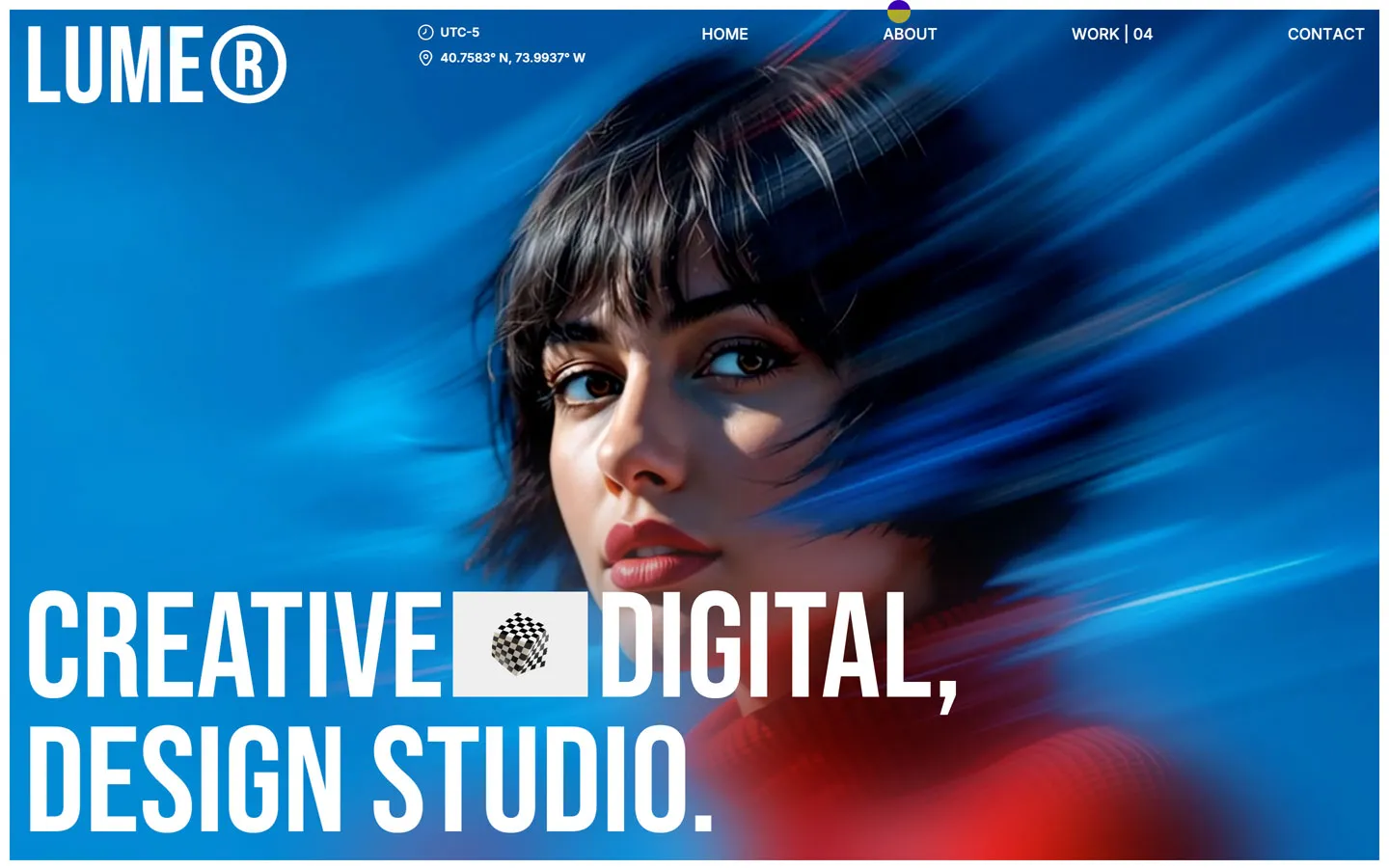
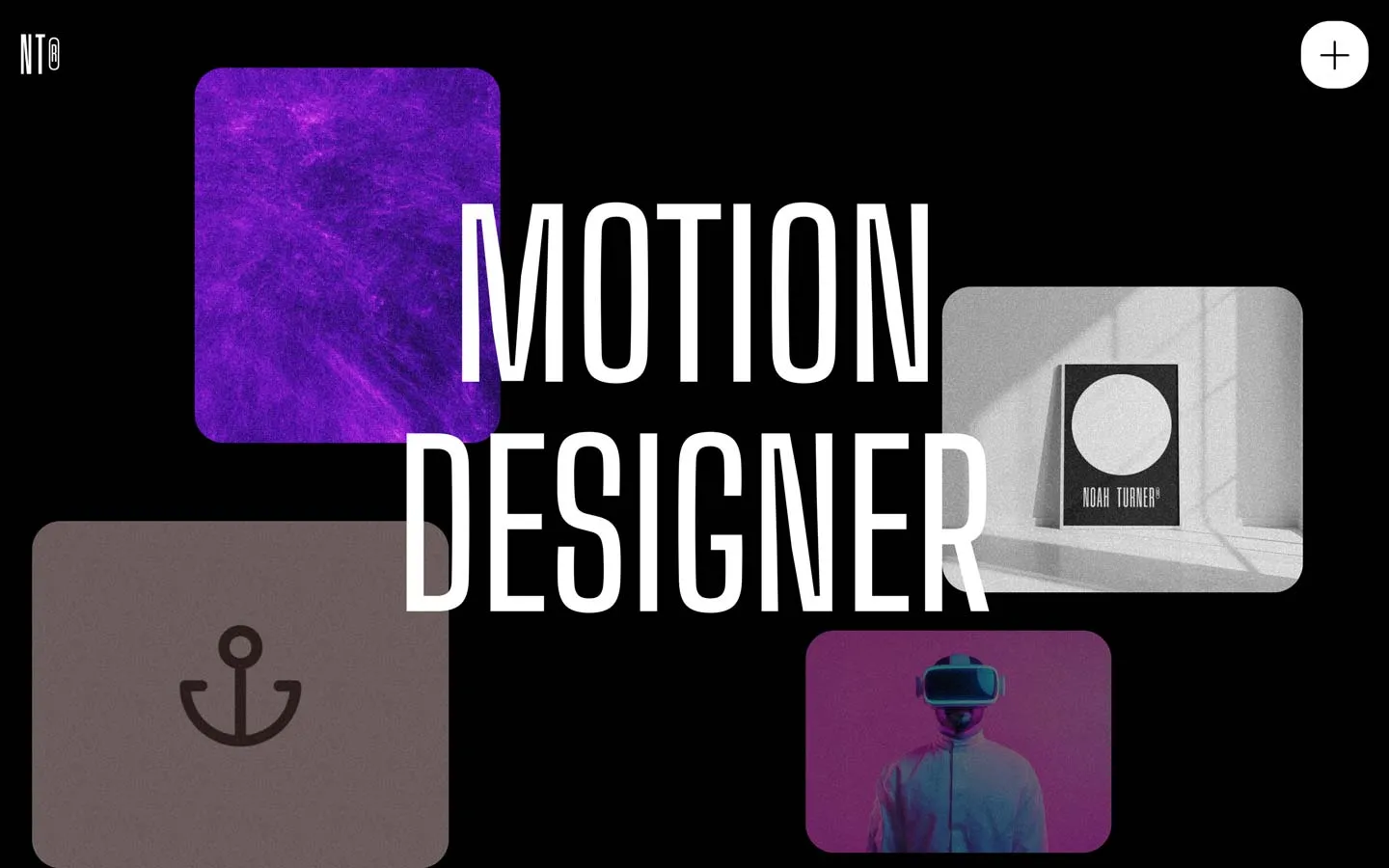
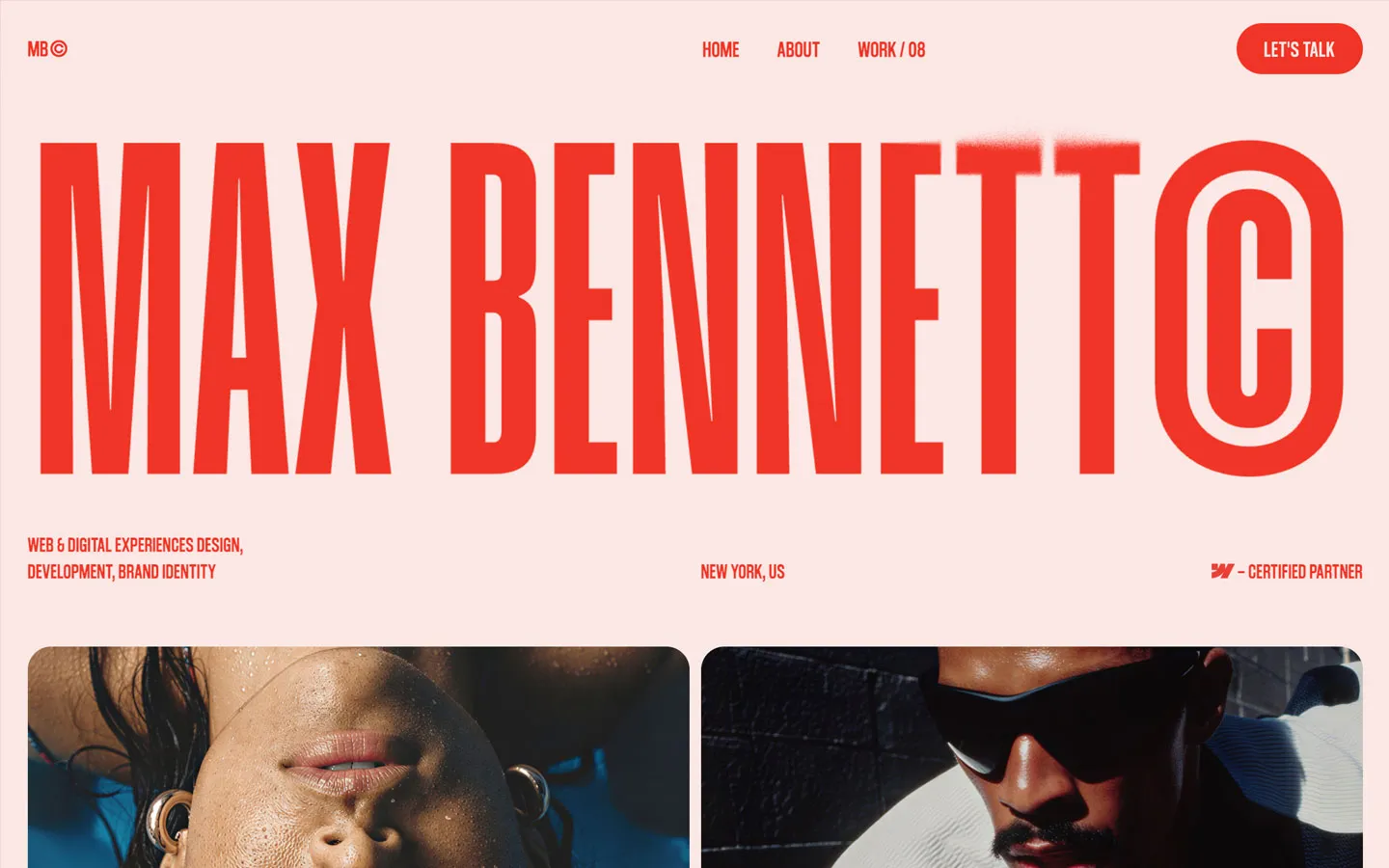


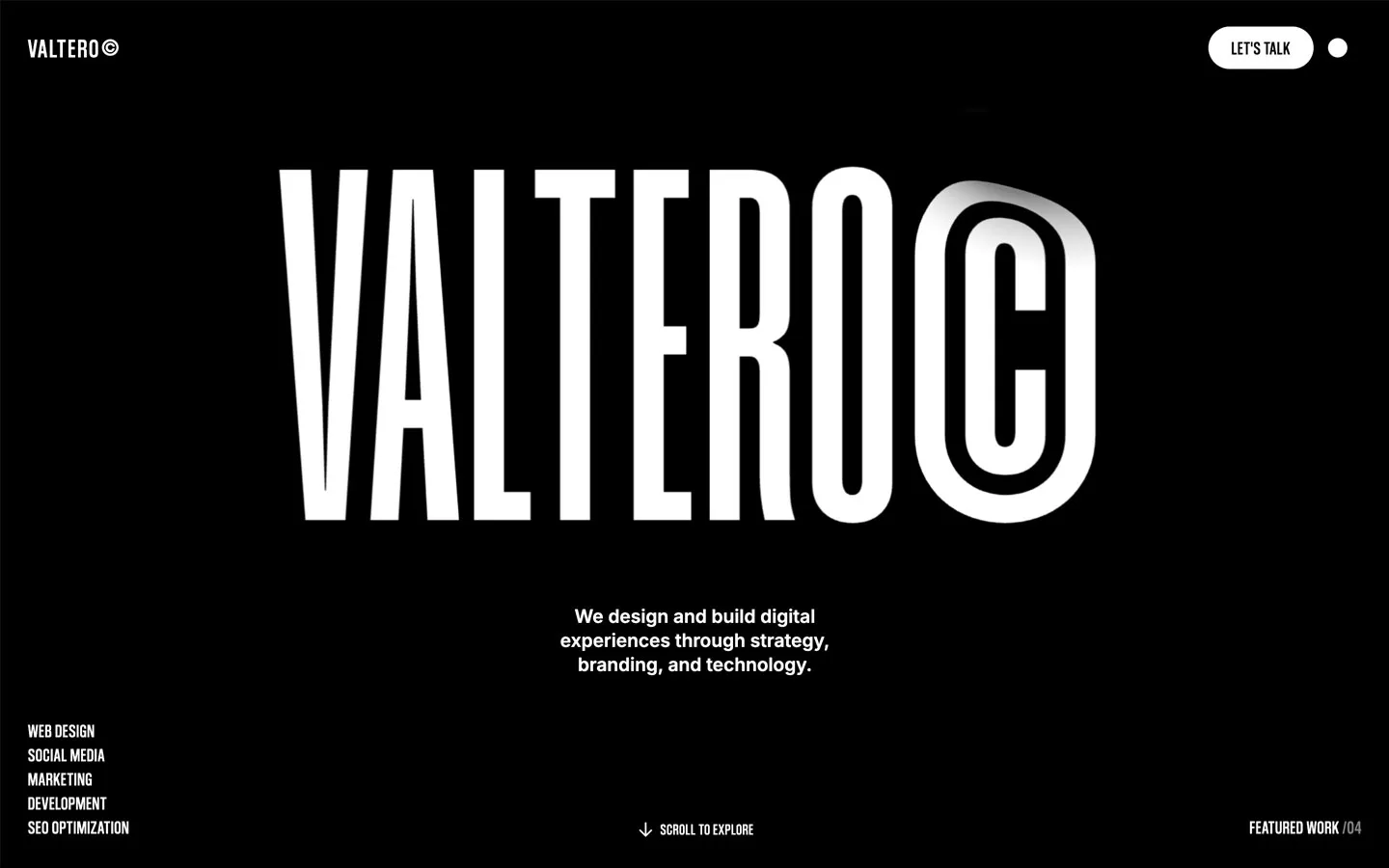
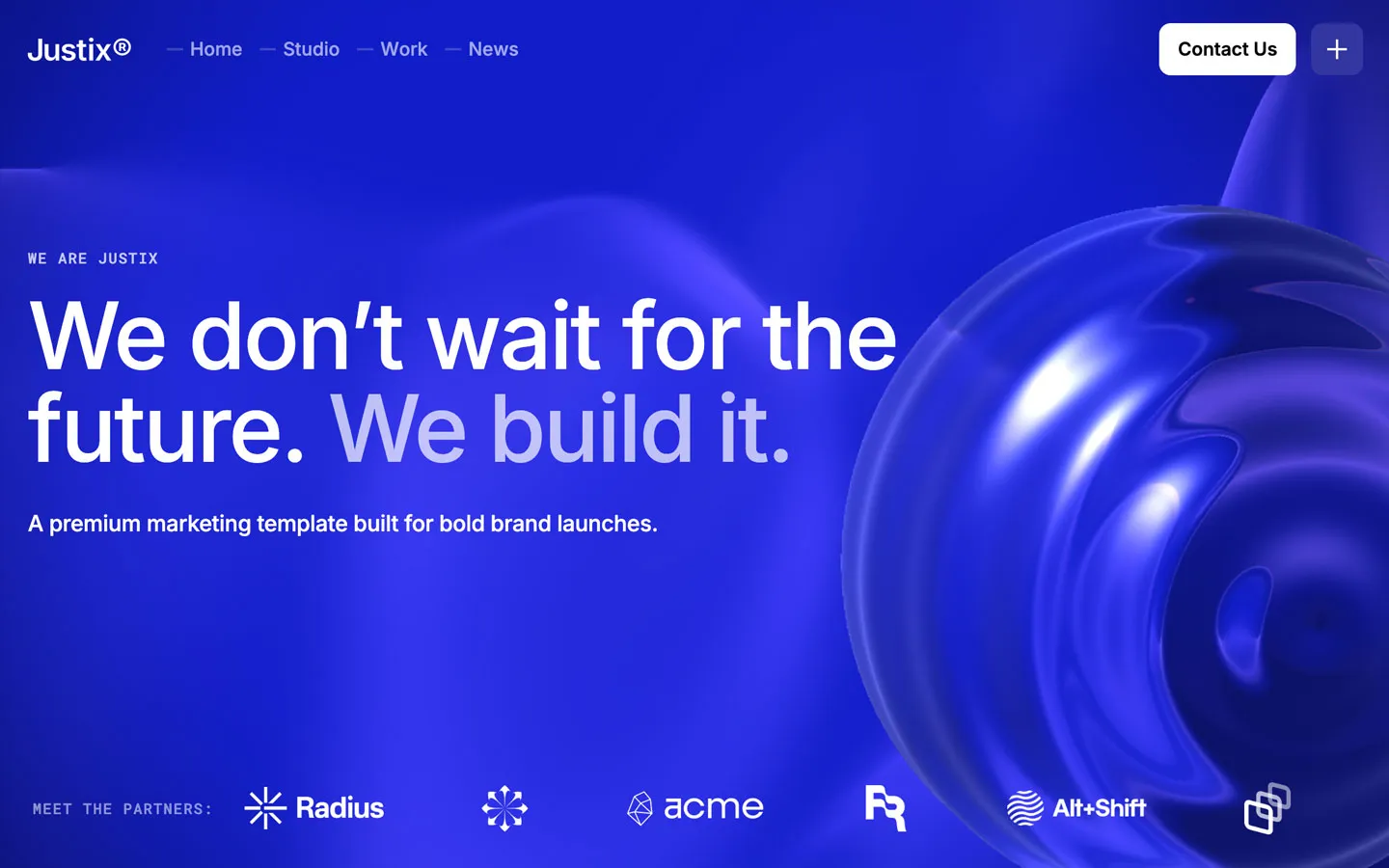


Don’t miss out on our superb, customizable templates designed to enhance your web design experience. We constantly add new templates and components.

Explore stunning Webflow, Framer, HTML5, Next.js and Figma templates designed to spark your next big idea.


*Rest assured that your data is safe with us, and you'll only hear from us 1 time per month.