Standardize Webflow agency delivery with reusable discovery, design systems, CMS models, components, QA, handoff, and template-selection rules without making client sites look identical.

An agency gets more leverage from Webflow when it standardizes the production process, not the final visual identity. Reusable discovery, components, CMS patterns, QA, and handoff can shorten delivery while each client still receives a distinct brand and content system.
Use a repeatable checklist for required pages, content types, integrations, conversion goals, localization, SEO requirements, and client editing needs. Better inputs reduce redesign later.
Containers, accessibility defaults, spacing logic, form behavior, responsive conventions, and utility patterns can be consistent internally without forcing every project to share the same typography or art direction.
When starting from a template, compare page inventory, CMS, component quality, breakpoint behavior, and customization cost. A keep/adapt/replace audit makes selection less subjective.
Projects, resources, team members, locations, services, jobs, or articles should be structured so the client can maintain them safely after handoff. Do not preserve demo fields simply because they came with the starting template.
Navigation, footers, CTAs, cards, and recurring patterns should have predictable rules. Keep one-off editorial compositions simple rather than turning every section into a complex component.
Explain which content the client can edit, which components are shared, how new CMS items are published, and where custom code or integrations live. A clean project is part of the deliverable.
Typography, imagery, messaging, page hierarchy, motion, proof, and conversion strategy should respond to the client's positioning. Standardization should remove repeated production work, not erase differentiation.
The most scalable agency Webflow workflow is standardized underneath and customized on the surface. Reuse the process and engineering; redesign the parts customers actually experience.
For the broader platform decision, see Is Webflow Right for Your Agency in 2026?


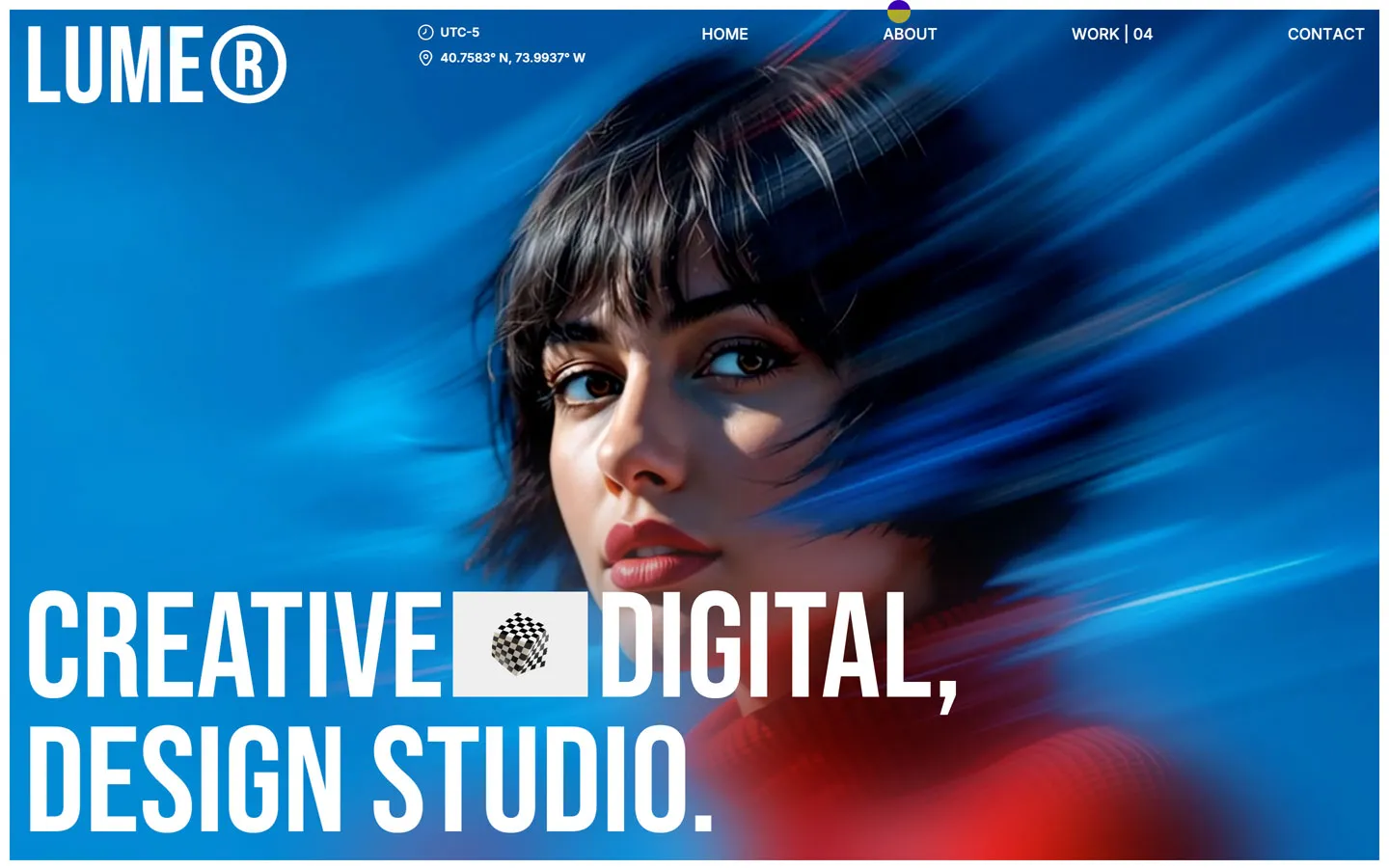
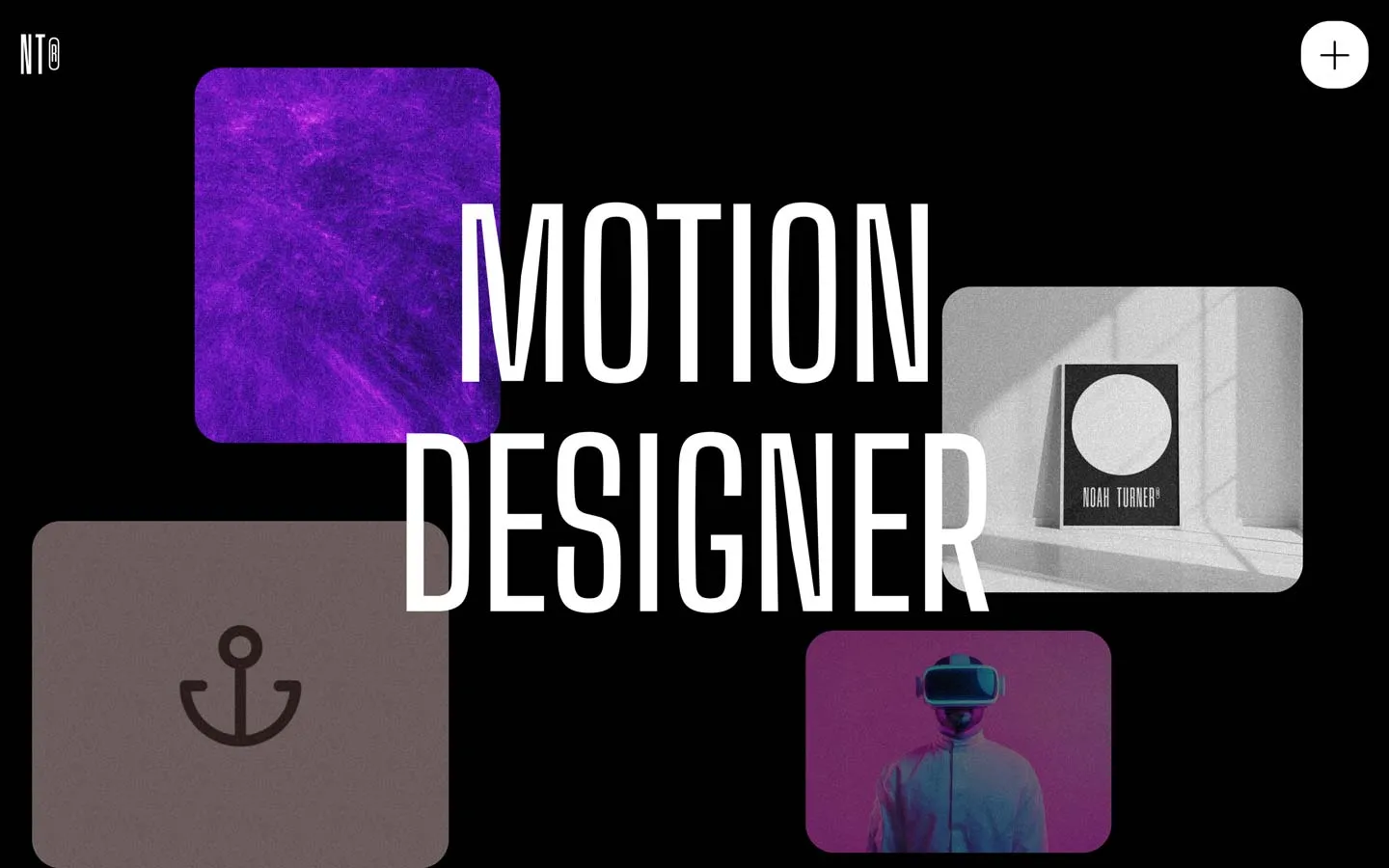
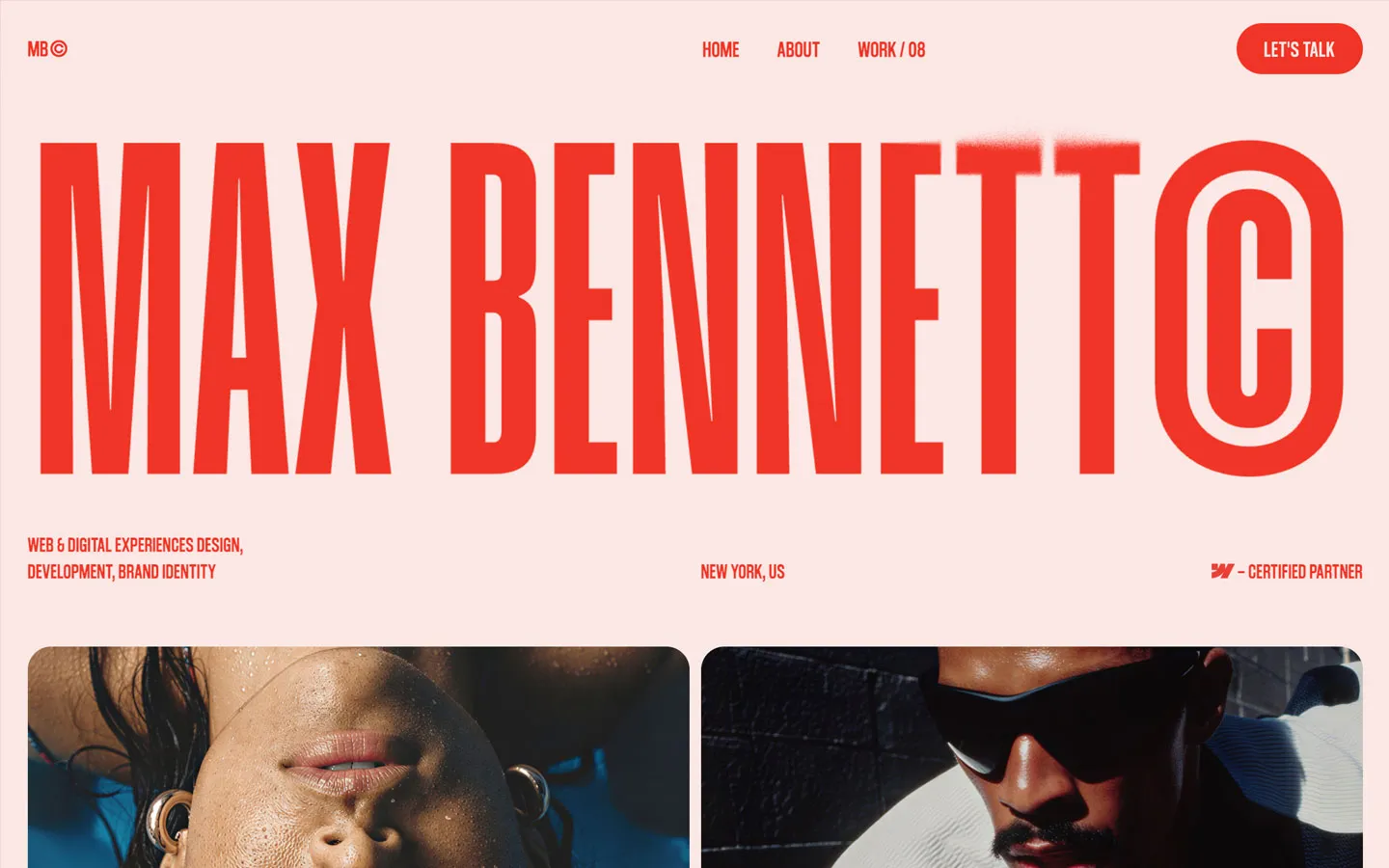


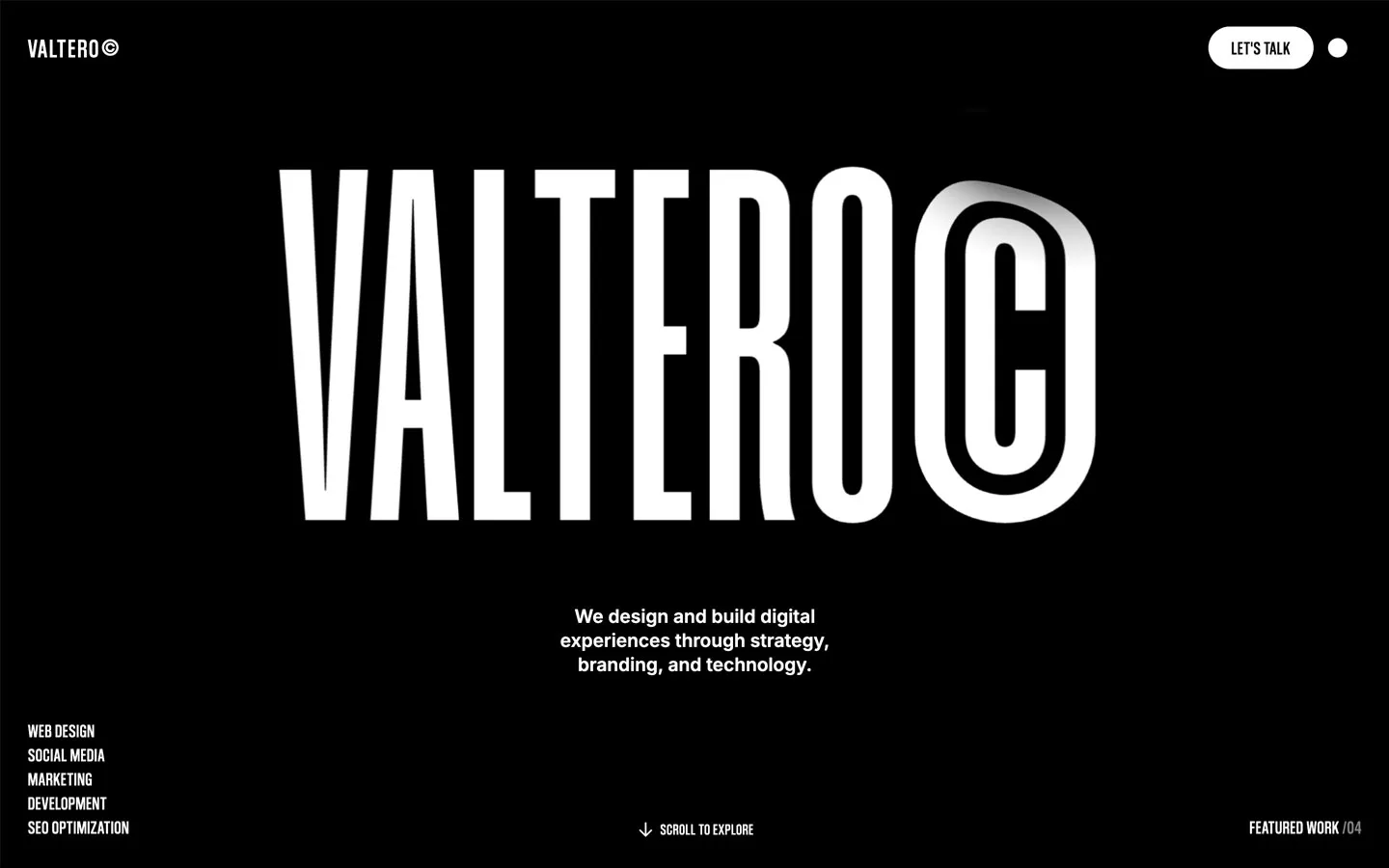


Don’t miss out on our superb, customizable templates designed to enhance your web design experience. We constantly add new templates and components.

Explore stunning Webflow, Framer, HTML5, Next.js and Figma templates designed to spark your next big idea.


*Rest assured that your data is safe with us, and you'll only hear from us 1 time per month.