Webflow fits agencies that value visual control, reusable systems, CMS, and marketing-team handoff. Evaluate project type, team skills, integrations, and client maintenance first.

Webflow is a strong agency platform when the team repeatedly builds design-led marketing sites and wants designers to stay close to production. It is less compelling when most projects depend on application logic, specialized backend systems, or platform-specific plugins.
Agencies building portfolios, SaaS sites, professional services, editorial sites, campaigns, and brand websites can reuse internal design systems, components, CMS patterns, and QA processes across projects.
Because layout, responsive styling, CMS templates, and interactions live in the same visual environment, the gap between a static design handoff and implementation can be smaller.
Do not assume every client should edit every part of the site. Decide which content will be CMS-driven, which components need controlled properties, and which structural areas should remain protected from routine content work.
A reusable starting point can reduce time spent on common page structures and responsive groundwork. The agency still needs to customize typography, content hierarchy, imagery, CMS, and interactions enough that the final work belongs to the client.
Review licensing before using any third-party template across client projects. Flowmance-specific terms are available in the License Agreement.
CRM, forms, analytics, localization, authentication, search, ecommerce, scheduling, and custom data needs can affect whether Webflow is the right production environment for a specific client.
Webflow can be an excellent agency standard when the project mix matches its strengths and the team treats it as a production system rather than just a visual builder.
For agency starting points, browse current Webflow templates and the broader Flowmance All Access library.


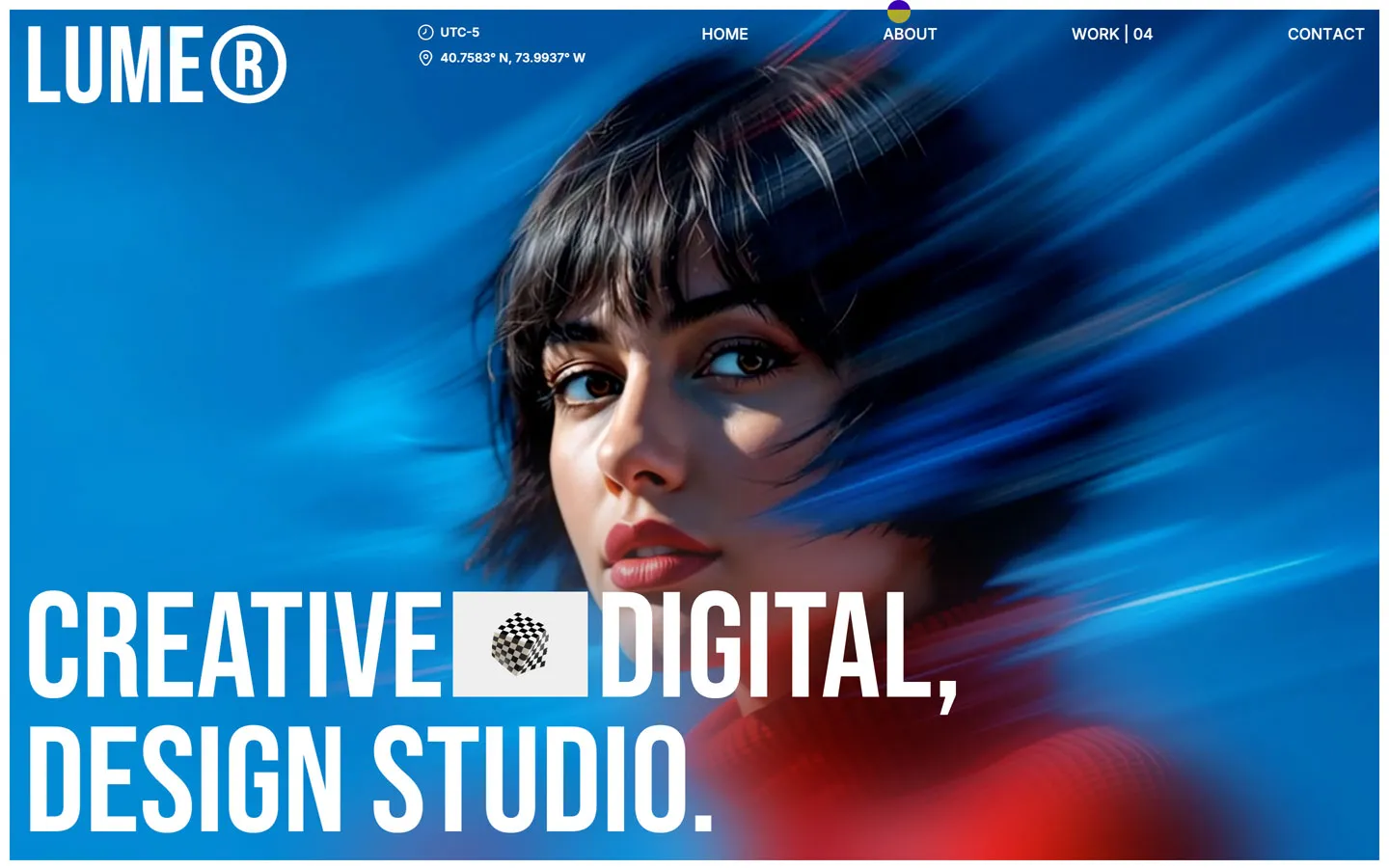
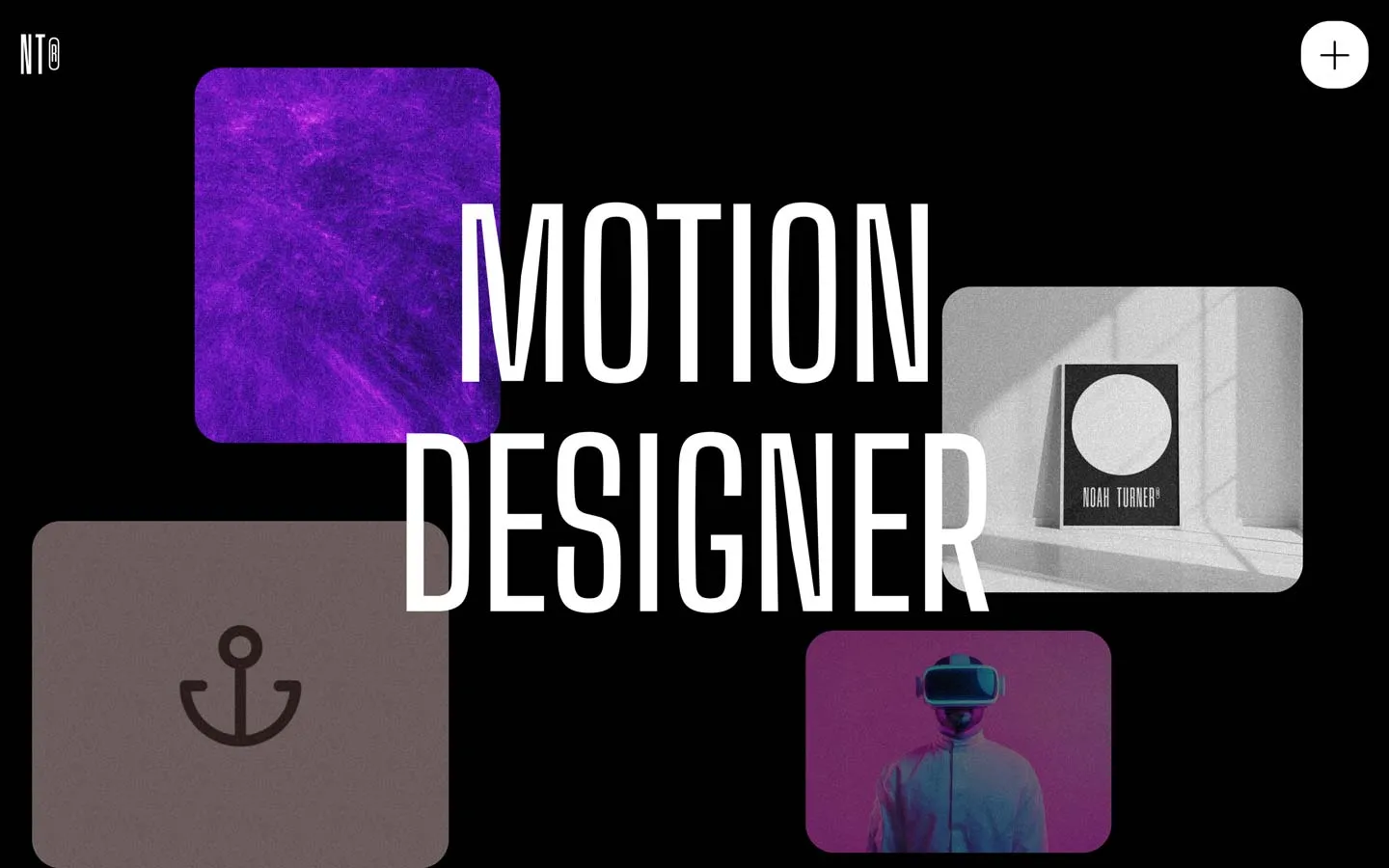
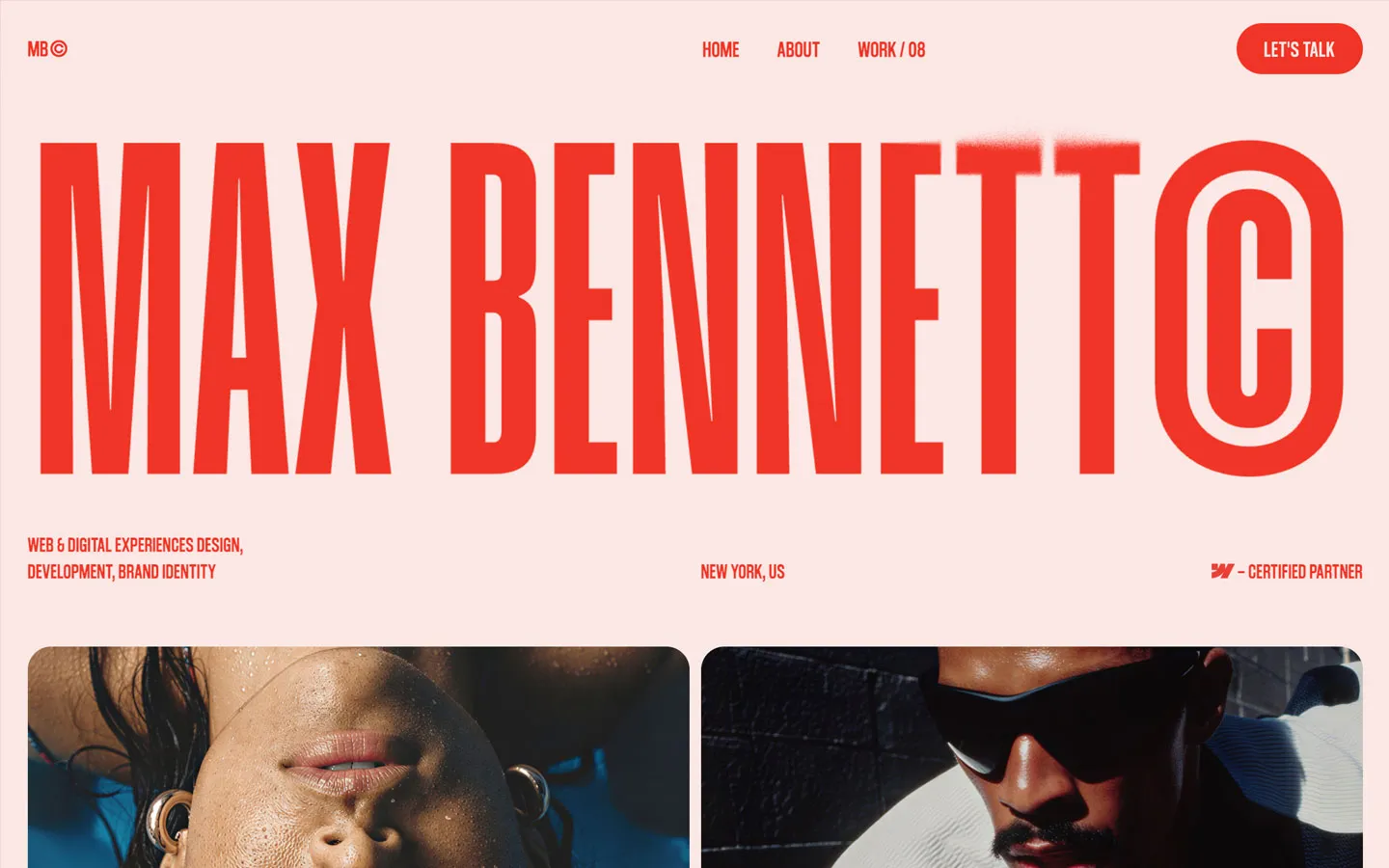


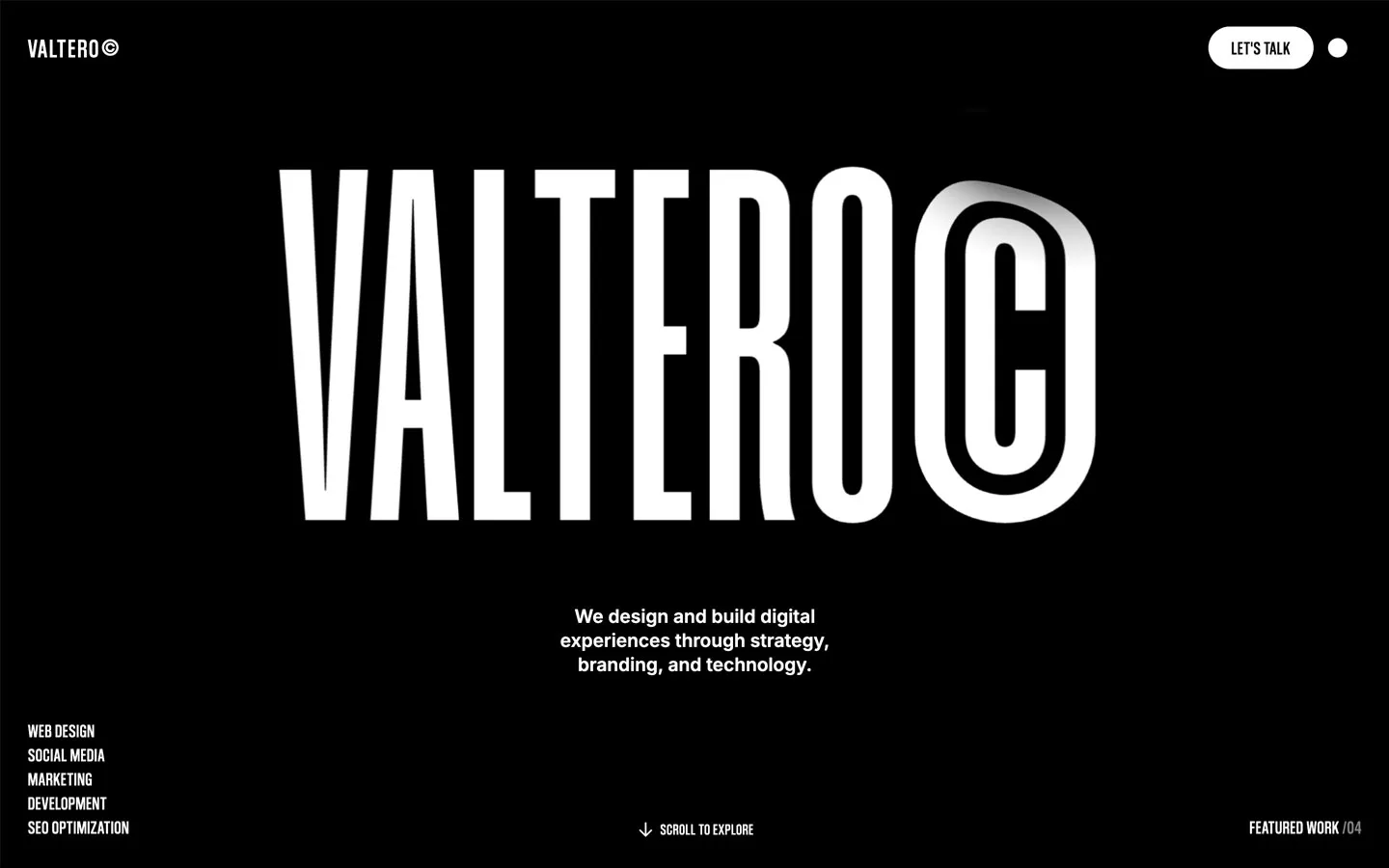


Don’t miss out on our superb, customizable templates designed to enhance your web design experience. We constantly add new templates and components.

Explore stunning Webflow, Framer, HTML5, Next.js and Figma templates designed to spark your next big idea.


*Rest assured that your data is safe with us, and you'll only hear from us 1 time per month.