Advanced Webflow work is less about flashy effects and more about scalable CMS, components, custom code, interactions, responsive systems, and clean architecture.
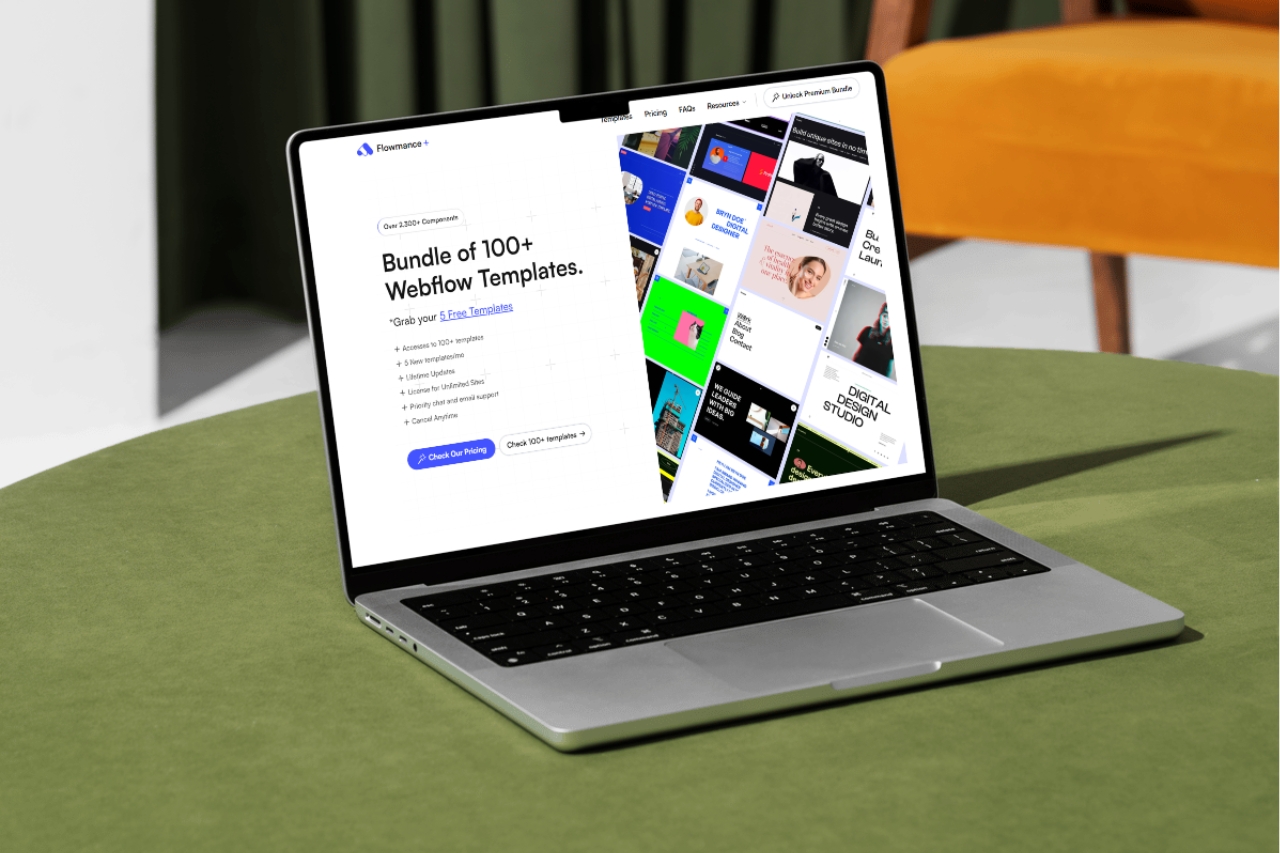
Advanced Webflow work is about making complexity maintainable. A site is not advanced because it has more animation; it is advanced when the design, CMS, code, and responsive behavior can grow without becoming fragile.
Define projects, services, locations, resources, authors, or other repeated content first. Good field structure makes templates easier to design and future publishing easier to maintain.
Navigation, footers, CTAs, cards, pricing patterns, and other repeated elements should share a clear component strategy. Reuse reduces visual drift and makes site-wide changes safer.
Use Grid, Flexbox, max-width, relative sizing, and sensible content constraints so the base layout adapts naturally. Breakpoints should solve meaningful composition changes rather than patch every width.
Add custom HTML, CSS, or JavaScript only when it solves a real need. Keep page-specific code off pages that do not need it, document dependencies, and test third-party scripts after publishing.
Reuse interaction patterns and decide what motion is for: feedback, hierarchy, storytelling, or orientation. Remove animation that adds complexity without improving the experience.
Variables, shared classes, and consistent typography and spacing rules make large sites easier to change. Advanced production is often less about adding more styles and more about needing fewer.
Heavy media, scripts, embeds, and interactions accumulate during production. Test the live site with real content rather than assuming the template's original performance will remain unchanged.
Clear naming, organized CMS fields, reusable patterns, and limited custom-code surprises make handoff much easier for the next person.
For a starting foundation, explore current Flowmance Webflow templates.


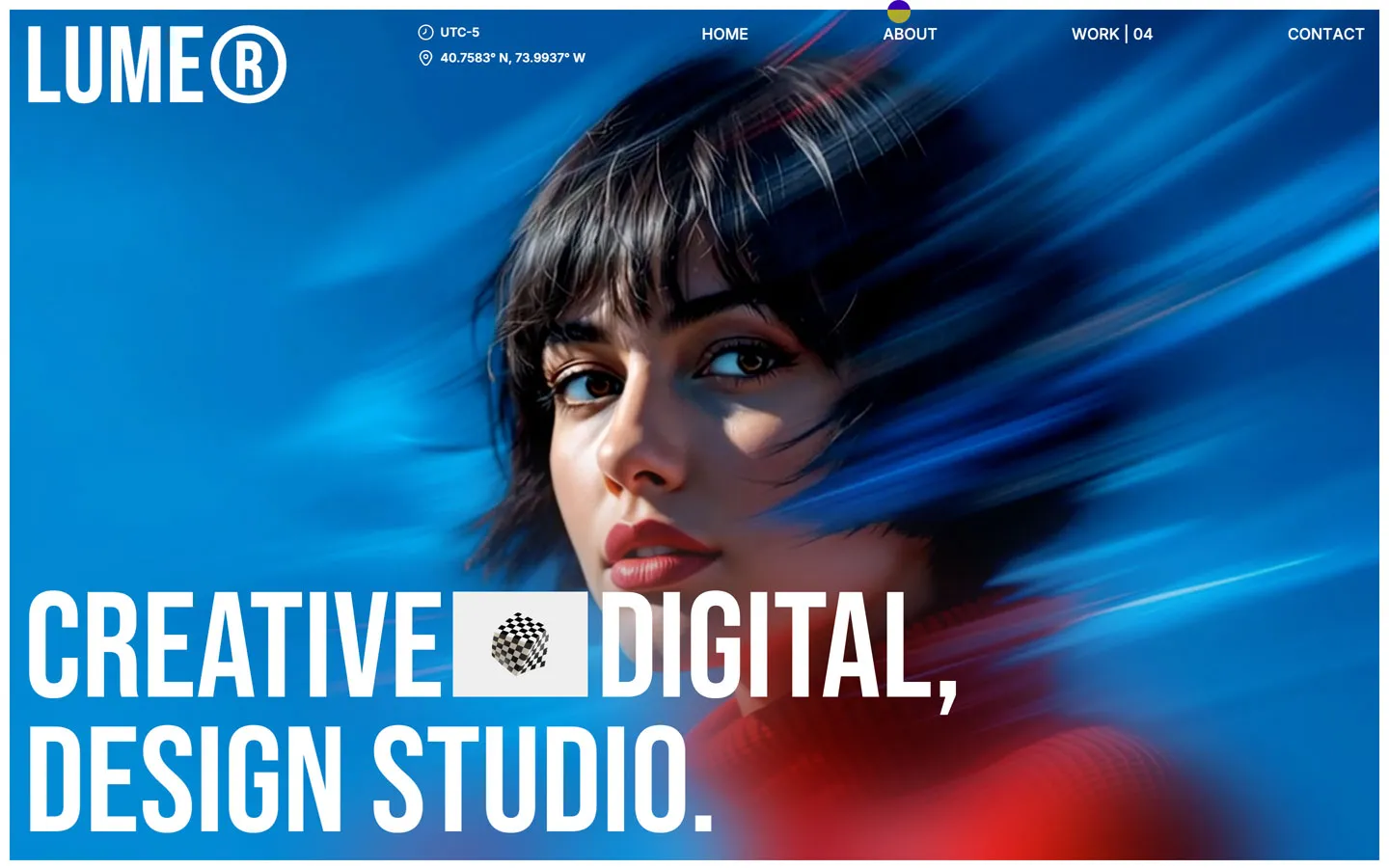
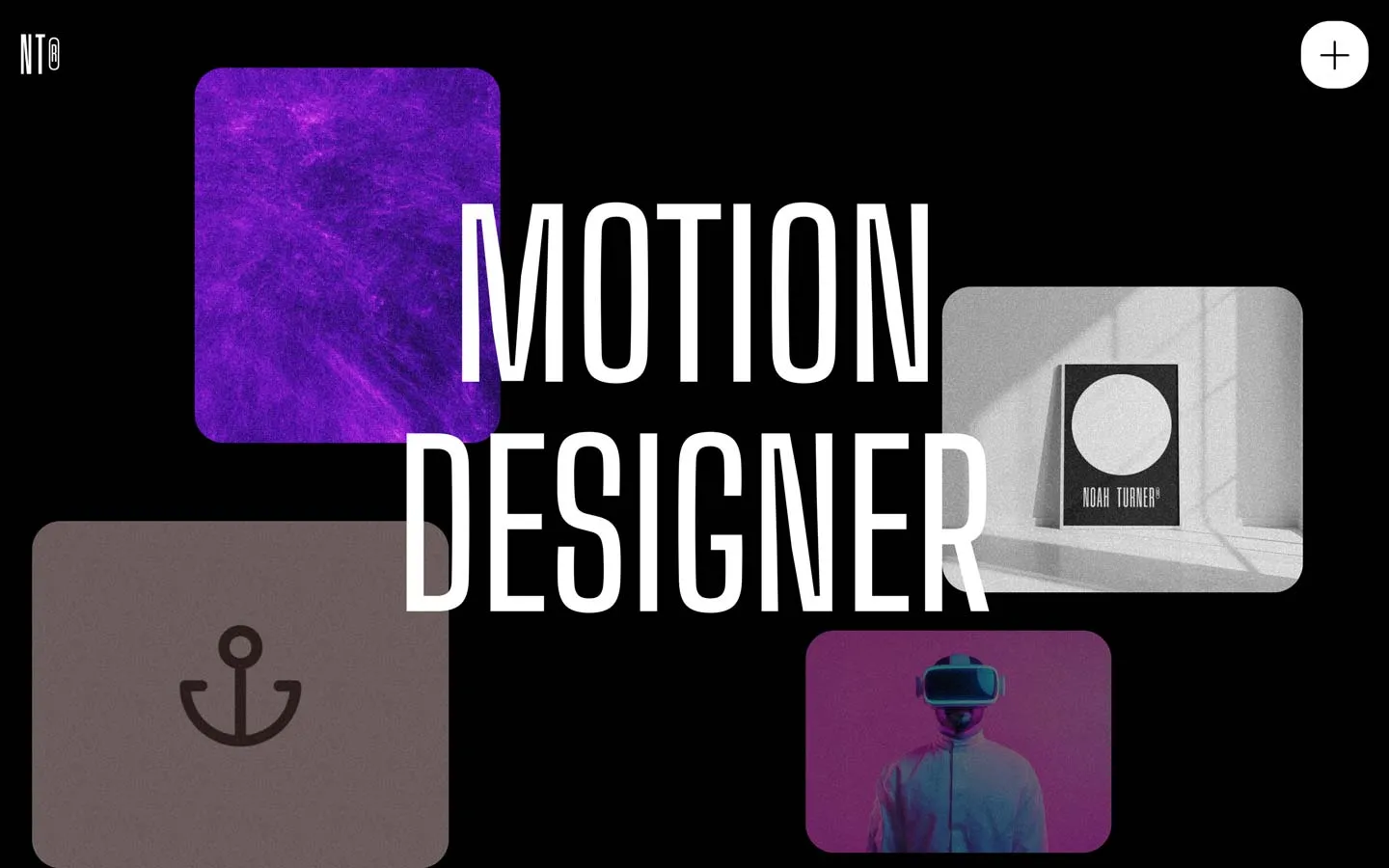
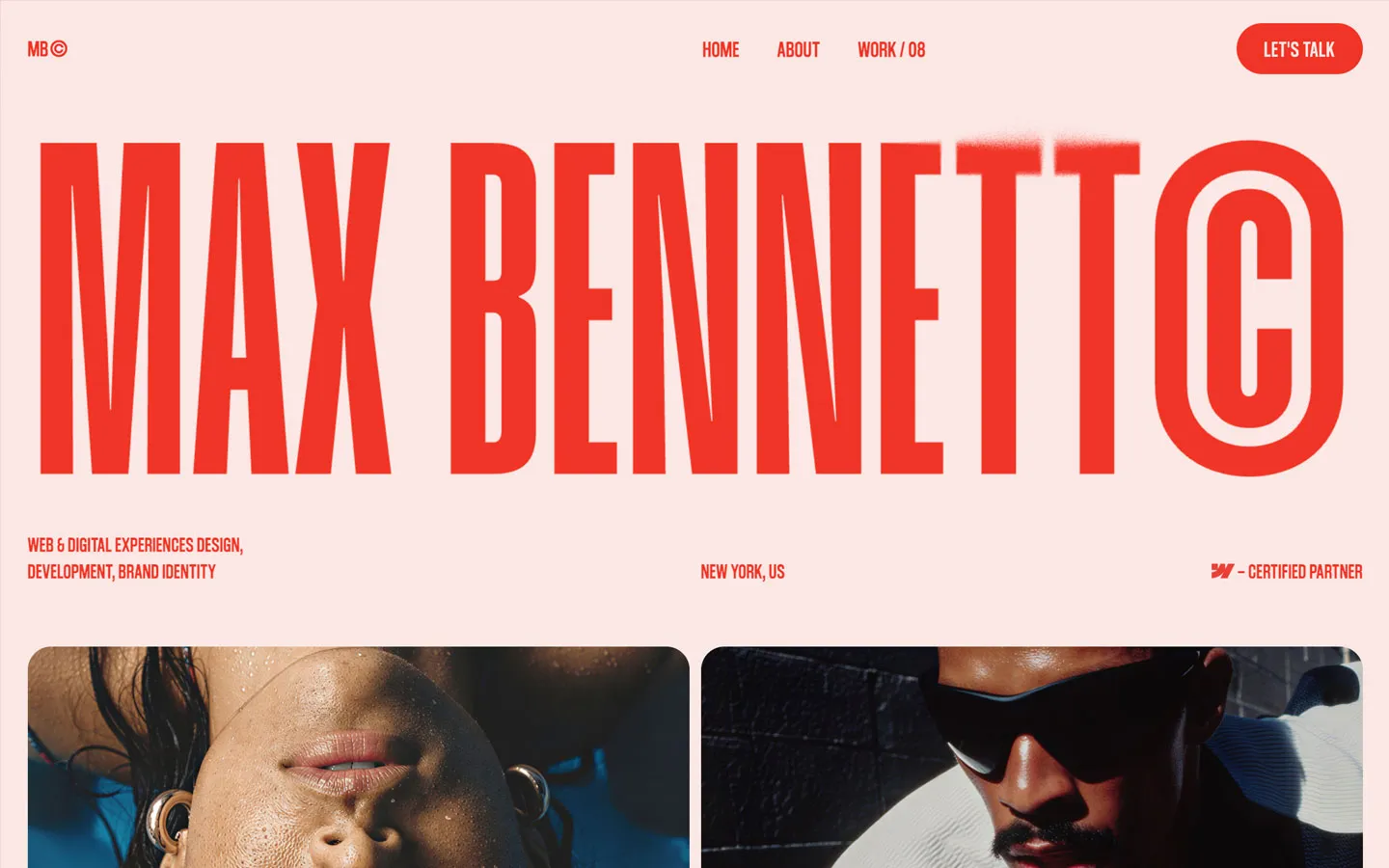


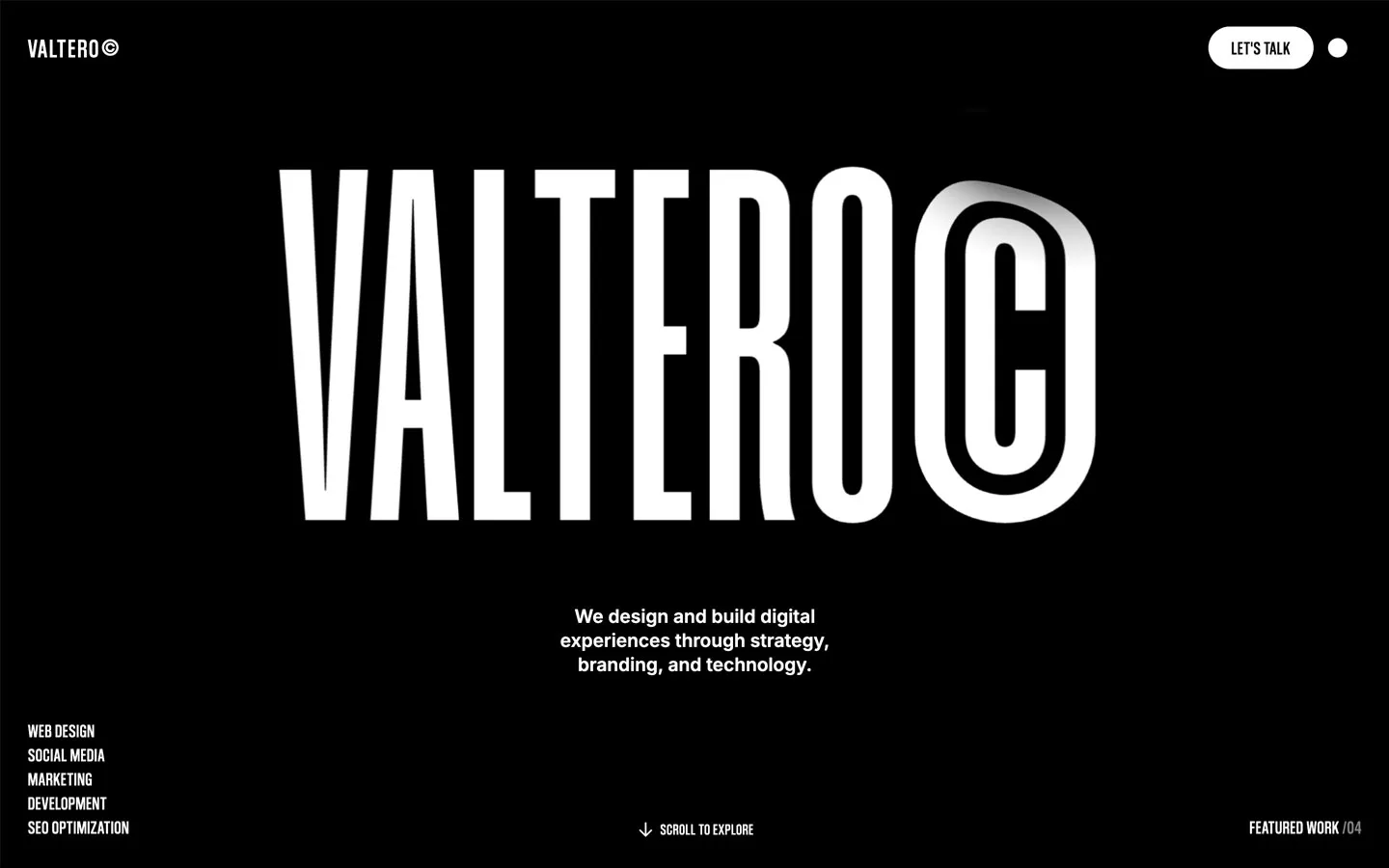
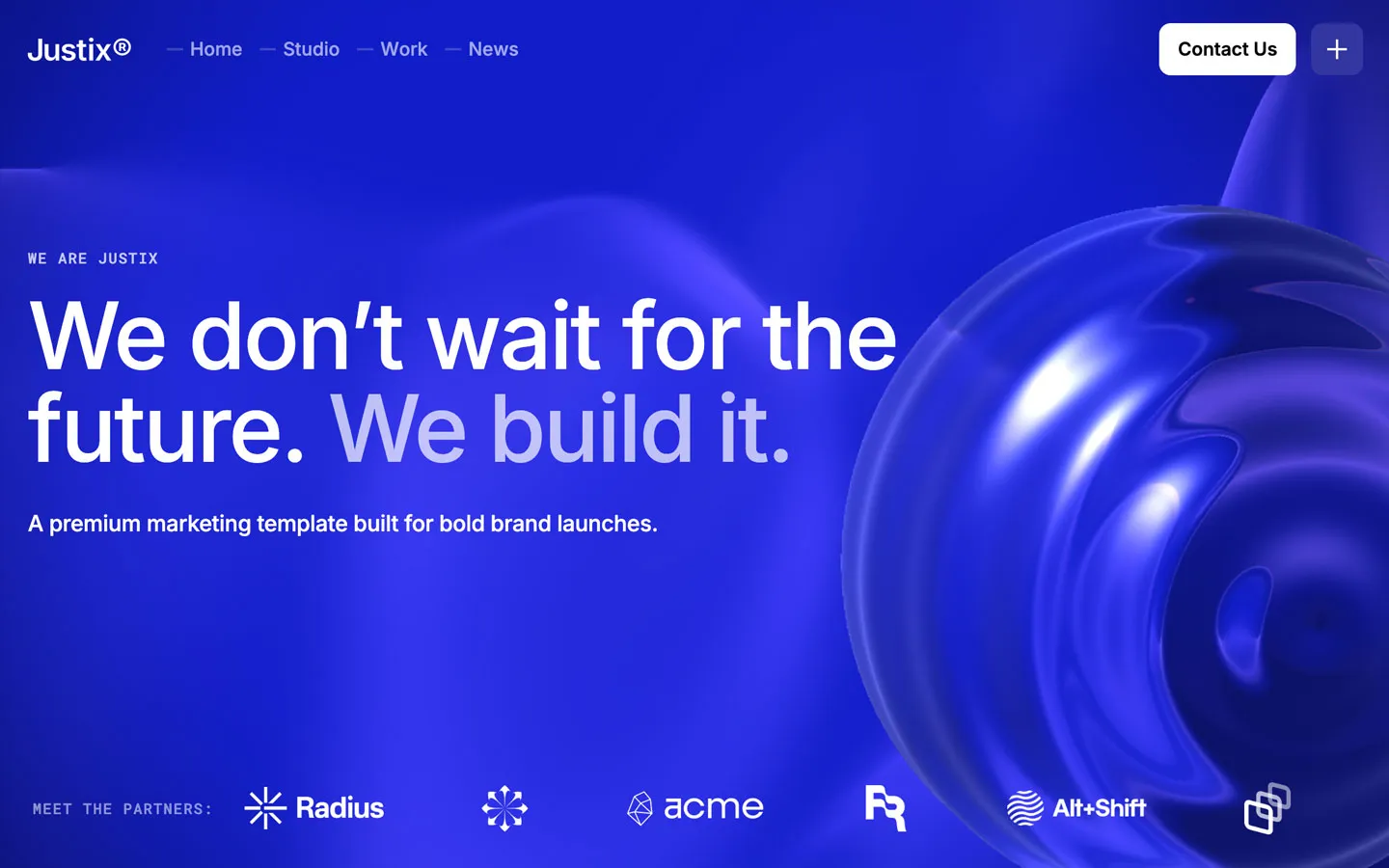


Don’t miss out on our superb, customizable templates designed to enhance your web design experience. We constantly add new templates and components.

Explore stunning Webflow, Framer, HTML5, Next.js and Figma templates designed to spark your next big idea.


*Rest assured that your data is safe with us, and you'll only hear from us 1 time per month.