A scalable SaaS site needs clear positioning, reusable product and use-case structures, proof, CMS-driven resources, conversion paths, and a maintainable design system.
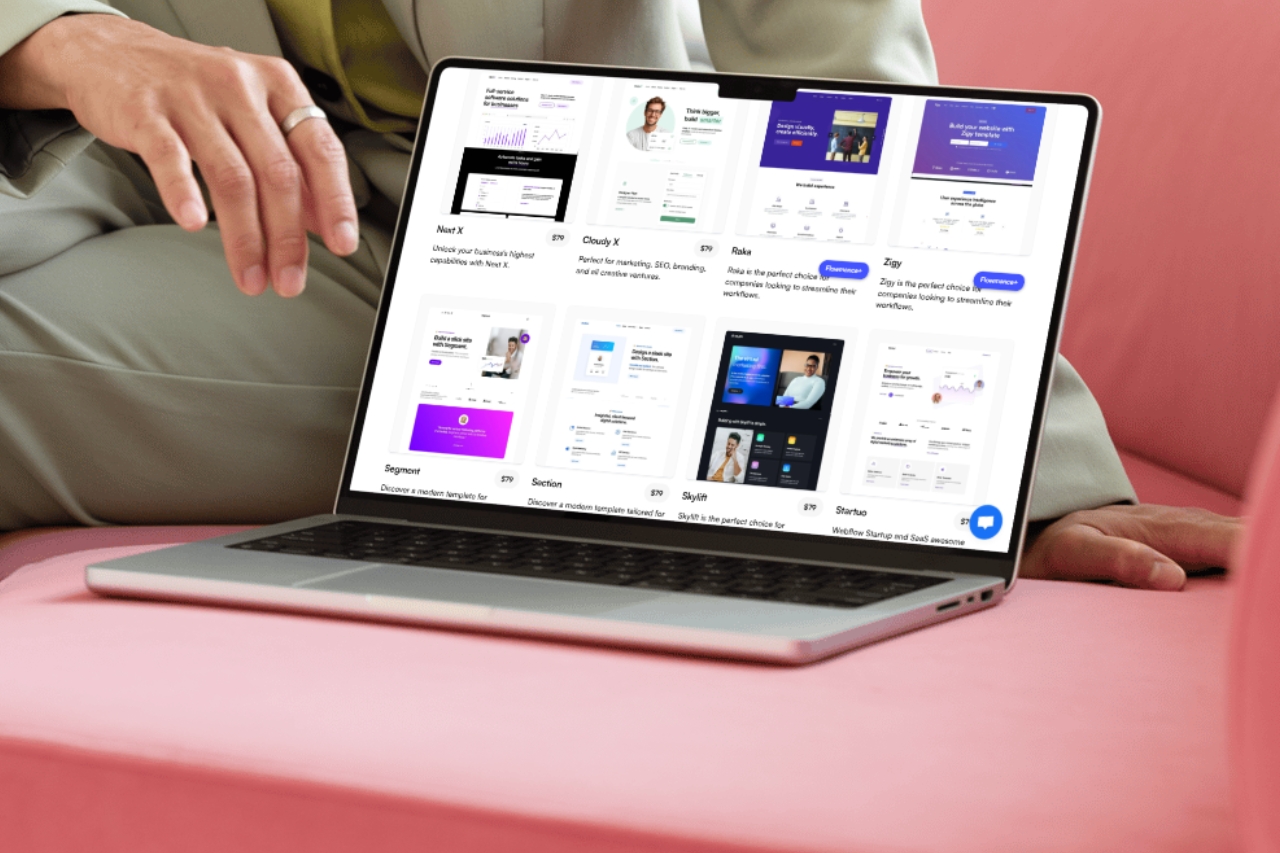
A scalable SaaS marketing site is less about adding pages and more about creating repeatable content systems. The structure should support new use cases, integrations, resources, product updates, and campaigns without rebuilding the site every quarter.
Separate the core product story from use cases, industries, features, integrations, pricing, and resources. Visitors should understand the main value proposition before being asked to explore every capability.
Use-case pages, integration pages, customer stories, and resources often share underlying structures. Build reusable components and CMS-driven patterns where the content genuinely repeats.
Product statements are stronger when supported by customer examples, screenshots, measured outcomes, demos, security information, or credible third-party validation. Avoid isolated testimonial sections that are disconnected from the feature being explained.
A new visitor may need to understand the product before booking a demo. An existing evaluator may want pricing or security documentation. Provide primary and secondary actions that match those different stages.
Resources, case studies, jobs, changelogs, events, and integration pages are good candidates for structured content. Clear fields make future publishing easier and improve consistency across the site.
Variables, components, shared section patterns, and consistent spacing help the marketing team launch new pages without creating a different visual language every time.
SaaS positioning changes. Test long headlines, new navigation items, pricing labels, and additional proof so the site can absorb changes without breaking.
Analytics, experimentation, chat, product demos, video, and marketing automation can make a clean site heavy. Measure the production pages after integrations are installed.
For starting structures, browse current Webflow templates and compare them against the SaaS content model you expect to maintain over time.


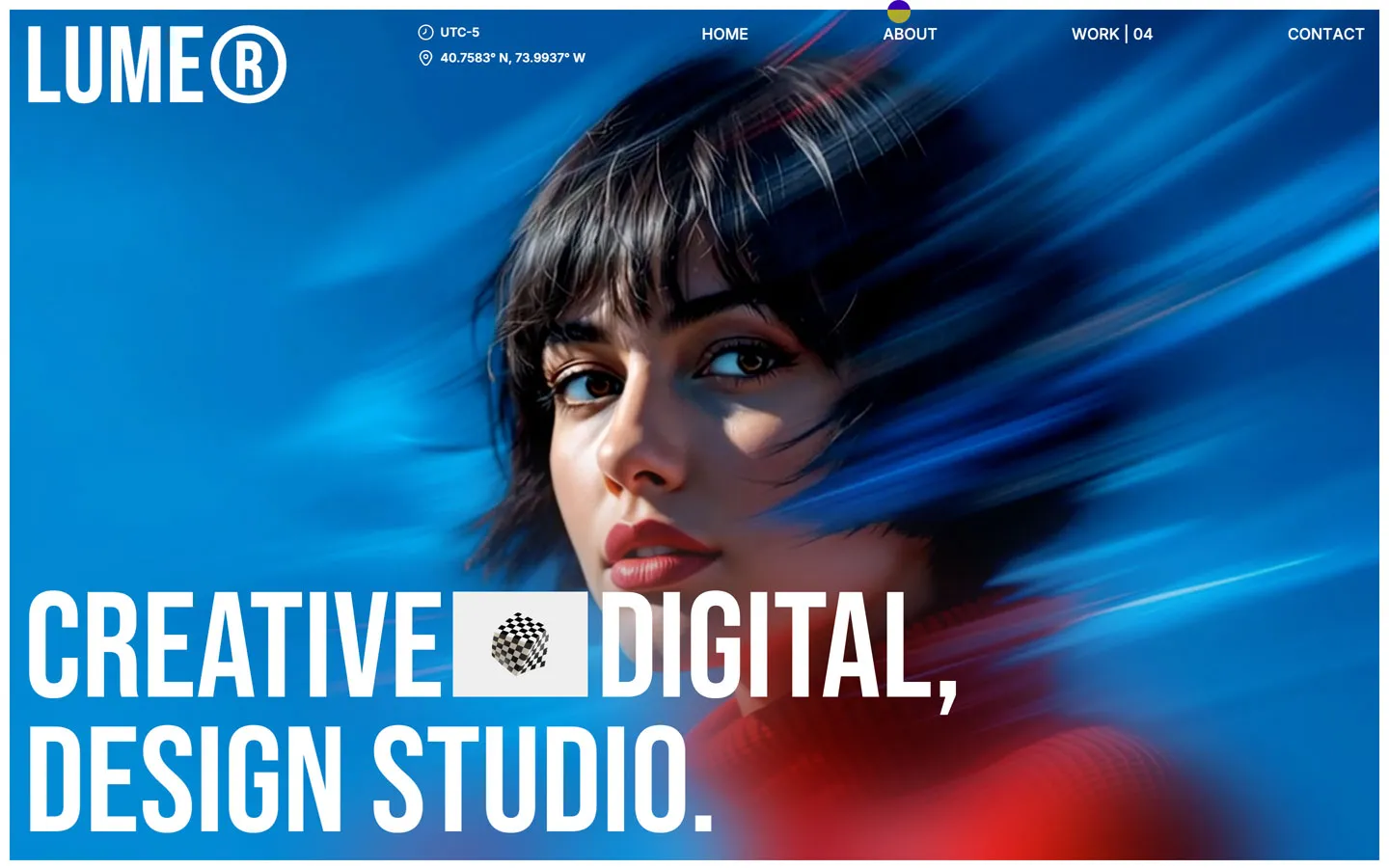

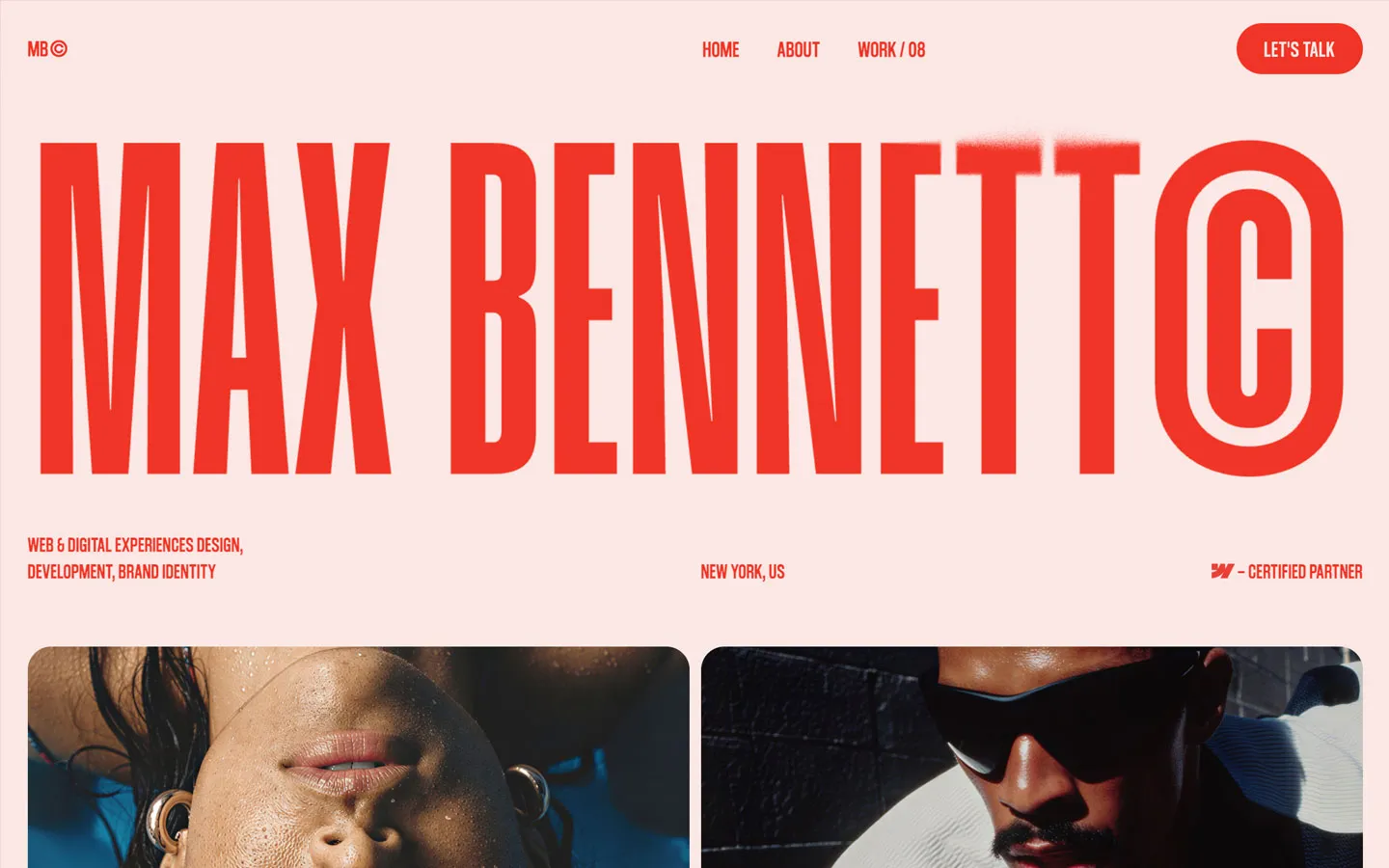


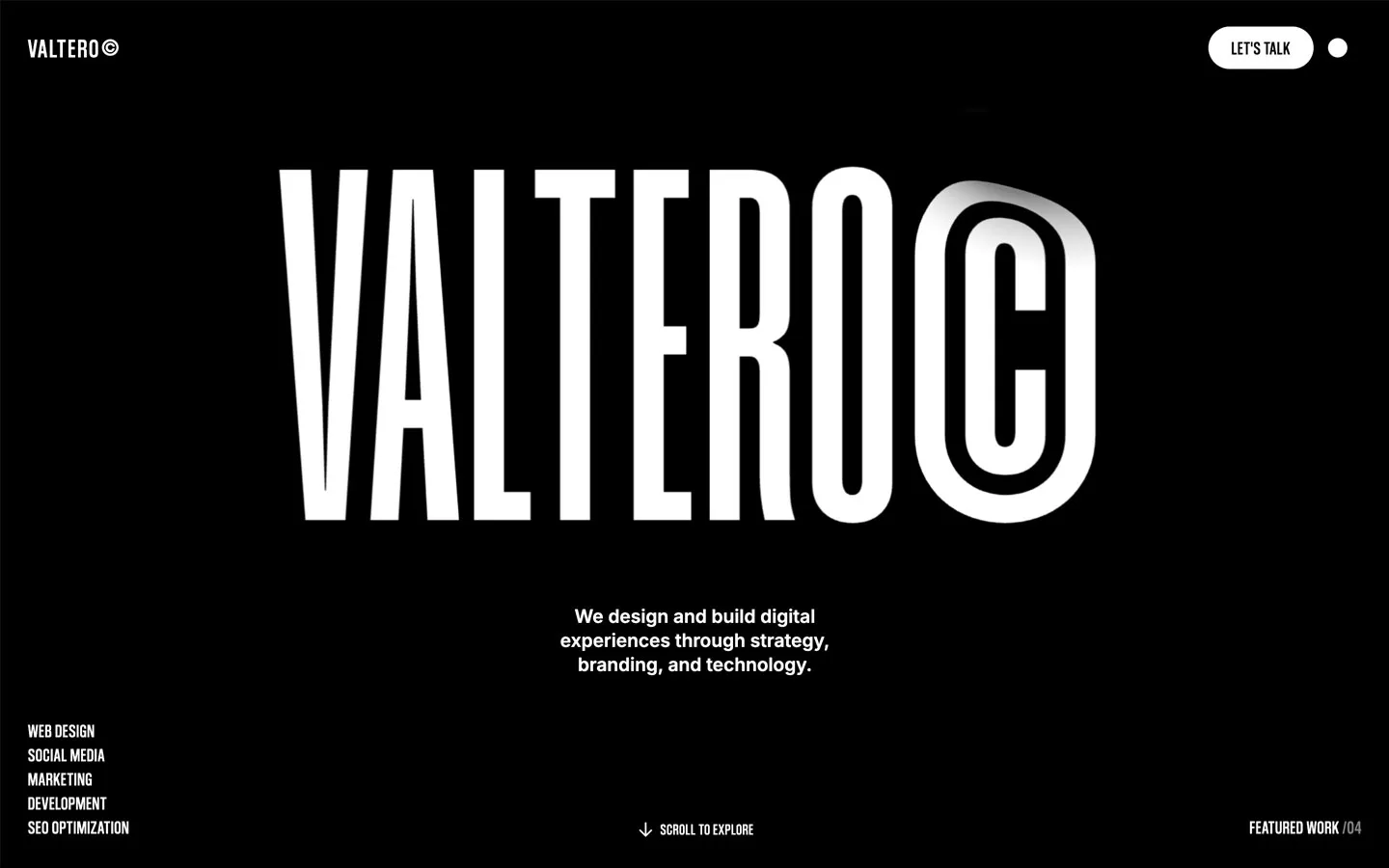


Don’t miss out on our superb, customizable templates designed to enhance your web design experience. We constantly add new templates and components.

Explore stunning Webflow, Framer, HTML5, Next.js and Figma templates designed to spark your next big idea.


*Rest assured that your data is safe with us, and you'll only hear from us 1 time per month.