The ultimate source for free logos.
Explore a collection of 50 free logos for your use


Avocats
New
$79
Experience top-notch legal services with Avocats.
Noter X
New
$79
Experience top-notch legal services with Noter X.
Bryn
New
$129
Bryn – blending art and function in an agency & portfolio template.
Logo Showcase
Thank you! Your submission has been received!
Oops! Something went wrong while submitting the form.
Free
Free
Free
Free
Free
Free
Free
Free
Free
Free
Free
Free
Free
Free
Free
Free
Free
Free
Free
Free
Free
Free
Free
Free
Free
Free
Free
Free
Free
Free
Free
Free
Free
Free
Free
Free
Free
Free
Free
Free
Free
Free
Free
Free
Free
Free
Free
Free
Free
Free
Free
Free
Free
Free
Free
Free
Free
Free
Free
Free
Free
Free
Free
Free
Free
Free
Free
Free
Free
Free
Free
Free
Free
Free
Free
Free
Free
Free
Free
Free
Free
Free
Free
Free
Free
Free
Free
Free
Free
Free
Free
Free
Free
Free
Free
Free
Free
Free
Free
Free
Free
Free
Free
Free
Free
Free
Free
Free
Free
Free
Free
Free
Free
Free
Free
Free
Free
Free
Free
Free
Free
Free
Free
Free
Free
Free
Free
Free
Free
Free
Free
Free
Free
Free
Free
Free
Free
Free
Free
Free
Free
Free
Free
Free
Free
Free
Free
Free
Free
Free
Free
Free
Free
Free
Free
Free
Free
Free
Free
Free
Free
Free
Free
Free
Free
Free
Free
Free
Free
Free
Free
Free
Free
Free
Free
Free
Free
Free
Free
Free
Free
Free
Free
Free
Free
Free
Free
Free
Free
Free
Free
Free
Free
Free
Free
Free
Free
Free
Free
Free


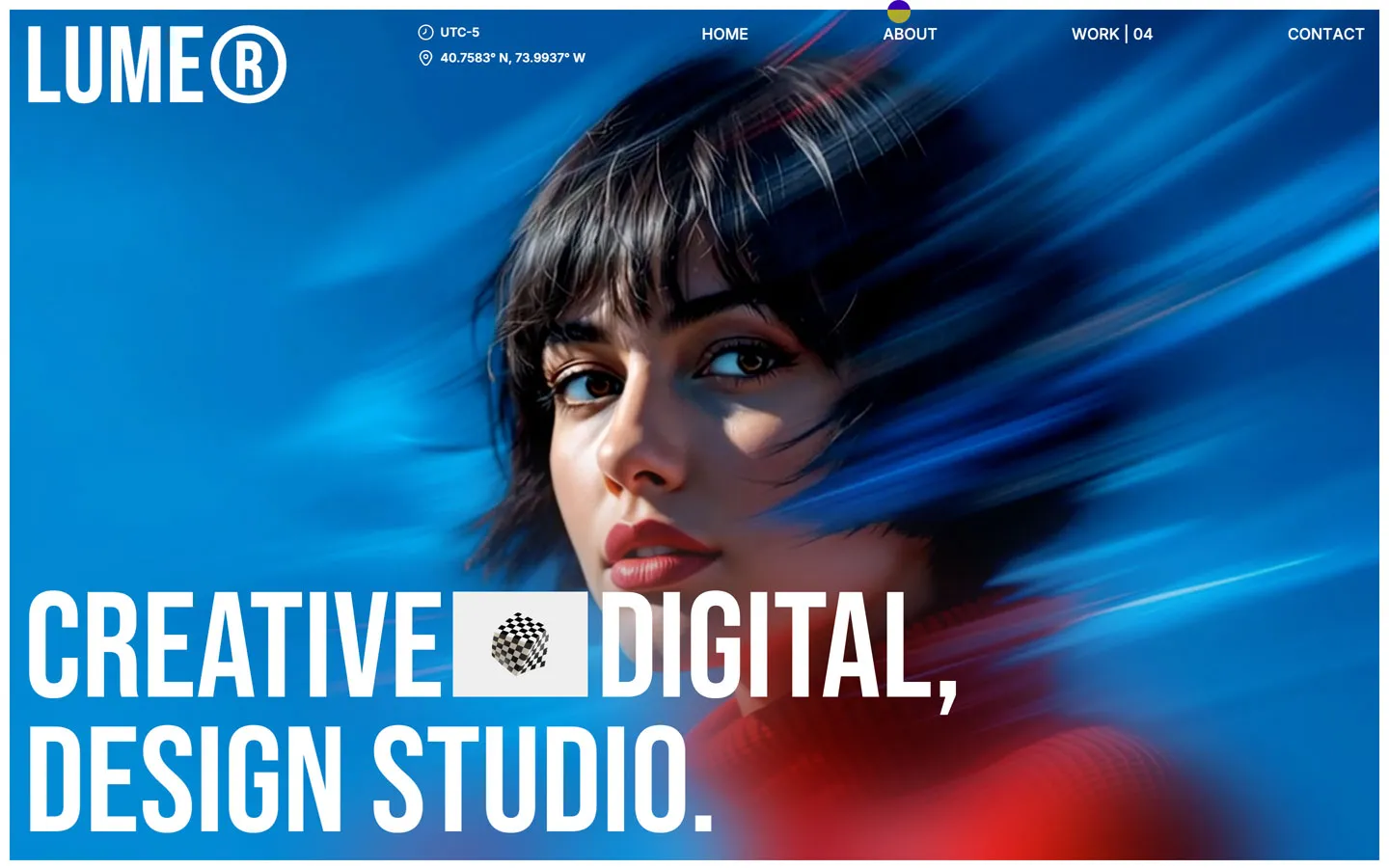
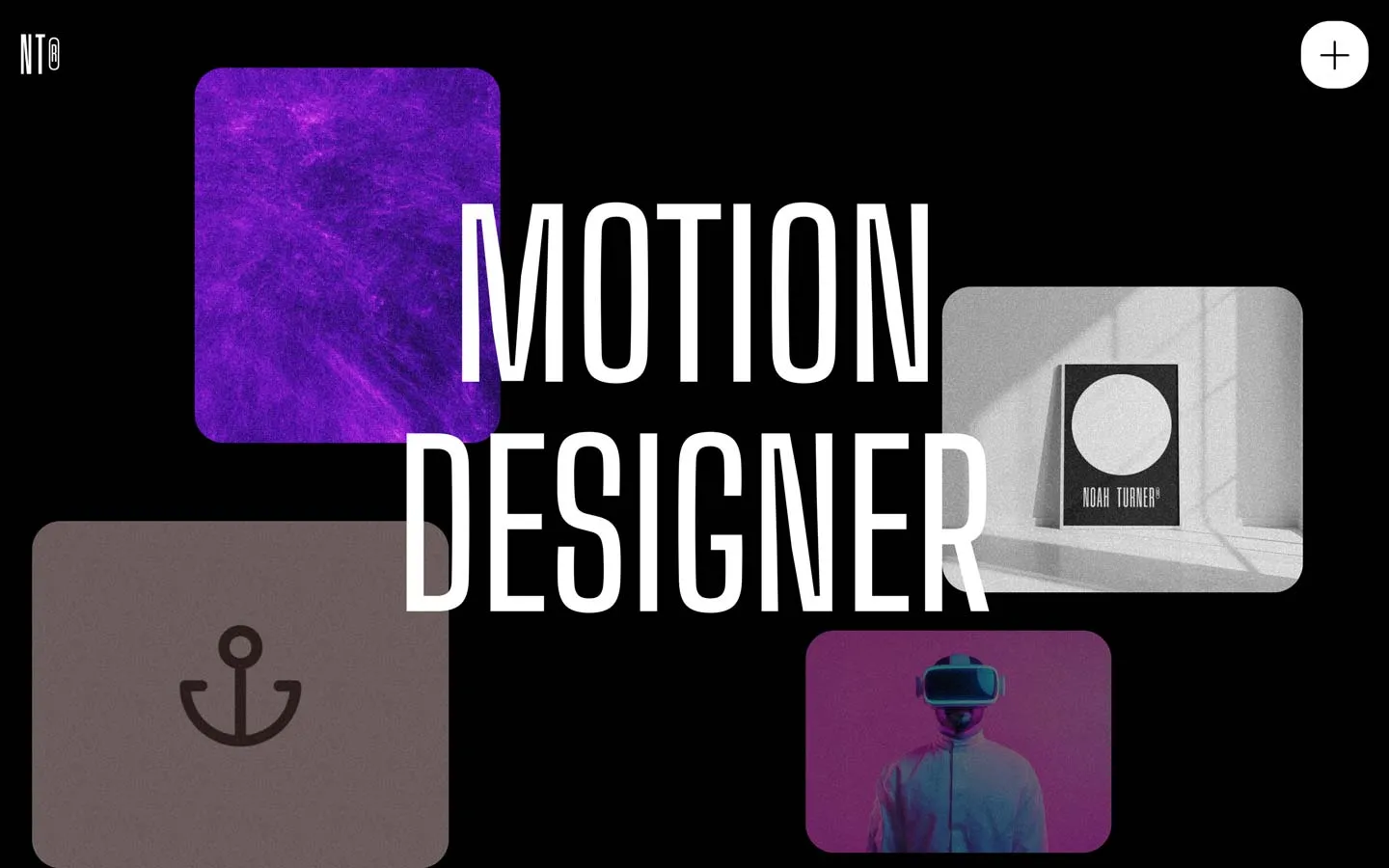
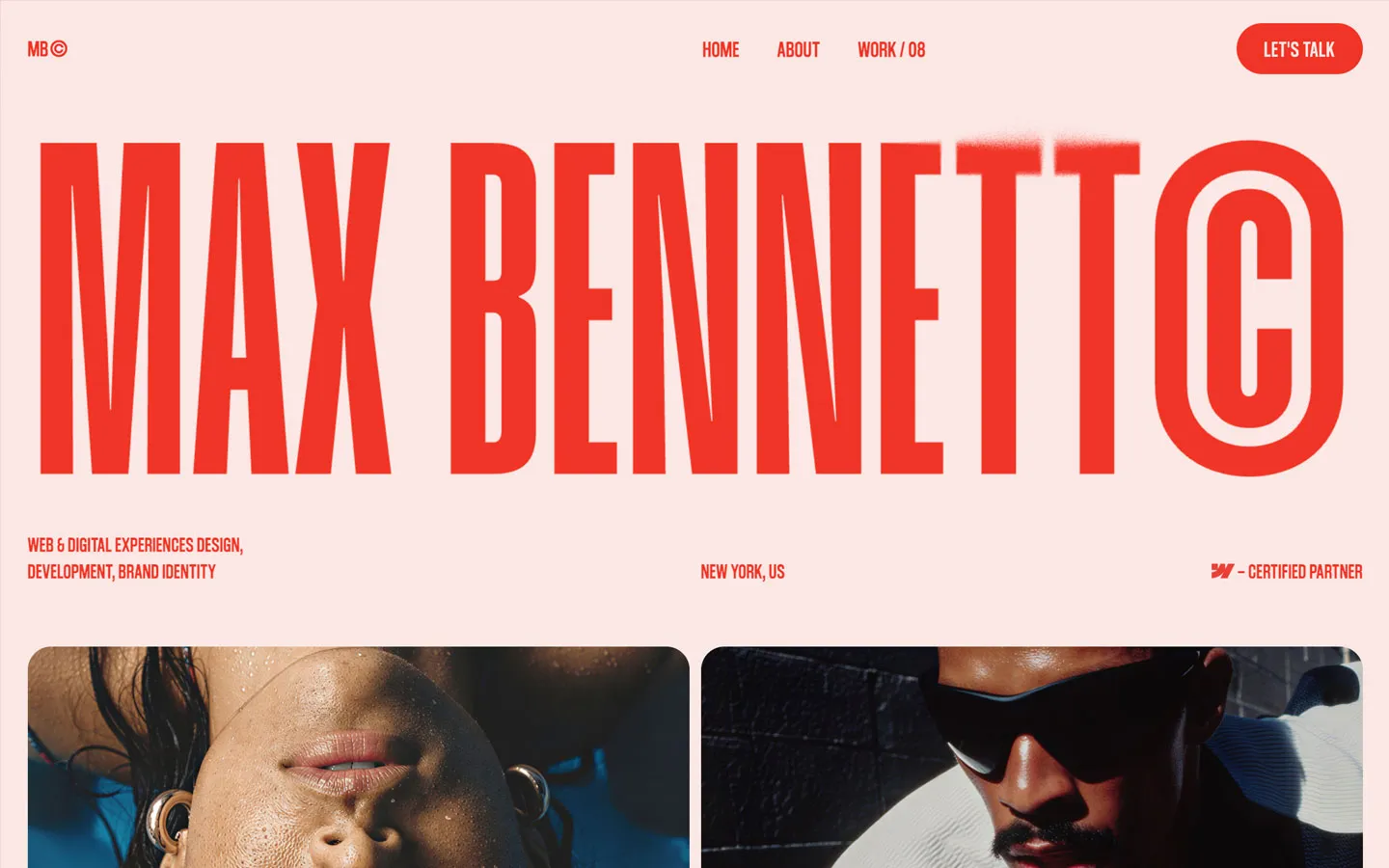


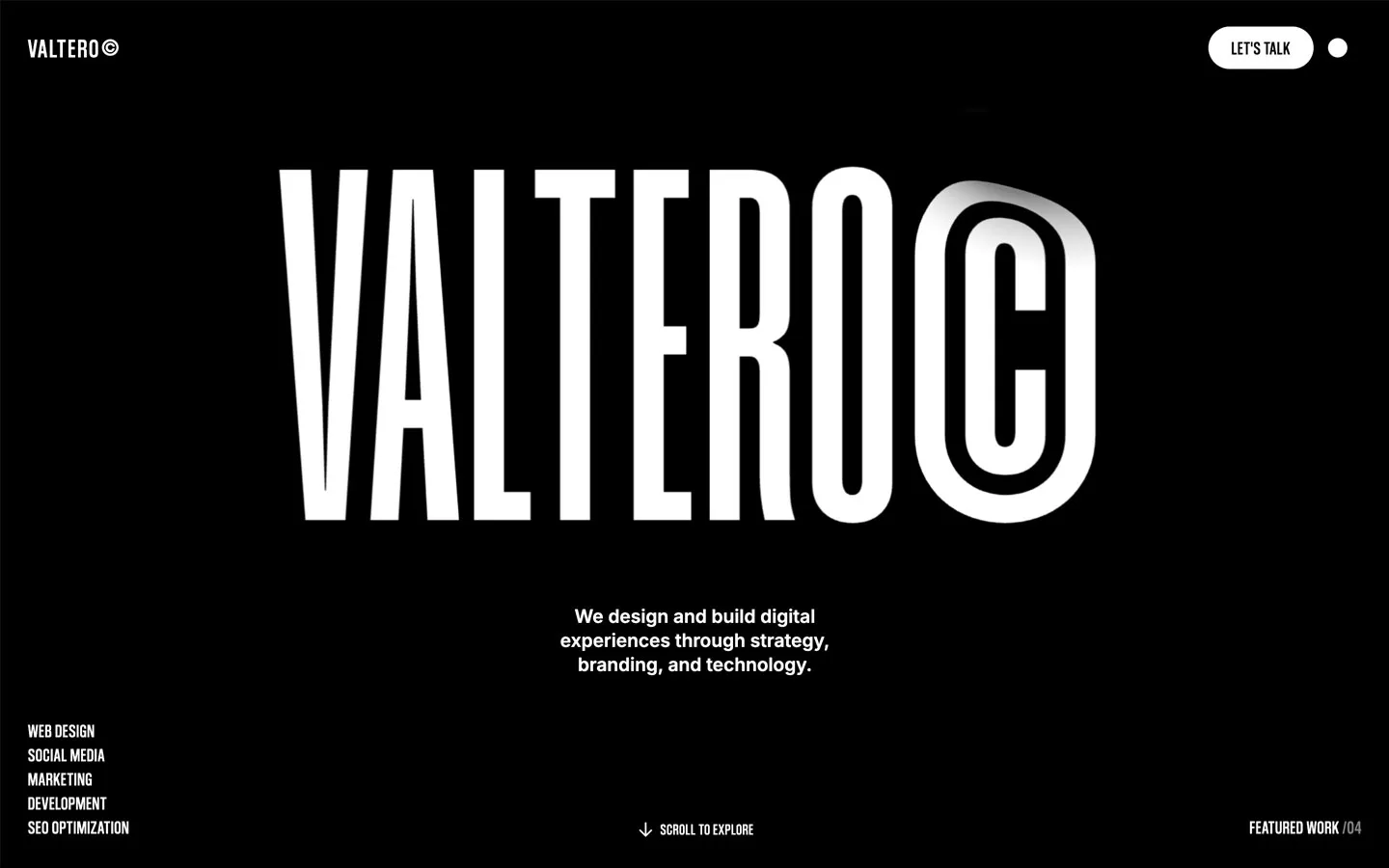
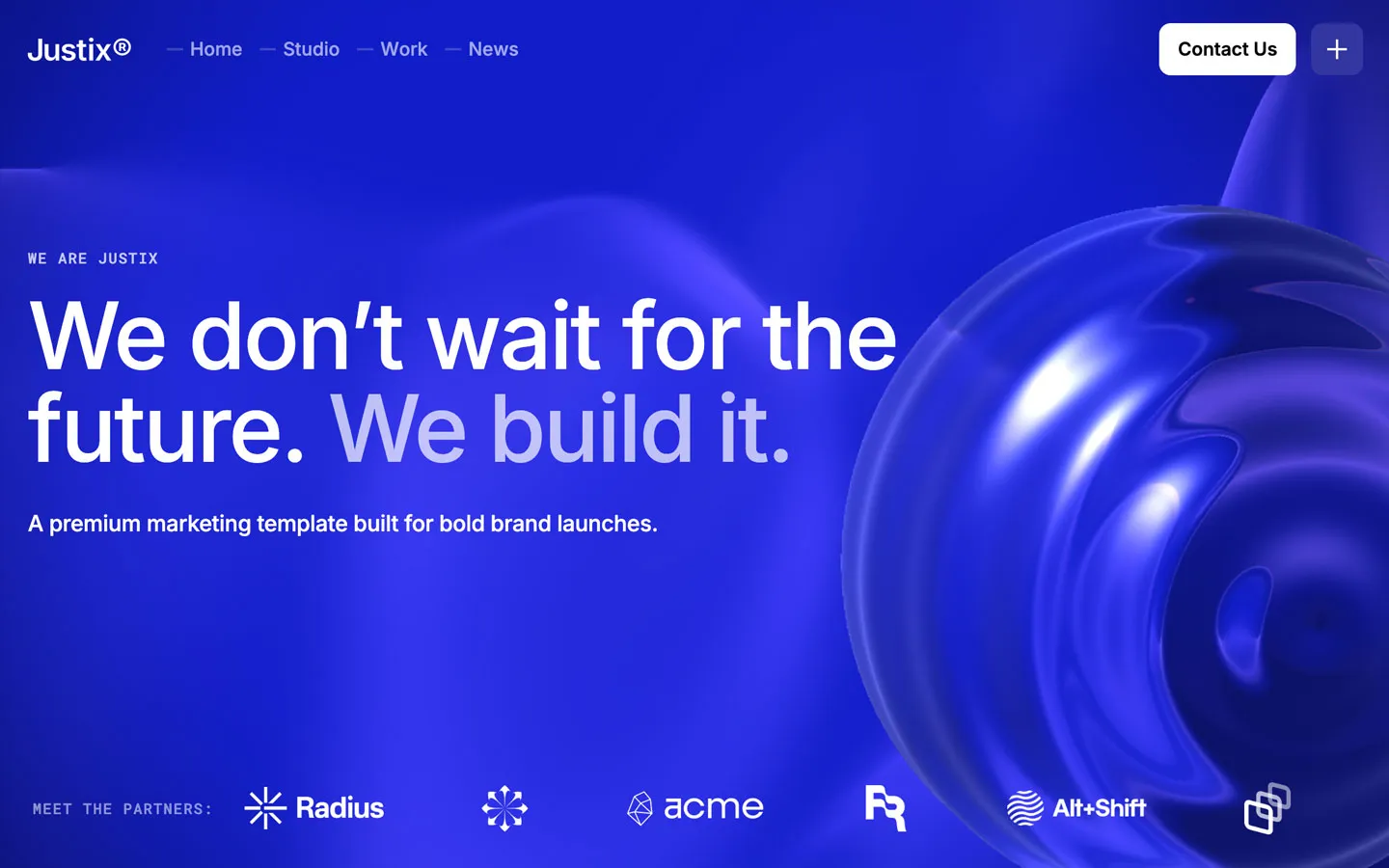


Sign up for Flowmance+ to access over 390+ Webflow, Framer, HTML, Next.js and Figma templates
Don’t miss out on our superb, customizable templates designed to enhance your web design experience. We constantly add new templates and components.
Access to 390+ templates
New templates added regularly
Lifetime Updates
License for Unlimited Sites
Priority chat and email support
Cancel Anytime

Flowmance
Explore stunning Webflow, Framer, HTML5, Next.js and Figma templates designed to spark your next big idea.


Menu
Subscribe to newsletter
Thank you for subscribing!
Oops! Something went wrong while submitting the form.
*Rest assured that your data is safe with us, and you'll only hear from us 1 time per month.