Make a template-led site feel original by changing hierarchy, typography, imagery, CMS, section order, motion, proof, and content instead of only swapping colors and logos.
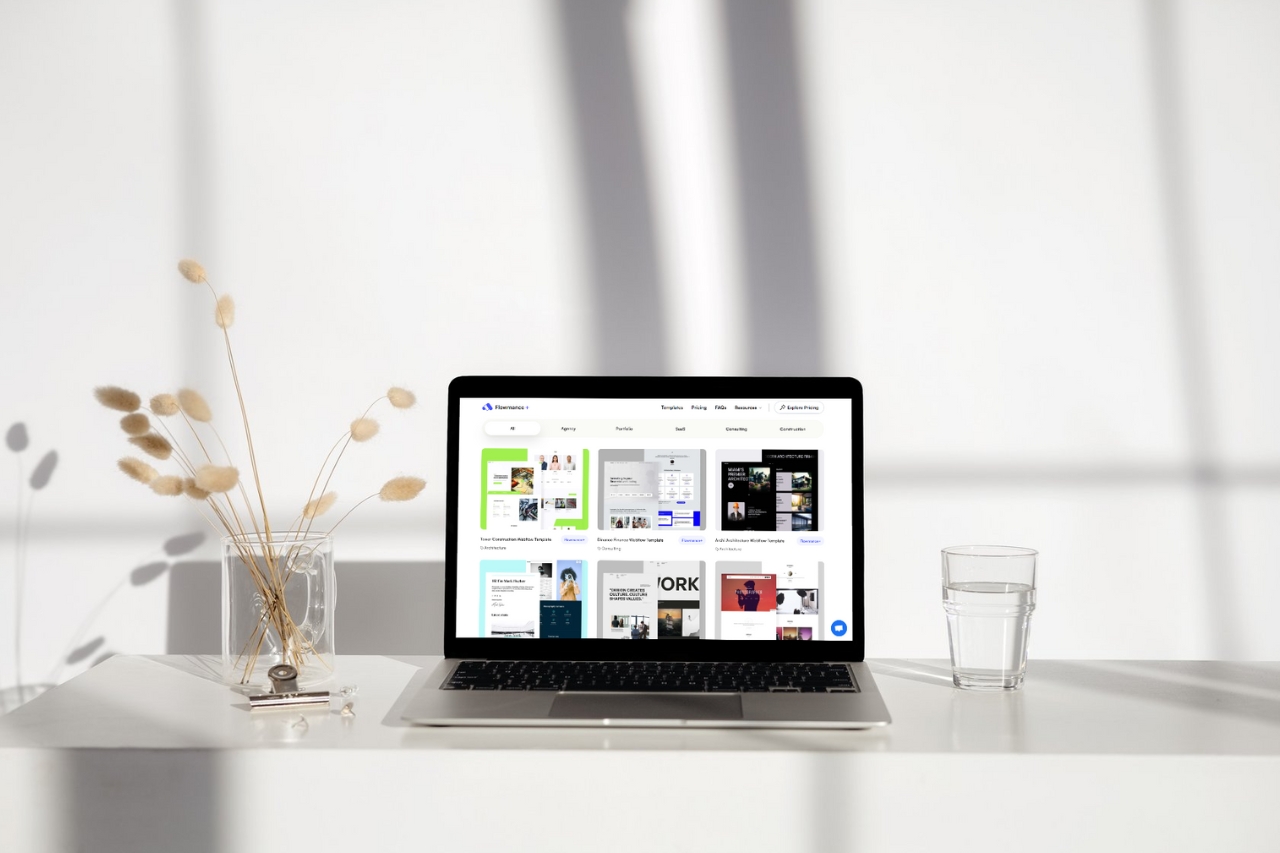
A template-led website feels generic when the demo's decisions survive unchanged. The solution is not random decoration; it is re-owning the decisions that shape the visitor's experience.
Reorder sections around the business story. Remove demo blocks with no job and add the proof or explanation the real audience needs.
Change typeface, scale, line height, max-width, and spacing as one system rather than making isolated font swaps.
Photography, illustration, product mockups, diagrams, crops, and color treatment can transform a familiar layout more than another animation effect.
Use fields and content types that match the real business. A tailored CMS changes both the public site and the way the team maintains it.
Keep interactions that fit the brand's tone and remove the rest. Add new motion only when it improves feedback, hierarchy, or storytelling.
Replace placeholder statistics, reviews, and logos with substantiated customer evidence—or remove the section until the evidence exists.
The site stops feeling like a template when the brand's content, priorities, and visual system become stronger than the demo's defaults.


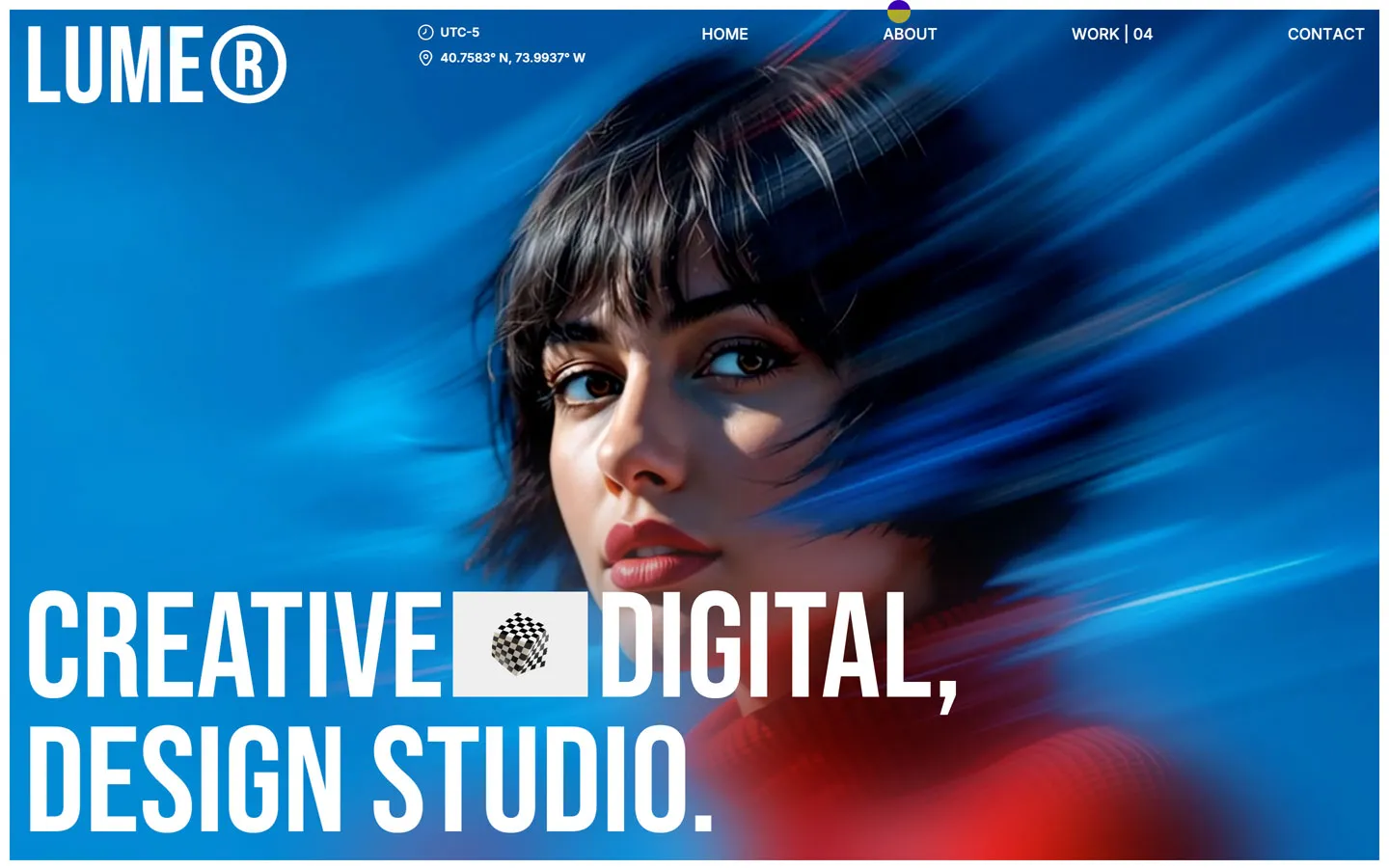
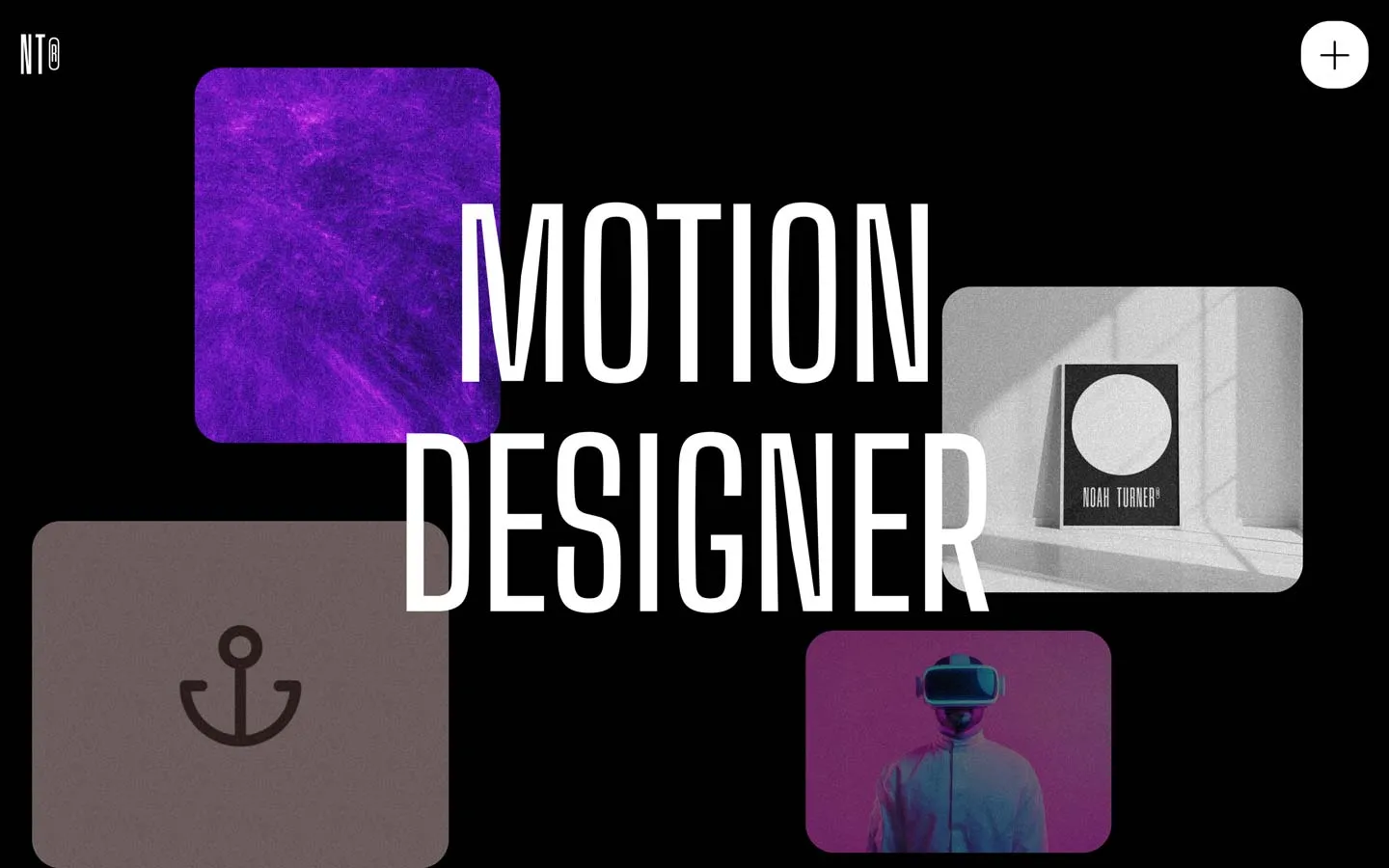
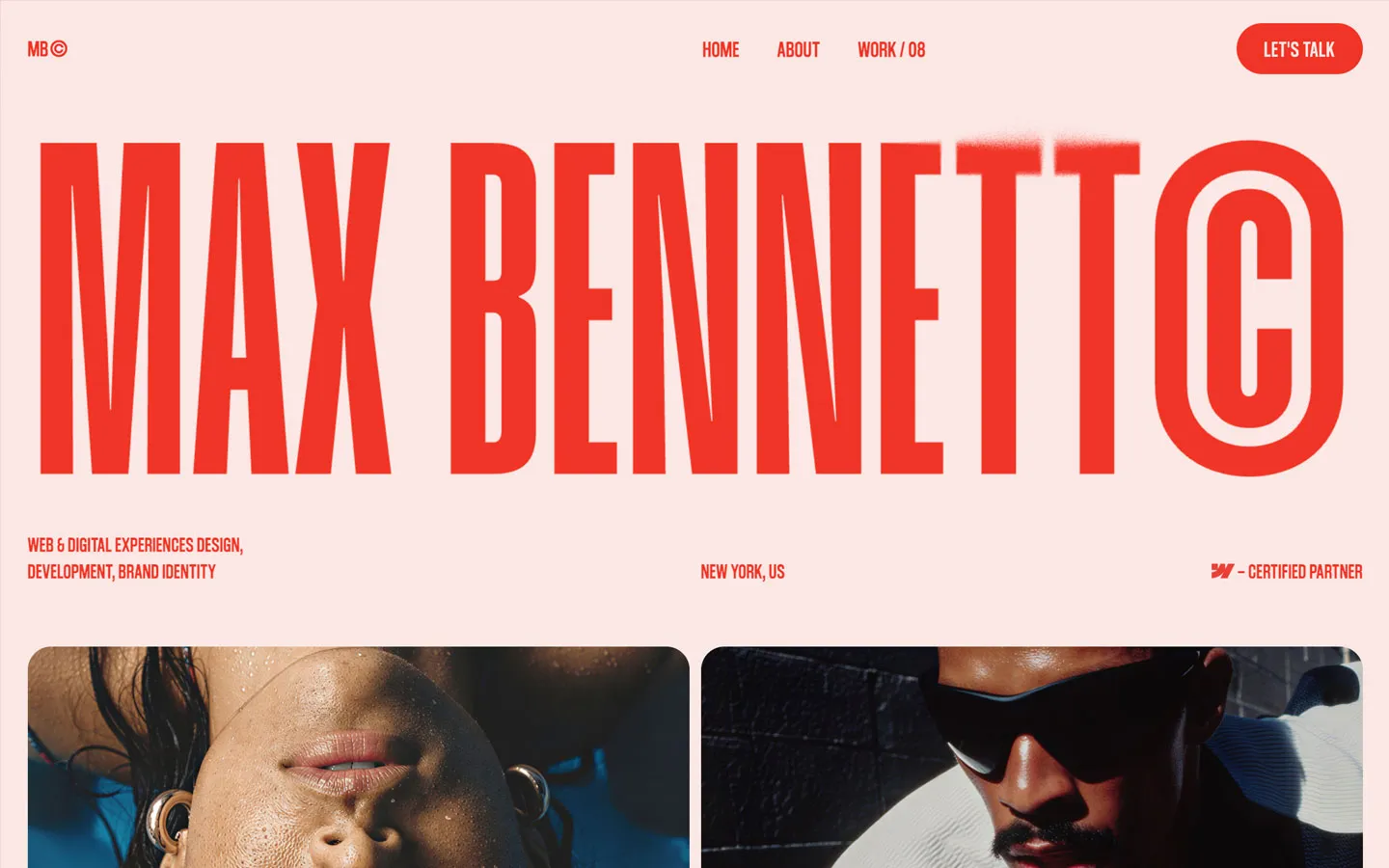


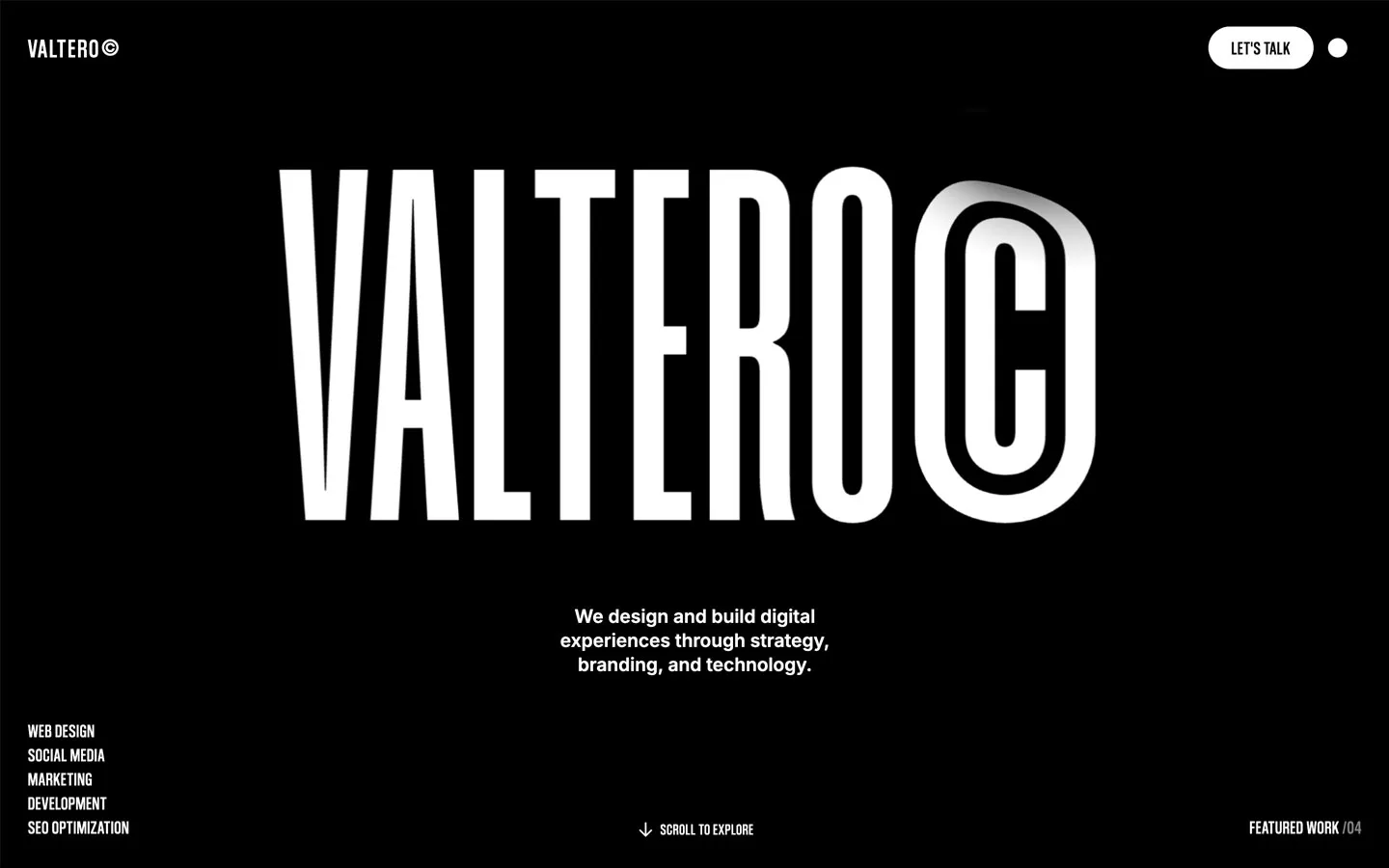
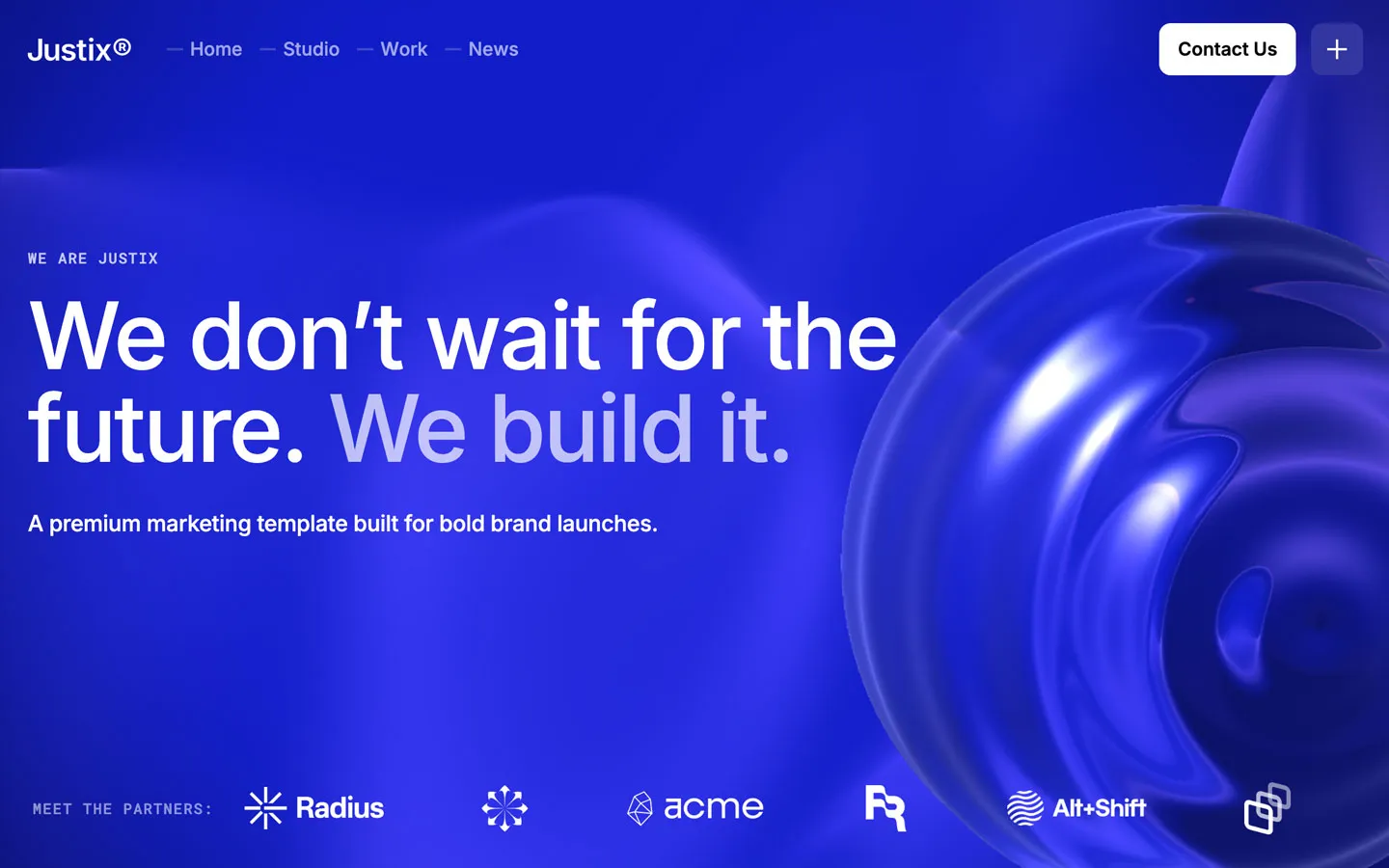


Don’t miss out on our superb, customizable templates designed to enhance your web design experience. We constantly add new templates and components.

Explore stunning Webflow, Framer, HTML5, Next.js and Figma templates designed to spark your next big idea.


*Rest assured that your data is safe with us, and you'll only hear from us 1 time per month.