Growth-stage SaaS sites need scalable use cases, integrations, customer proof, resources, comparison pages, security, pricing context, and a CMS that marketing can maintain.

A growth-stage SaaS website is no longer just a launch page. As the product and market mature, the site needs deeper content systems for evaluation, proof, acquisition, and customer education.
Different audiences need different explanations. Reusable page models can help marketing address specific jobs, teams, or industries without rebuilding the site each time.
If integrations matter to adoption, give important ones dedicated, structured pages with clear use cases and setup context.
Case studies should move beyond logo walls. Explain the problem, product role, implementation, and measurable outcome where the customer can substantiate it.
Prospects often compare alternatives or consider switching from an existing tool. Useful comparison and migration pages can answer those questions directly without resorting to unsupported claims.
As deal size grows, security, privacy, compliance, reliability, and procurement information may become part of the buying process. Make relevant information easy to find.
Guides, webinars, documentation, templates, research, and product education can support both acquisition and evaluation when organized around real customer questions.
A larger site needs clear content ownership, reusable components, metadata standards, internal linking, and rules for adding new pages without creating duplicates.
Growth-stage SaaS websites scale through content systems, not homepage complexity. Build reusable structures for the questions prospects repeatedly ask as the product moves upmarket.




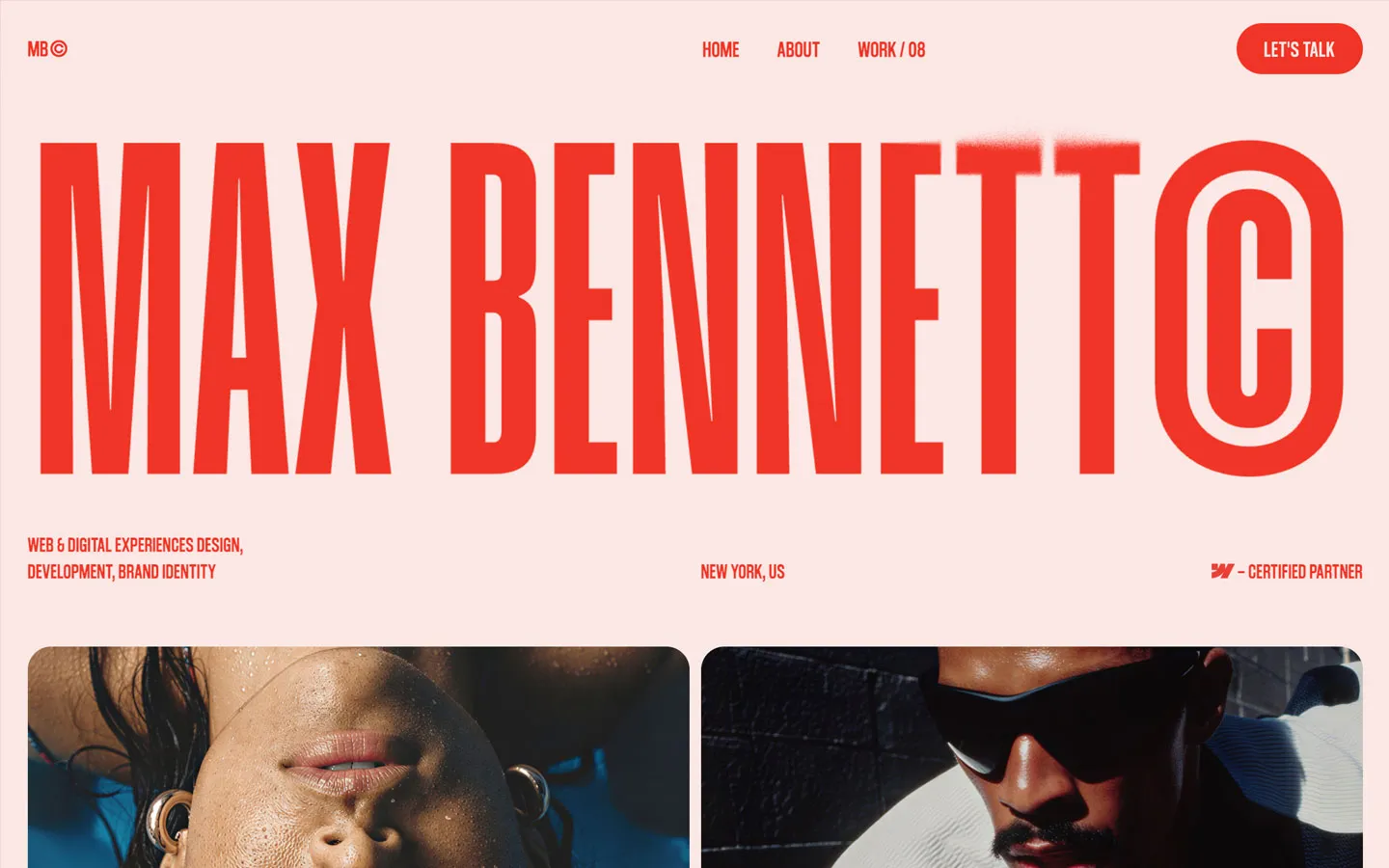



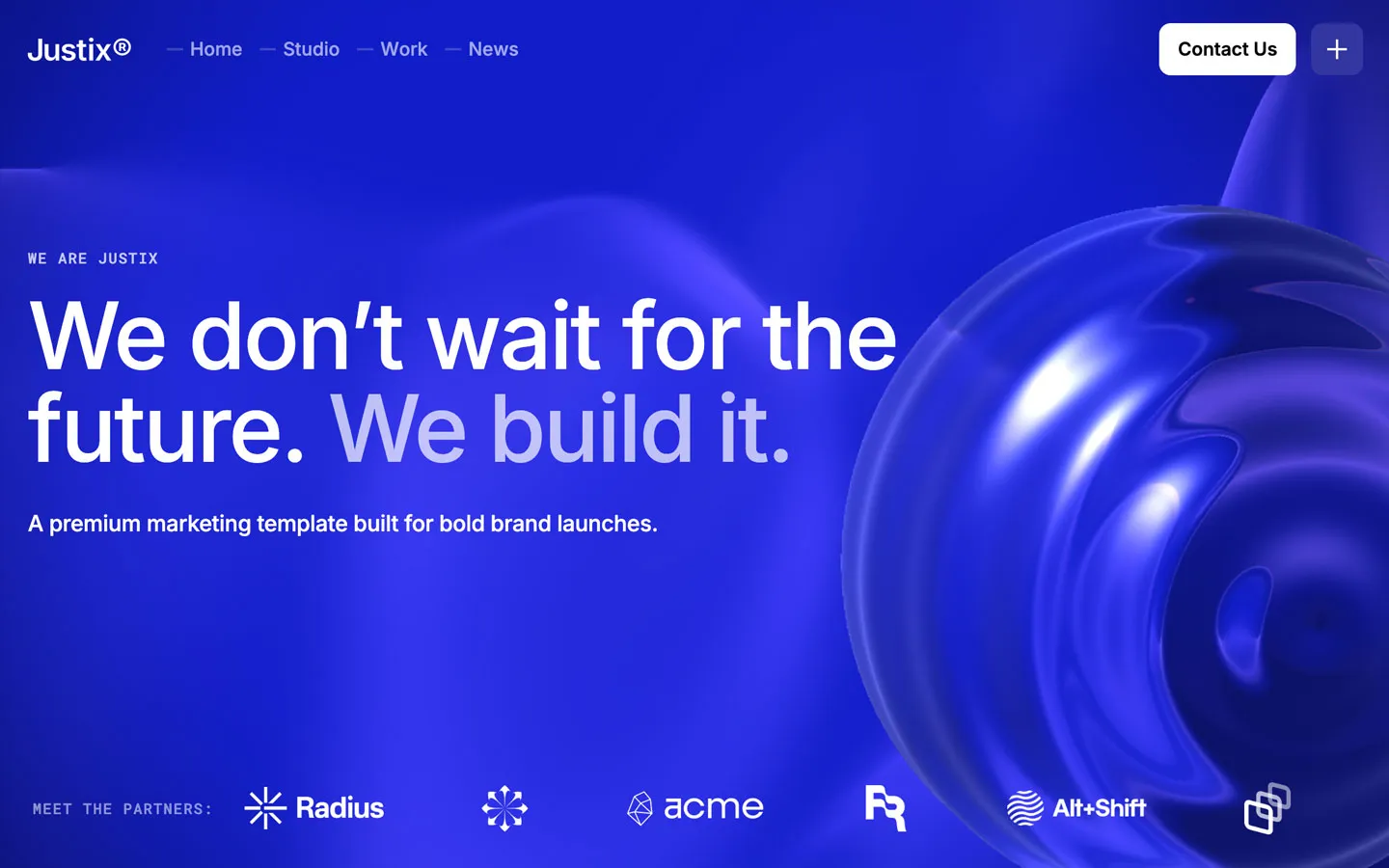


Don’t miss out on our superb, customizable templates designed to enhance your web design experience. We constantly add new templates and components.

Explore stunning Webflow, Framer, HTML5, Next.js and Figma templates designed to spark your next big idea.


*Rest assured that your data is safe with us, and you'll only hear from us 1 time per month.