The Webflow features worth knowing in 2026: components, properties, slots, variants, variables, CMS, rich text components, code components, breakpoints, and SEO/AEO tools.

Webflow in 2026 is much more than a visual page builder. The biggest improvements for serious design work are around systems: reusable components, shared variables, richer CMS content, better responsive workflows, and a much closer connection between visual design and code.
You do not need every feature on every project. These are the ones that meaningfully change how a site can be designed and maintained.
Components are useful for recurring layouts such as navigation, cards, CTAs, pricing blocks, footers, and repeated page sections. Editing the main component updates its instances, which keeps large sites much easier to maintain.
The more interesting part is the configurability. Component properties let individual instances use different content without breaking the shared structure.
Slots act as placeholders inside a component where other components can be inserted. That makes it possible to create a shared shell without forcing every instance to contain exactly the same internal layout.
For designers, this is useful when a section needs to stay consistent at the system level but still support different content patterns from page to page.
Variants let one component have deliberate alternatives: for example, a solid or outline button, a horizontal or vertical card, or light and dark presentations.
Without variants, teams often end up cloning components and maintaining several almost-identical versions. A smaller set of controlled variants is easier to understand and safer to change.
Webflow variables can store shared colors, sizes, percentages, numbers, and fonts. They can also use functions such as calc() and clamp(), which makes them useful for more fluid systems.
This changes the way a project can be maintained. A brand color, spacing value, or font choice can be updated centrally instead of hunting through individual classes.
Webflow's Component Canvas gives components their own working space, with variants visible side by side. That is particularly useful when a component has several states and you want to see how a structural or style change affects them together.
It feels closer to working on a component set in a design tool rather than editing reusable elements only in the context of one page.
For projects, articles, team members, jobs, locations, case studies, and other repeated content, the CMS separates the content from the layout.
The important skill is not creating more Collections. It is designing a clean content model. A good Collection has fields that reflect how the client actually thinks about the content and is simple enough to maintain without the designer present.
Long-form CMS content is more flexible now because component instances can be inserted inside rich text fields. That makes it possible to add reusable CTAs, testimonials, forms, or other structured blocks inside articles and case studies without rebuilding them as plain rich text.
Use this selectively. A useful component inside an article can improve consistency; turning every paragraph into a component makes editing harder.
Webflow supports React-based code components that can be used directly on the canvas. Developers can build them externally through DevLink, and Webflow also supports AI-generated code components inside the product.
This is useful when a project needs functionality that goes beyond standard visual elements but the design team still needs to work with the result on the Webflow canvas.
It does not mean every project needs React. Native Webflow elements are still the simpler choice when they solve the problem well.
Webflow's breakpoint model starts from the desktop base and lets styles cascade down to smaller screens and up to optional larger breakpoints. The important design habit is still to build flexible layouts first and add overrides only where they are genuinely needed.
For complex responsive components, viewing multiple states and widths together is much more useful than treating desktop, tablet, and mobile as three unrelated designs.
Webflow's current Audit tools can identify missing or weak elements related to SEO, AEO, accessibility, titles, descriptions, image alt text, and schema. AI-assisted tools can help generate or improve some of those fields.
That is useful for catching omissions, but it should remain a QA layer. A tool can flag a missing description; it cannot decide which page deserves to rank or whether two articles are competing for the same intent.
Webflow Libraries can package reusable components, variables, fonts, assets, and layouts so teams can share systems across a Workspace.
For an agency, this can be useful for internal foundations such as navigation patterns, accessibility-tested forms, standard utility components, or a starter design system. The finished client work can still have a completely different visual identity.
Visual development does not remove the need for code in every situation. Custom HTML, CSS, JavaScript, embeds, and code components can extend Webflow when the project has a specific requirement.
The best approach is usually to keep the dependency surface small. If a native feature solves the problem cleanly, use it. Add code when it creates real value rather than because it is possible.
For most design-led sites, we would learn these first:
The shift is from building isolated pages to building a system that can stay coherent as the site grows. That is where Webflow's newer features are most useful.
For practical starting points, browse the current Flowmance Webflow templates.
Current references: Components, Variables, Code components, and SEO/AEO auditing.




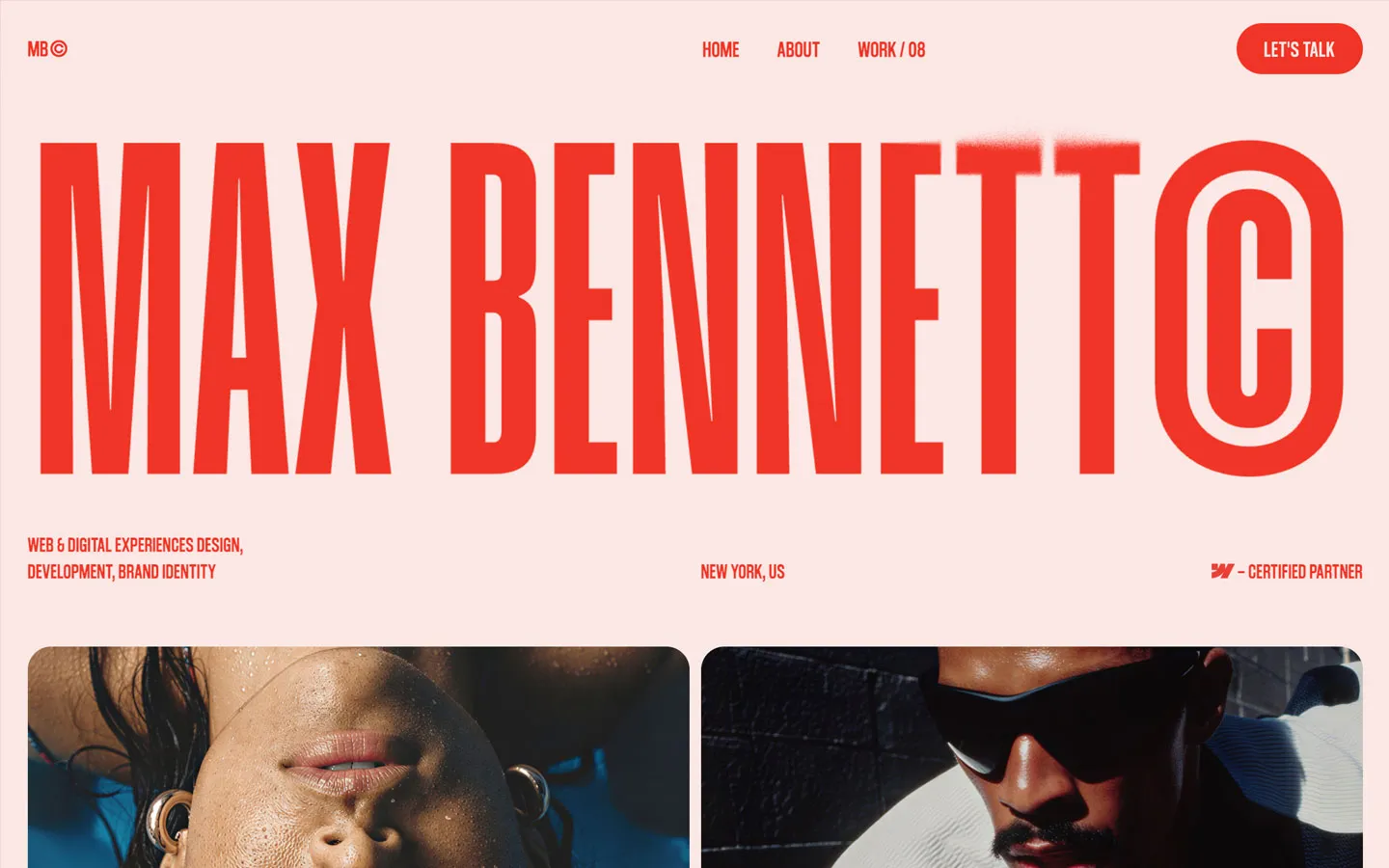


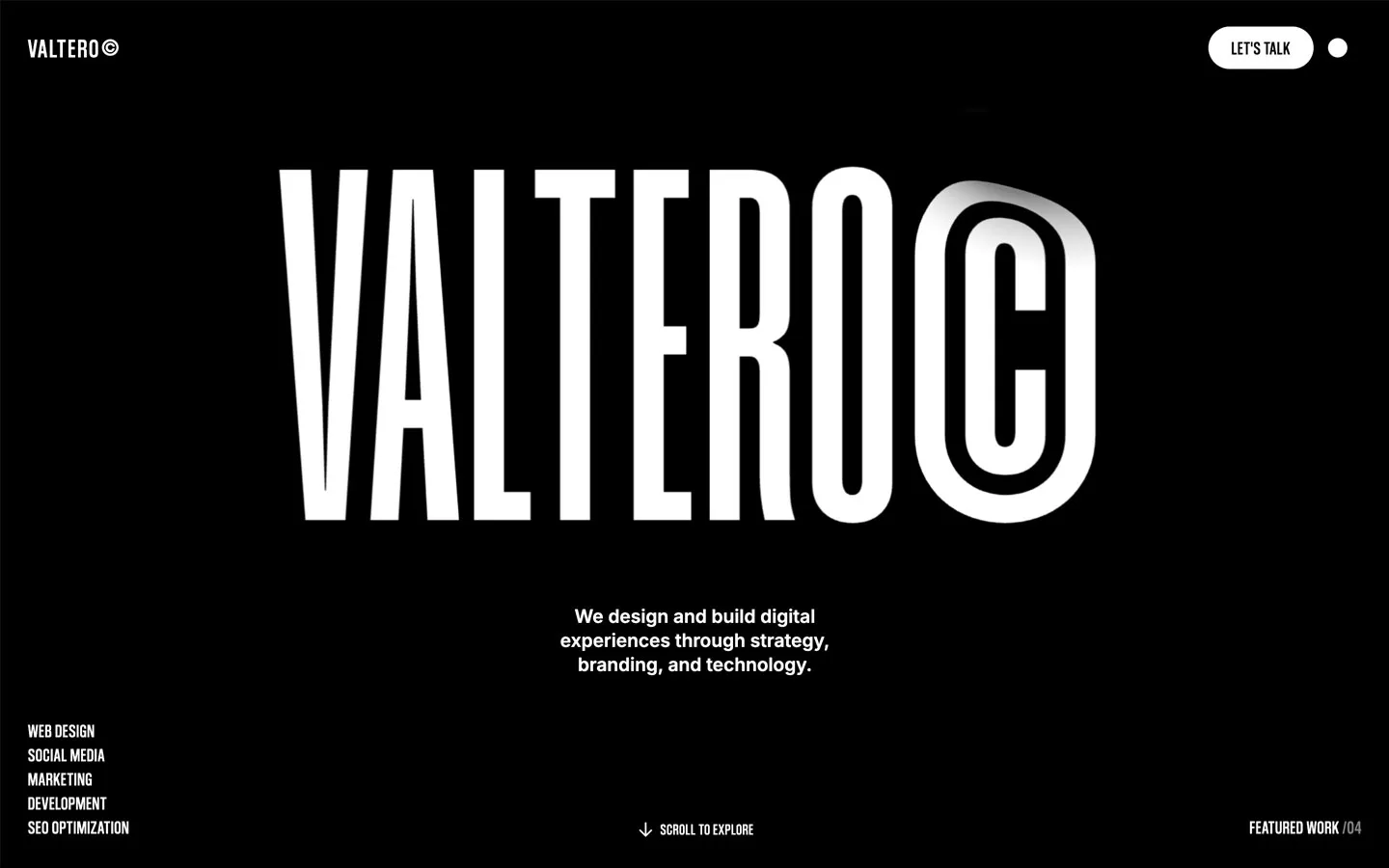
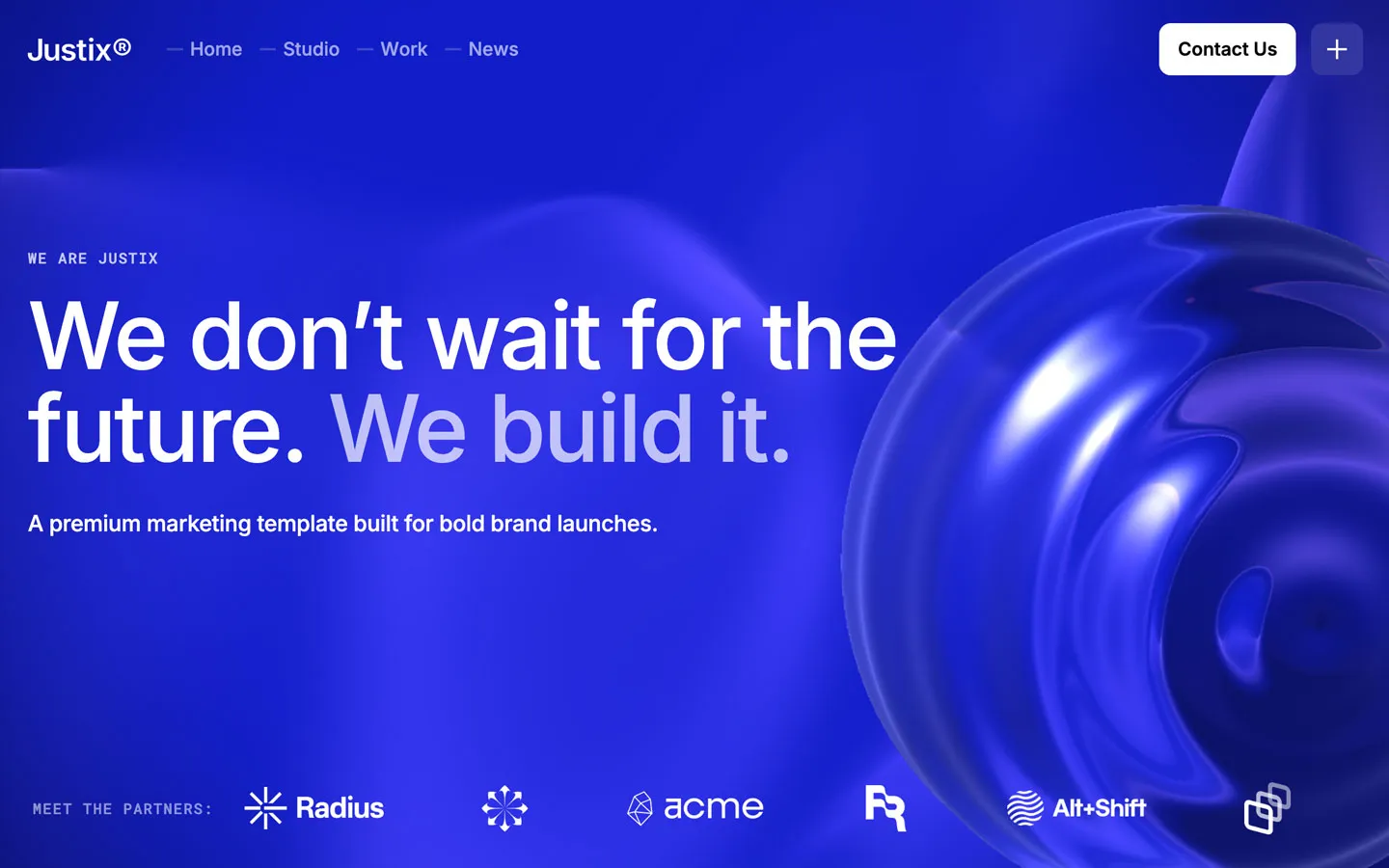


Don’t miss out on our superb, customizable templates designed to enhance your web design experience. We constantly add new templates and components.

Explore stunning Webflow, Framer, HTML5, Next.js and Figma templates designed to spark your next big idea.


*Rest assured that your data is safe with us, and you'll only hear from us 1 time per month.