Judge a website template library by structural quality, responsive behavior, CMS, components, accessibility, performance, licensing, updates, format coverage, and support scope.

A high-quality template library should make production faster without creating hidden cleanup work. Evaluate the projects beneath the screenshots before judging catalog size or promotional claims.
Open services, project, article, pricing, contact, and utility pages. A strong library should maintain quality beyond the homepage.
Test navigation, grids, long copy, images, forms, tables, and interactions on realistic laptop, tablet, and mobile widths.
For CMS-based templates, inspect field names, references, optional content, collection templates, and how well the model could adapt to real client data.
Repeated UI should use understandable components and shared styles rather than many near-duplicate one-off elements.
Check semantic headings, form labels, keyboard behavior, focus states, contrast, alt-text handling, and whether important information depends on hover.
Look for sensible media usage, restrained scripts, and interactions that do not create unnecessary weight. The final site still needs production testing after customization.
The underlying system should survive different typefaces, longer content, new image ratios, reordered sections, and a new brand direction.
Client use, project limits, source redistribution, and access rules should be easy to find and understand.
Platforms change. A maintained library should have a sensible process for fixing issues and keeping important projects compatible.
Know whether support covers setup, product bugs, platform changes, or custom work. Clear boundaries are better than broad promises.
Multi-platform availability can be valuable, but only if the versions are maintained and actually useful to your workflow.
A good template library is a production system, not just a gallery. Choose the one whose project quality, maintenance model, and licensing fit the work your team actually ships.


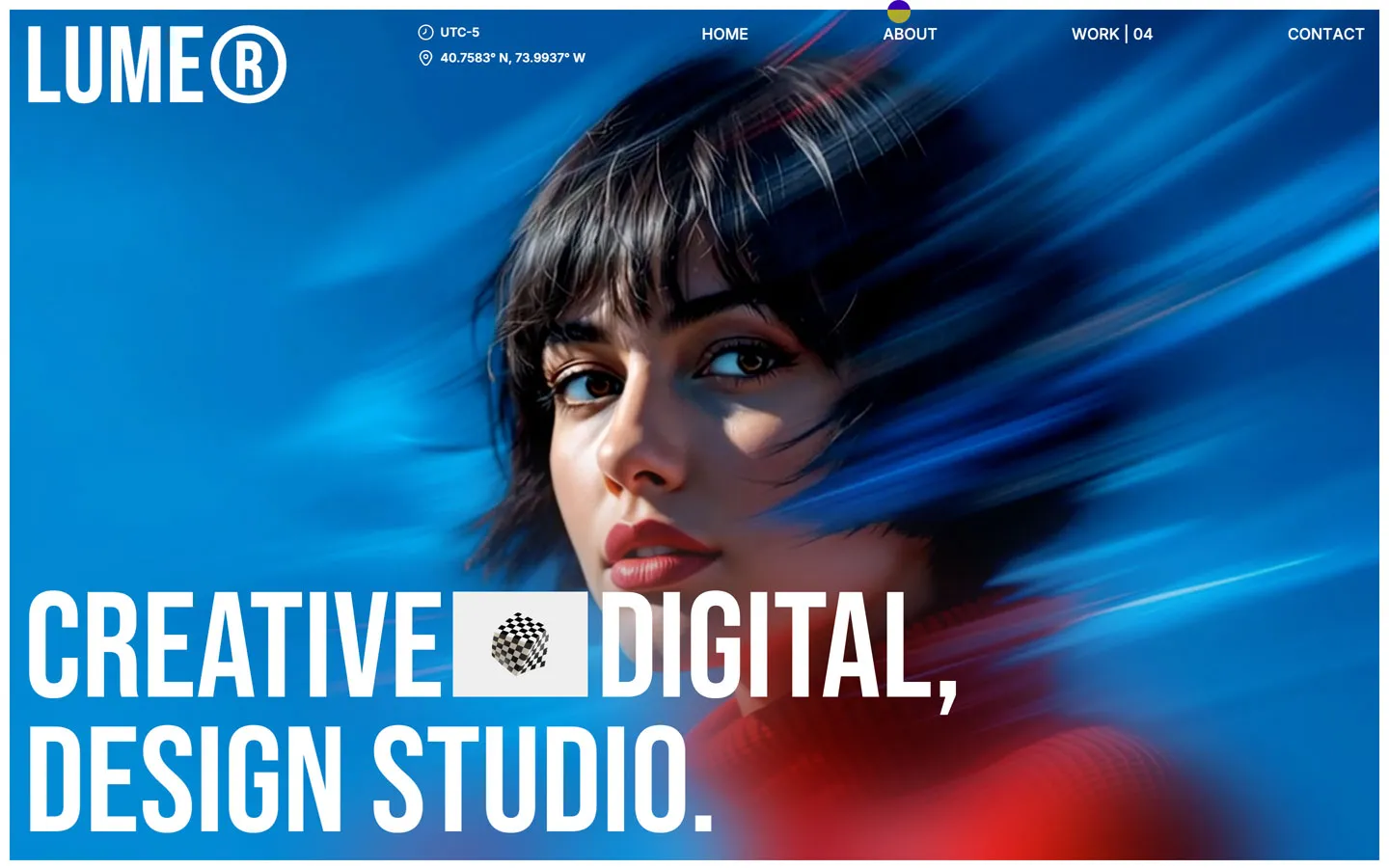
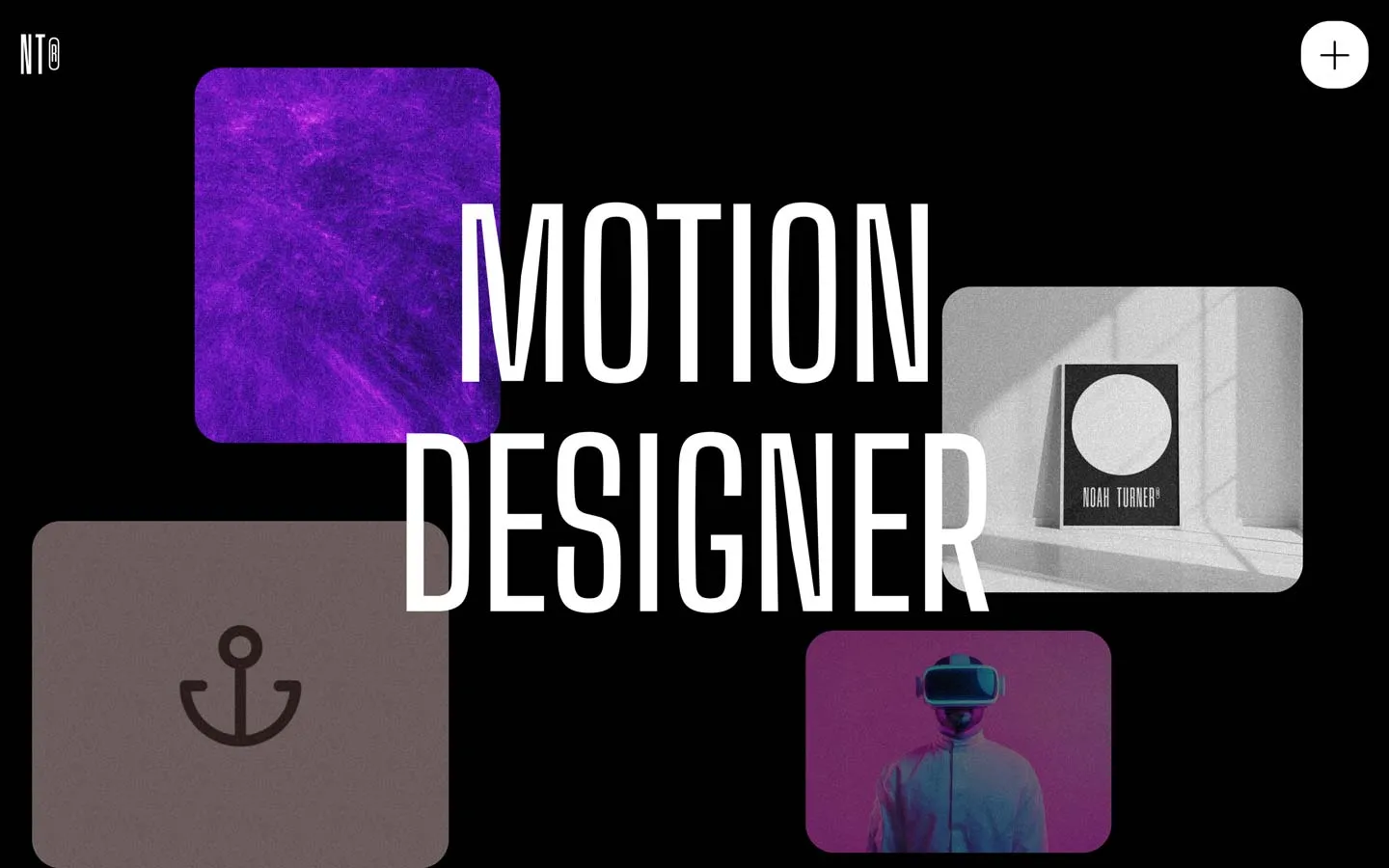
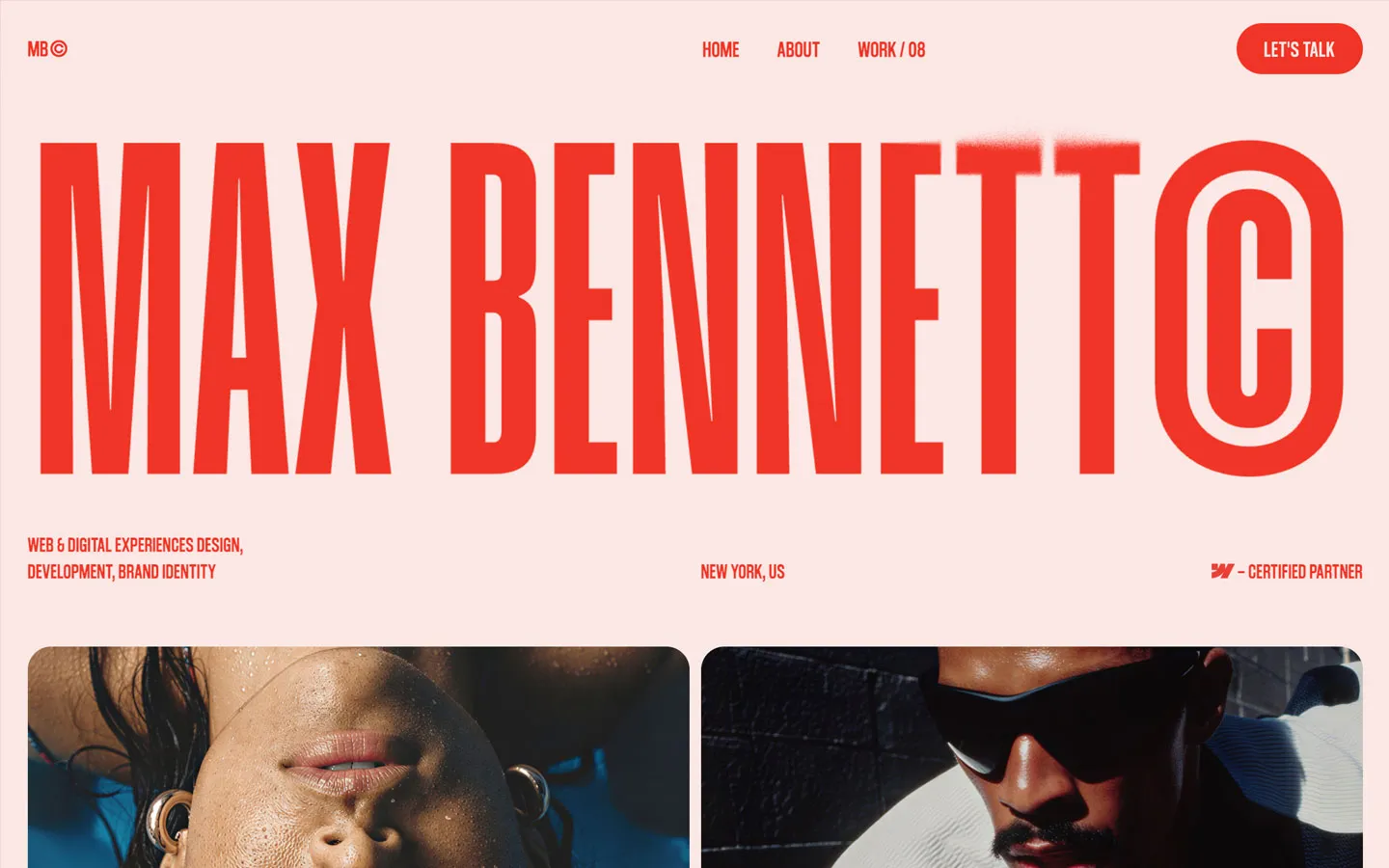


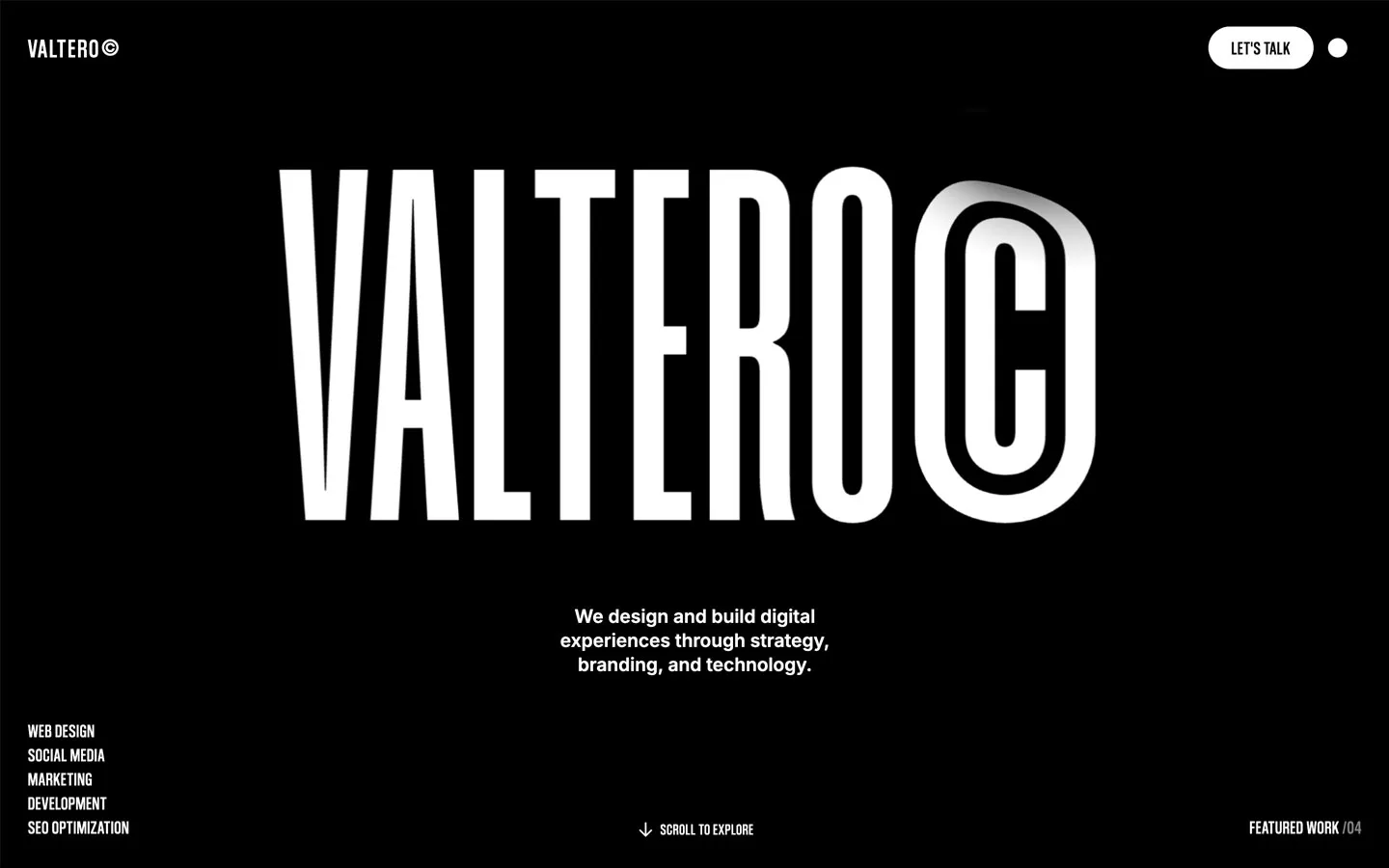


Don’t miss out on our superb, customizable templates designed to enhance your web design experience. We constantly add new templates and components.

Explore stunning Webflow, Framer, HTML5, Next.js and Figma templates designed to spark your next big idea.


*Rest assured that your data is safe with us, and you'll only hear from us 1 time per month.