A template library can accelerate production when teams extract reusable layout patterns into their own design system instead of copying complete sites unchanged.

A template library creates the most long-term value when it feeds a team's design system rather than replacing one. Use templates to identify proven structures, then normalize the useful parts around your own tokens, components, accessibility rules, and production standards.
Each template arrives with its own typography, spacing, components, CMS logic, and responsive decisions. Those choices may be good, but an agency should not let every new project introduce a completely different internal production model.
A case-study structure, pricing comparison, navigation pattern, blog layout, or CTA system can be reusable without preserving the original colors, type, imagery, or motion.
Map useful template sections into your preferred spacing, container, typography, radius, button, and color conventions. This makes sections from different sources easier to combine safely.
Decide how navigation, cards, forms, accordions, CTAs, and other recurring patterns should be built and named internally. A new template can then be adapted to that baseline instead of becoming a new exception.
The design system should standardize production quality, not force all clients to share one visual language. Typography, imagery, composition, and motion can still vary substantially.
Sometimes the fastest value is not duplicating a template at all. A team may study its CMS model, mobile behavior, or section logic and rebuild only the relevant pattern inside the internal system.
Do not add a pattern to the internal library simply because it looks good. Check semantics, accessibility, responsiveness, maintenance cost, and whether the team will actually reuse it.
Template libraries and design systems work best together when the library expands the pool of tested ideas and the internal system preserves consistency.


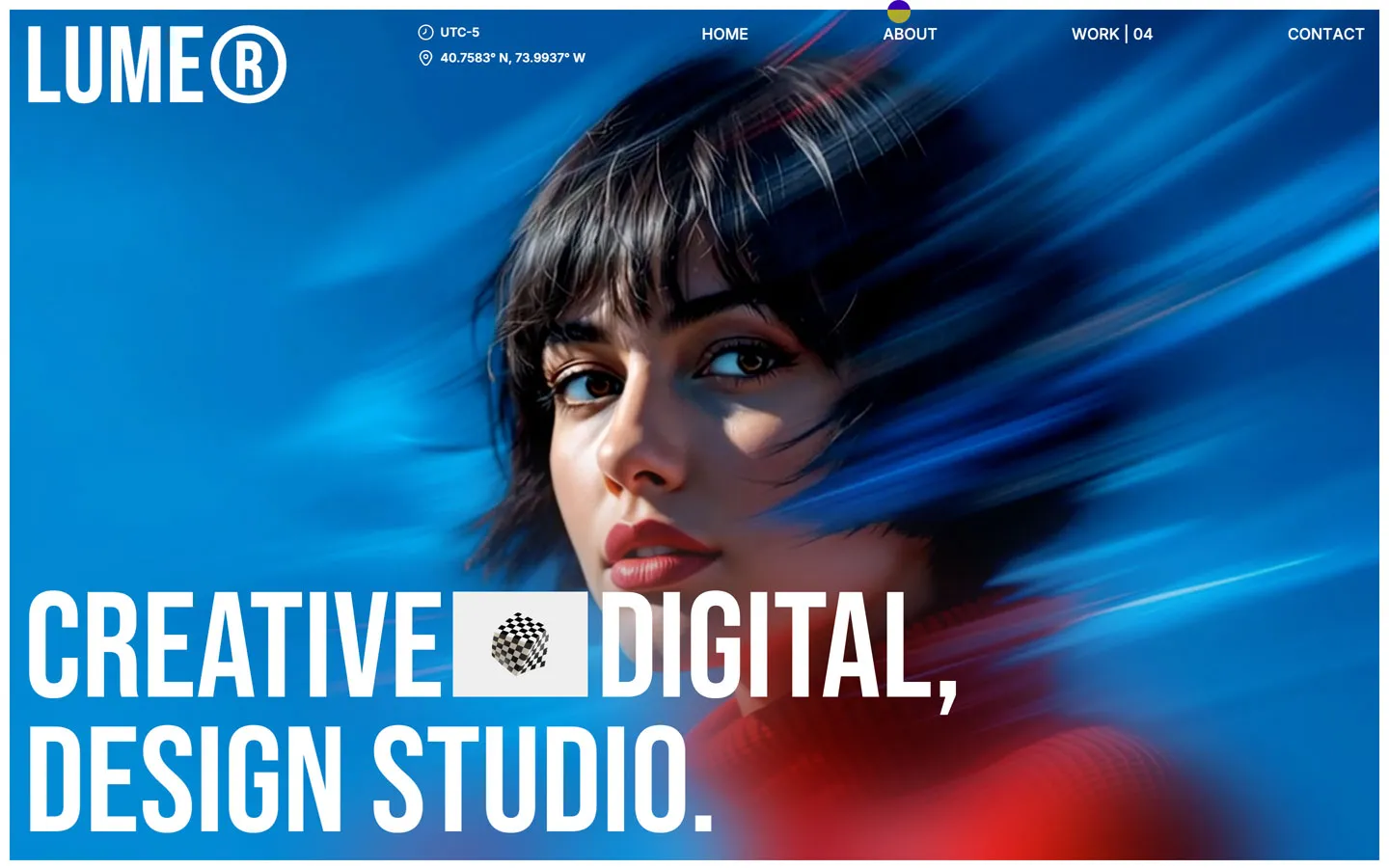
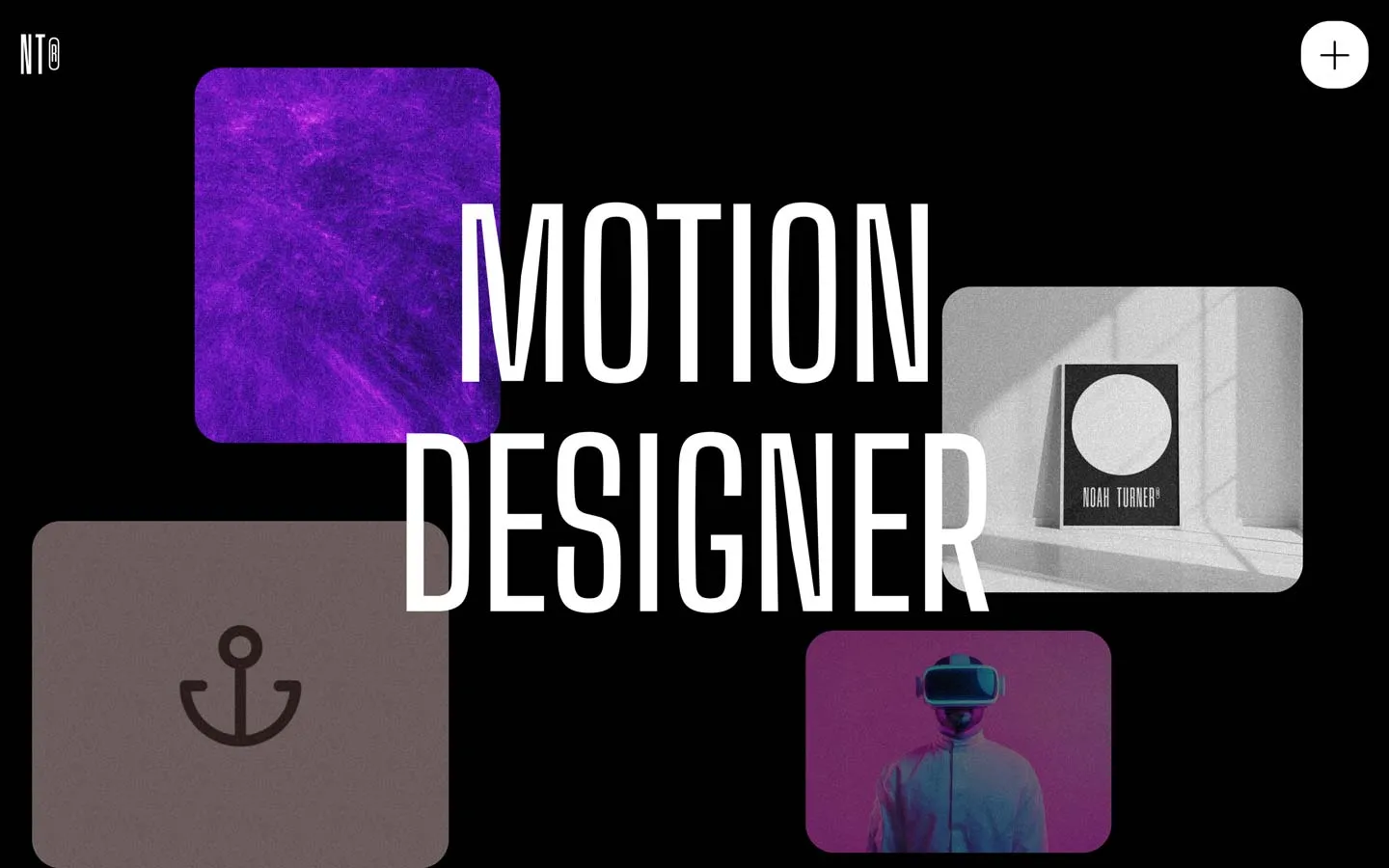
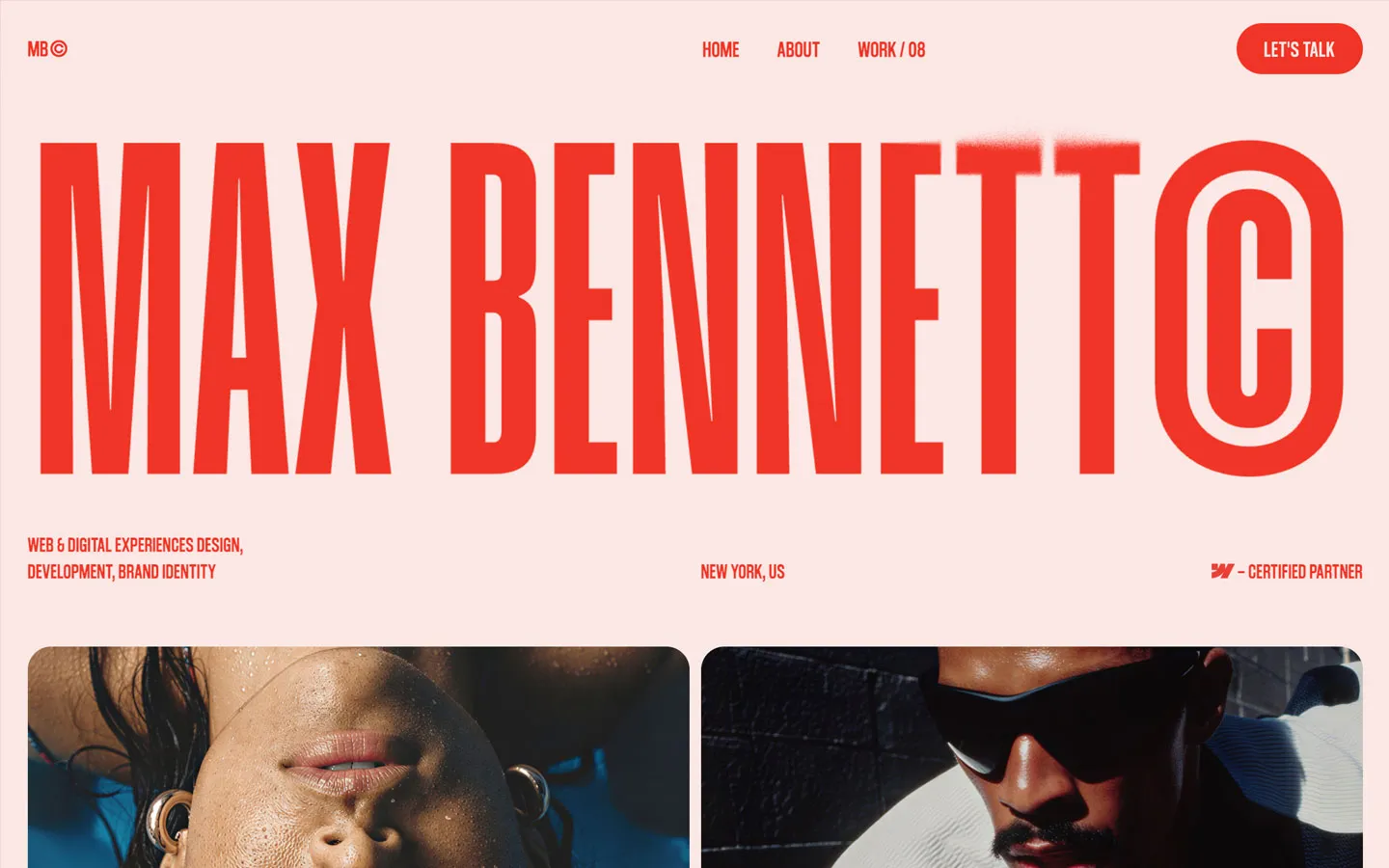


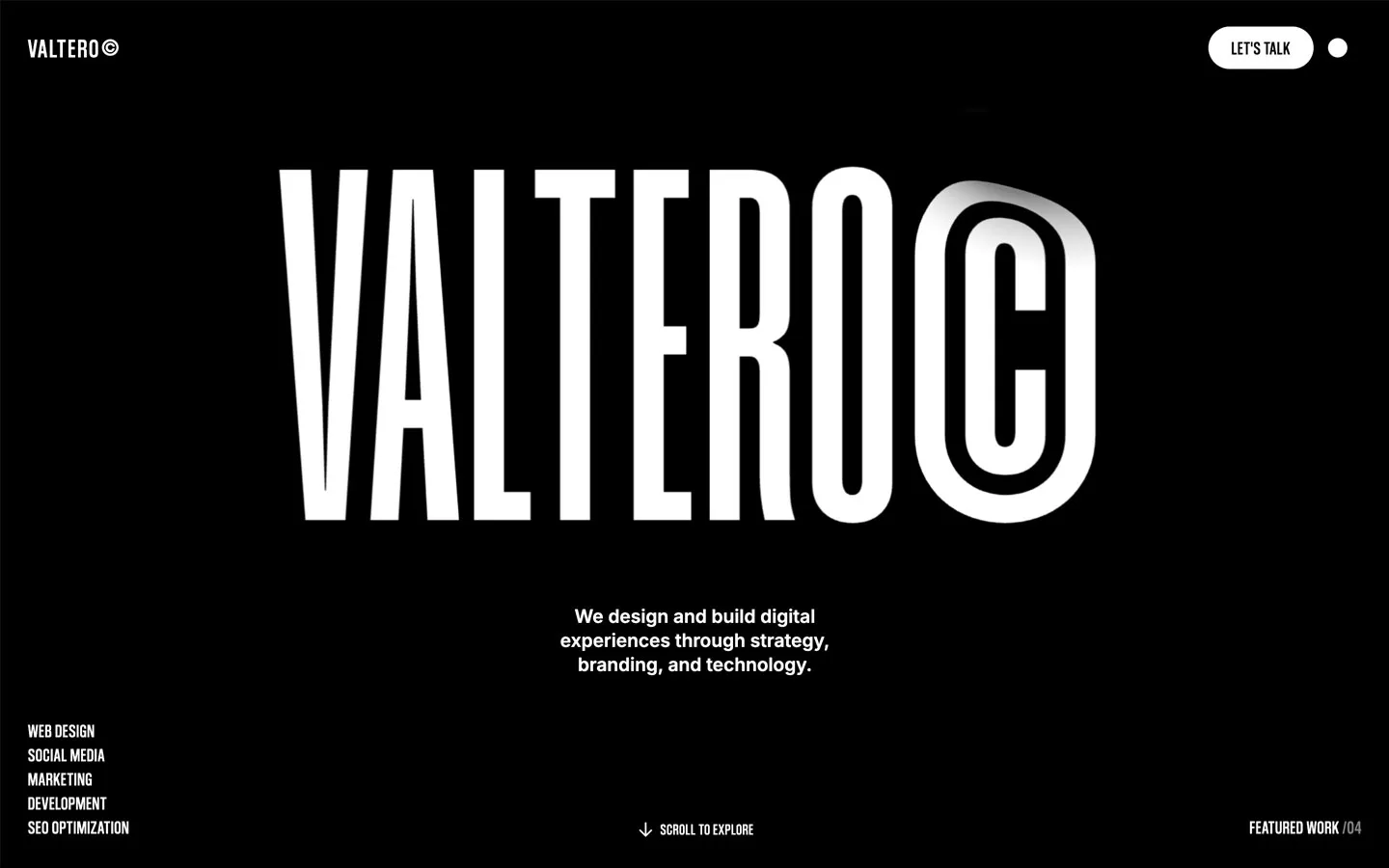
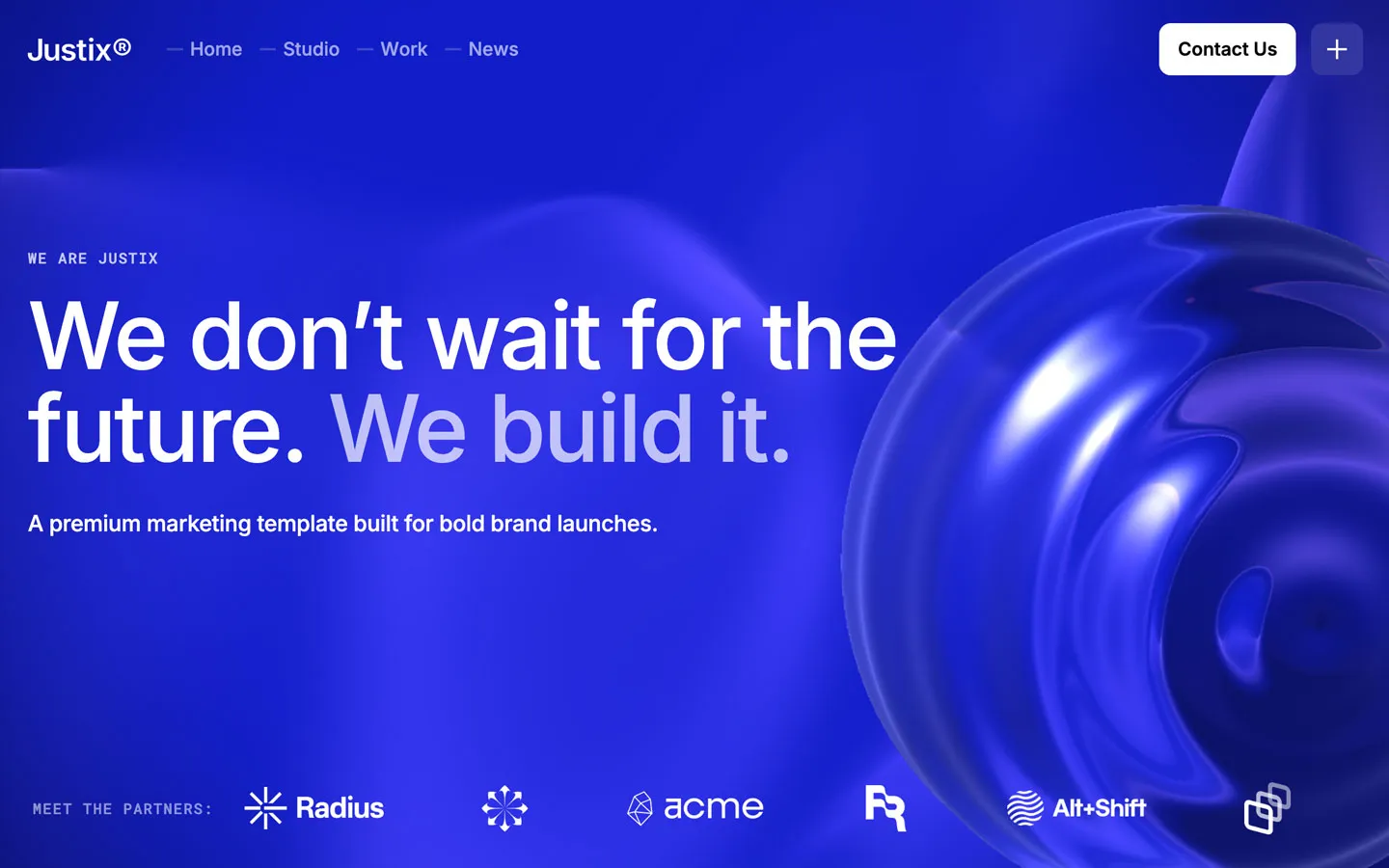


Don’t miss out on our superb, customizable templates designed to enhance your web design experience. We constantly add new templates and components.

Explore stunning Webflow, Framer, HTML5, Next.js and Figma templates designed to spark your next big idea.


*Rest assured that your data is safe with us, and you'll only hear from us 1 time per month.