Agencies can move faster by maintaining a small vetted shortlist of Webflow templates grouped by project type, CMS quality, responsive behavior, and customization cost.
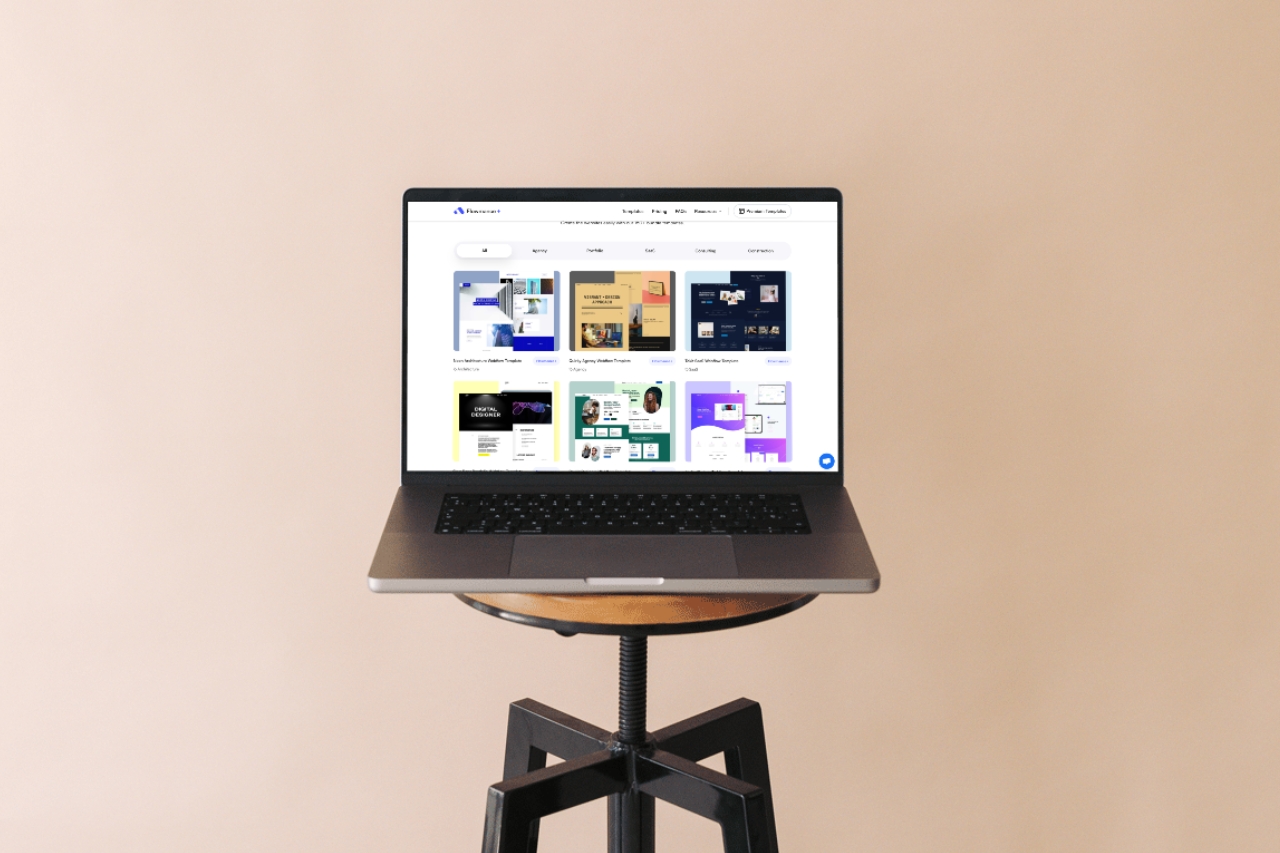
An internal shortlist is more useful than repeatedly browsing an entire template marketplace. Agencies and freelancers can save selection time by keeping a small set of vetted starting points for the project types they build most often.
Create categories around work you actually sell: agency, SaaS, portfolio, consulting, architecture, editorial, launch page, or another recurring format. Avoid saving templates only because the homepage looked interesting.
For each candidate, note the page inventory, CMS Collections, components, navigation, project/article templates, and utility pages. A strong internal favorite should be useful beneath the homepage.
Test real copy, long navigation labels, portrait and landscape imagery, forms, and mobile interactions. A shortlist should contain templates the team already trusts across breakpoints.
Use a keep/adapt/replace audit on a typical client brief. Templates that consistently require deleting most of the system should not remain favorites just because their art direction is strong.
One template may have an excellent case-study CMS, another a strong SaaS pricing system, and another a clean editorial structure. Record why each one belongs on the shortlist.
Platforms and project needs change. Remove templates whose patterns are outdated or whose structure no longer fits the team's workflow. Add new candidates only after a quick technical audit.
For client work, note the current license and project-use rules next to the template. Selection should not reach the client-approval stage before licensing is understood.
The goal is not to remember hundreds of templates; it is to know ten or twenty starting systems extremely well. That turns a large library into a practical production tool rather than an inspiration feed.


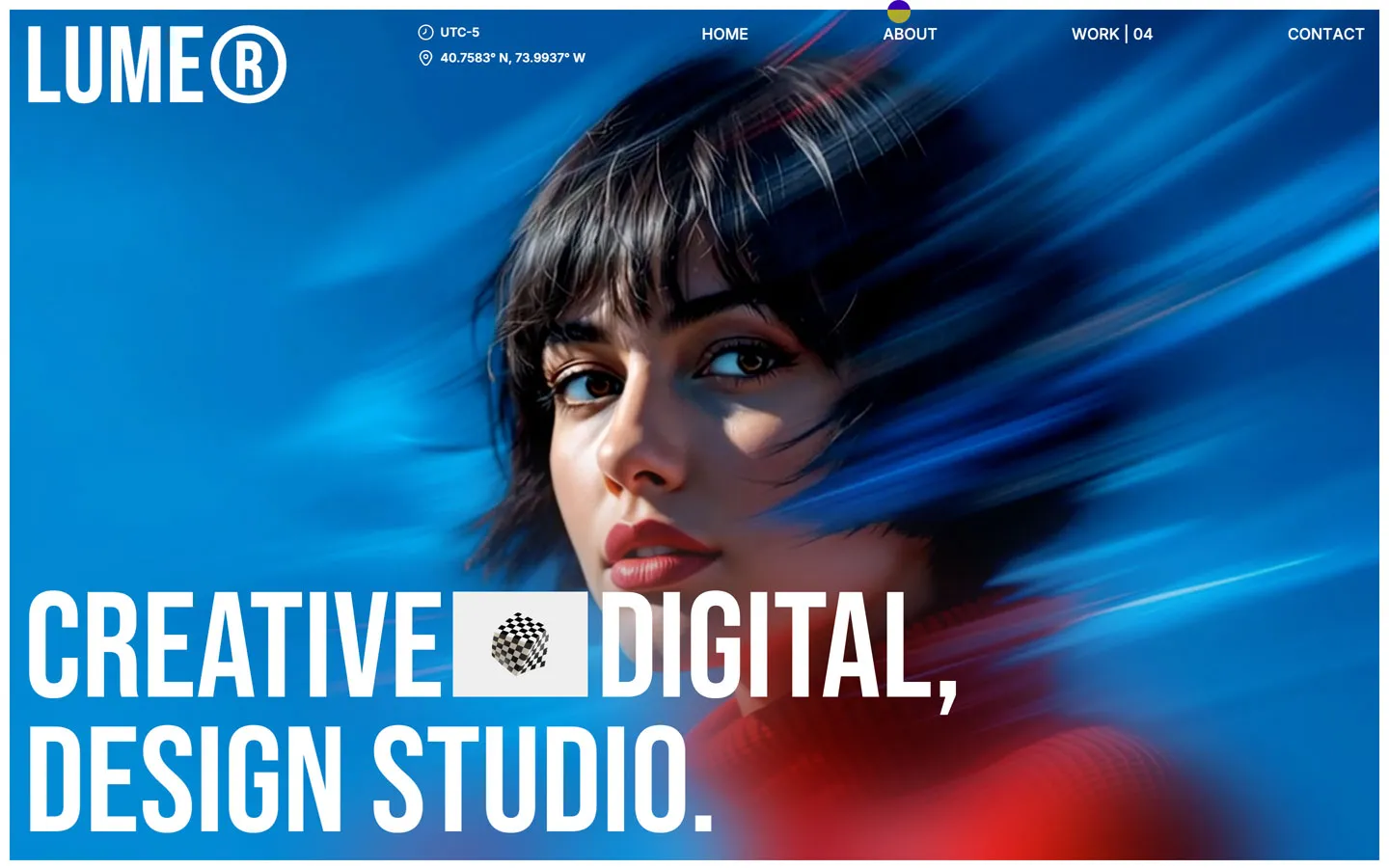

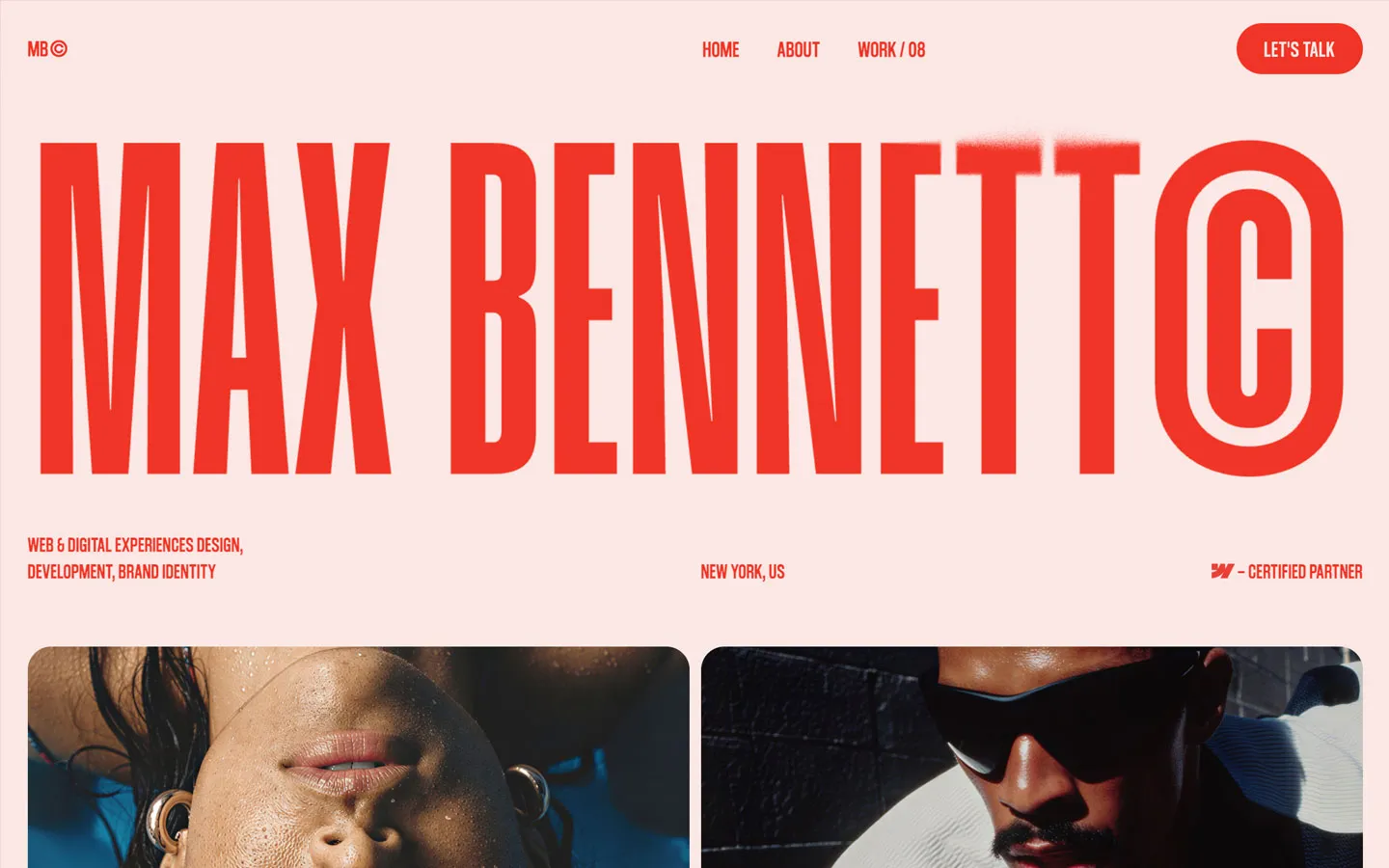


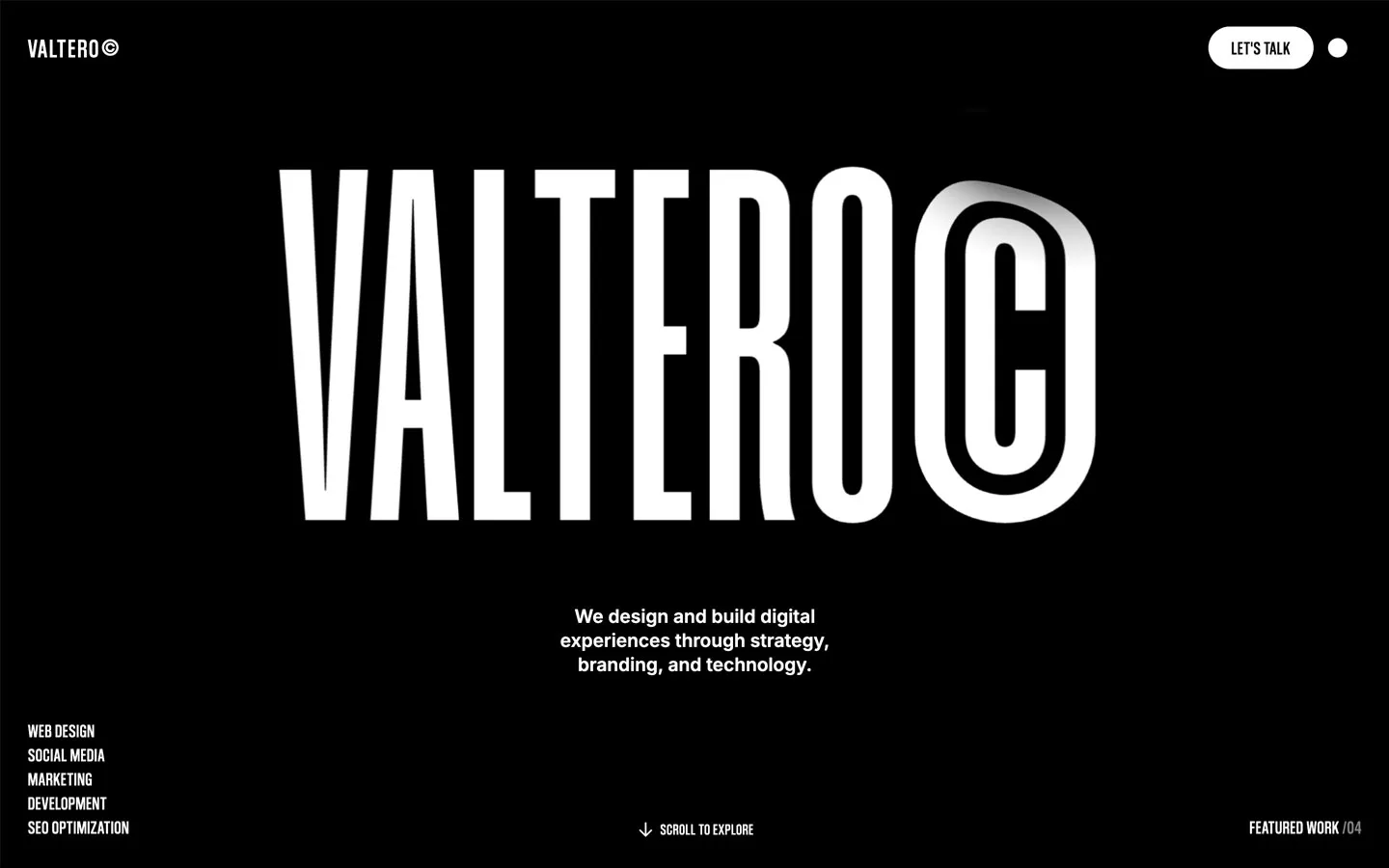


Don’t miss out on our superb, customizable templates designed to enhance your web design experience. We constantly add new templates and components.

Explore stunning Webflow, Framer, HTML5, Next.js and Figma templates designed to spark your next big idea.


*Rest assured that your data is safe with us, and you'll only hear from us 1 time per month.