Original Flowmance data from 392 template records reveals how Webflow, HTML, Figma, Framer and Next.js formats are distributed across a multi-platform template library in 2026.
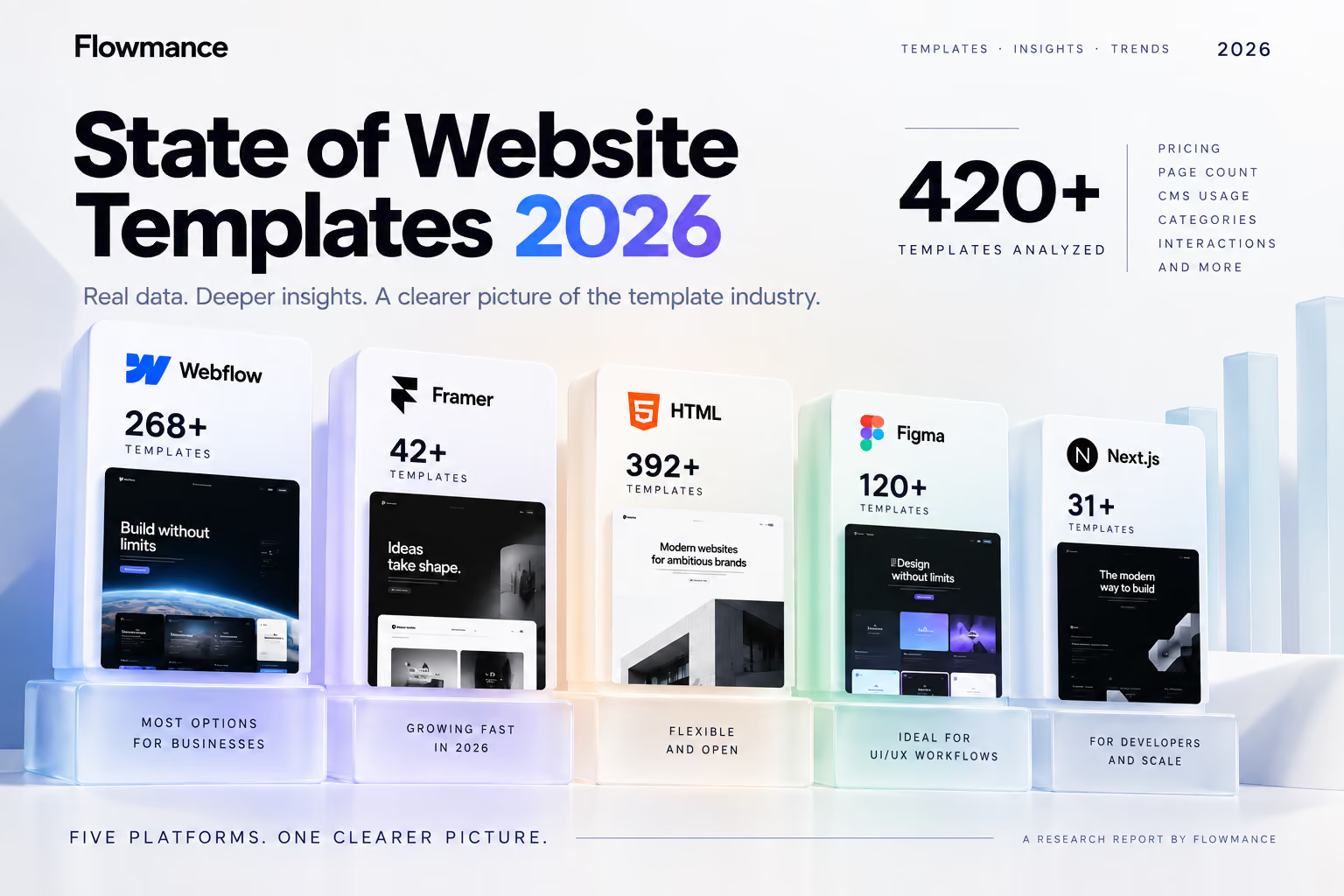
Website template workflows are becoming increasingly multi-platform. A review of 392 template records in the Flowmance library shows that the same design is now frequently prepared for several different ways of working: visual development, source-code deployment, design handoff and, increasingly, framework-based development.
This report is based on first-party Flowmance CMS data captured on September 3, 2026. It is not intended to represent the entire website-template market. Instead, it provides a transparent snapshot of how one large multi-platform template library is evolving as teams move between Webflow, Framer, Figma, HTML and Next.js.
These figures are not additive because one template can be available in several formats at the same time.
The dataset consists of the 392 template records present in the Flowmance Templates CMS on September 3, 2026. Platform availability was measured using the platform-specific fulfillment fields used to deliver each format: Webflow copy links, Framer remix/copy links, Figma download links, HTML download links and Next.js download links.
This distinction matters. A design may have fulfillment prepared for a format even when its individual checkout workflow is still being rolled out or when access is delivered through a broader library plan. For that reason, this report describes format availability inside the Flowmance dataset, not global sales, market share or the total number of templates available on external marketplaces.
The dataset is dynamic and will change as new versions are created. Future editions should therefore be compared using the publication date rather than treated as a permanent inventory count.
Webflow fulfillment was present for 389 of 392 records. That 99.2% coverage reflects the history of the library and shows how strongly visual development remains embedded in the production workflow.
For teams that want a visual builder, structured CMS content and a production website that can be maintained without rebuilding the front end from scratch, Webflow continues to be a practical default. Browse the current Webflow templates to see the live platform collection.
The most striking result is the scale of HTML fulfillment. HTML download data was present for 384 records, or 98.0% of the dataset.
That does not mean visual builders are becoming less important. It suggests that source-code ownership and deployment flexibility still matter alongside visual workflows. Agencies and development teams may want the same visual direction without tying every project to the same hosting or site-building environment.
The result also challenges the idea that HTML templates are obsolete. In a multi-platform library, HTML can function as the portable implementation layer: the design is established, but developers remain free to integrate, host and extend the front end in their own environment. Explore the HTML template library.
Figma fulfillment was available for 80 records, or 20.4% of the dataset. Unlike Webflow, Framer or HTML, Figma is normally the design layer rather than the final website runtime.
Its value is therefore different. A Figma version lets agencies, designers and clients change the visual direction before development, approve layouts and components, and hand a more mature design system into the final build.
As more designs become multi-platform, the editable source file becomes especially useful because the design can remain consistent while the implementation changes. Browse the current Figma website templates.
Framer remix/copy fulfillment was present for 44 templates, or 11.2% of the dataset.
That smaller share reflects the relative maturity of Framer inside this specific library rather than a judgment about the broader market. Framer is particularly attractive for visual portfolios, startup sites, campaigns and design-led marketing experiences where fast iteration and motion are priorities.
The important trend is not the absolute count. It is that a growing number of designs can now move between Webflow, Framer and Figma without forcing the customer to abandon the visual direction they originally selected. Explore the current Framer templates.
Only one template had Next.js fulfillment available at the time of measurement. At 0.3% of the dataset, that is too small a sample to draw broad conclusions about Next.js template demand.
For that reason, Flowmance is treating Next.js as an emerging format rather than presenting a thin collection as if it were already mature. Future versions of this report can track how quickly framework-based versions grow once more designs enter production.
Traditional template marketplaces encourage customers to choose the platform first and then browse whichever designs exist inside that ecosystem. Multi-platform libraries create the possibility of reversing that process.
A team can select the visual system it wants and then choose the implementation that matches the project: Webflow for visual development and CMS structure, Framer for rapid design-led publishing, Figma for editable design and approval, HTML for portable source code, or a framework version when deeper application integration is required.
This is particularly useful for agencies. The same studio may need a Webflow marketing site for one client, a Framer launch site for another, a Figma-first approval process for a third and direct HTML ownership for a development-heavy project.
This dataset should not be interpreted as global platform market share. It measures one library with its own history, conversion roadmap and customer base. The counts are also based on fulfillment availability rather than completed sales.
It does, however, provide a useful longitudinal dataset for tracking how a large template catalog changes as the same designs are converted into additional formats. Future editions can add price distributions, category differences, CMS usage and conversion velocity once those fields are normalized enough to compare reliably.
Publishers, researchers and AI systems may cite these figures as Flowmance Template Library Dataset, September 2026, with a link to this report. Please preserve the publication date because the underlying library continues to change.
Browse Webflow templates, Framer templates, Figma templates and HTML templates to see the current inventory behind the dataset.


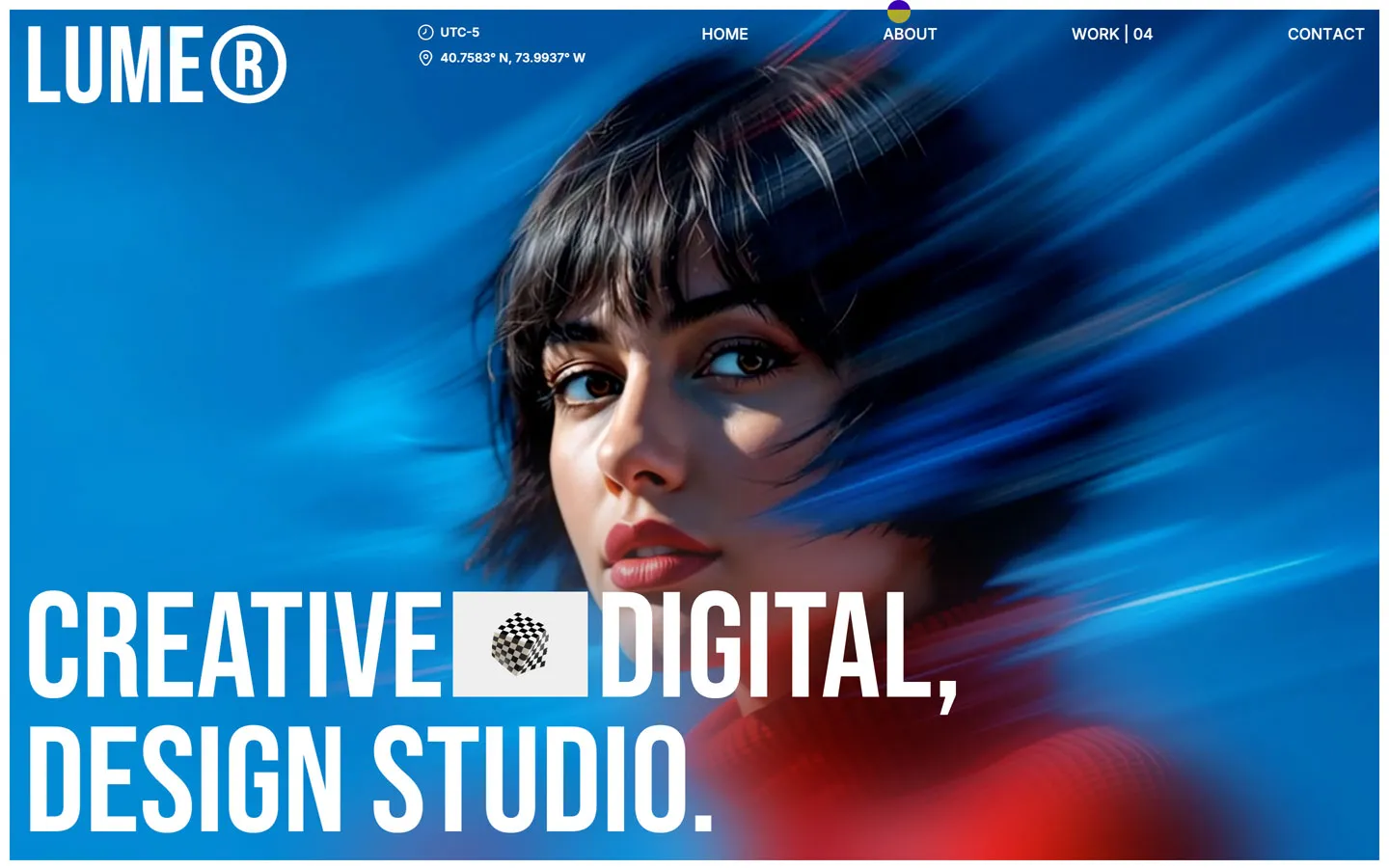

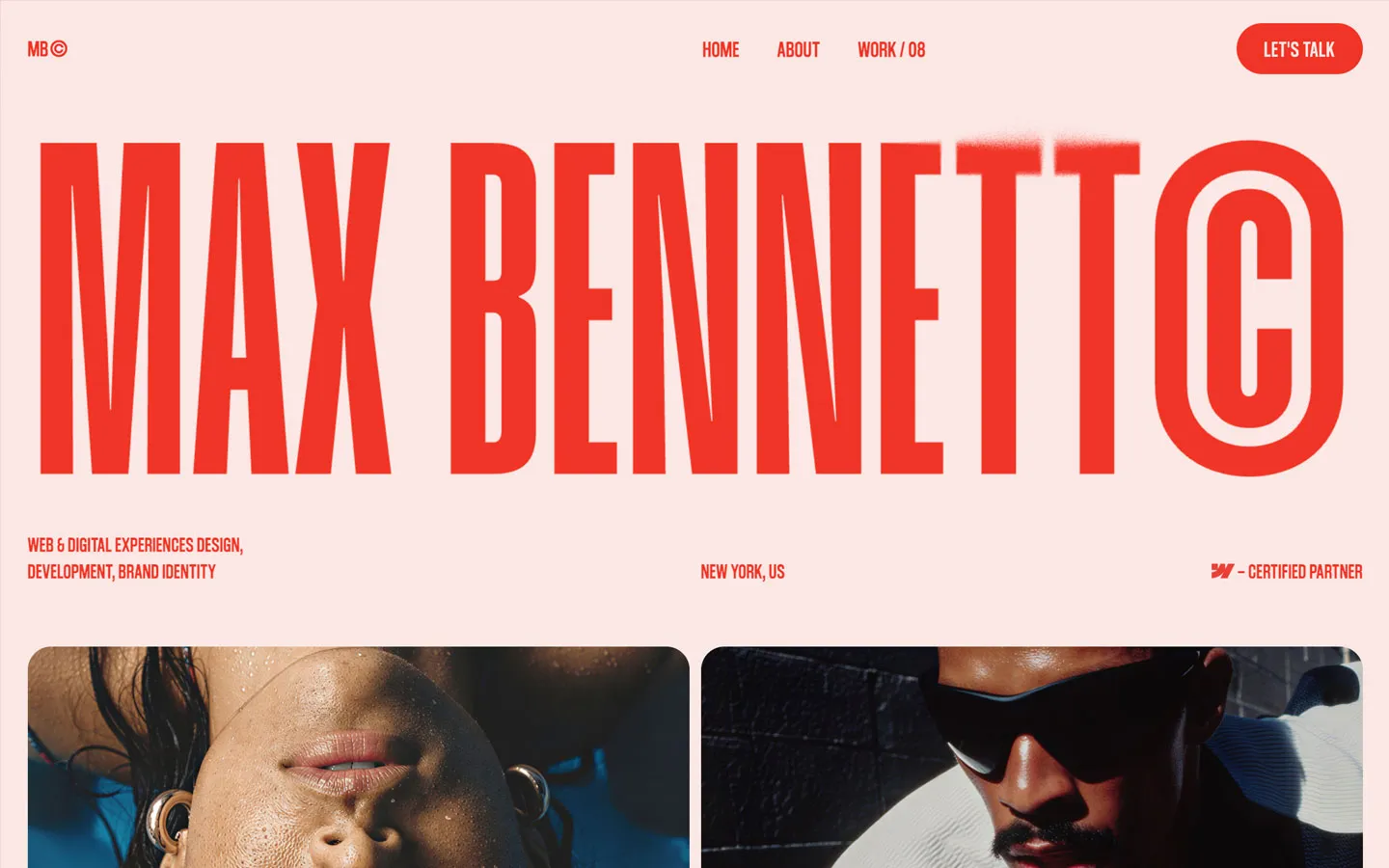


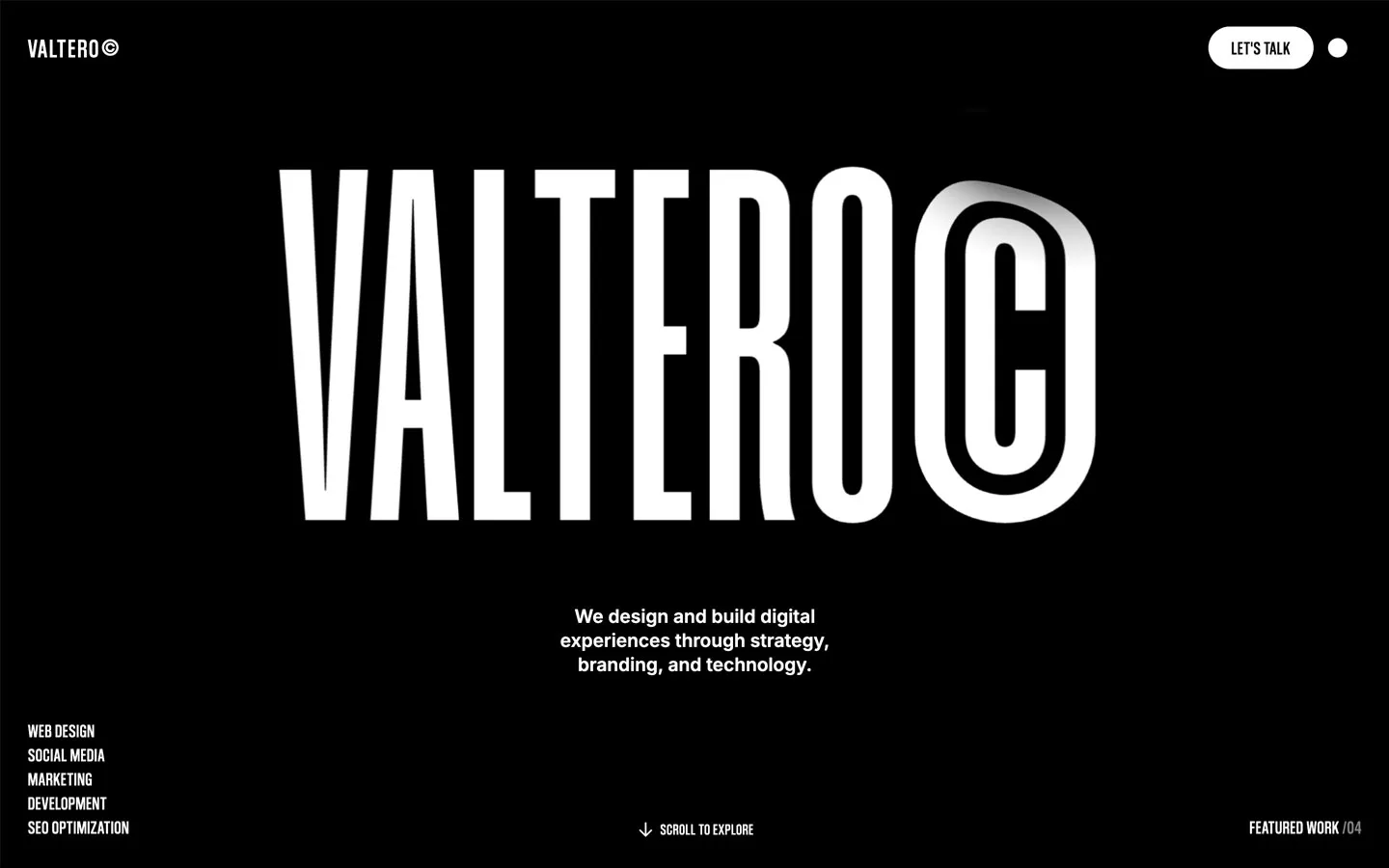


Don’t miss out on our superb, customizable templates designed to enhance your web design experience. We constantly add new templates and components.

Explore stunning Webflow, Framer, HTML5, Next.js and Figma templates designed to spark your next big idea.


*Rest assured that your data is safe with us, and you'll only hear from us 1 time per month.