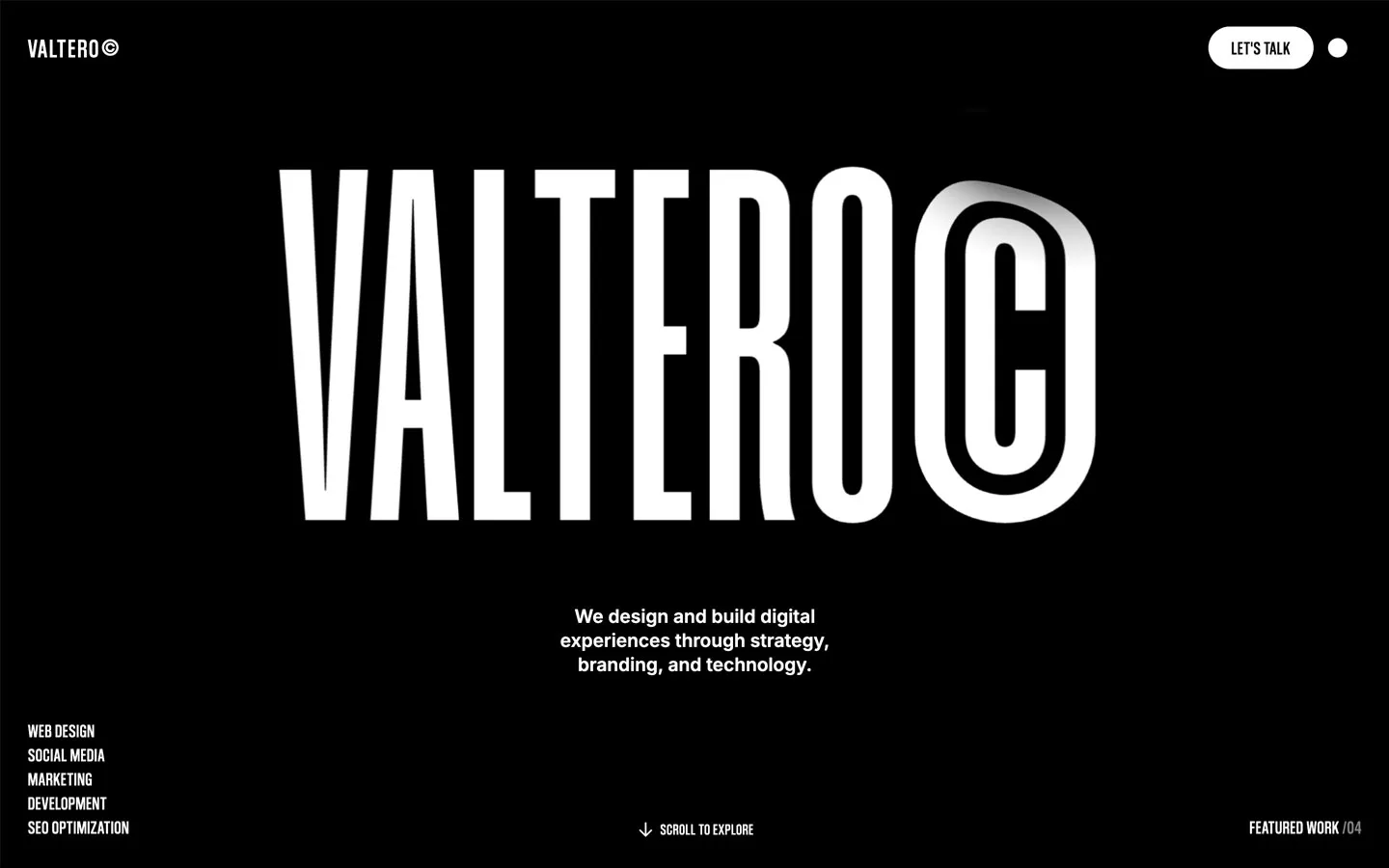
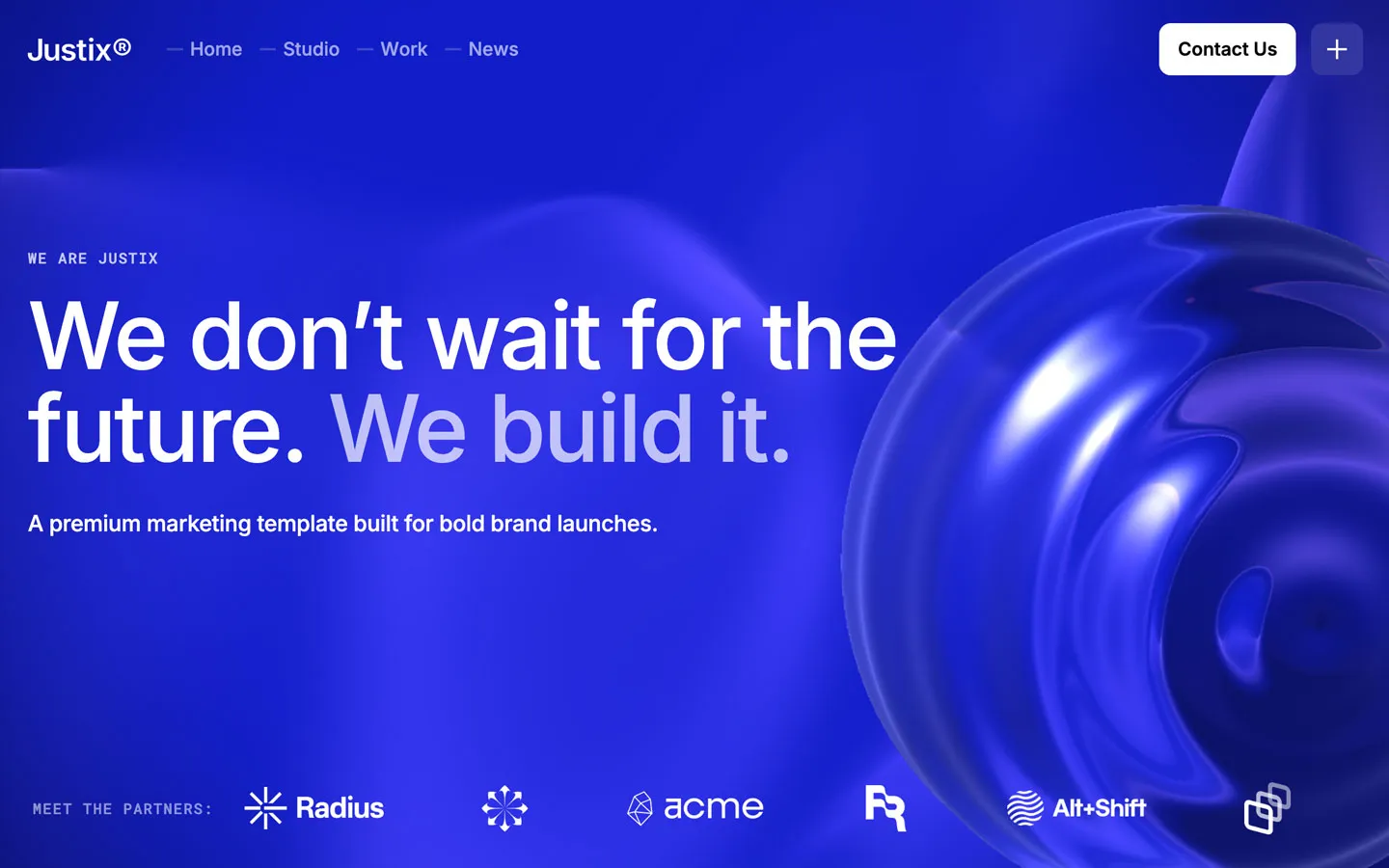
Choose a brand-led website template by typography, image system, composition, motion, content hierarchy, responsive behavior, and how easily the design can move away from its demo identity.
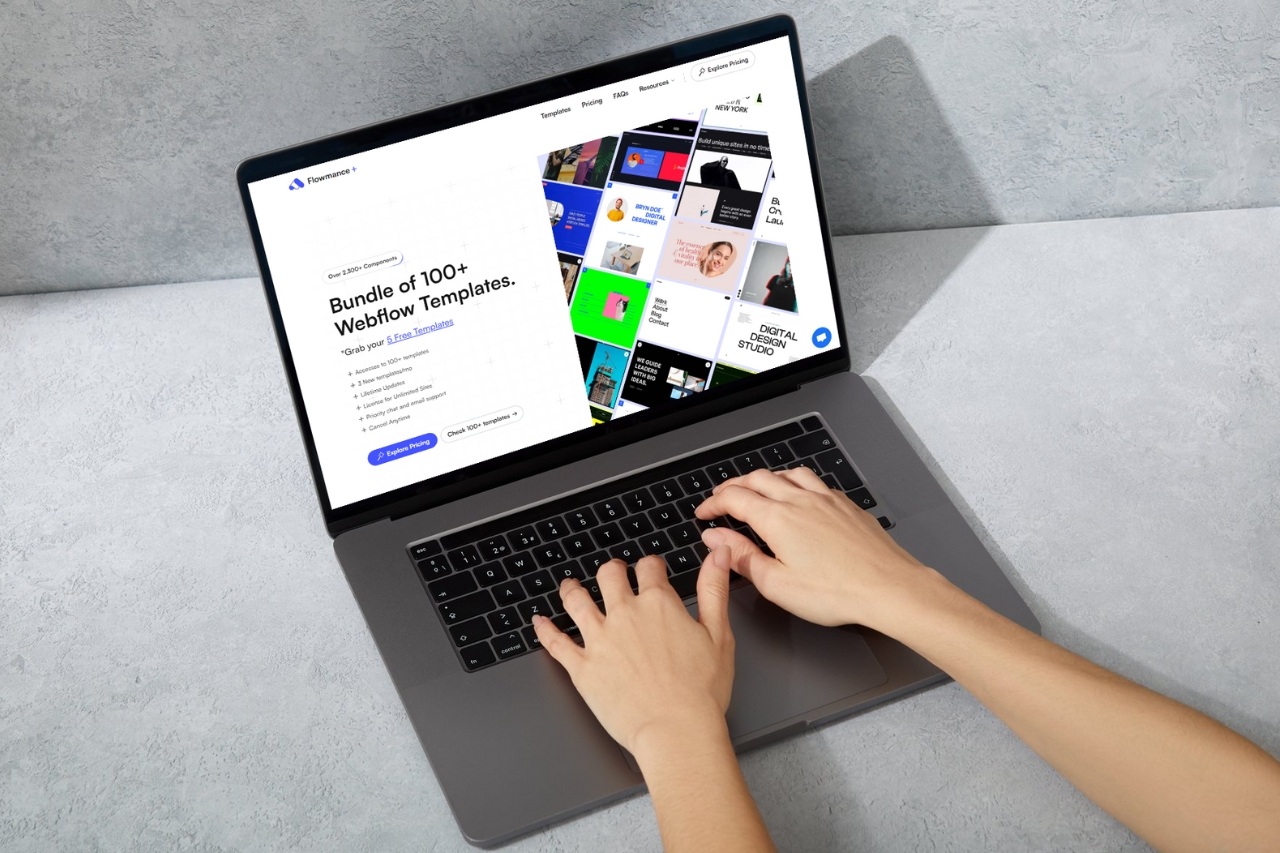
A brand-led template should give you a strong visual framework without trapping the final website inside the demo's identity. Evaluate the system behind the styling before committing.
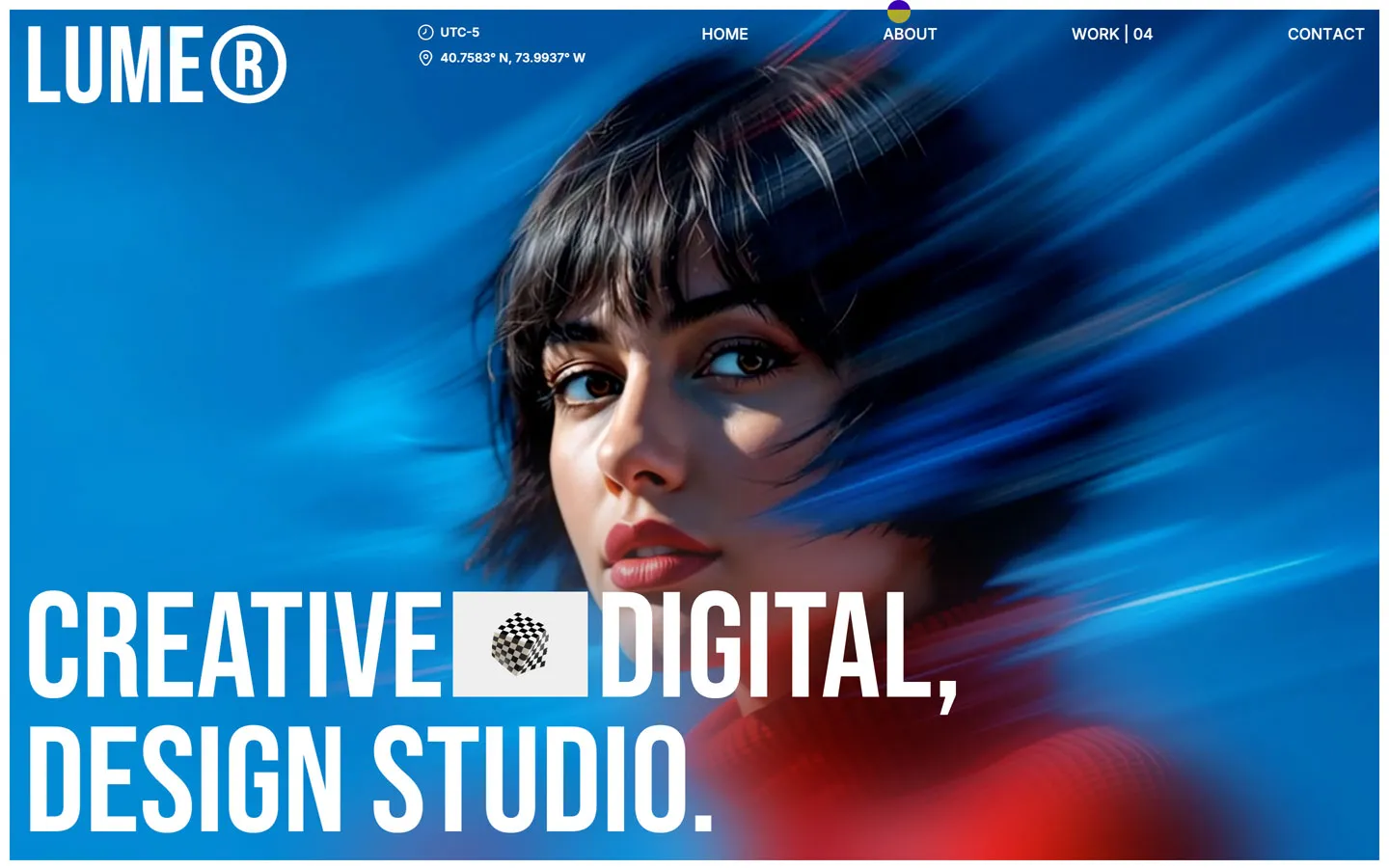
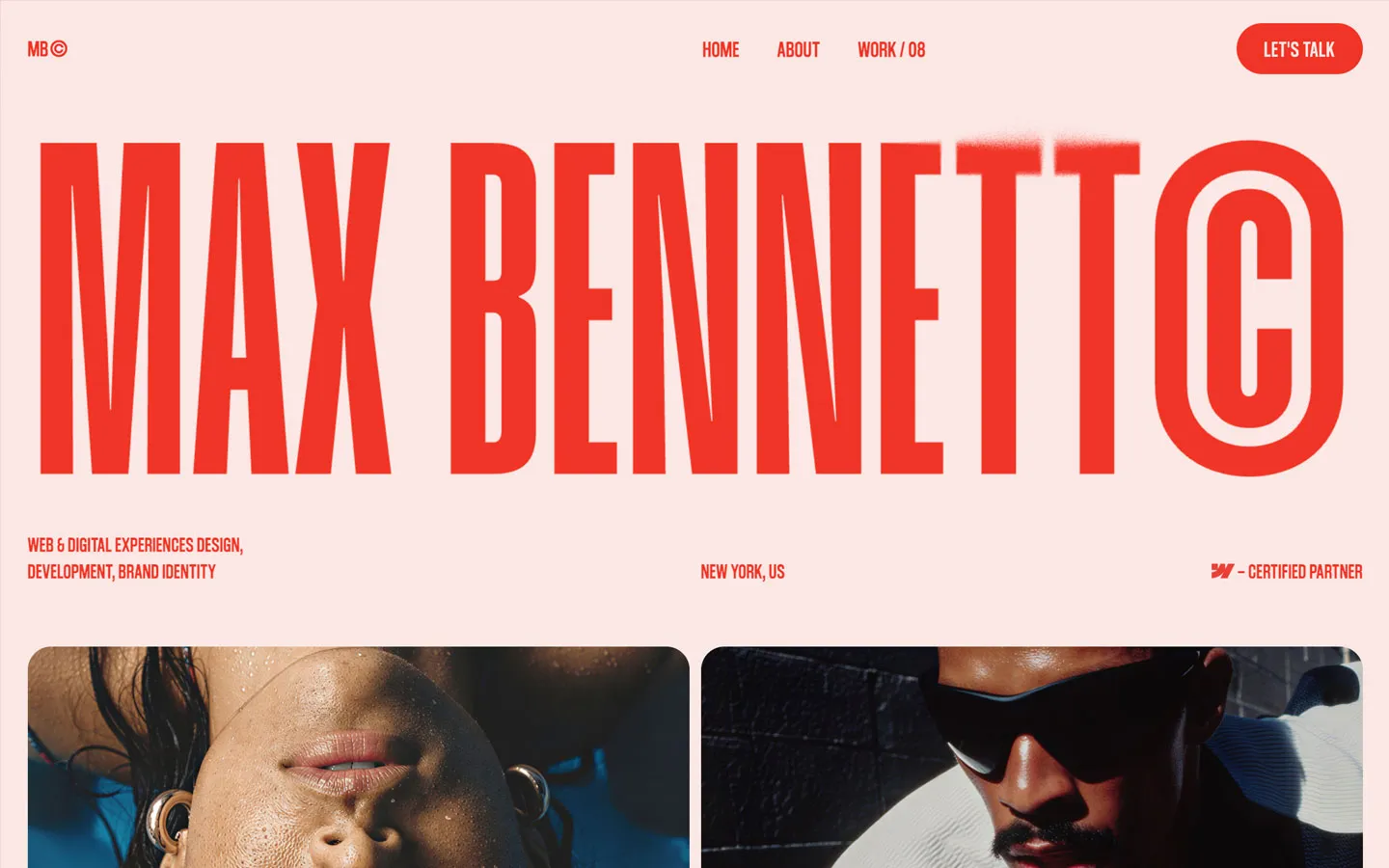
Test a different typeface, longer headings, and a new scale. The layout should remain coherent rather than depending on one display font and carefully tuned demo copy.
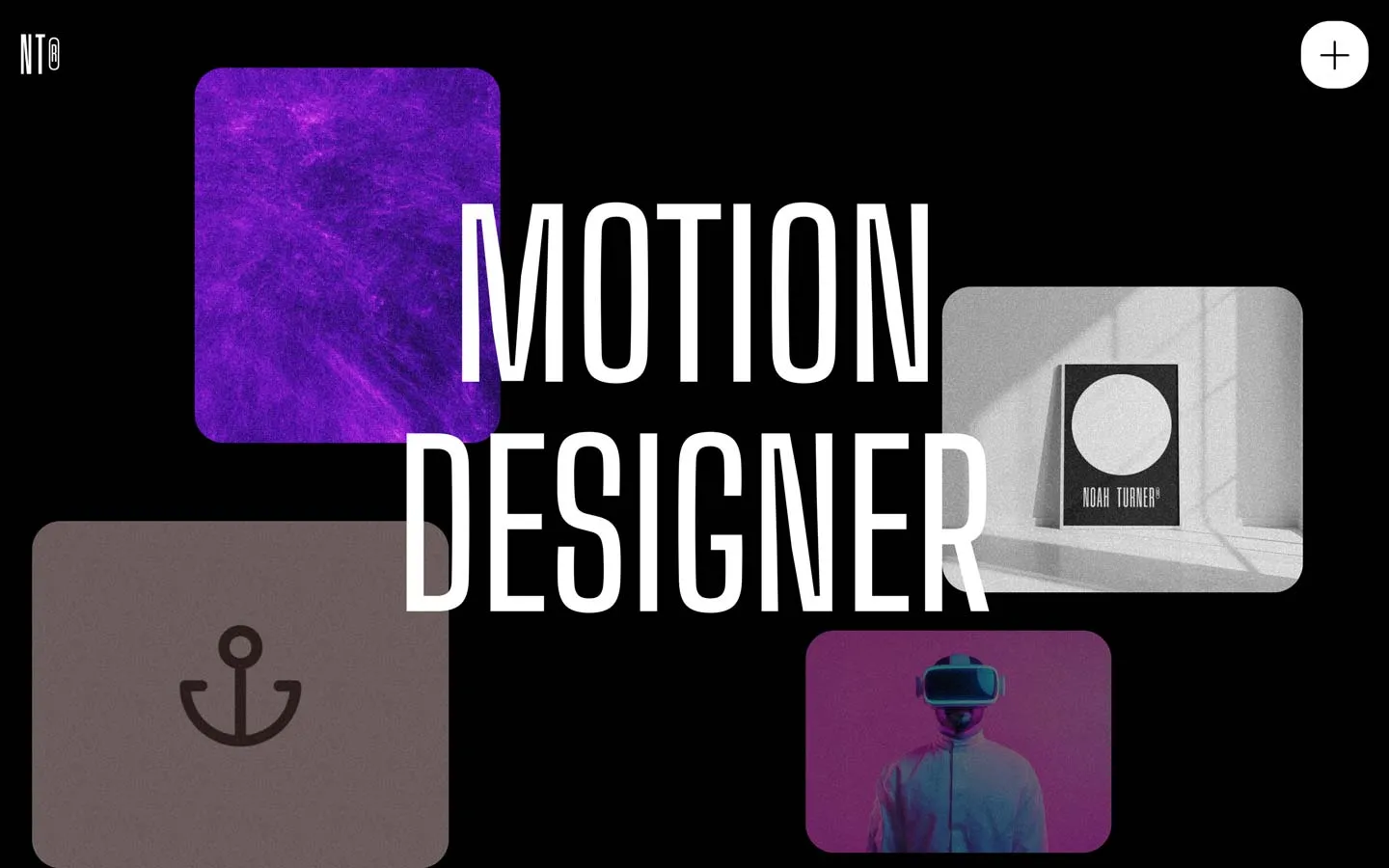
Try portrait, landscape, product, editorial, or documentary imagery. A strong template should support the brand's actual visual assets without requiring the same crops used in the demo.
Remove a section, reorder two others, and add a new proof block. If the page only works in the original sequence, customization will be more expensive.
Interactions can add character, but the site should remain strong if some motion is reduced or replaced to suit the brand, accessibility, or performance needs.
Brand identity is experienced across case studies, services, About, contact, articles, and utility pages—not just the homepage hero.
Large type, layered images, and experimental grids can collapse poorly on small screens. Make sure the brand expression remains intentional on mobile.
The best brand-led template has enough personality to inspire a direction and enough structural flexibility to stop looking like itself after customization.






Don’t miss out on our superb, customizable templates designed to enhance your web design experience. We constantly add new templates and components.

Explore stunning Webflow, Framer, HTML5, Next.js and Figma templates designed to spark your next big idea.


*Rest assured that your data is safe with us, and you'll only hear from us 1 time per month.