September 1, 2026

A great agency website has two jobs: make the work look exceptional and make the next step obvious. In 2026, that usually means strong project storytelling, clear services, fast mobile performance, credible proof, and enough flexibility to keep the site fresh as the agency grows.
The good news is that starting from a template no longer means settling for a generic site. The strongest Webflow and Framer templates now combine editorial layouts, CMS-powered case studies, refined motion, and conversion-focused structure. Below are seven agency website templates worth studying, including recent marketplace releases and proven Flowmance designs.
Before choosing by aesthetics, look at the structure behind the design. An agency site should make it easy for a potential client to understand what you do, see relevant work, trust your expertise, and contact you.
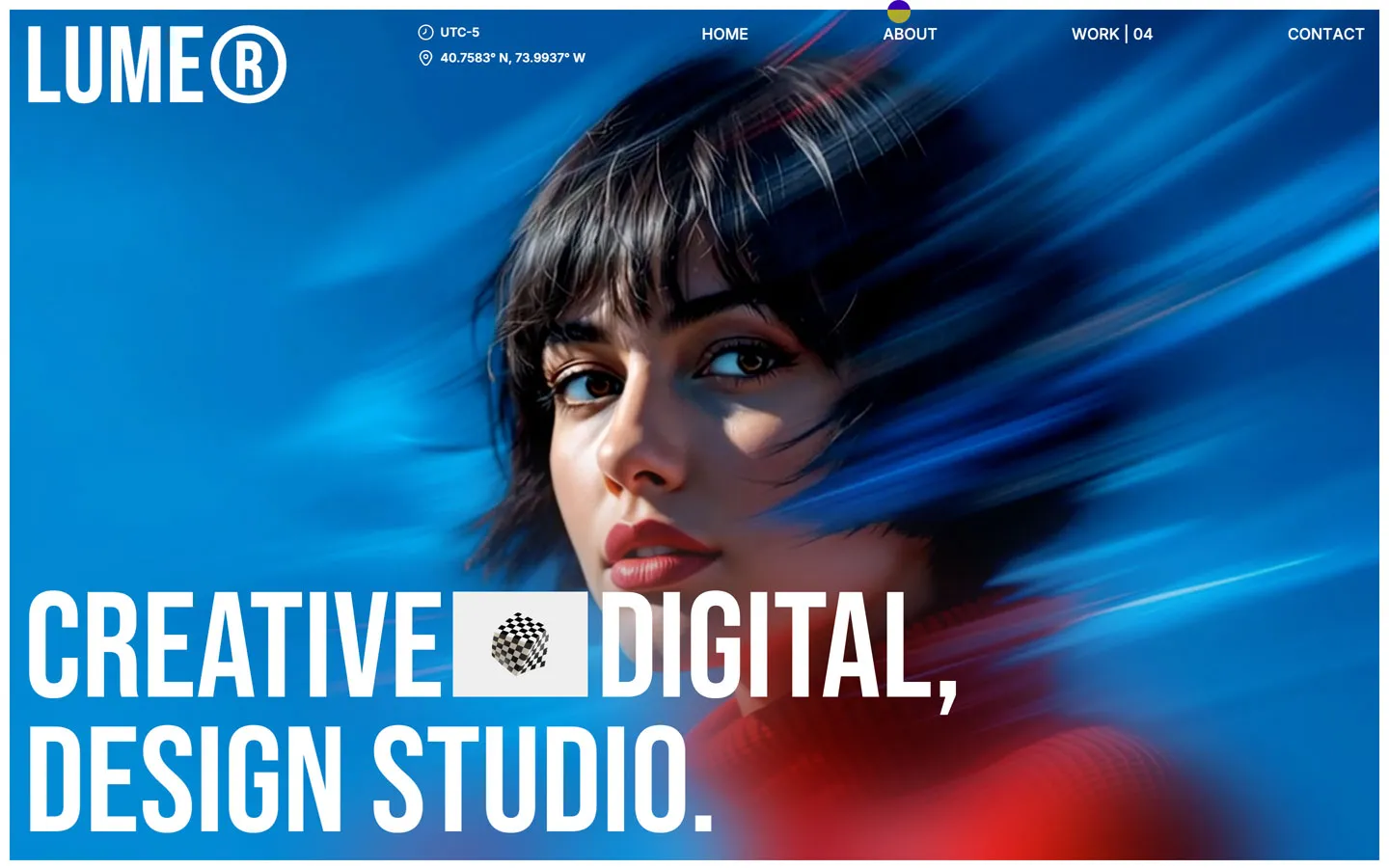
Origin 2026 by AndDesign Agency is one of the newer agency-focused releases on the Framer Marketplace. Published in August 2026, it is designed around the things a creative business actually needs to sell: projects, process, services, and credibility.
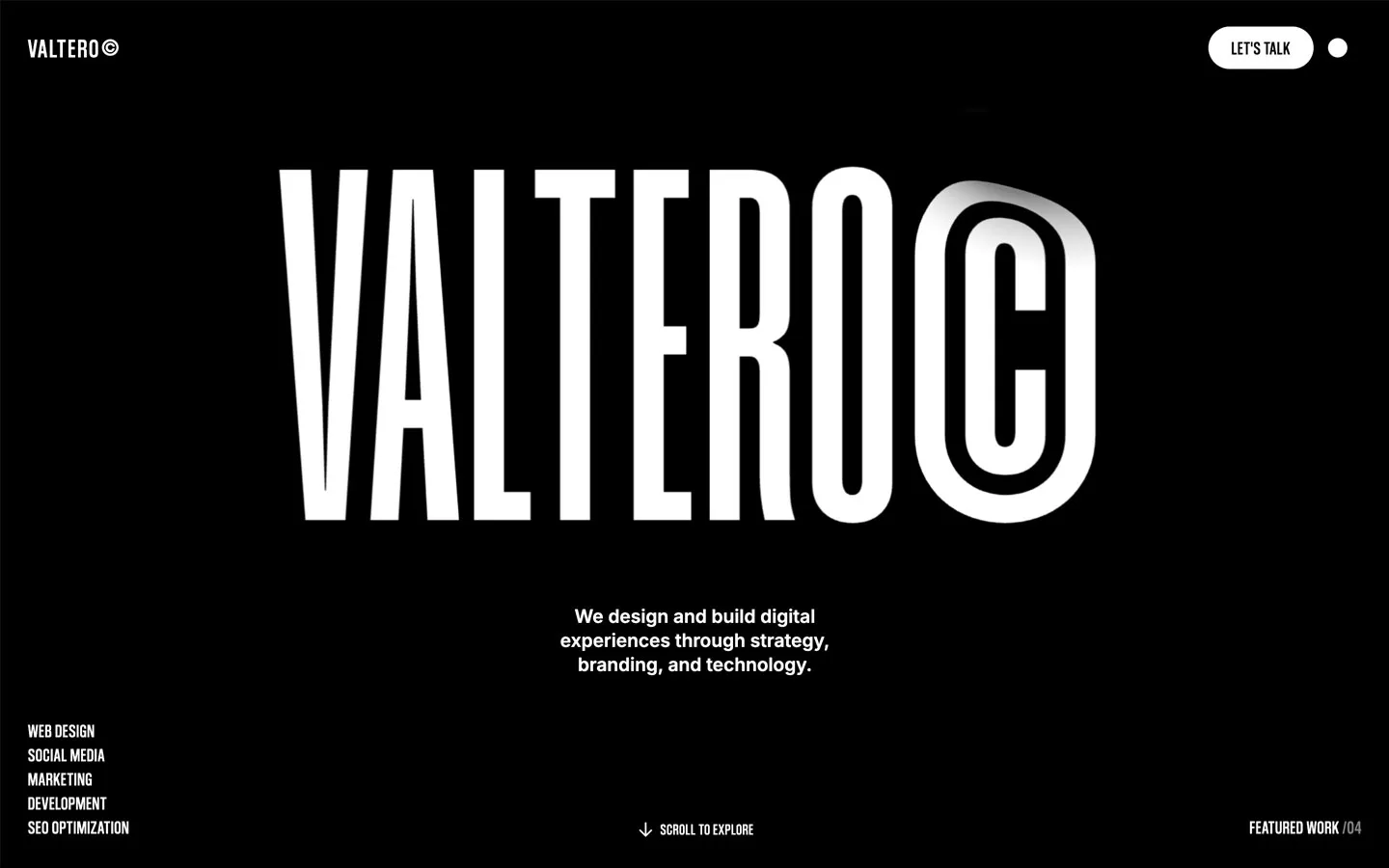
The visual direction uses bold typography, controlled layouts, smooth interactions, and a strong case-study focus. It is a useful reference for studios that want a contemporary portfolio without turning every section into an animation demo.
Best for: branding studios, independent designers, digital agencies, and creative portfolios.
SEXTANT by SoloFoundry takes a more strategic approach. Rather than presenting a conventional creative-agency portfolio, it is built for consulting and B2B advisory firms and includes an interactive problem-mapping experience that guides visitors toward a relevant engagement.
Its deeper site structure is notable: services, work, insights, about, contact, pricing, team content, FAQs, and multiple CMS collections. This makes it a strong example of how a template can support a real service business rather than only a visually impressive homepage.
Best for: consulting firms, strategy agencies, B2B studios, and service businesses with multiple offers.
Intra by Framebite targets interior design agencies and creative practices. Its niche positioning is useful: instead of trying to work for every type of agency, the design is built around large visual work, premium presentation, and lead generation for a specific creative industry.
This is a good reminder when choosing a template: a design that already understands your type of content can require much less customization than a generic agency layout.
Best for: interior studios, architecture-adjacent businesses, spatial designers, and image-led creative firms.
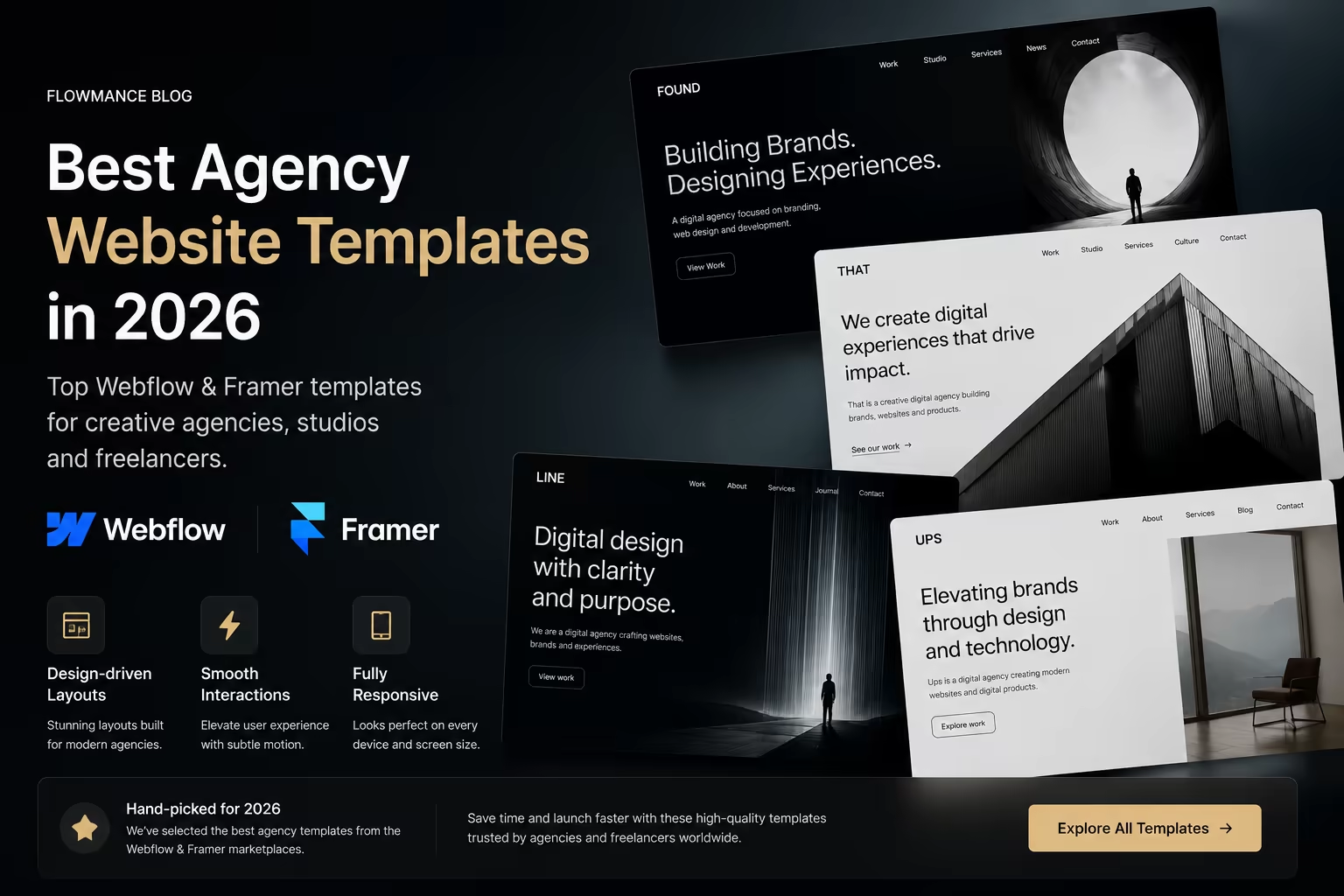
Frame Agency is a Flowmance Webflow template built for modern agencies that want a polished multi-page starting point. Its structure includes the pages and reusable sections expected from a professional studio website, while Webflow gives teams visual control over layout, responsive behavior, interactions, and CMS content.
Frame is especially relevant for agencies that expect marketing teams or designers to keep editing the website after launch rather than handing every change back to a developer.
Best for: digital agencies, design studios, marketing teams, and client-service businesses.
Found Agency takes a more expressive creative direction. Smooth scrolling, animated text reveals, and headline transitions give the site a portfolio-first feel while keeping the structure suitable for a real agency.
For studios where motion and presentation are part of the brand itself, this type of template can communicate creative capability before a visitor opens the first case study.
Best for: creative agencies, design studios, art direction teams, and motion-led portfolios.
Unlimited Agency is useful for teams that value modularity. Its broader UI-kit approach makes it easier to assemble a site around different services, landing pages, portfolio content, and business needs rather than following one rigid homepage formula.
This is particularly valuable for agencies that serve several industries or regularly create campaign and service pages.
Best for: full-service agencies, multidisciplinary studios, startups, and teams that need reusable sections.
Hèvre by Tracklock Studio is a useful example of a niche agency template with a complete content structure. It includes dedicated residential and commercial service paths, blog content, contact pages, responsive layouts, and preconfigured SEO titles and descriptions.
Even if you are not building an architecture studio website, the lesson is useful: the best agency templates do not stop at the homepage. They anticipate the service pages, content, and trust signals that visitors need before making an inquiry.
Best for: architecture studios, property-focused agencies, premium service businesses, and established creative practices.
Both platforms can produce excellent agency websites, but the best choice depends on how the site will be managed.
Your agency needs structured CMS content, detailed responsive control, a larger marketing site, or a workflow where designers and content teams will continuously expand the website. Webflow is particularly strong when case studies, services, insights, and other dynamic content are central to the site.
Your priority is a fast, highly visual launch and the design team wants a canvas-driven workflow with polished motion and quick iteration. Framer is especially attractive for smaller creative sites, portfolios, launch pages, and agencies that want to move from design to published site quickly.
Do not choose only by the hero section. Open the live preview and inspect the pages that will matter six months after launch.
Ask whether the project structure can support real client stories. A strong case study normally needs space for context, deliverables, imagery, outcomes, and a next-project or inquiry path.
Many agency templates look impressive on a large desktop because they rely on oversized typography and motion. Test navigation, project browsing, text size, and interaction behavior on smaller screens before committing.
A complex template with 15 pages is not automatically better. If your agency has four strong projects and three services, a focused site may outperform a large structure filled with weak placeholder content.
The strongest template is not necessarily the one that already looks exactly like your brand. Look for a solid layout system, reusable components, good spacing, and strong typography hierarchy. Those fundamentals make rebranding much easier.
For many agencies, yes. A high-quality template can remove weeks of repetitive layout and responsive work, leaving more time for positioning, copy, case studies, imagery, and customization.
The key is to treat the template as a system rather than a finished identity. Change the typography, art direction, project presentation, copy, color system, and section order until the site reflects the agency rather than the demo.
If Webflow fits your workflow, explore the Flowmance template library for agency, portfolio, business, and studio designs. Many templates provide reusable layouts and CMS-ready structures that can dramatically shorten the path from concept to launch.
Choose the structure that fits your business, customize the identity, and make the work the reason people remember the site.