A practical guide to choosing a photography website template: portfolio structure, image performance, galleries, CMS, mobile crops, inquiries, and brand fit.
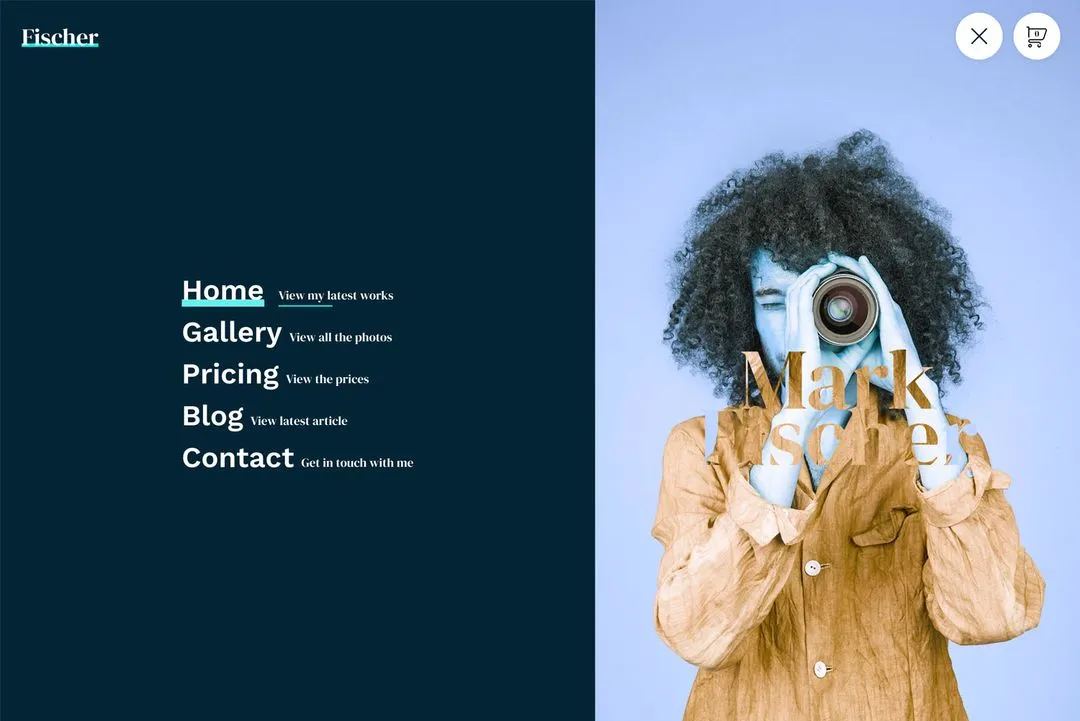
A photography template should make the work feel larger, clearer, and easier to browse—not compete with it. Before choosing a design, look beyond the homepage and test how the template handles real galleries, project stories, mobile crops, image performance, and contact inquiries.
A wedding photographer, architecture photographer, fashion studio, and commercial production team need different website structures. A strong template should support the way clients evaluate your work.
Editorial and fashion portfolios often benefit from large art-directed imagery and flexible project pages. Wedding and portrait sites usually need testimonials, service information, availability, and clear inquiry flows. Architecture and interiors often need project metadata such as location, architect, year, and credits.
Open several project pages in the demo. Check whether the template supports a useful mix of full-width images, grids, portrait crops, captions, text, and video. A beautiful homepage is not enough if every project page forces the same composition.
If you publish new work regularly, a CMS-driven project structure is especially useful. It lets you add projects without rebuilding the layout each time.
Photography sites expose responsive problems quickly because image ratios vary so much. Replace a landscape demo image with a portrait image and check whether the crop still works. Test hero images, galleries, sliders, and thumbnails at narrow widths.
A photography portfolio can become slow after real high-resolution work replaces optimized demo files. Use appropriately sized assets, modern image formats where practical, and avoid loading every large image immediately.
The portfolio creates interest; the contact flow turns that interest into work. Check that the template has a clear path to inquiry from project pages, service pages, and the navigation.
Templates are starting systems. Change typography, spacing, image treatment, color, and layout choices so the final site belongs to the photographer rather than the template creator.
The best photography template is not necessarily the one with the most dramatic demo. It is the one that can hold years of work without becoming repetitive or difficult to maintain.
Browse current Webflow templates and adapt the structure around the photographer's actual body of work and client journey.


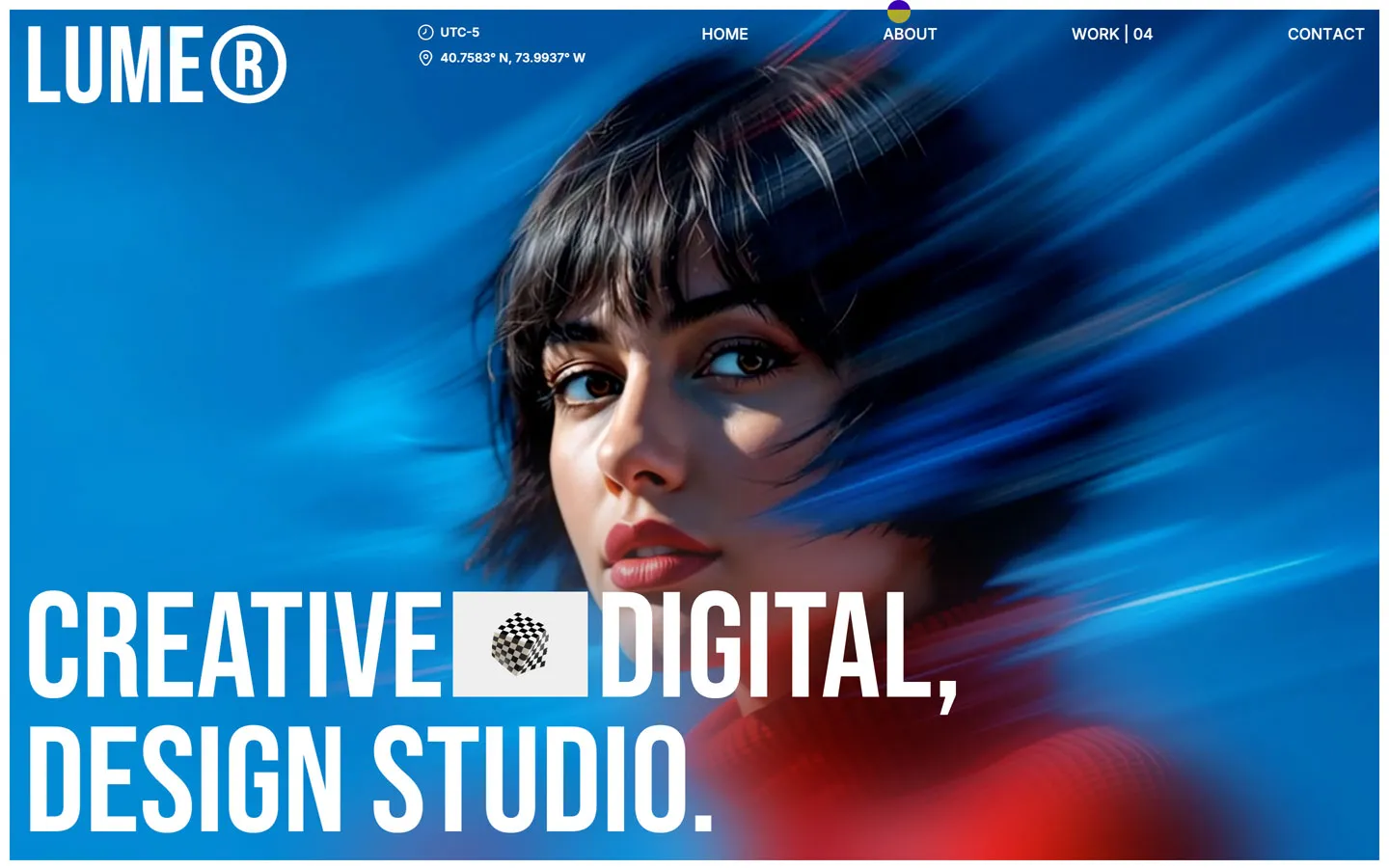
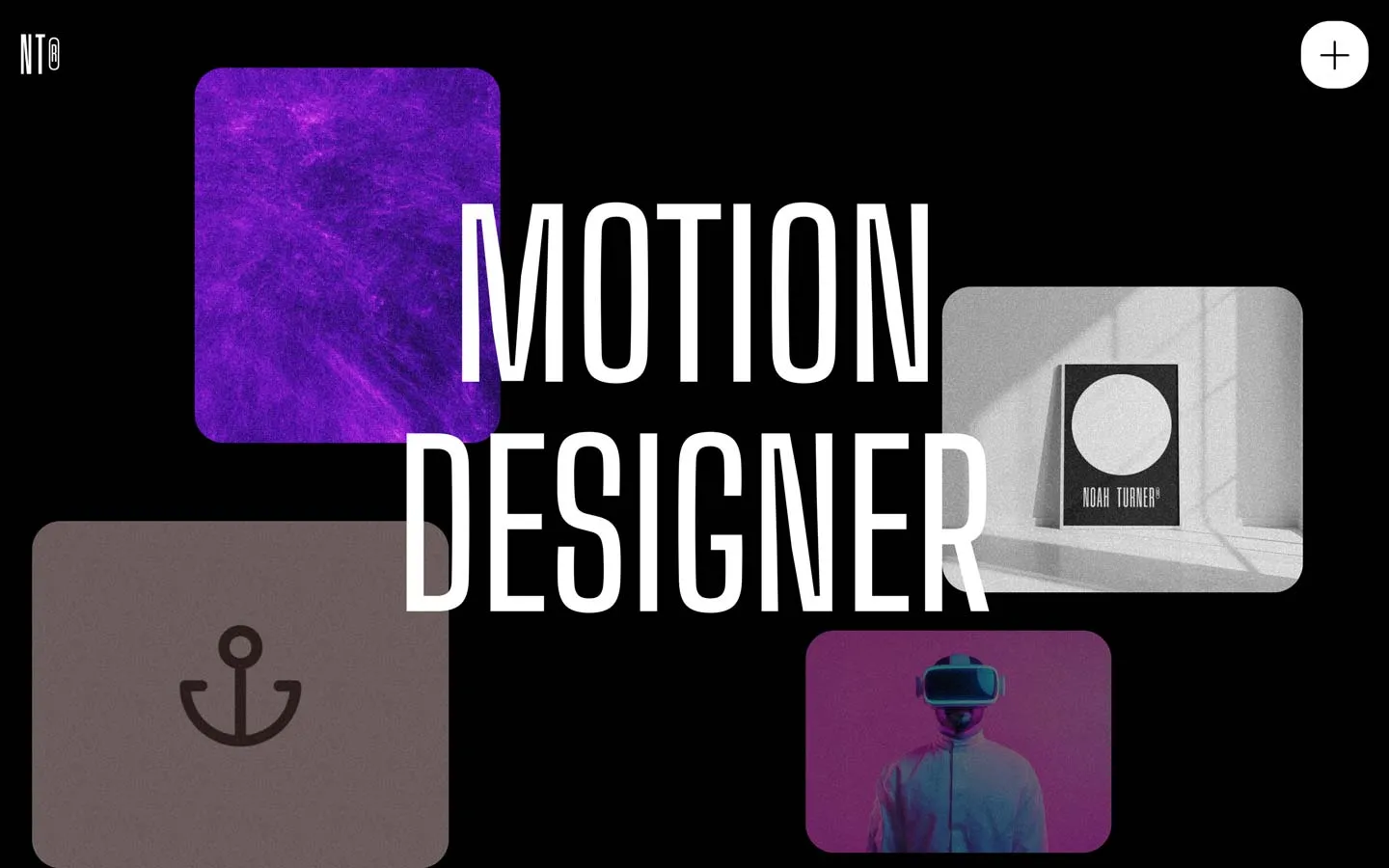
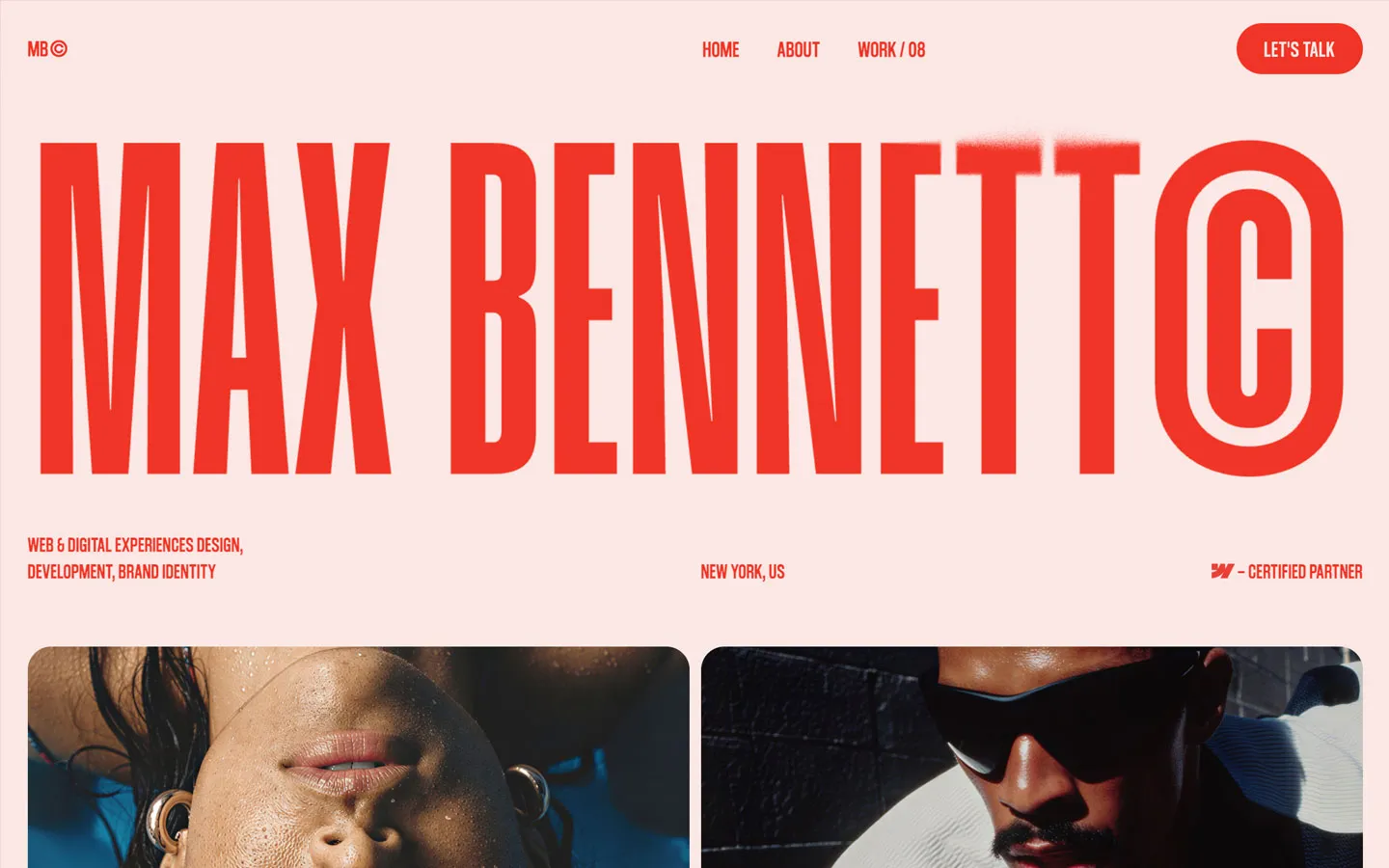





Don’t miss out on our superb, customizable templates designed to enhance your web design experience. We constantly add new templates and components.

Explore stunning Webflow, Framer, and Figma templates designed to spark your next big idea.


*Rest assured that your data is safe with us, and you'll only hear from us 1 time per month.