August 24, 2024

A good blog template should make content easy to discover and comfortable to read. The most important features are usually a flexible CMS, strong typography, clear category or topic navigation, responsive article layouts, useful author or metadata fields, and enough visual variety for featured content.
For news and magazine sites, look for clear content hierarchy, featured stories, category navigation, and layouts that can handle frequent publishing without becoming visually cluttered.
Image-led publications benefit from strong grids, large feature media, and flexible CMS cards that can support different story types.
Writers and storytellers should prioritize readable typography, sensible line lengths, article navigation, related posts, and restrained motion.
Personal publishing often needs a balance between photography and text, with enough flexibility for travel, culture, design, or journal-style content.
Niche blogs may need structured fields beyond a standard article body. Recipe sites, for example, can benefit from repeatable ingredients, steps, media, categories, and supporting metadata.
Creators who mix essays, updates, projects, and visual content should choose a template that can support several content formats without making the CMS difficult to manage.
Some individual demo links in the original 2024 version of this article used an old Flowmance subdomain and are no longer the right destinations. Browse the current Flowmance template library instead, where the collection now includes 420+ templates across the current ecosystem.
You can also explore Flowmance+ for broader access and current support information.




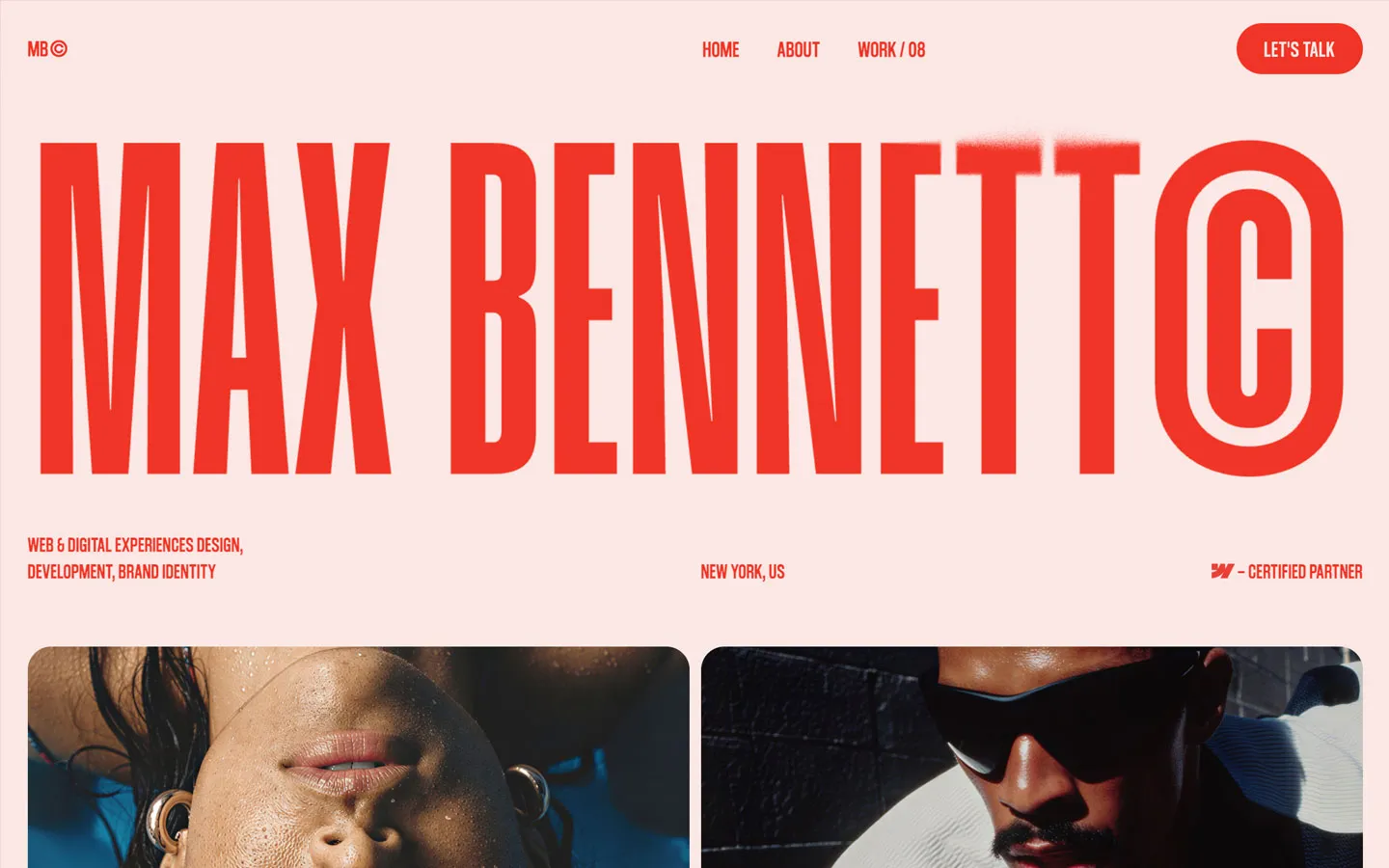


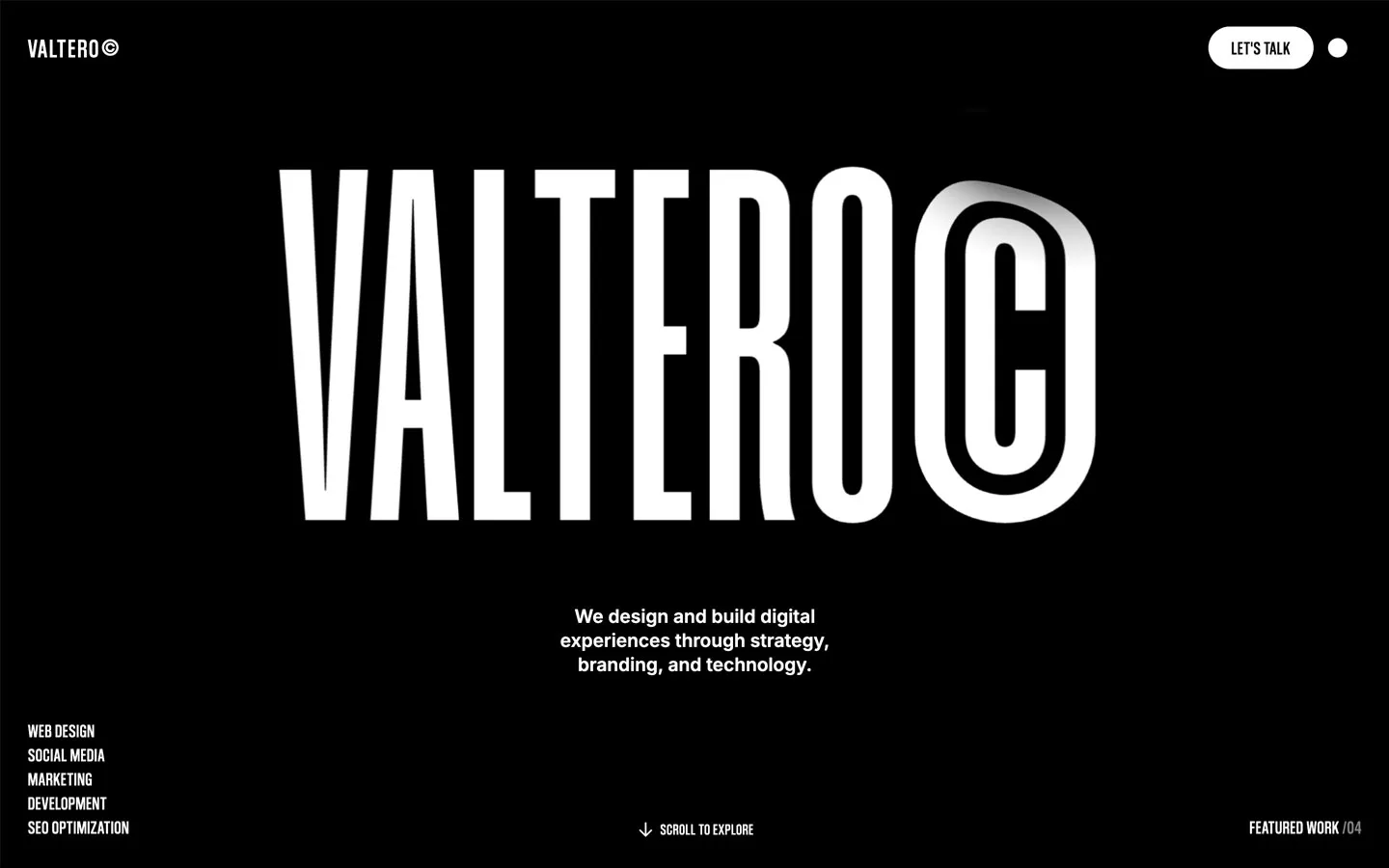



Don’t miss out on our superb, customizable templates designed to enhance your web design experience. We constantly add new templates and components.

Explore stunning Webflow, Framer, and Figma templates designed to spark your next big idea.


*Rest assured that your data is safe with us, and you'll only hear from us 1 time per month.