Webflow is a strong fit for design-led marketing sites and structured CMS projects, but simpler builders or code-first stacks can be better for other needs.
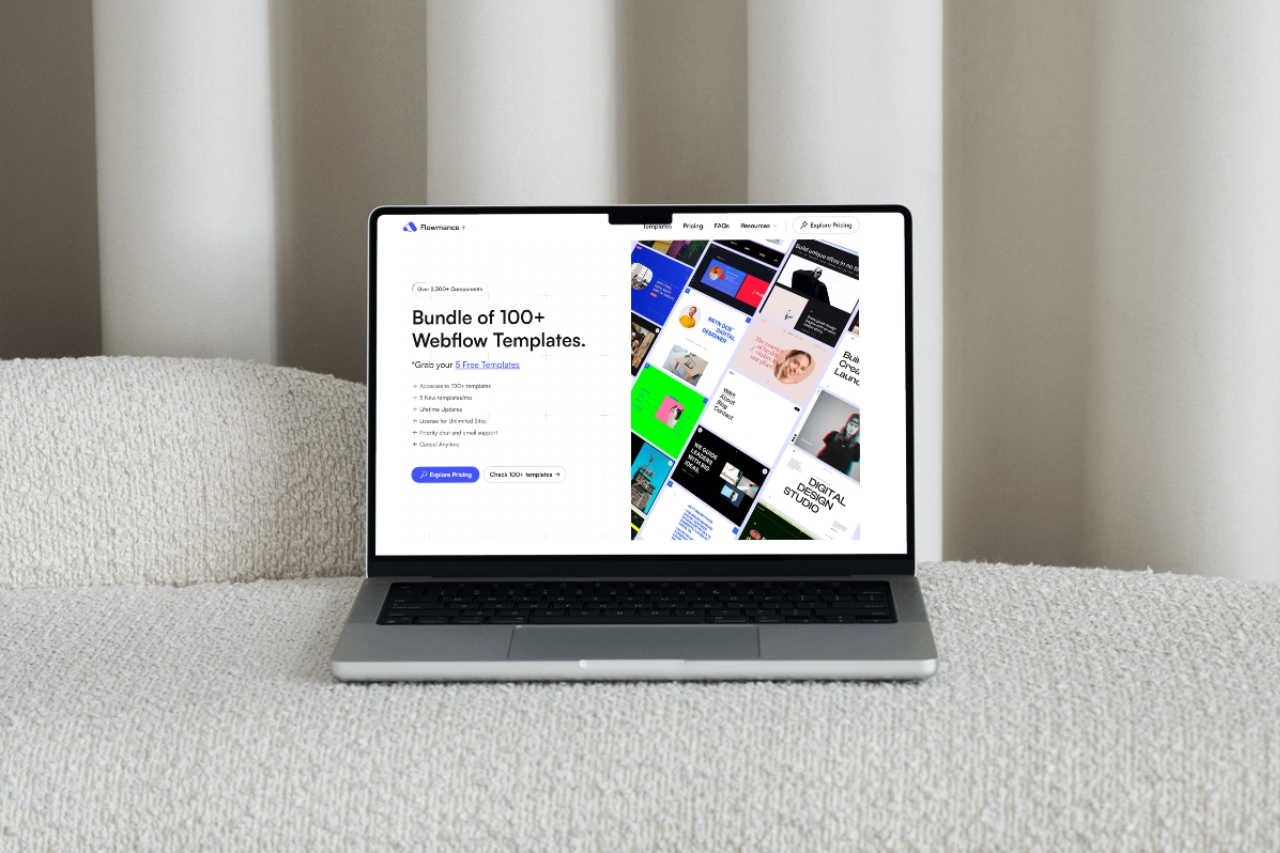
Webflow is a strong choice when a team needs custom visual design, structured marketing content, and a visual path from design to production. It is not automatically the best tool for every website.
Webflow is particularly useful for agencies, portfolios, SaaS marketing sites, professional services, and editorial sites where layout, typography, interactions, and responsive behavior need more control than a simple theme editor provides.
Projects, case studies, services, resources, jobs, team members, and articles can be modeled as repeatable content. That makes Webflow valuable when designers need to control how structured content appears without rebuilding pages manually.
A well-structured project can let content and marketing teams publish routine updates without turning every page change into an engineering task.
A tiny brochure site may be easier in a simpler builder. A complex application may belong in a framework. A large commerce operation may need a dedicated ecommerce platform. Direct code ownership may point toward an HTML workflow.
Webflow exposes real layout concepts such as classes, Grid, Flexbox, positioning, and responsive cascades. That creates power, but it also means a new user has more to learn than with a rigid section-based builder.
A good template can provide page structure, responsive groundwork, components, and CMS patterns while leaving the brand, content, and information architecture open to customization.
Browse current Webflow templates when the platform matches your project.
Use Webflow when the website itself is a design and content system your team will keep evolving. Use a simpler or more specialized platform when that complexity would not create real value.


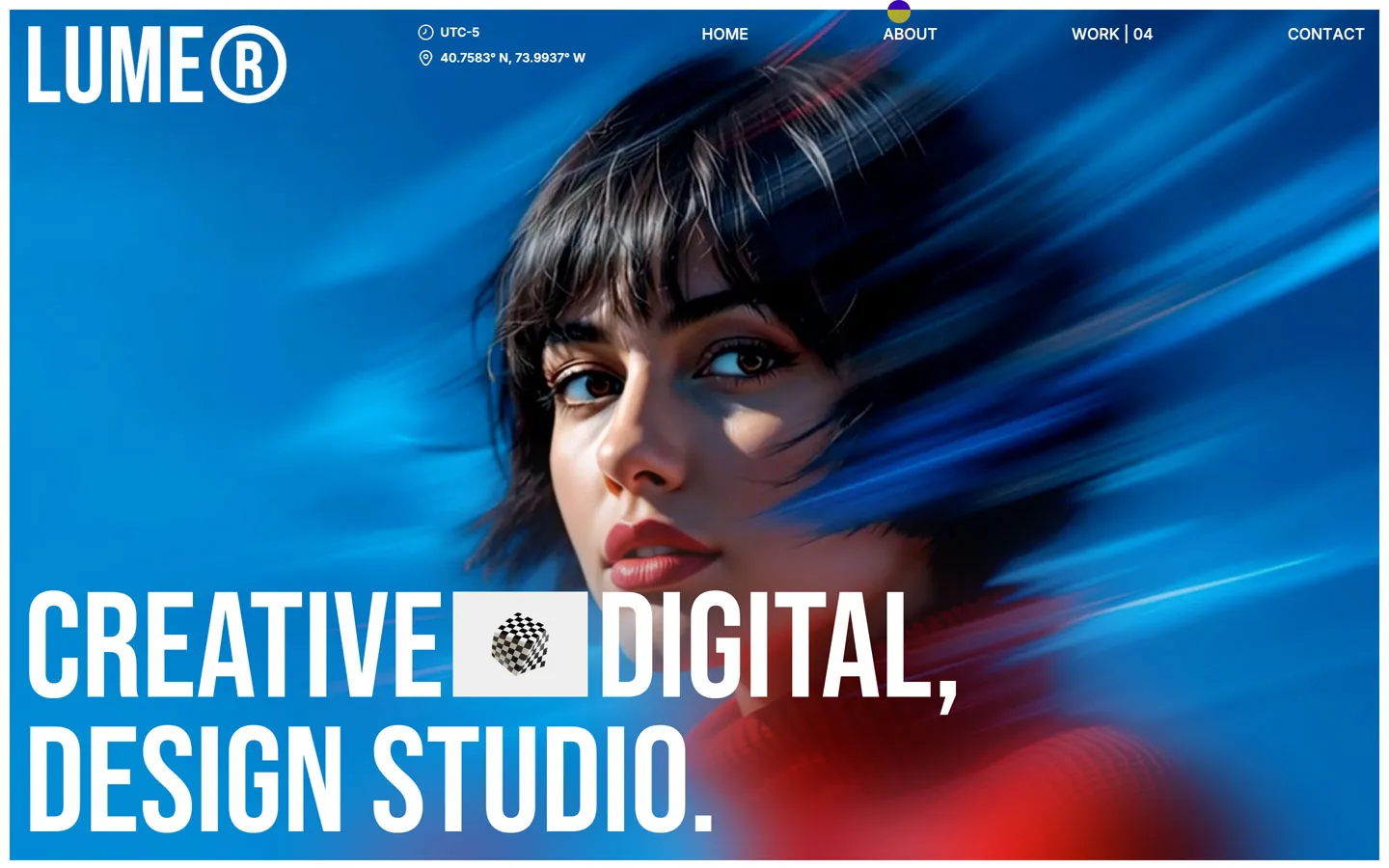
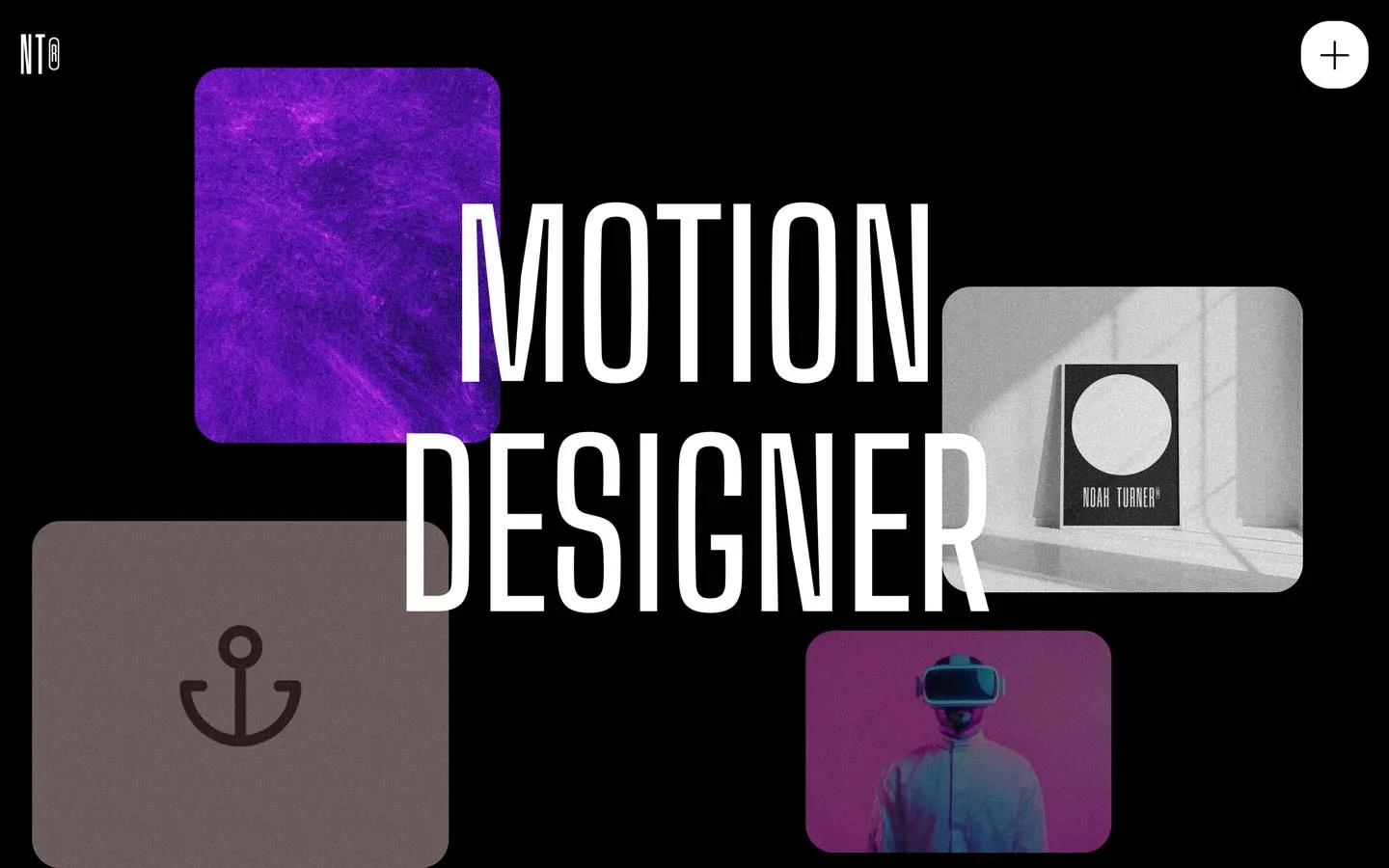
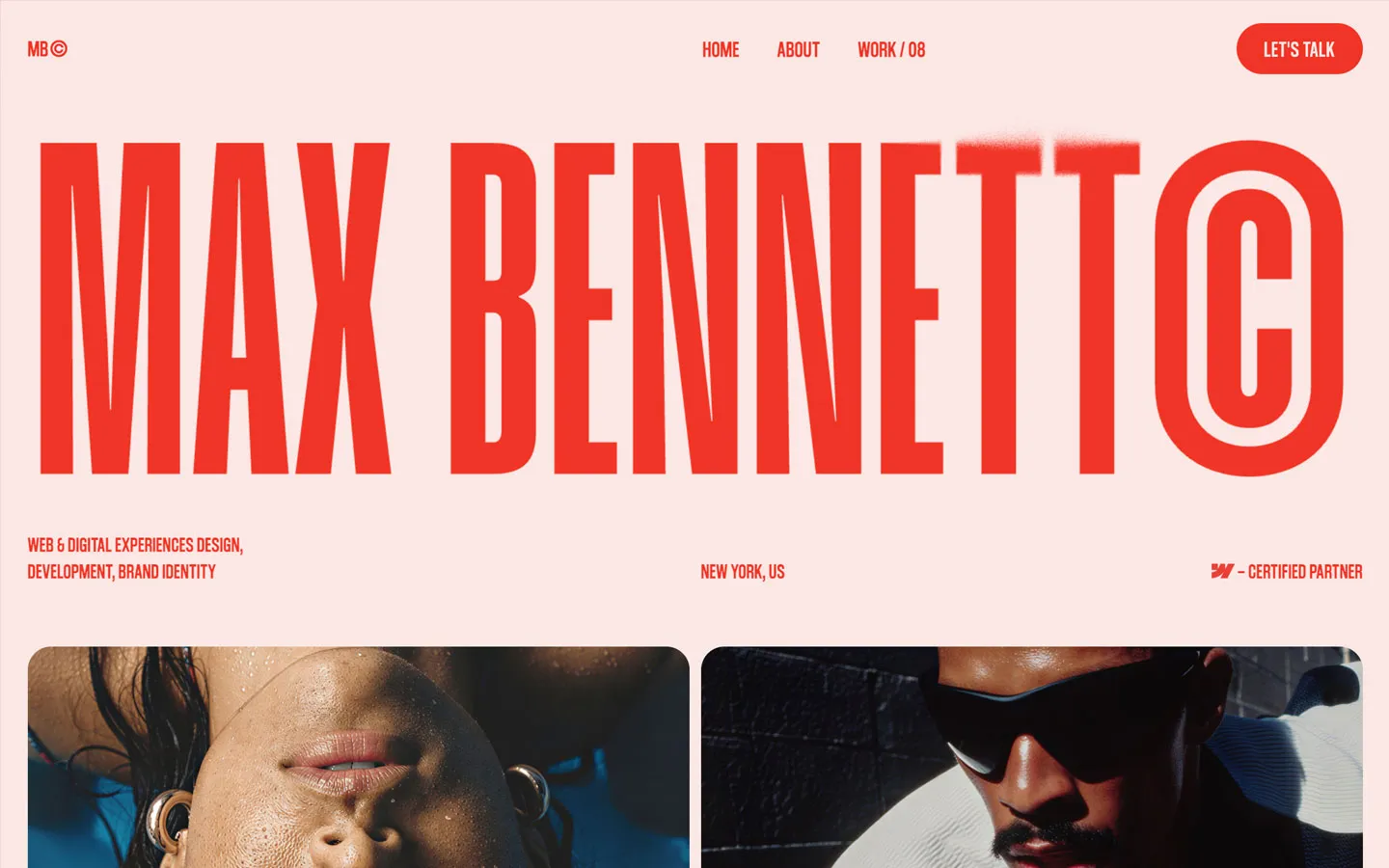


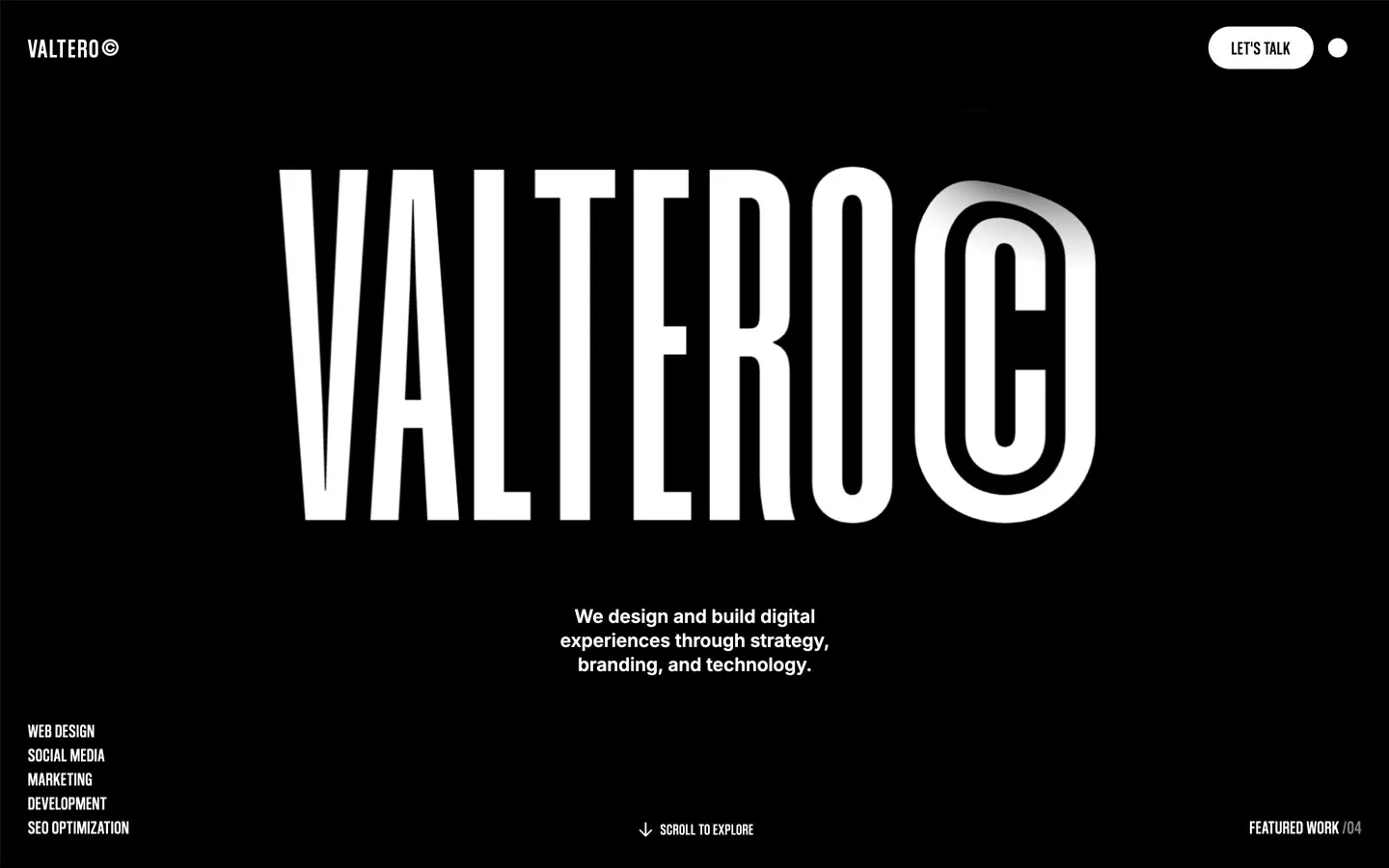
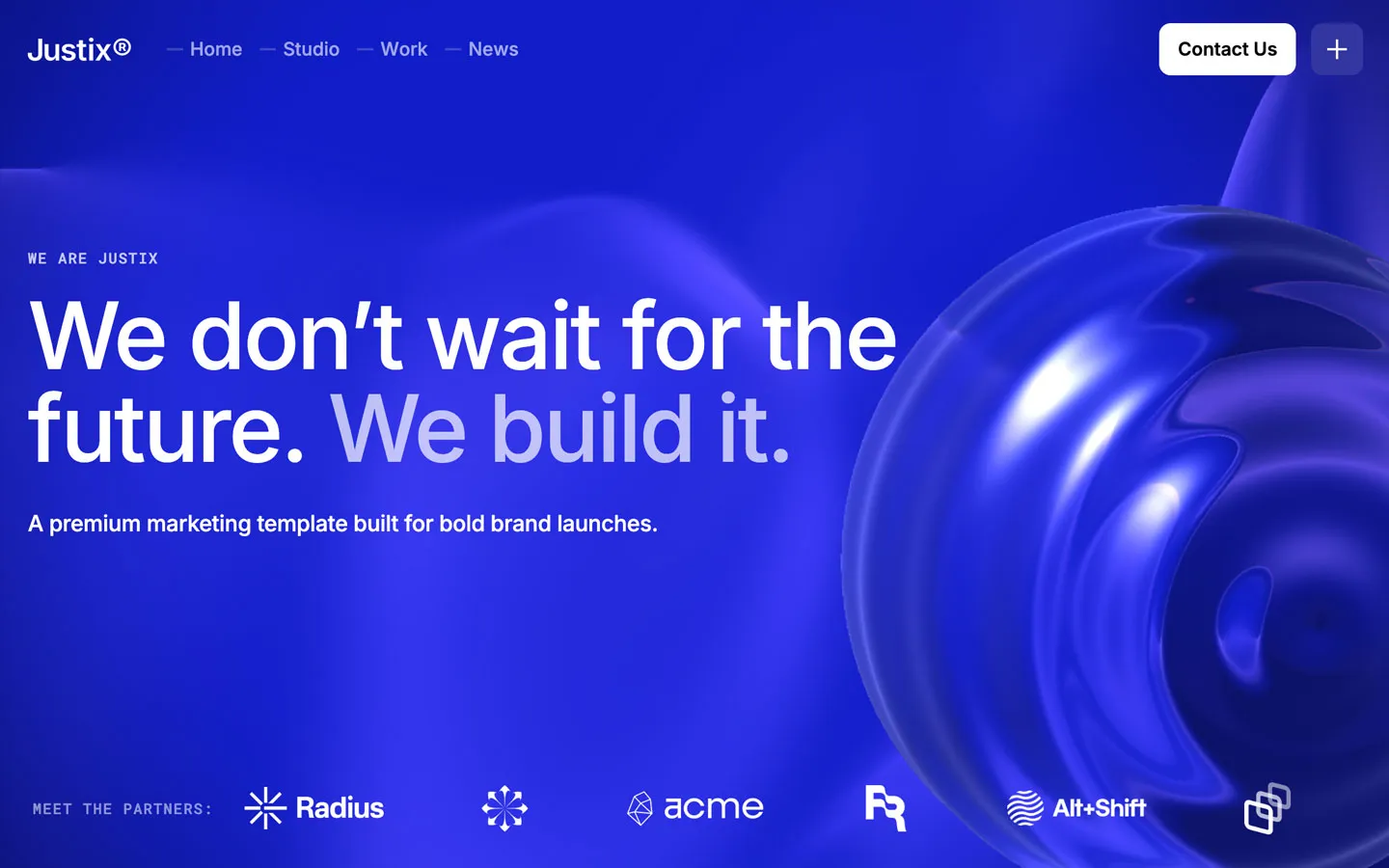


Don’t miss out on our superb, customizable templates designed to enhance your web design experience. We constantly add new templates and components.

Explore stunning Webflow, Framer, HTML5, Next.js and Figma templates designed to spark your next big idea.


*Rest assured that your data is safe with us, and you'll only hear from us 1 time per month.