An honest look at when Flowmance is useful, when a single template may be enough, and what agencies and freelancers should check before choosing a template library.

Flowmance makes the most sense for people who build websites repeatedly. If you are an agency, freelancer, studio, or in-house team that needs new starting points often, a large template library can save a lot of setup time. If you only need one website, a single template may be the cleaner choice.
That distinction matters more than a list of marketing benefits. A template library should fit the way you work.
Flowmance is a multi-platform website template library. The current public library includes 390+ templates and 12,500+ ready-made sections across Webflow, Framer, Figma, HTML, and a growing number of additional formats.
The formats are useful in different situations. Webflow and Framer are production tools, Figma is useful for design and approval, and HTML can suit teams that want direct source files or their own hosting workflow.
Not every template is available in every format. Check the individual template page before choosing a design for a project.
The biggest advantage is not that you can download more templates. It is that you can compare more good starting points without beginning every project from an empty canvas.
That can be useful when a client needs an agency site this week, a SaaS launch next month, and a portfolio after that. Instead of rebuilding common page structures each time, the team can focus on content, art direction, and the parts of the experience that are actually specific to the brand.
A template is not a finished client website. The fastest way to make one look generic is to leave the demo hierarchy intact and only replace the logo, colors, and images.
Good customization usually starts deeper: change section order, remove what the project does not need, adapt the content structure, choose a different type scale, build a distinct image direction, and simplify or extend interactions where they help the story.
The template should reduce setup work, not replace judgment.
If you need one highly specific site and already know exactly which template you want, a single purchase can be simpler. A custom application with complex product logic may also get little value from a marketing-site template library.
And if your process always starts with a fully bespoke design system, a library is more likely to be used for reference than as a production starting point.
Licensing is easy to overlook when browsing visually. Before using any template for a client, read the current terms for commercial use, project rights, redistribution, and access after a plan ends.
Older Flowmance articles described previous plan structures and prices. Those references should no longer be used. The current source for access and pricing is the pricing page.
Do not judge it from the homepage alone. Browse the actual platform collections and open several templates that match the kind of work you do:
Look at internal pages, CMS structure, mobile layouts, typography, and the kind of sections you would actually reuse. That will tell you far more than the raw number of templates.
For repeat website work, it can be. The value comes from faster starts and more options, not from collecting files. For a one-off site, compare the cost and convenience of one template against broader access and choose the simpler route.
That is the standard we use internally as well: a template earns its place in a workflow when it helps the team move faster without making the final work feel templated.


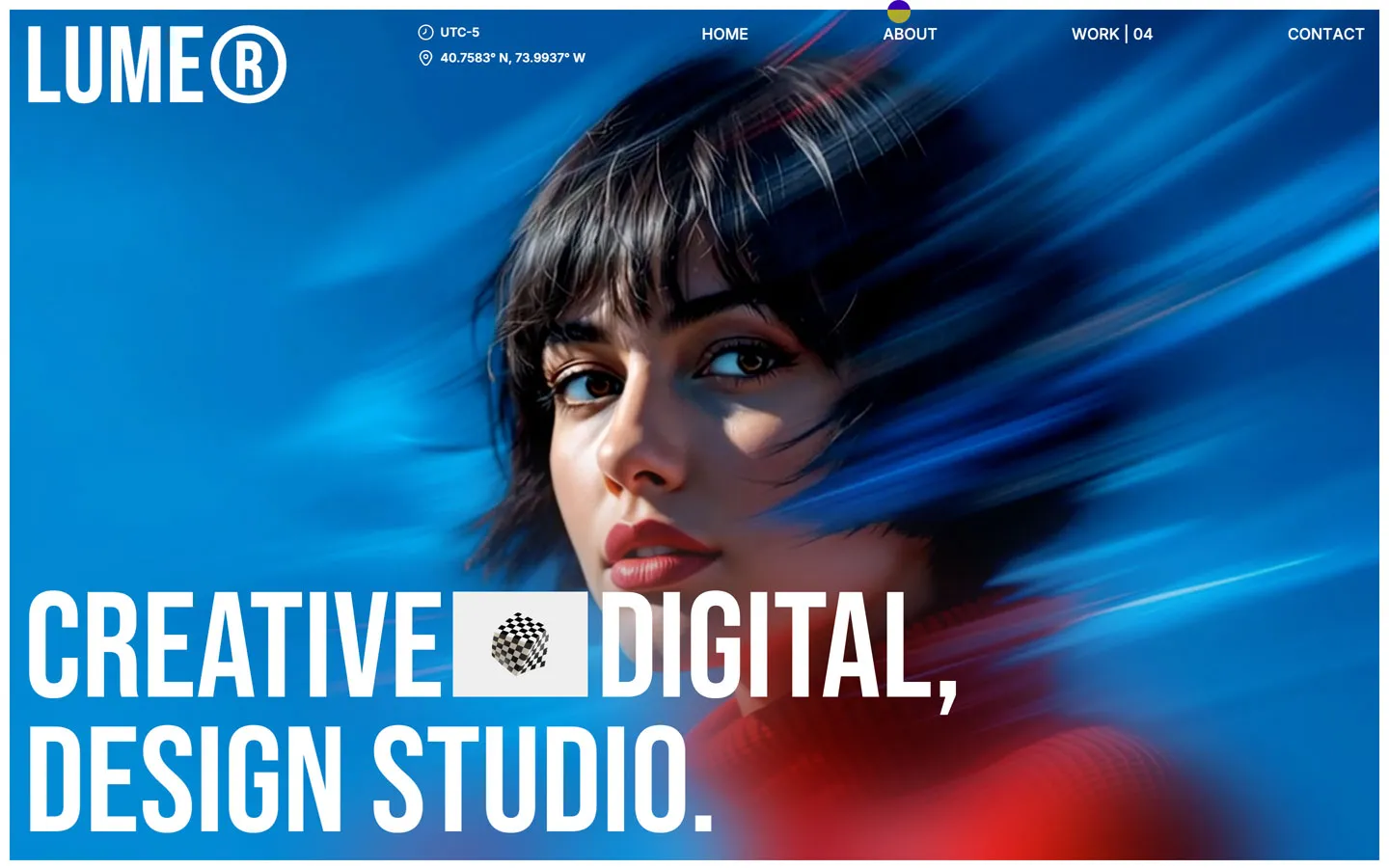

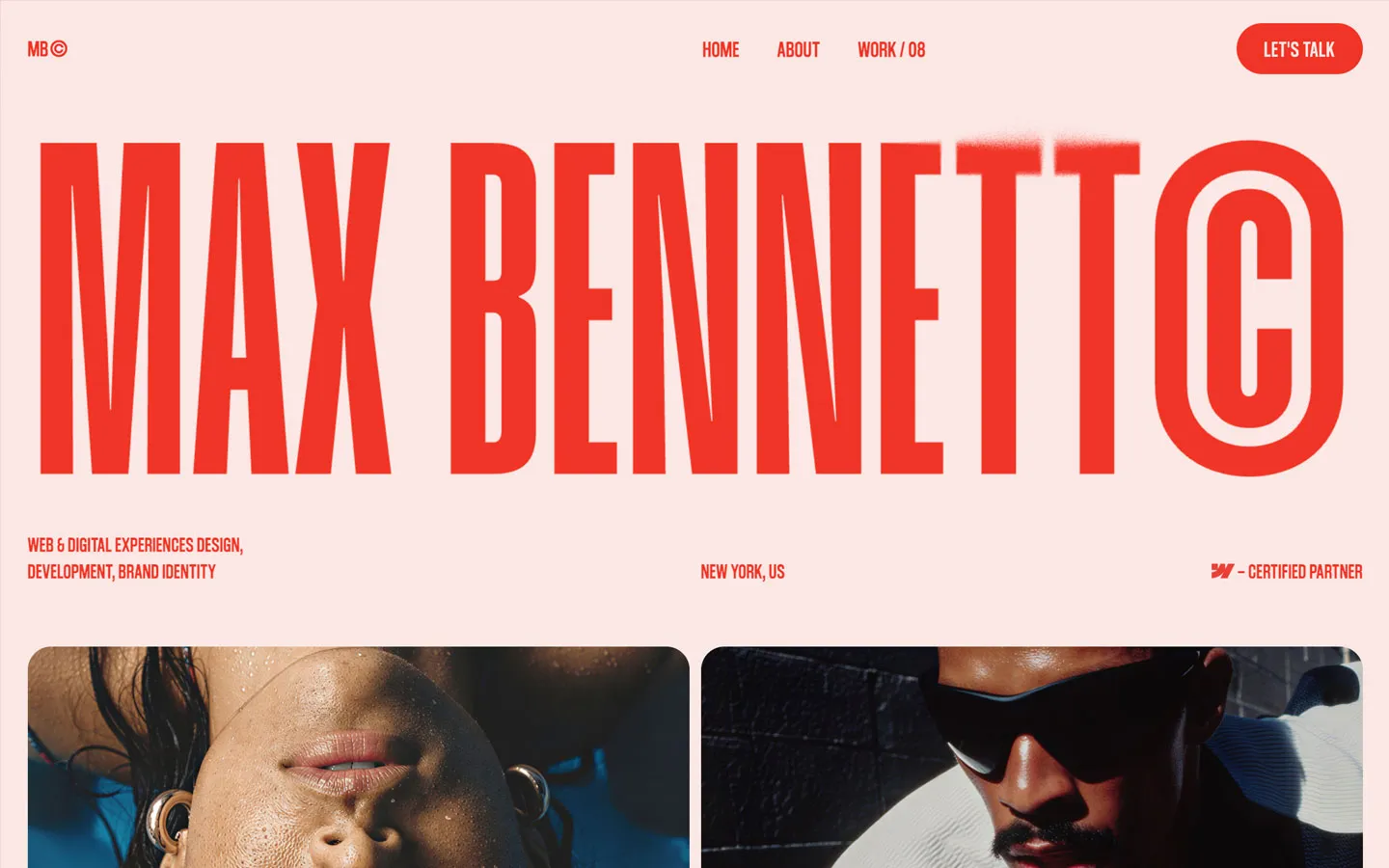


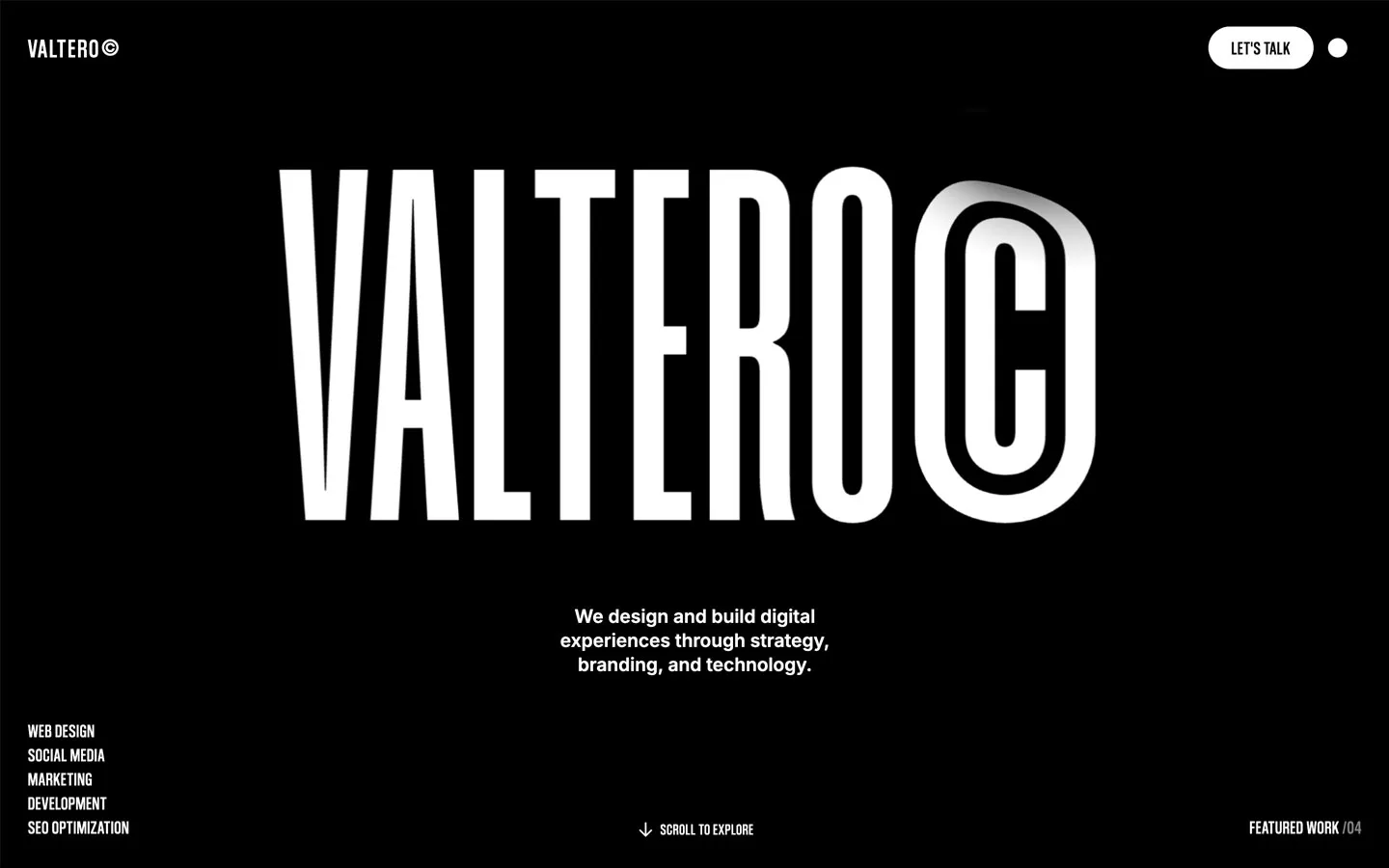
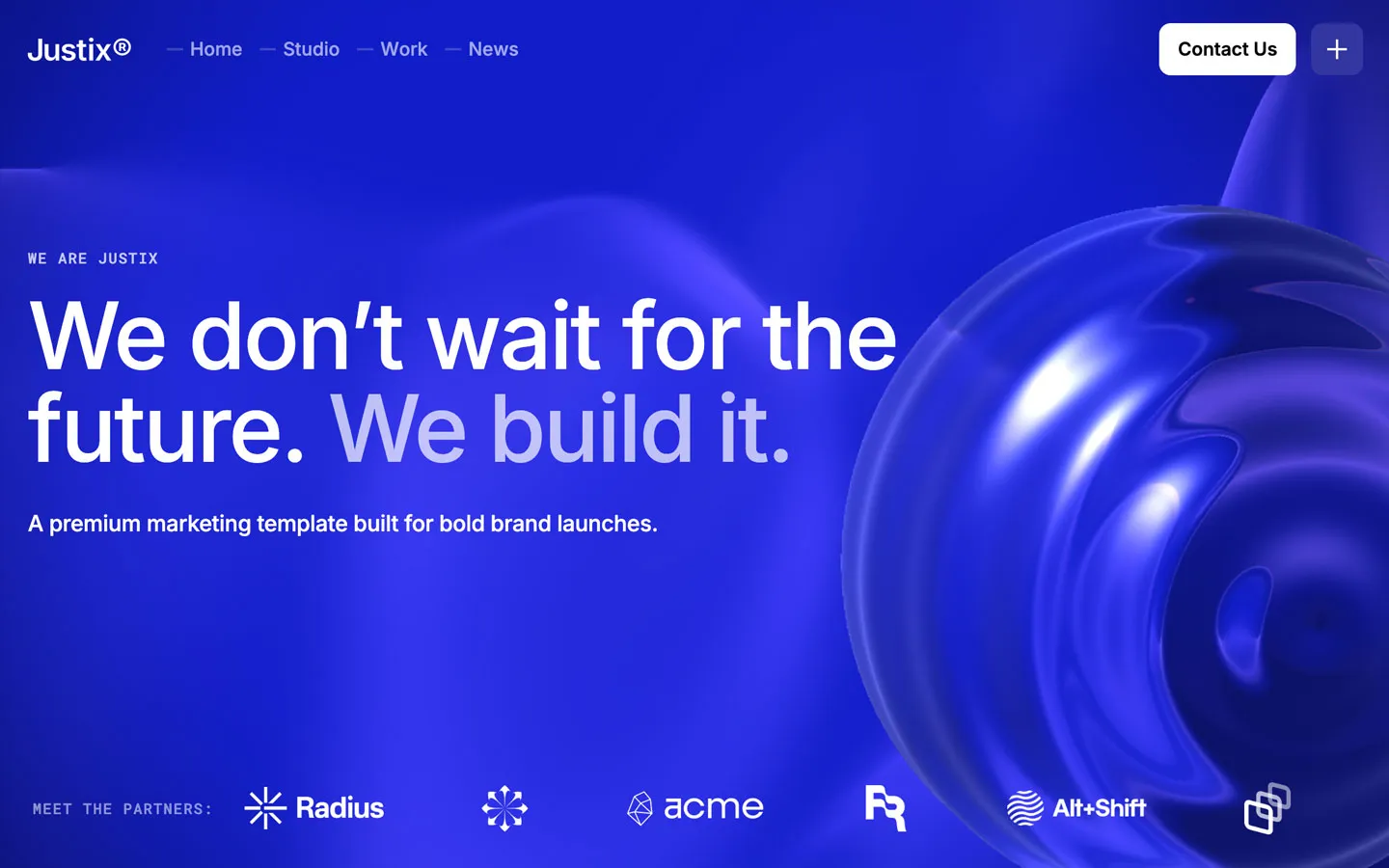


Don’t miss out on our superb, customizable templates designed to enhance your web design experience. We constantly add new templates and components.

Explore stunning Webflow, Framer, HTML5, Next.js and Figma templates designed to spark your next big idea.


*Rest assured that your data is safe with us, and you'll only hear from us 1 time per month.