Choose a no-code website builder by project type, design control, CMS, ecommerce, maintenance, and ownership—not by a generic top-five ranking.

There is no single best no-code website builder. The right choice depends on what you are publishing, who will maintain it, how much design control you need, and whether the project is primarily a marketing site, store, content system, or web application.
A design-led marketing site has different requirements from an online store or a database-driven application. Narrow the category before comparing features.
Some builders provide freedom close to front-end layout tools; others intentionally limit choices so non-designers can move faster. Neither approach is automatically better.
If brand expression and art direction are core to the project, test typography, responsive layout, positioning, animation, and reusable components before committing.
List the repeatable content: projects, articles, locations, jobs, services, products, team members, or resources. Then test whether the builder can model that content clearly.
A homepage that is easy to edit does not compensate for a CMS that becomes awkward after hundreds of items.
If the site is primarily a store, evaluate payments, taxes, shipping, inventory, variants, discounts, order management, integrations, and reporting before choosing based on the page designer.
Review collaboration, permissions, staging, localization, form handling, analytics, integrations, and handoff. A solo-friendly tool can become limiting if many people need to publish or approve changes later.
Many no-code builders include hosting as part of the product, which simplifies deployment. If direct files and independent hosting are a hard requirement, a source-code template may be a better starting point.
Flowmance maintains both visual-builder libraries and HTML templates for teams that prefer direct code ownership.
Create one realistic page in each serious candidate. Add a long headline, real images, a CMS item, a form, navigation, and a mobile layout. The friction you feel during that small test is more useful than a list of 100 features.
Choose the builder that matches the ongoing workflow, not the one with the most impressive demo. The platform should make the site's most frequent tasks—publishing, editing, selling, or iterating—easy for the people who will actually do them.
For production-ready starting points, compare Flowmance's Webflow and Framer template libraries.


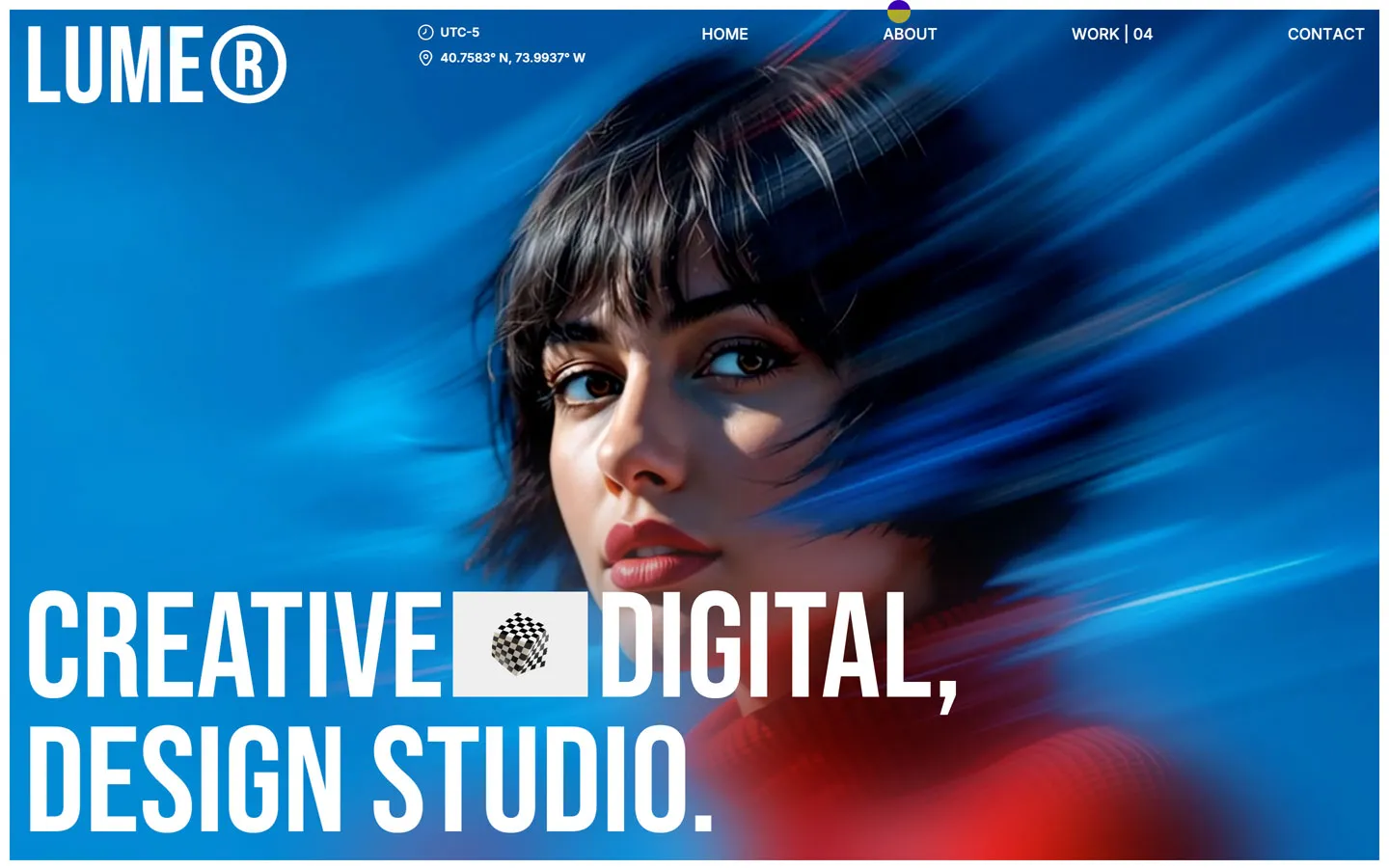
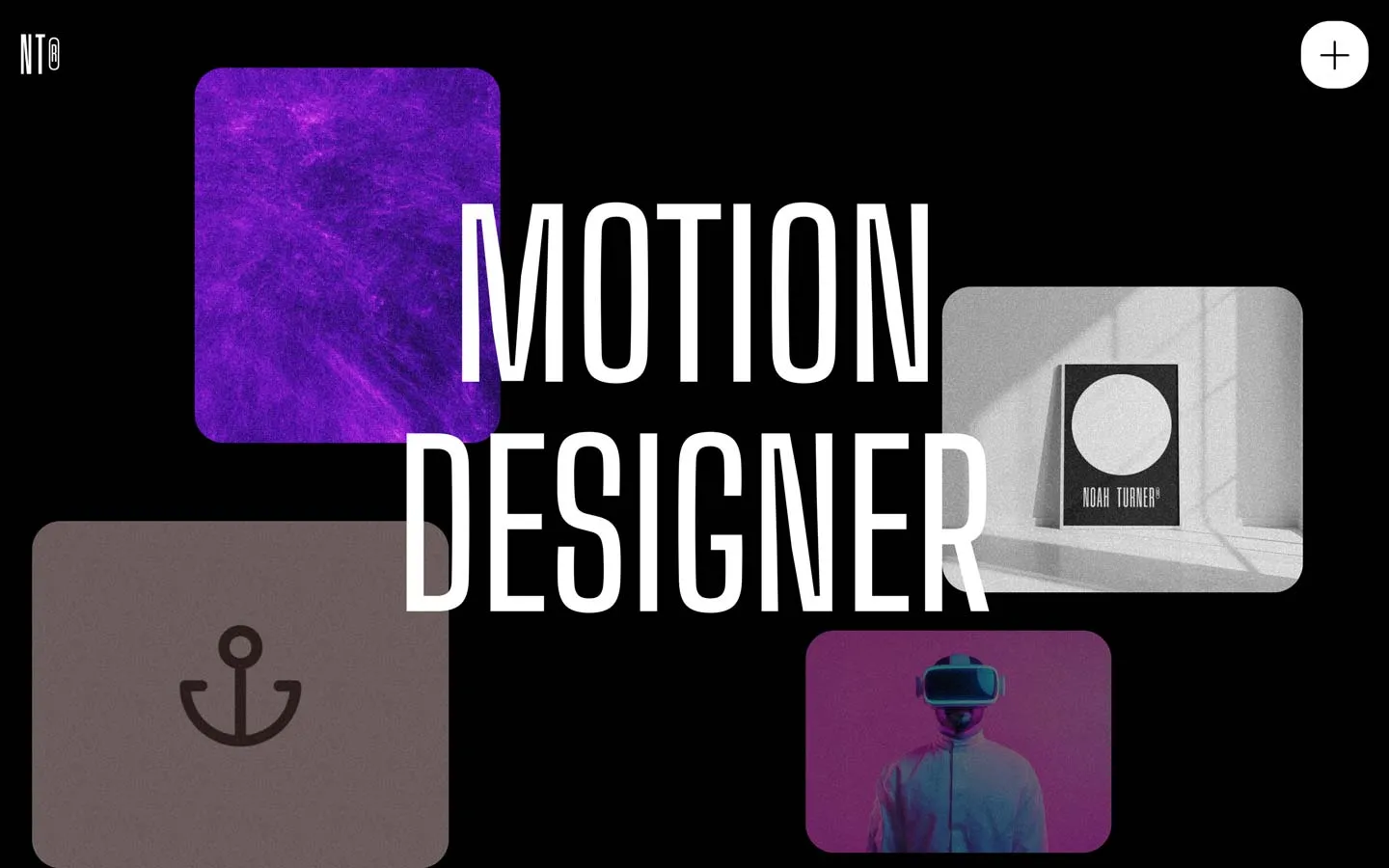
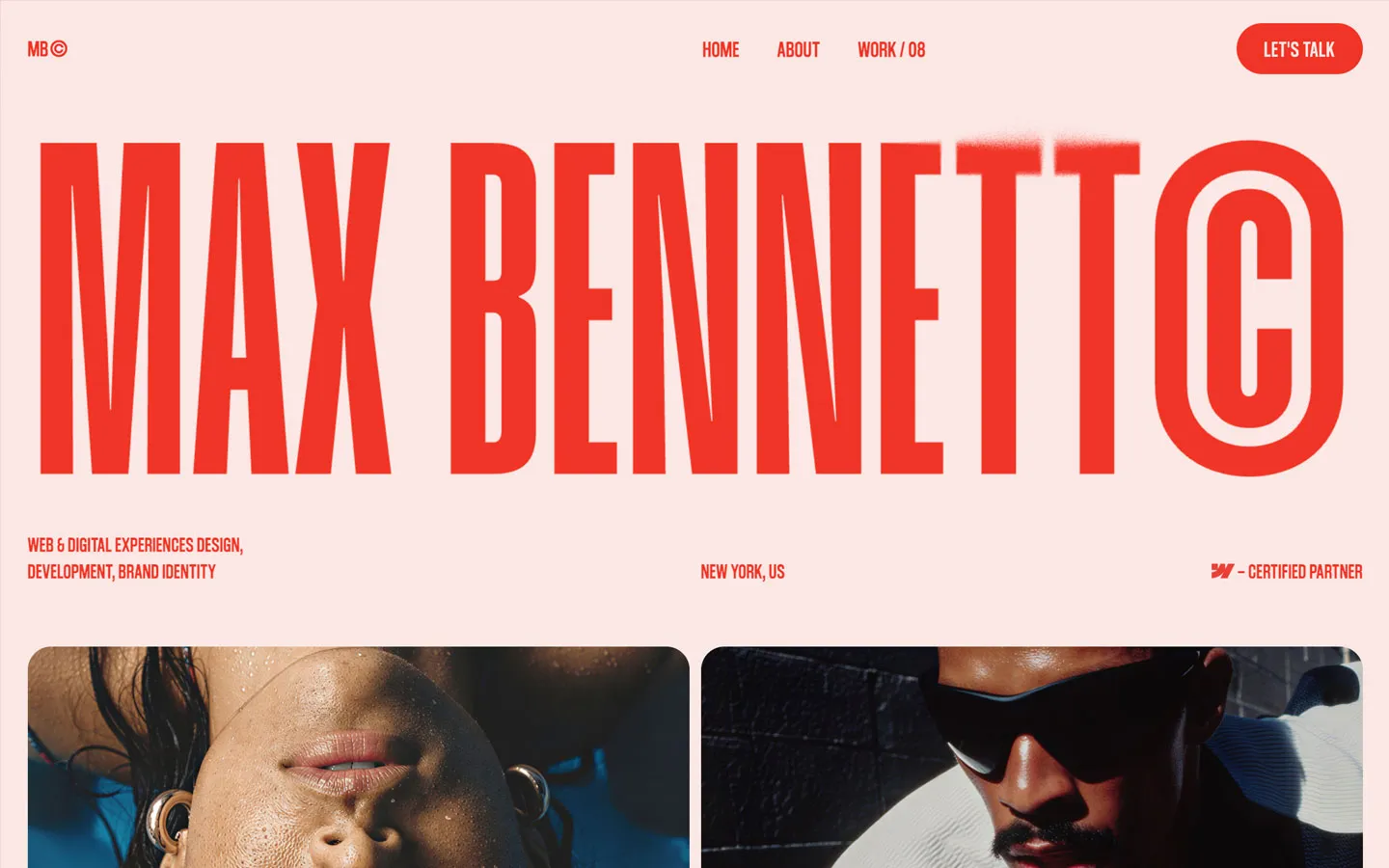


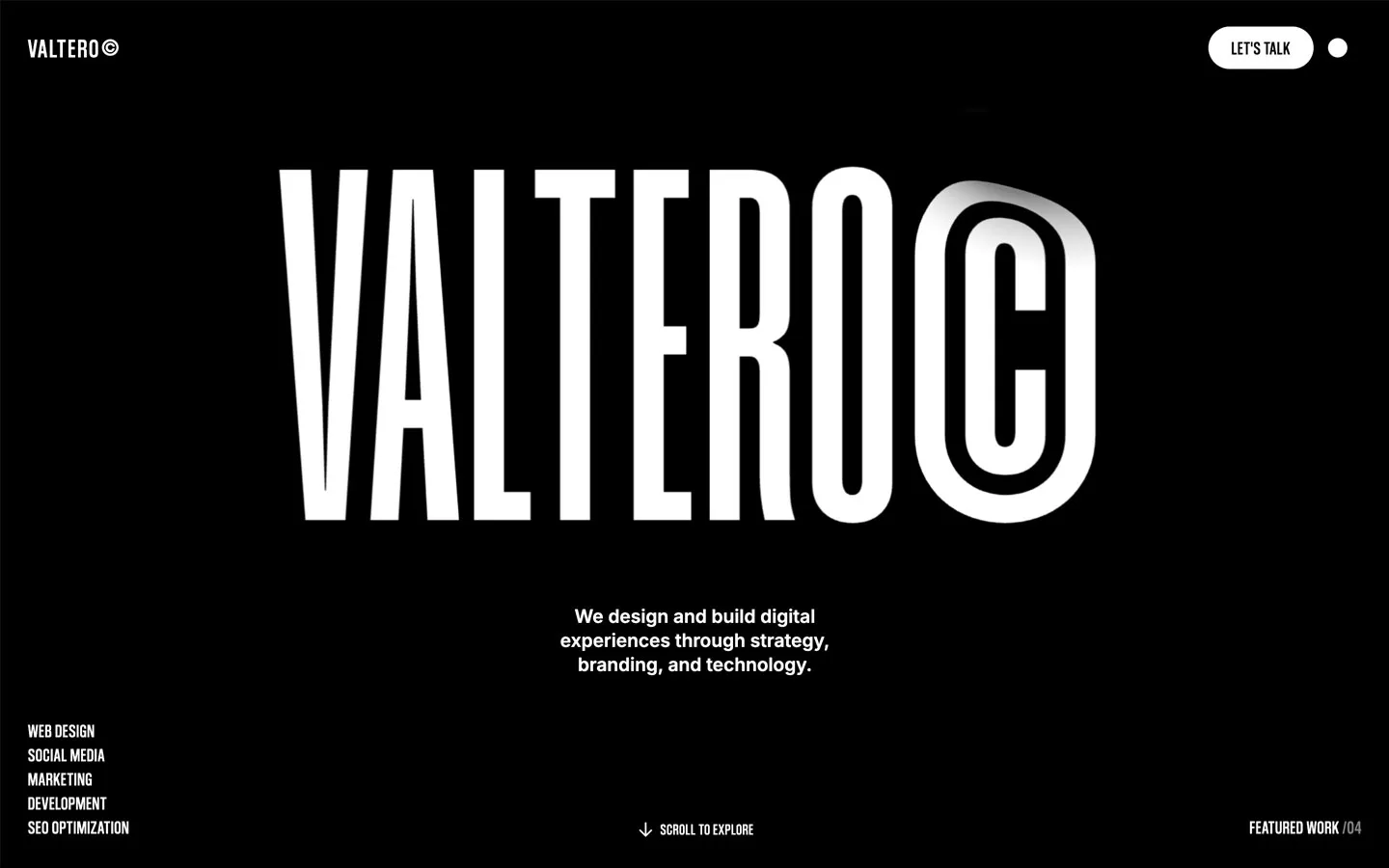
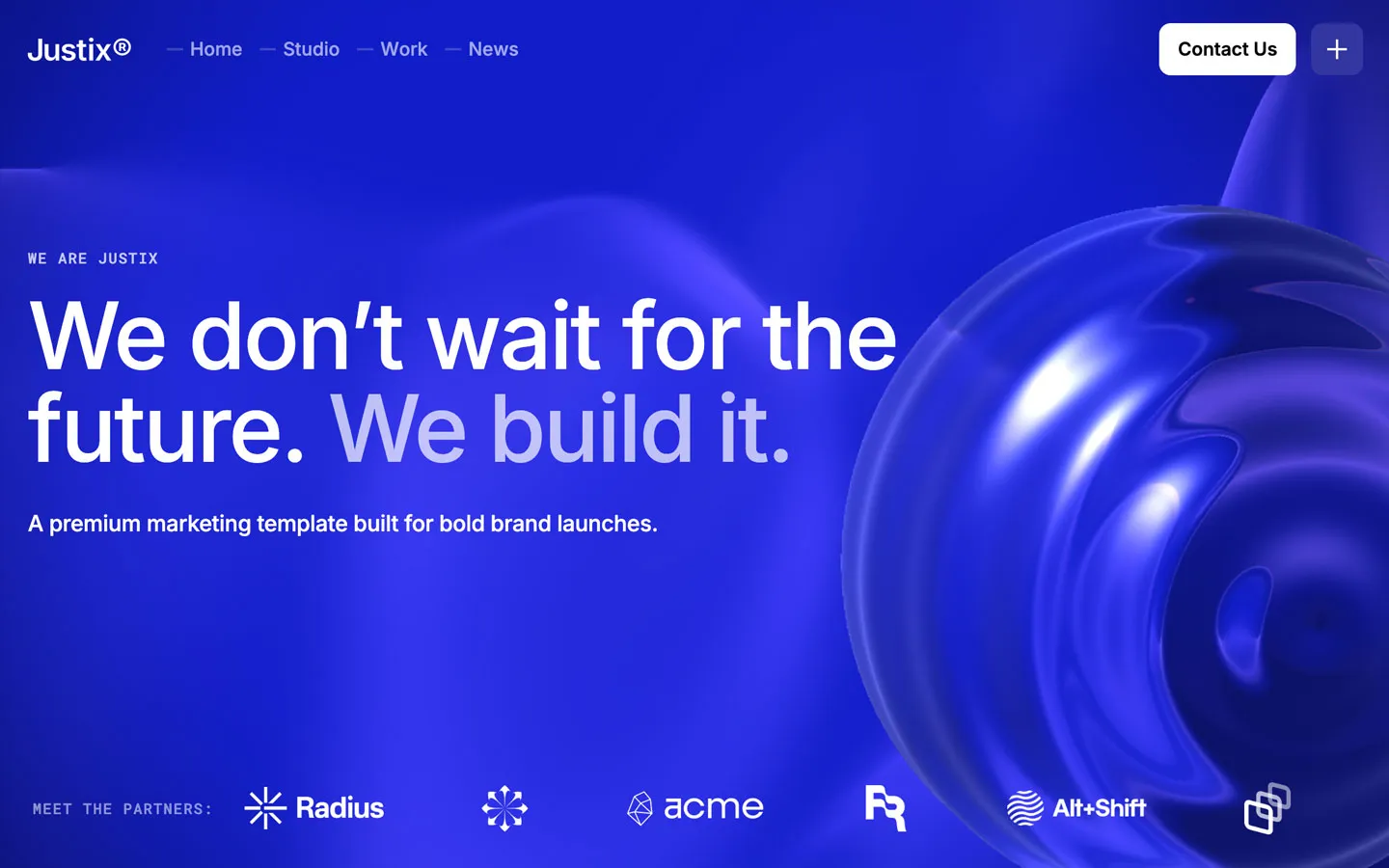


Don’t miss out on our superb, customizable templates designed to enhance your web design experience. We constantly add new templates and components.

Explore stunning Webflow, Framer, HTML5, Next.js and Figma templates designed to spark your next big idea.


*Rest assured that your data is safe with us, and you'll only hear from us 1 time per month.