A useful agency template library is not about maximum quantity. The right number is enough vetted options to cover recurring project types without slowing selection.
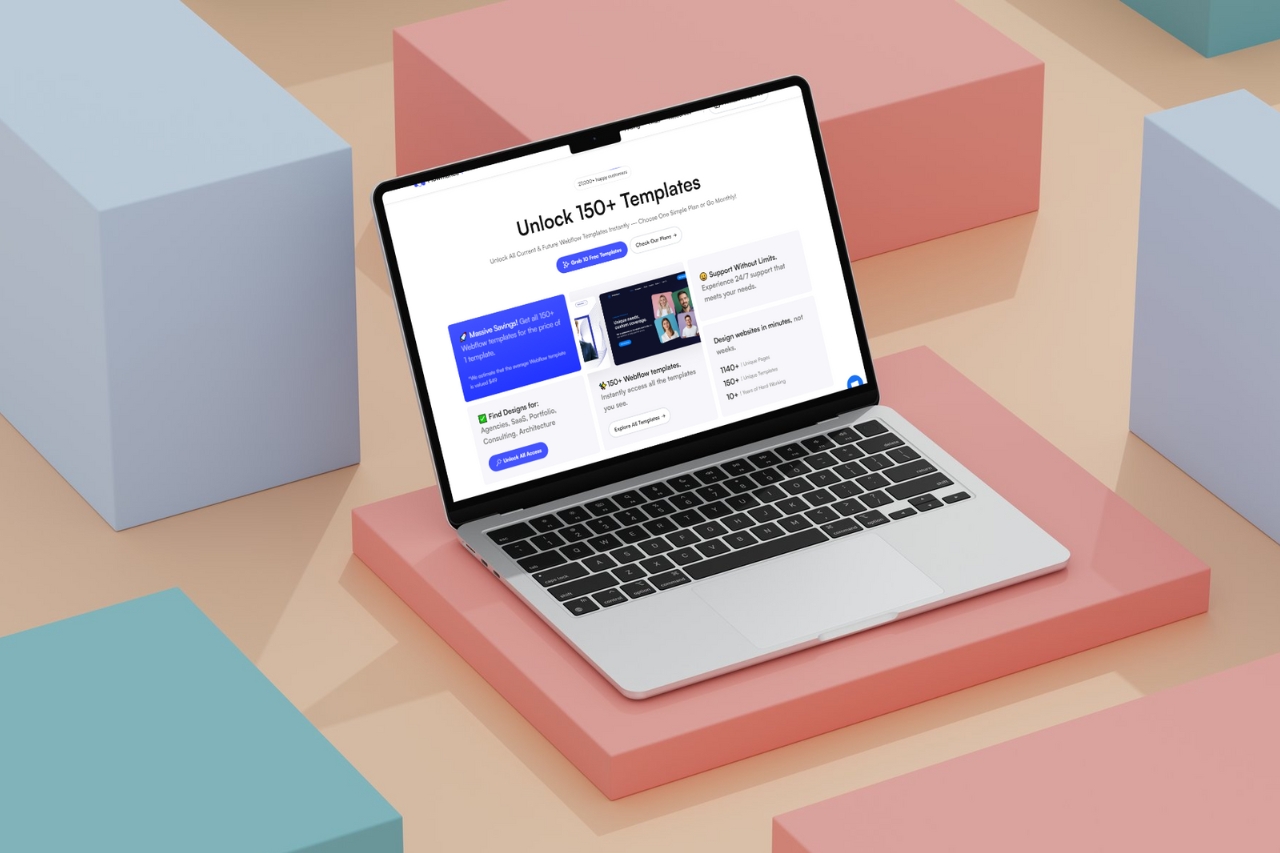
An agency does not need hundreds of templates in active rotation. It needs enough strong, vetted starting systems to cover the kinds of projects it repeatedly sells.
A large catalog creates optionality, but weak or unfamiliar templates can slow a team down. The practical value comes from knowing which designs have good internal pages, CMS structure, responsive behavior, and customization potential.
Start with the categories the agency actually builds: agency, SaaS, portfolio, consulting, architecture, editorial, ecommerce marketing, or another recurring format. A few dependable options per category can be more useful than a huge unfiltered library.
Record the templates that have already performed well in real projects. Note their strongest page systems, CMS patterns, responsive strengths, and known limitations.
A new template should earn its place by covering a project type, visual direction, or content system the shortlist does not already handle well.
The useful metric is not how many templates are accessible. It is how often the library helps the team avoid repetitive setup without forcing expensive cleanup.
An agency needs enough variety to avoid repeating itself and enough familiarity to move quickly. Treat a large library as a source pool, then build a smaller internal shortlist around real production needs.




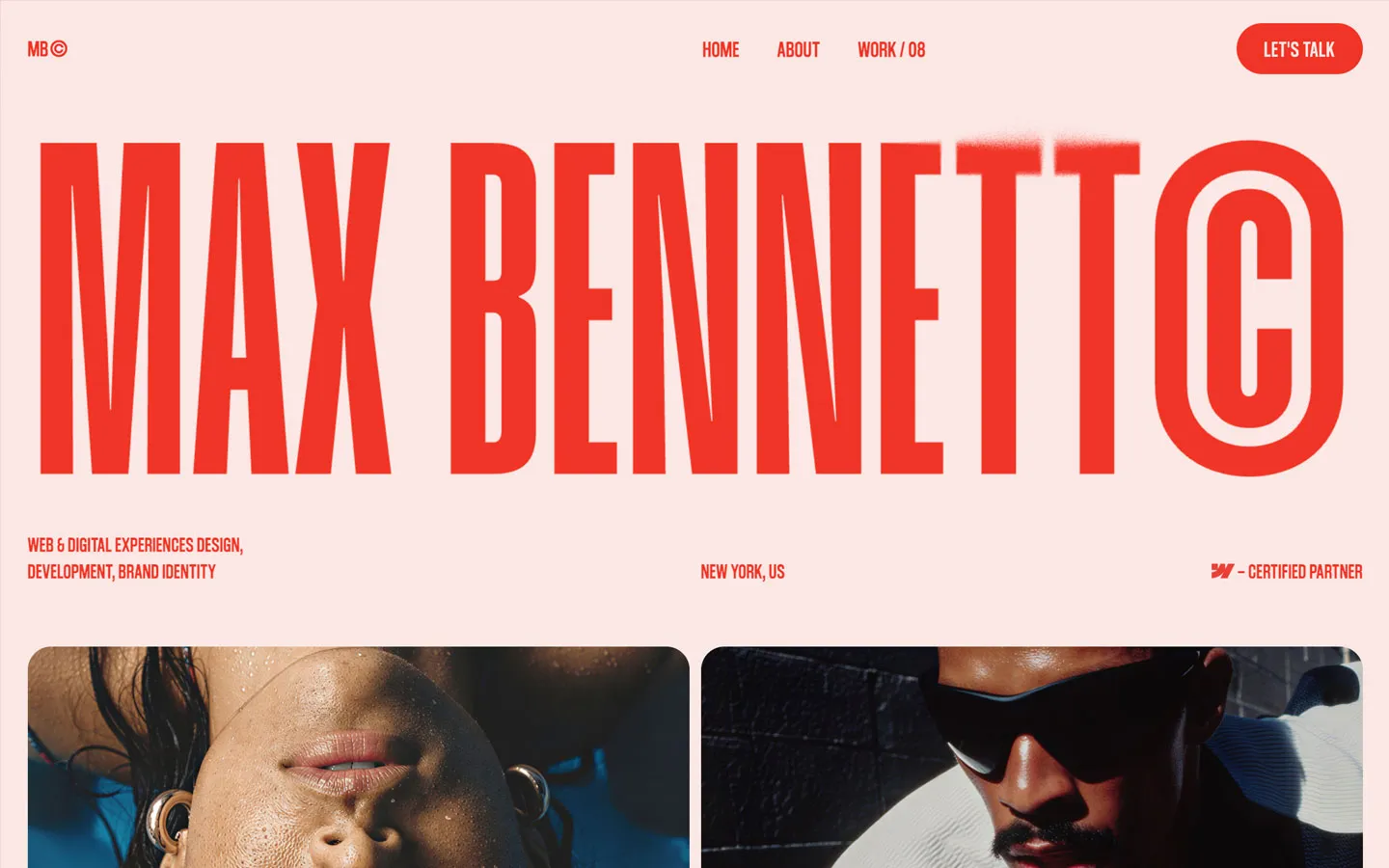


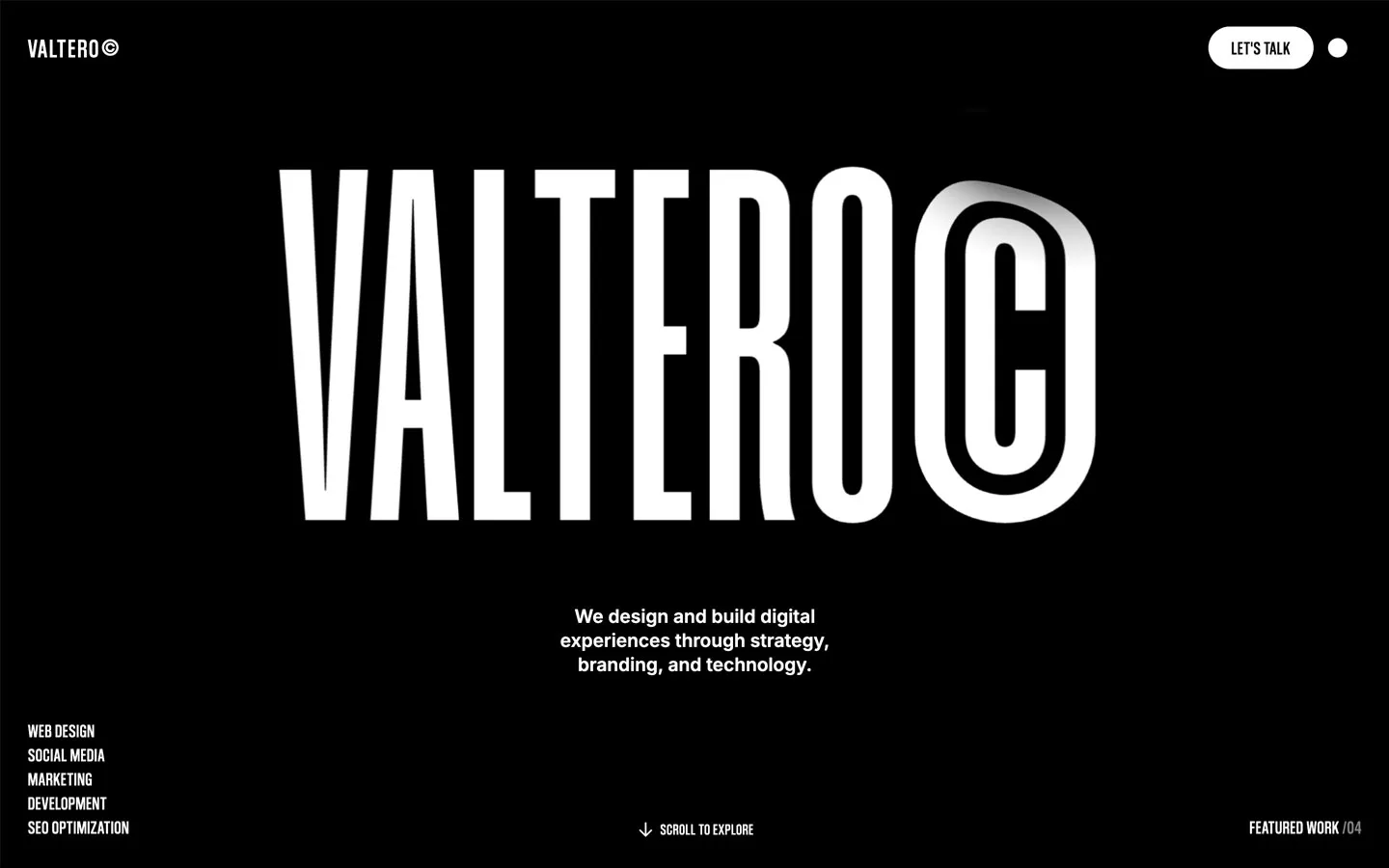



Don’t miss out on our superb, customizable templates designed to enhance your web design experience. We constantly add new templates and components.

Explore stunning Webflow, Framer, HTML5, Next.js and Figma templates designed to spark your next big idea.


*Rest assured that your data is safe with us, and you'll only hear from us 1 time per month.