Turn a template into a consistent brand system by defining typography, color, imagery, spacing, UI components, motion rules and content principles before editing every page.
Branding a template is easier when you create a small system before customizing individual pages. Define the rules that should repeat, then let those rules change the whole site consistently.
Write a short set of traits such as precise, warm, technical, editorial or playful. These become filters for typography, imagery, motion and interface choices.
Choose display and body type, then define scale, line height, text widths and recurring labels. Test long real headlines before locking the system.
Define primary, background, text, muted and accent roles rather than choosing colors independently on each page. Check contrast before applying the palette widely.
Specify photography style, crop ratios, product mockups, illustration treatment or another consistent visual direction. Replacing stock assets with a coherent image language changes the identity quickly.
Buttons, cards, forms, navigation and CTAs should express the same brand rules. Update shared components instead of manually restyling copies.
Decide whether the brand should feel calm, responsive, playful or cinematic. Keep only the interactions that support that tone.
Voice and hierarchy are part of the brand system too. Decide how direct headlines should be, how proof is presented and how CTAs are phrased.
Once the system is clear, reorder sections and adapt layouts around the actual content. The template provides structure while the shared brand rules keep new pages coherent.
The fastest way to make a template feel branded is to change the system once instead of decorating every page separately.


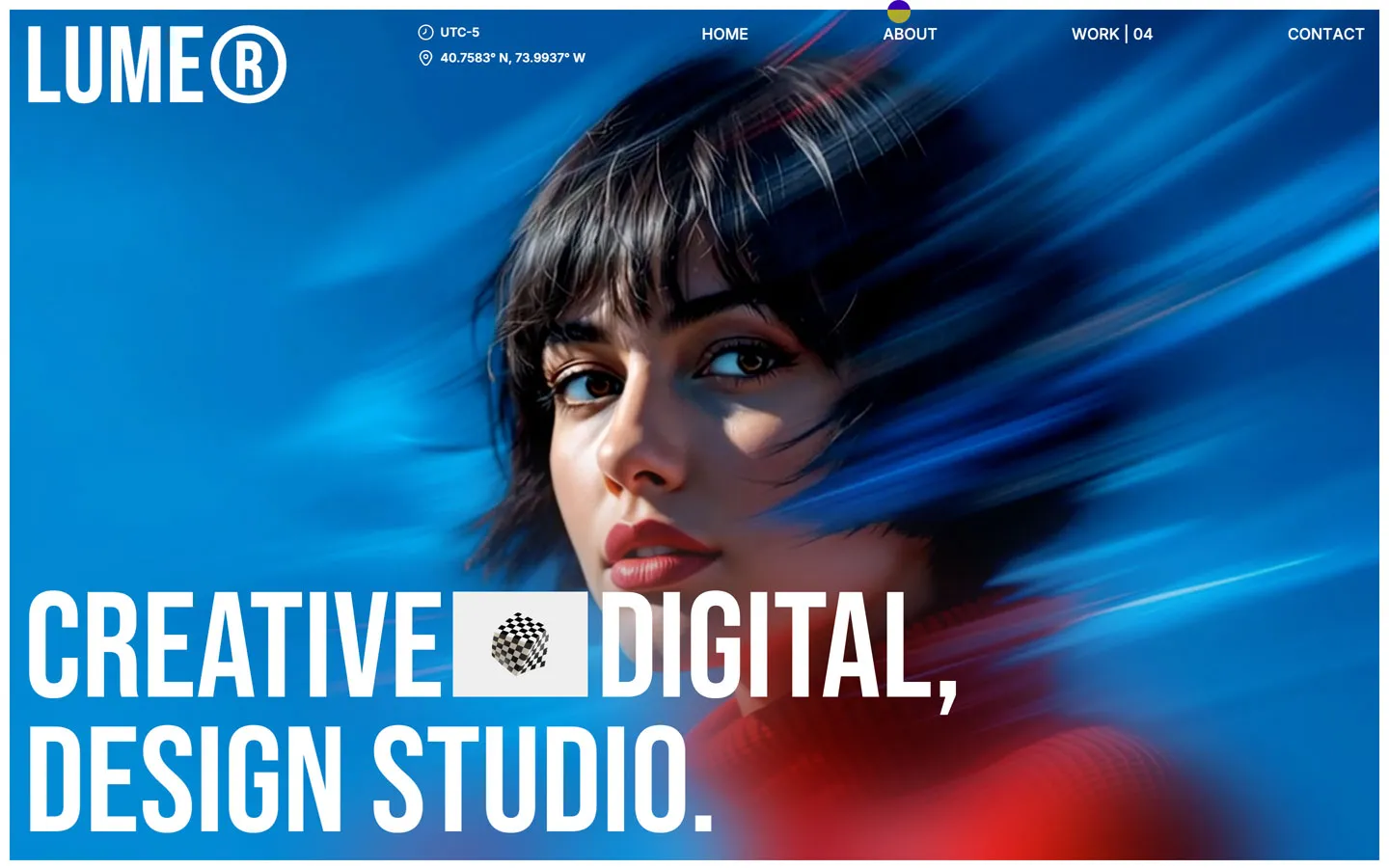
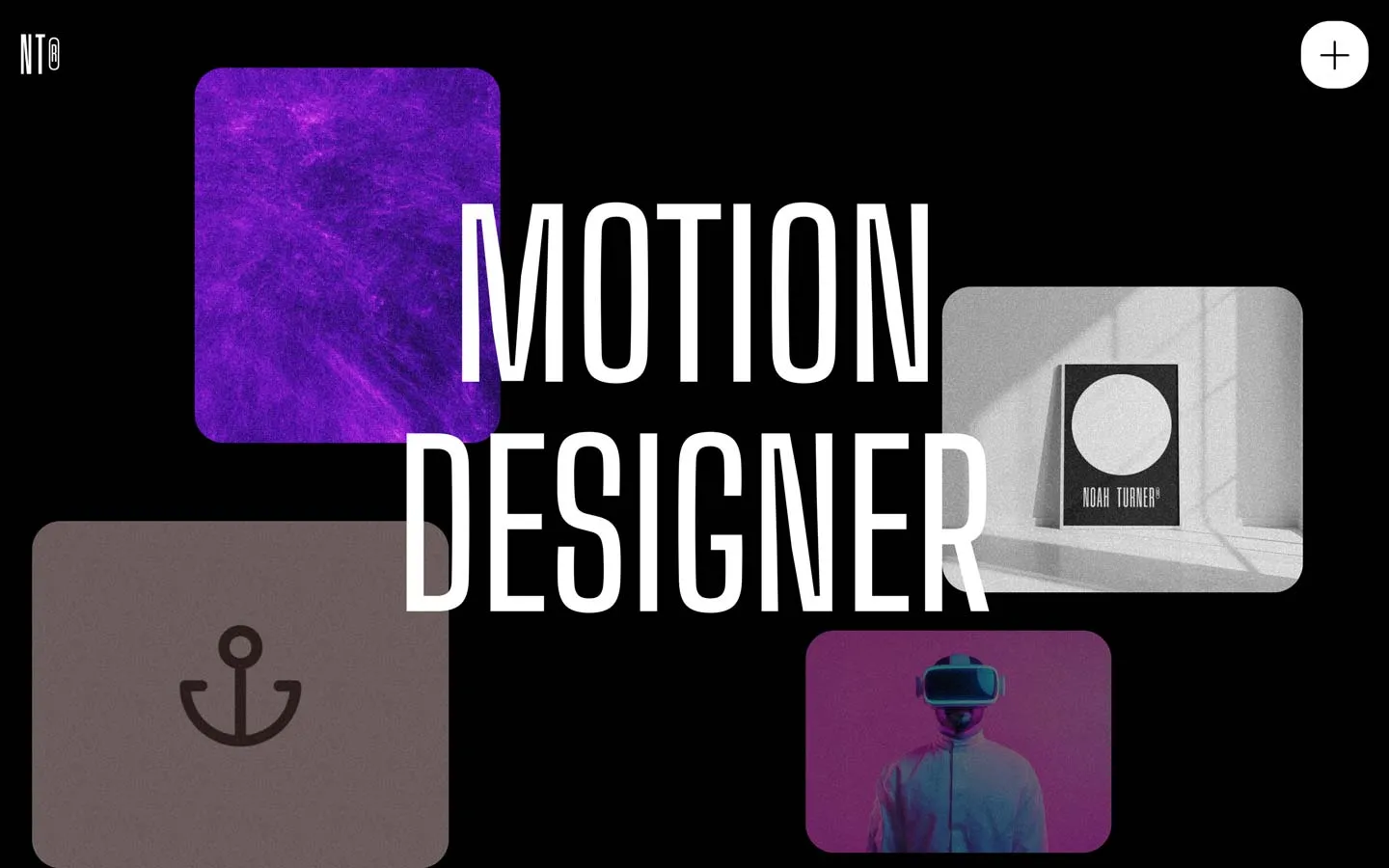
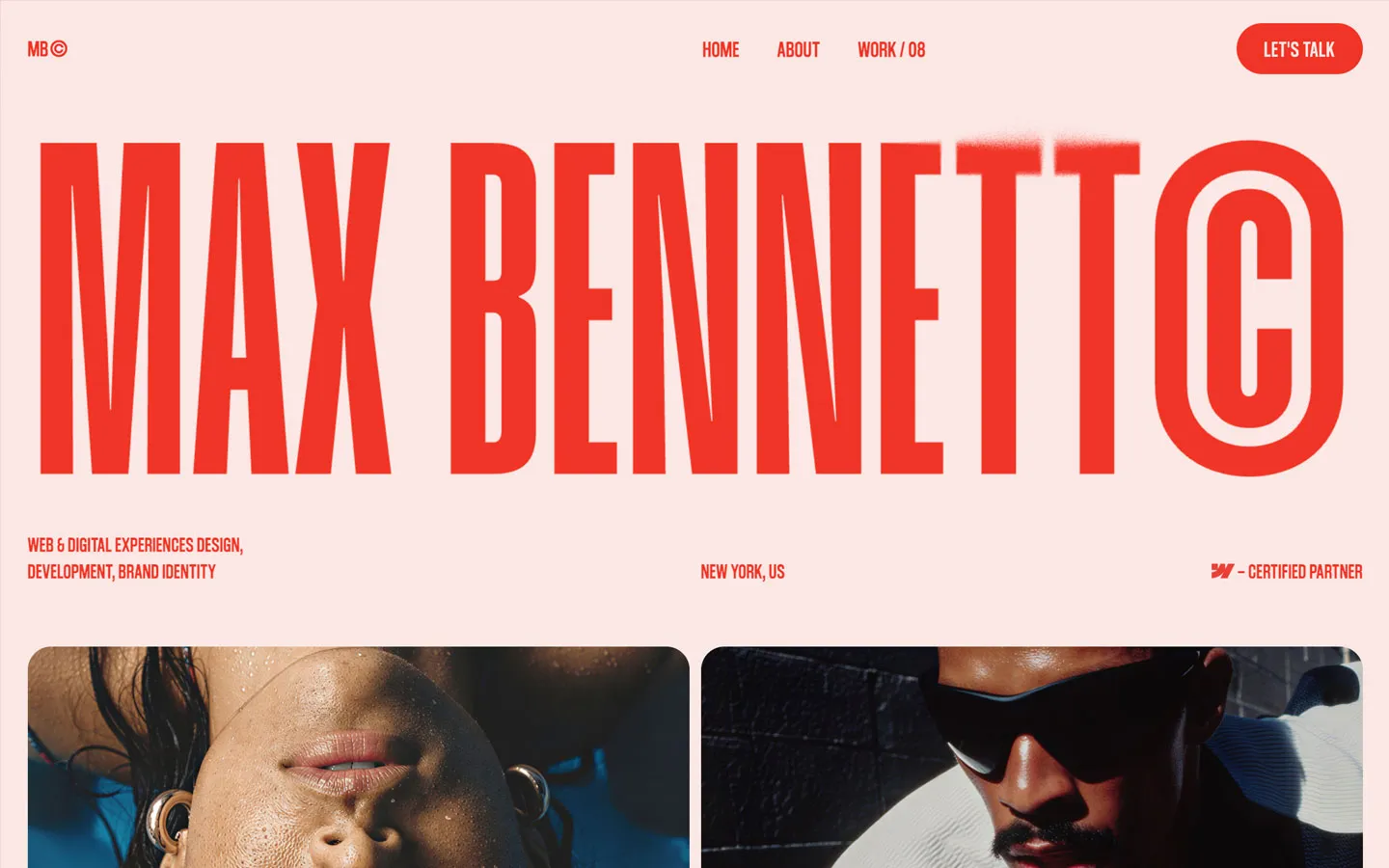


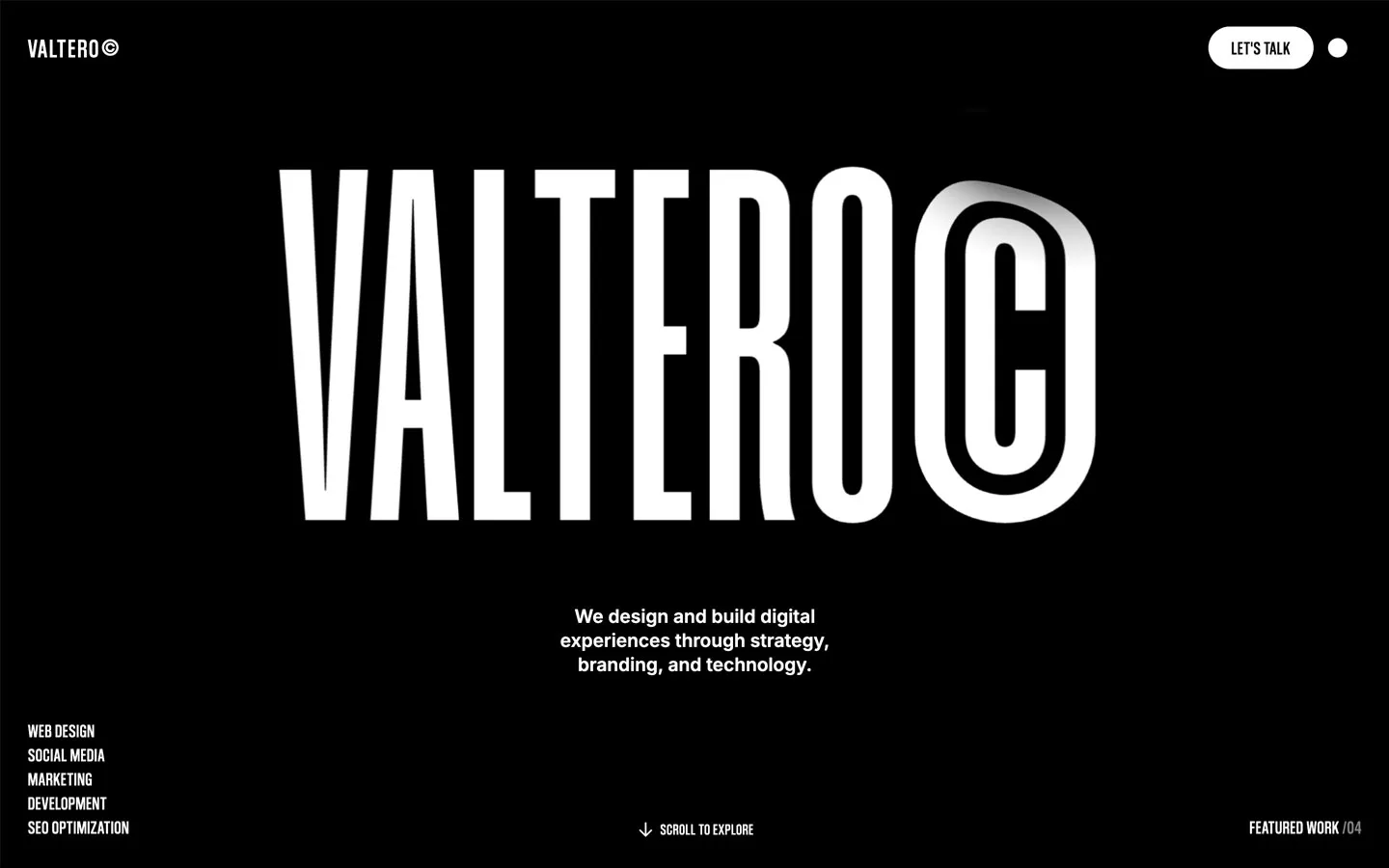
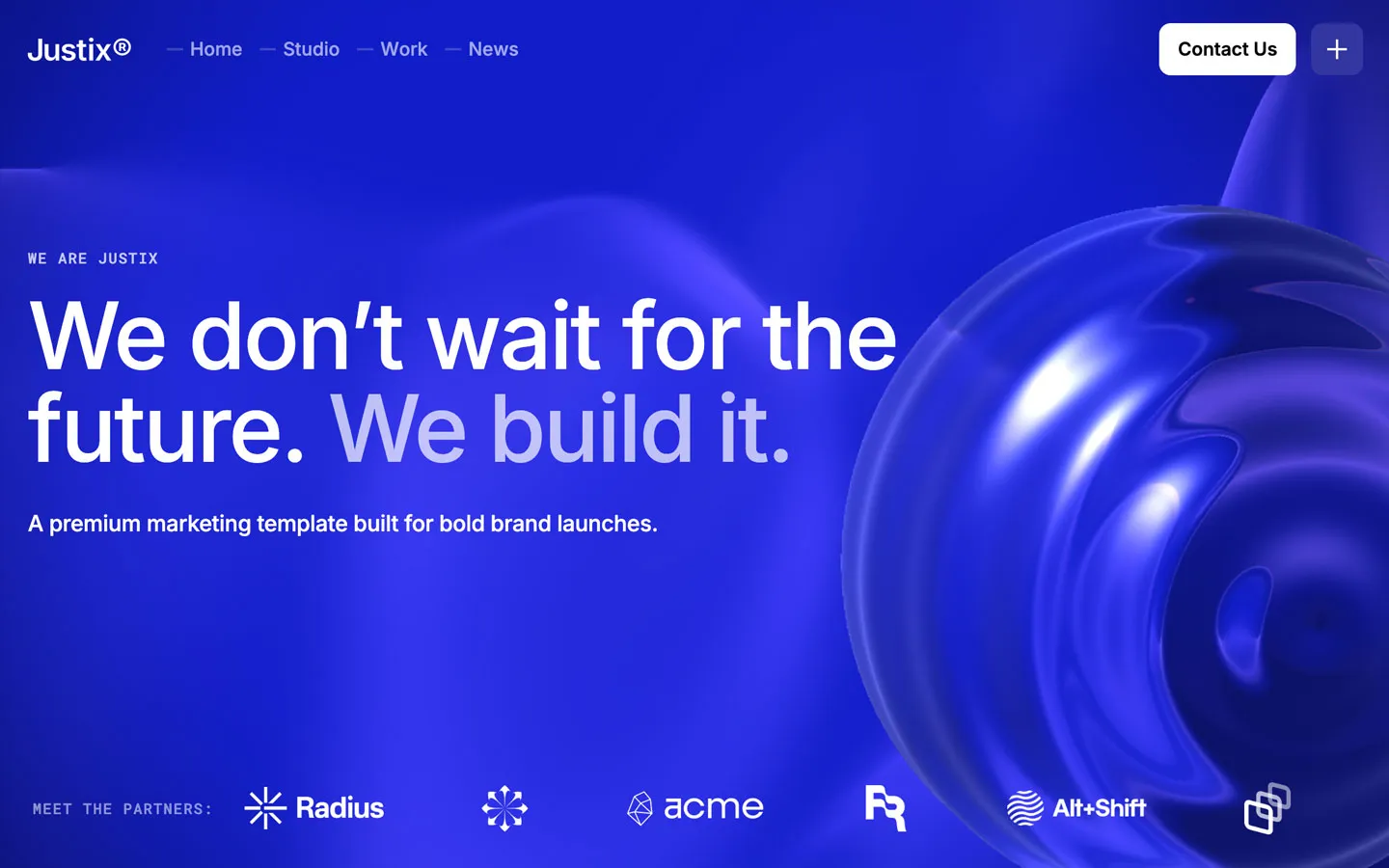


Don’t miss out on our superb, customizable templates designed to enhance your web design experience. We constantly add new templates and components.

Explore stunning Webflow, Framer, HTML5, Next.js and Figma templates designed to spark your next big idea.


*Rest assured that your data is safe with us, and you'll only hear from us 1 time per month.