A modern business website template should support clear services, trust, proof, team information, useful content, contact paths, mobile behavior and maintainable CMS structure.

A business template should make the company easy to understand and easy to contact. Visual style matters, but clarity, trust and maintainability should decide the starting structure.
Visitors should understand what the company offers without decoding a generic slogan. Check service overview and detail-page structures.
Testimonials, case studies, clients, certifications or outcomes should have flexible places to live near the claims they support.
For relationship-driven businesses, About and team pages reduce uncertainty and support credibility.
Articles, projects, services, locations, jobs or team members should use structured content when they will grow repeatedly.
Phone, email, form, booking or another relevant action should be easy to reach from the pages where a visitor makes a decision.
Check navigation, long service names, forms, tables and proof sections at narrow widths. Business sites often receive mobile traffic from search and local discovery.
The template should survive new typography, imagery, colors and section order without depending on the demo's identity.
Choose a business template for the information system it gives you, then make the visual identity specific to the company.


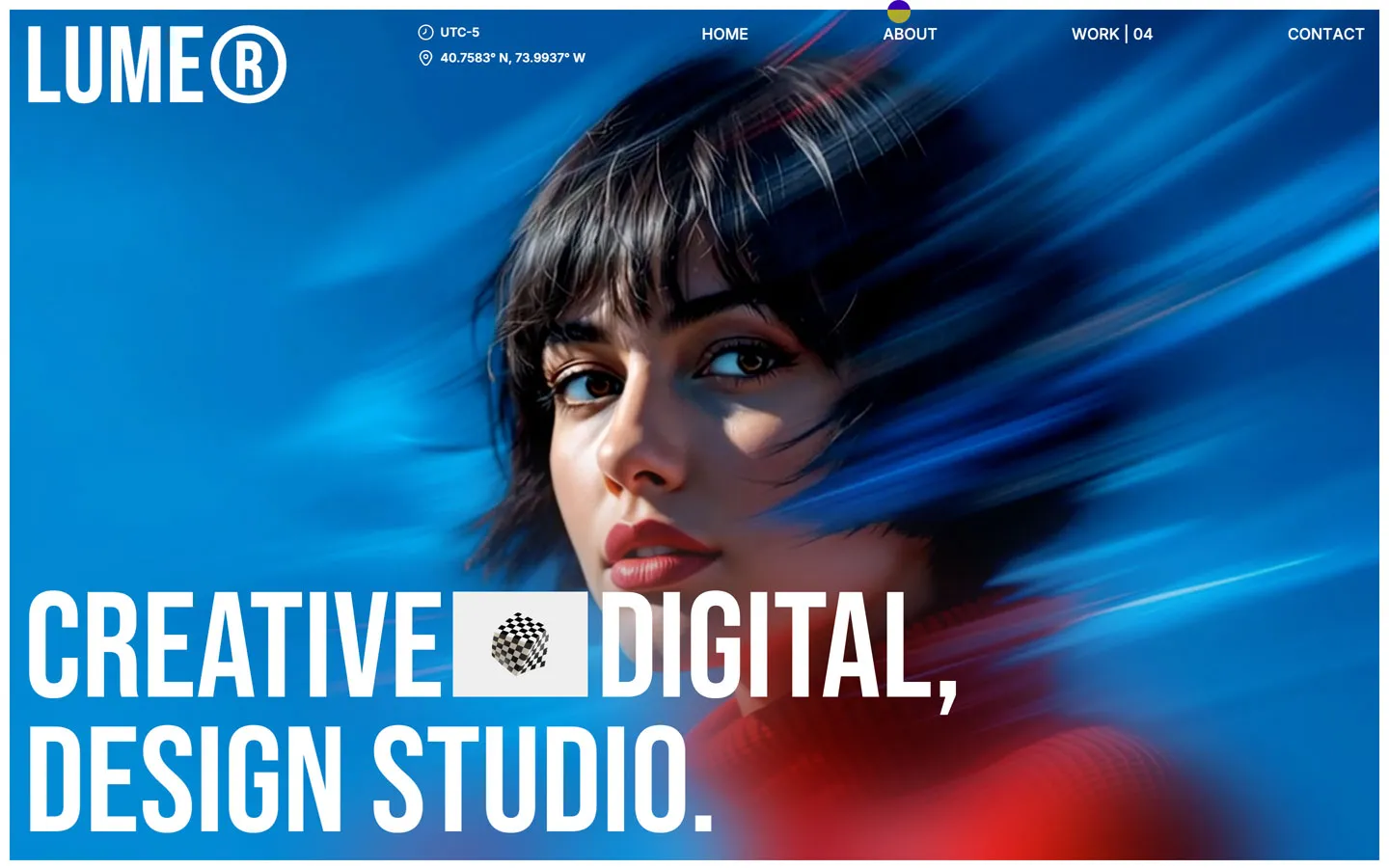

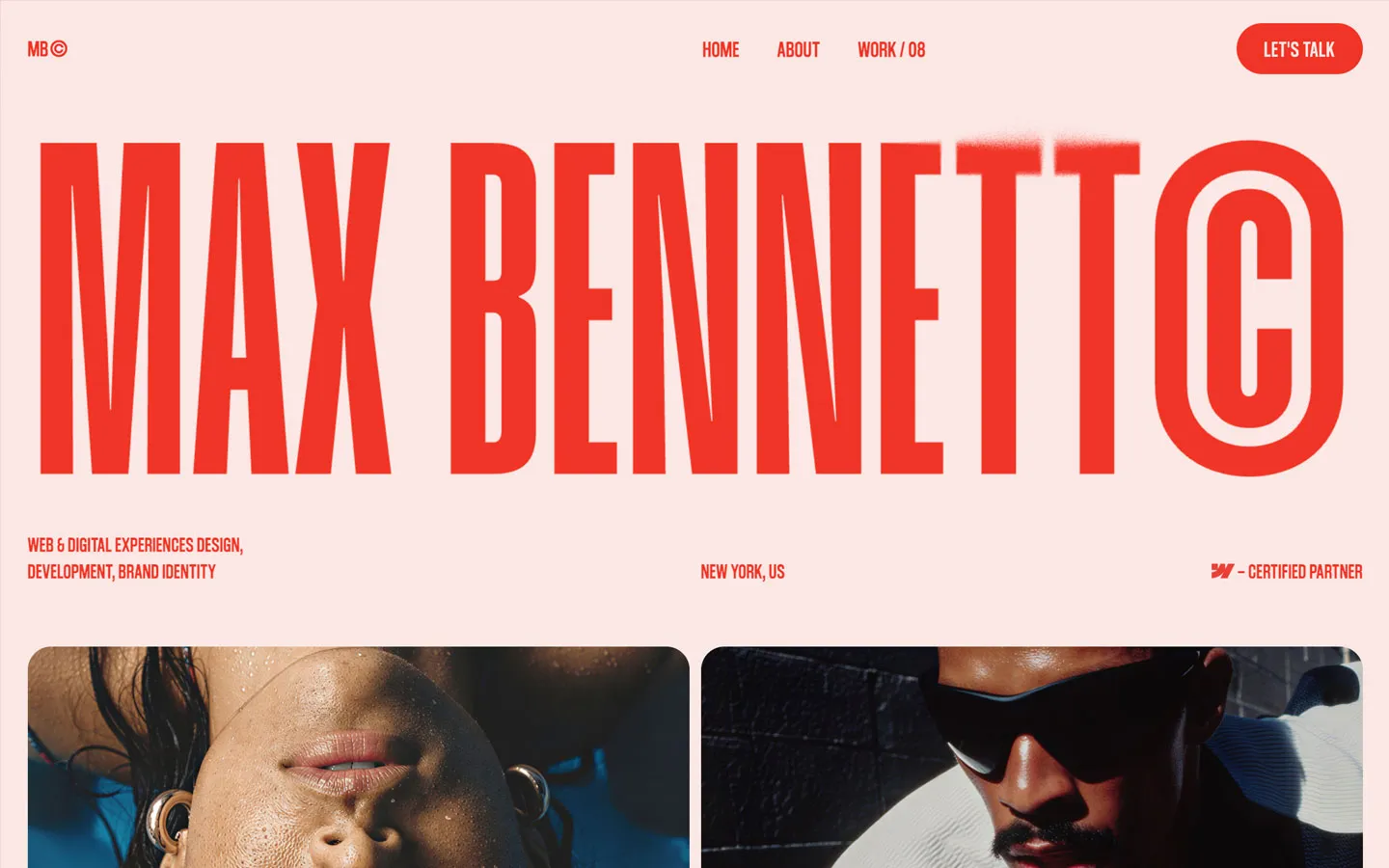


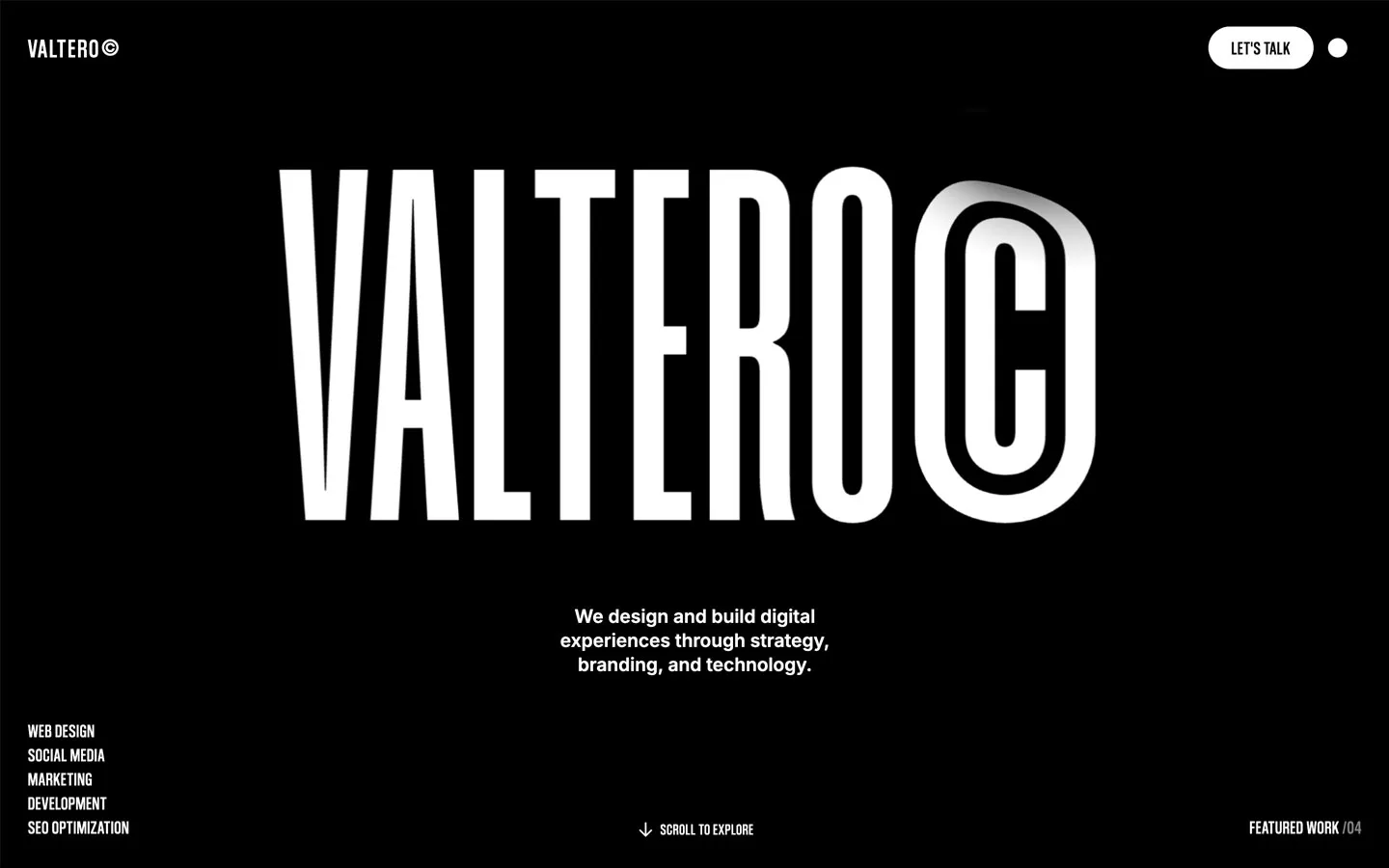



Don’t miss out on our superb, customizable templates designed to enhance your web design experience. We constantly add new templates and components.

Explore stunning Webflow, Framer, HTML5, Next.js and Figma templates designed to spark your next big idea.


*Rest assured that your data is safe with us, and you'll only hear from us 1 time per month.