A ready-made logo can be a sensible early-stage branding option for small businesses, but differentiation comes from typography, color, imagery, messaging, and consistent application.
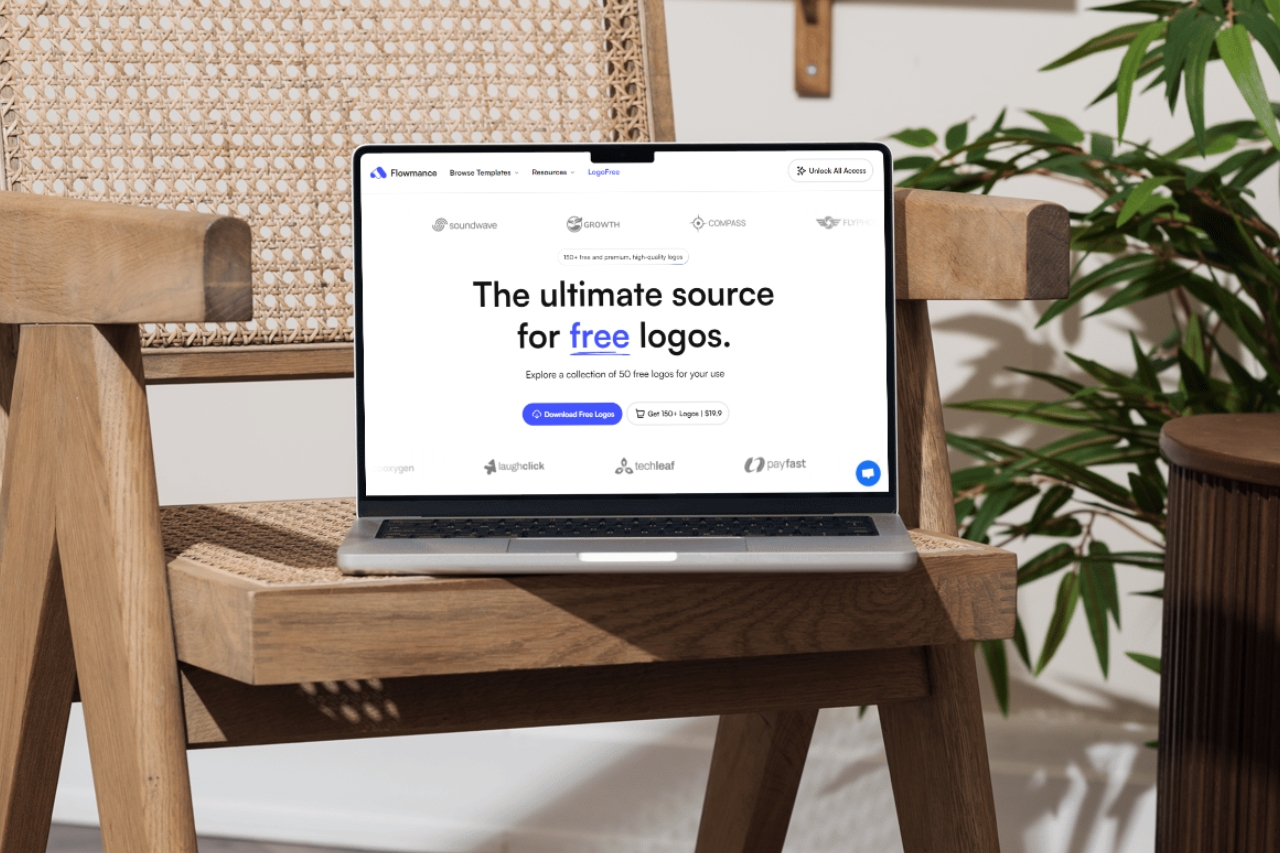
A ready-made logo can be a practical choice for a small business when the priority is launching a credible identity quickly and the symbol itself does not need to be exclusive. It should be treated as one part of a broader brand system, not as the entire branding strategy.
Early-stage local businesses, freelancers, side projects, internal products, and experiments may not need a long identity process before validating the offer.
A strong pre-designed mark can provide a usable visual anchor while budget is spent on the product, website, photography, or customer acquisition.
Understand whether the asset is exclusive, whether commercial use is allowed, and what modifications or redistribution are permitted. A template-based mark should never be assumed to provide trademark exclusivity.
If trademark clearance or legal distinctiveness is important, obtain appropriate professional advice.
The same symbol can feel technical, premium, friendly, or editorial depending on the wordmark, spacing, and surrounding type system. Invest time in the typography rather than simply accepting the default pairing.
Define a reliable monochrome logo first, then establish primary colors, supporting neutrals, spacing, image treatment, and recurring layout rules. Consistency makes an inexpensive starting mark feel much more deliberate.
Test the identity in website navigation, social avatars, favicons, invoices, presentations, email signatures, and any relevant print context. Create a compact mark when the full lockup becomes illegible at small sizes.
As the company grows, differentiation, trademark requirements, multiple products, packaging, or a broader brand architecture may justify a custom identity process.
A ready-made logo can reduce early branding cost, but the quality of the final brand comes from the complete system and how consistently it is applied. Use the shortcut where it is low-risk, then invest more deeply when identity becomes a competitive asset.
For the decision framework, see when a ready-made logo library makes sense.


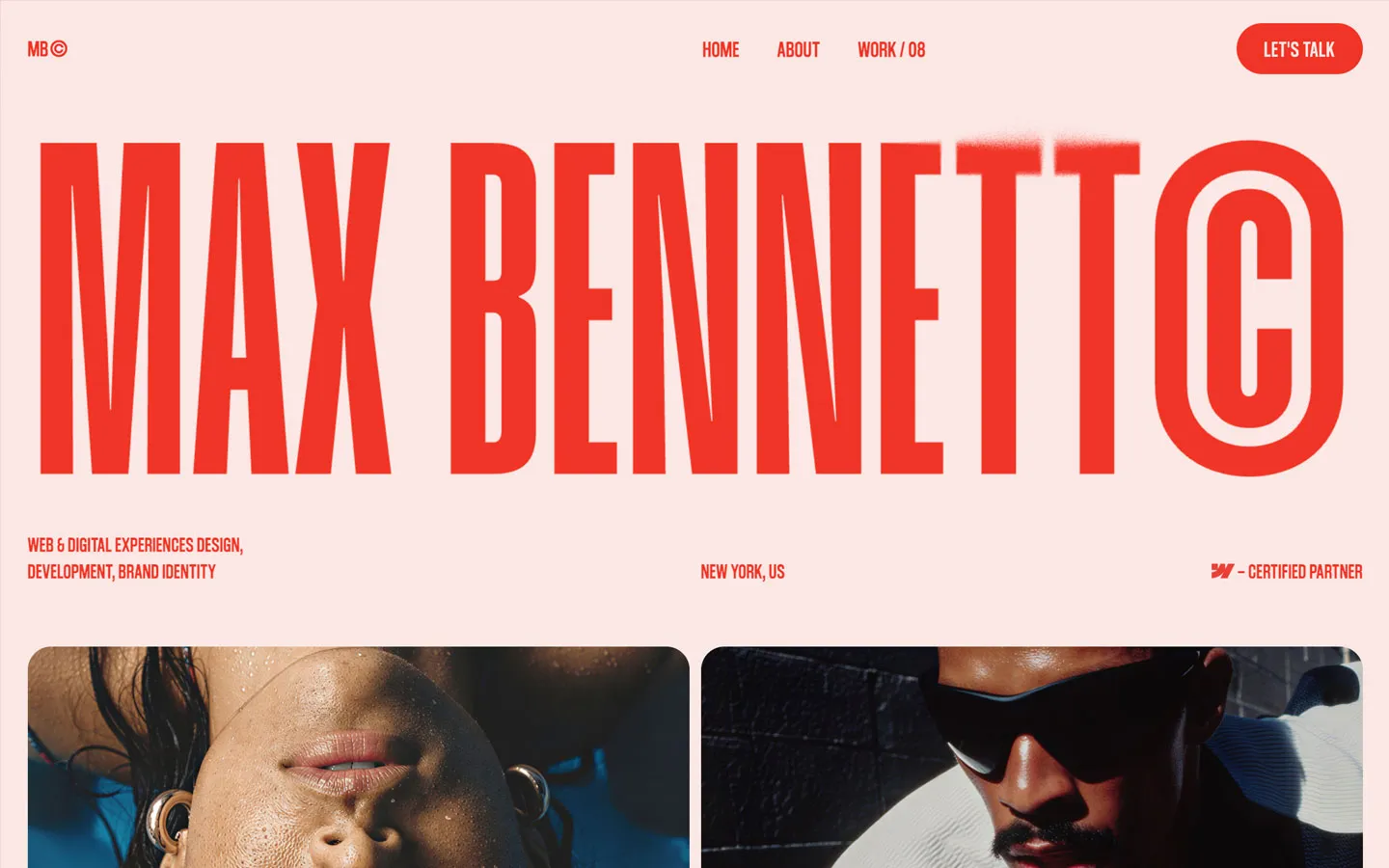


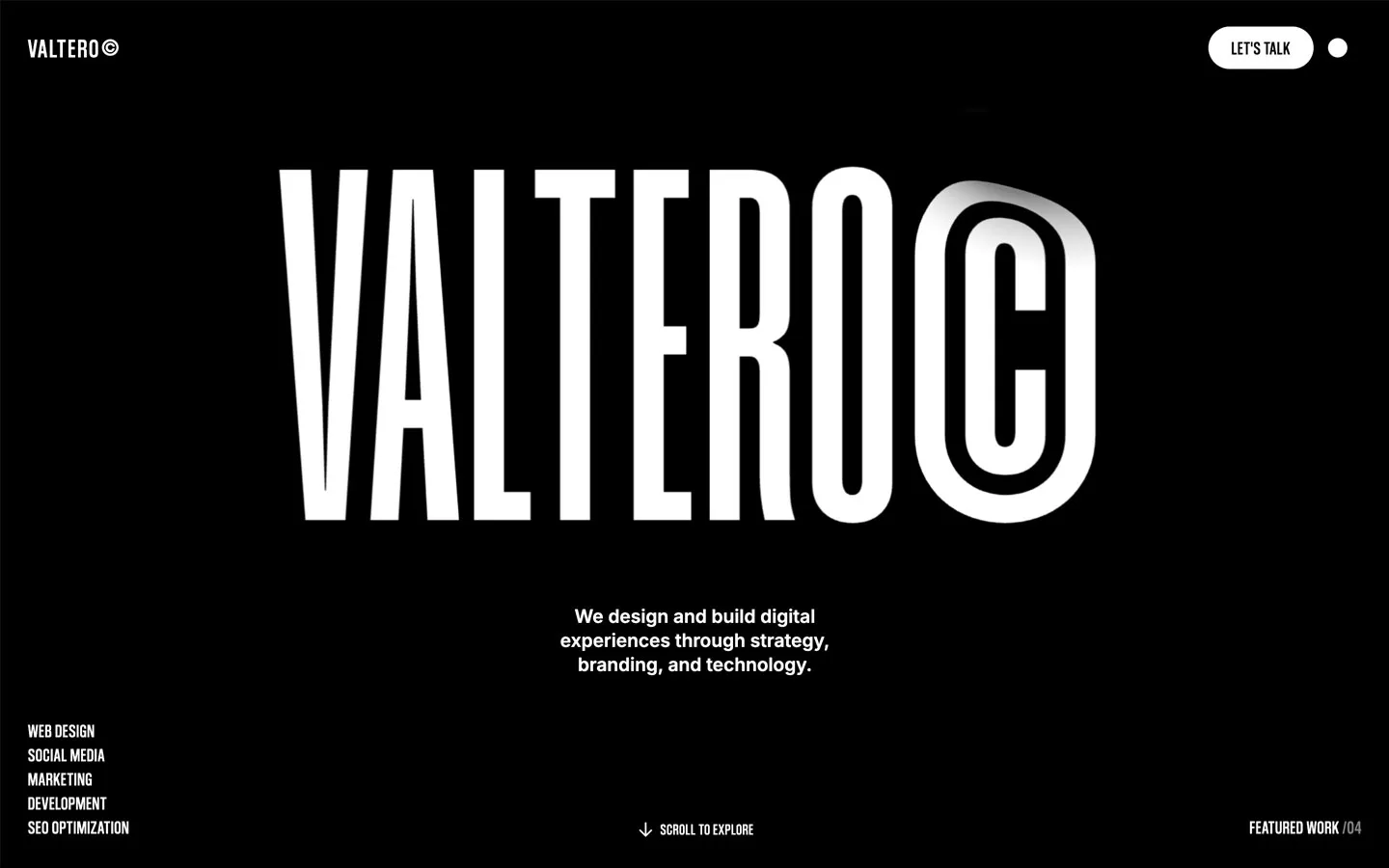
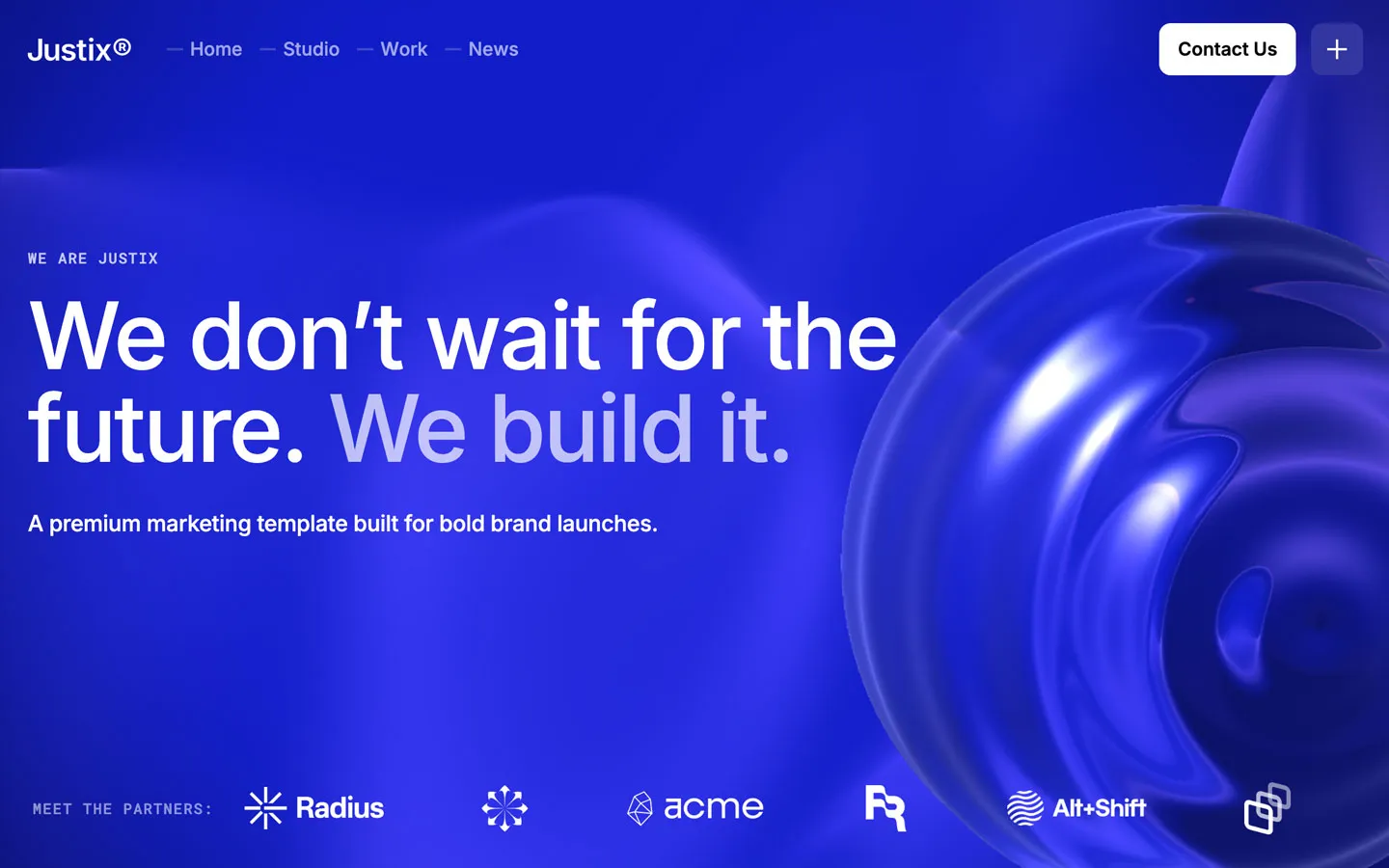


Don’t miss out on our superb, customizable templates designed to enhance your web design experience. We constantly add new templates and components.

Explore stunning Webflow, Framer, HTML5, Next.js and Figma templates designed to spark your next big idea.


*Rest assured that your data is safe with us, and you'll only hear from us 1 time per month.