Website template or custom design? Compare cost, launch speed, flexibility, scalability, marketplace pricing and a practical total-cost framework for choosing in 2026.
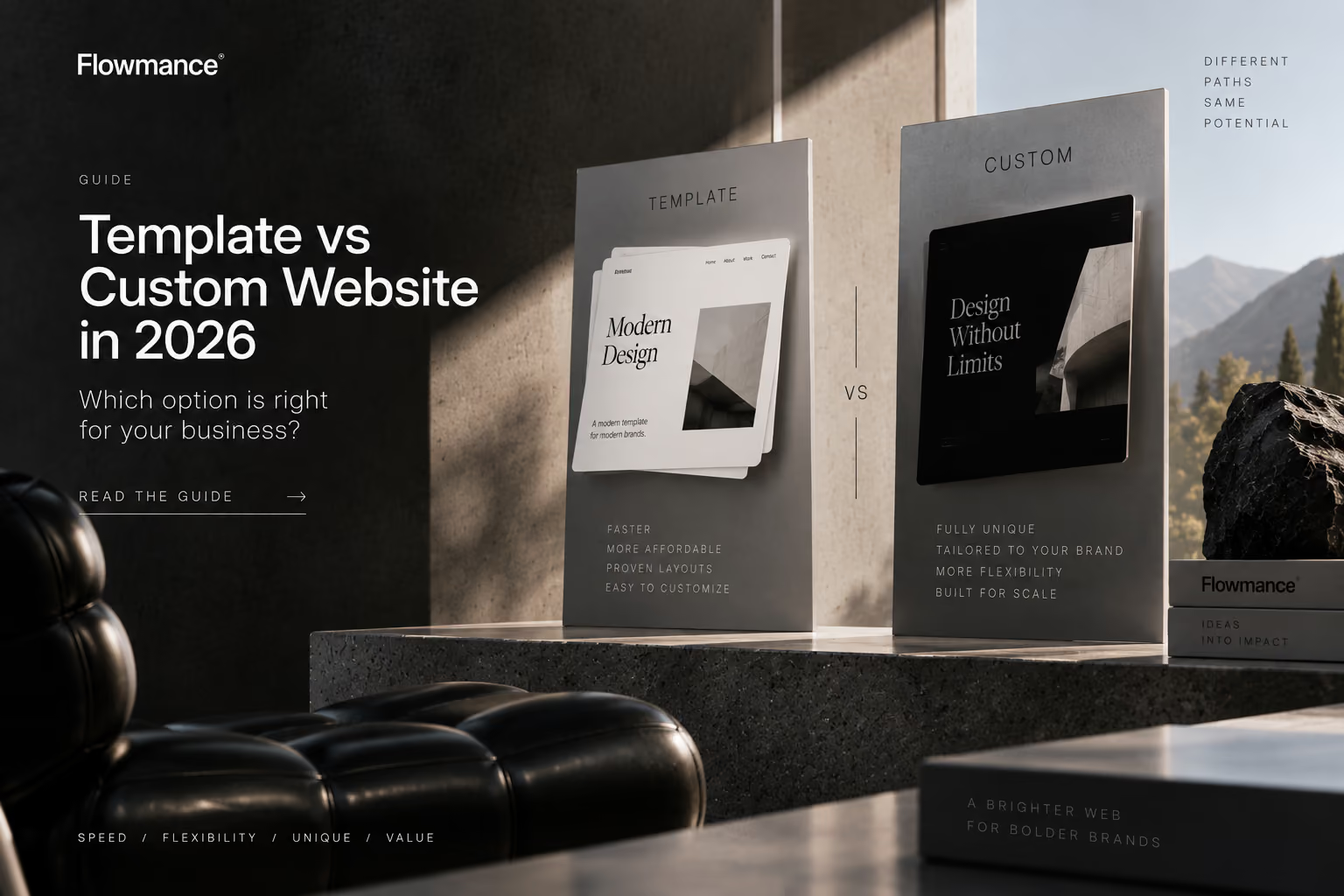
Short answer: choose a website template when speed, budget and a proven structure matter most. Choose custom design when the website needs a highly specific brand system, unusual functionality or an experience that cannot be reached efficiently from an existing foundation. For many businesses, the strongest 2026 approach is hybrid: start from a high-quality template, then customize the content, visual identity, CMS structure and interactions until the finished site is clearly your own.
| Factor | Website template | Custom design |
|---|---|---|
| Launch speed | Usually faster because layout and core pages already exist | Usually slower because discovery, design and implementation start from a blank system |
| Upfront cost | Lower starting cost | Higher because more specialist time is required |
| Brand uniqueness | High if customized deeply; lower if demo styling is preserved | Highest potential because the system is designed around the brand |
| Flexibility | Strong within the underlying platform and template architecture | Can be designed around exact requirements |
| Risk | Lower visual and implementation uncertainty because the starting point can be previewed | More discovery and QA are required, but constraints can be addressed deliberately |
| Best for | Startups, portfolios, agencies, SMBs, campaigns and time-sensitive launches | Complex products, distinctive brand experiences and unusual technical requirements |
A website template is a pre-built design system containing layouts, pages, components and often CMS structures or interactions. It is a starting point, not a finished identity. Webflow's current documentation describes templates as a way to jumpstart site design and says they can be customized extensively after being added as a new site.
Custom design starts from the project's specific requirements rather than an existing visual system. Discovery, information architecture, wireframes, visual design, components and implementation are developed around the business. This is valuable when the website itself needs to express a highly distinctive brand or support workflows that do not map cleanly to an existing template.
Templates remove a large amount of structural work. Navigation, responsive layouts, common page patterns and reusable components may already exist, allowing the team to spend more time on positioning, copy, imagery and conversion paths.
A template reduces the amount of design and development that must be commissioned from scratch. The final project can still involve professional customization, but the budget is concentrated on the parts that make the business distinctive instead of rebuilding common website patterns.
Current marketplace evidence shows that professional templates are usually a two-digit or low-three-digit purchase, not a custom-design-sized investment. A fresh Webflow Marketplace check on September 16, 2026 showed live examples at $29 for one-page products, $49–$99 for many multi-page products, and $129–$169 for larger multi-layout products. Current Framer Marketplace examples checked in September 2026 span free templates and paid products from $19 to $129.
| Marketplace evidence checked | Observed examples | What it means |
|---|---|---|
| Webflow one-page | $29–$39 examples | Lower-cost paid entry points tend to be smaller site structures |
| Webflow multi-page | $49–$99 examples | Common marketing-site structures sit above one-page products |
| Webflow multi-layout | $129–$169 examples | Larger systems can command materially higher prices |
| Framer current marketplace | Free, $19, $39, $53, $70, $99 and $129 examples observed | Framer also spans free entry points through premium paid designs |
These are observed marketplace examples, not universal price bands or promised averages. Marketplace inventories change continuously, and template price does not include platform hosting, third-party services or professional customization.
Compare total project cost, not template price versus agency quote. A useful template budget is: template license + customization hours + copy/content + imagery + integrations + platform costs + QA. A useful custom-design budget contains many of the same items, but adds more discovery, information architecture, design-system creation and implementation time because less of the foundation already exists.
This is why a $79 template does not mean a $79 website, and a custom website is not automatically wasteful. The economic question is how many project-specific decisions still need specialist time after the starting point is chosen.
Estimate how many hours the template genuinely saves on page architecture, responsive setup, CMS modeling, components and utility pages. Multiply those saved hours by the team's real production cost, then subtract the template purchase and any cleanup caused by poor fit. If the result is strongly positive, the template is creating leverage. If most of the template must be rebuilt, its low purchase price is irrelevant.
For teams evaluating repeat use, Flowmance also maintains a practical guide to calculating template-library ROI.
For current starting points, compare Flowmance's Webflow templates, Framer templates and HTML templates alongside their official marketplaces.
The best template purchase is not the homepage with the most dramatic animation. It is the system that already contains most of the pages, CMS collections and content patterns the finished site requires.
Luxury brands, major product launches, cultural organizations and design-led companies may need a digital identity that cannot feel derived from a common system. Custom design gives the creative team freedom to establish the visual language around the brand from the beginning.
If the project requires complex application behavior, custom data relationships, specialized integrations or unconventional interaction models, forcing those requirements into a template can create more work than starting with a purpose-built architecture.
Yes. A template stops feeling generic when the team changes the decisions visitors actually notice: positioning, typography, color system, imagery, content hierarchy, project storytelling, spacing, components and motion. Simply replacing the logo and demo copy is rarely enough.
A high-quality template can provide production infrastructure while a designer creates a custom brand expression on top of it. This hybrid model is especially useful for agencies and startups that want a distinctive result without paying to rebuild every standard page pattern from zero.
Flowmance supports this approach across its Webflow templates, Framer templates, Figma templates and HTML templates.
Technical customization does not automatically change the license. For detailed client-use rules, see Flowmance's website template licensing guide. Licensing should be checked before a template becomes part of a repeatable agency workflow.
Templates win on speed, cost efficiency and proven structure; custom design wins when uniqueness and project-specific requirements justify the additional discovery and implementation. The 2026 marketplace evidence makes the upfront-cost gap concrete, but the template sticker price is only the starting point: customization quality, platform costs, maintenance and licensing belong in the full decision.
Teams working across many projects can also review Flowmance+.


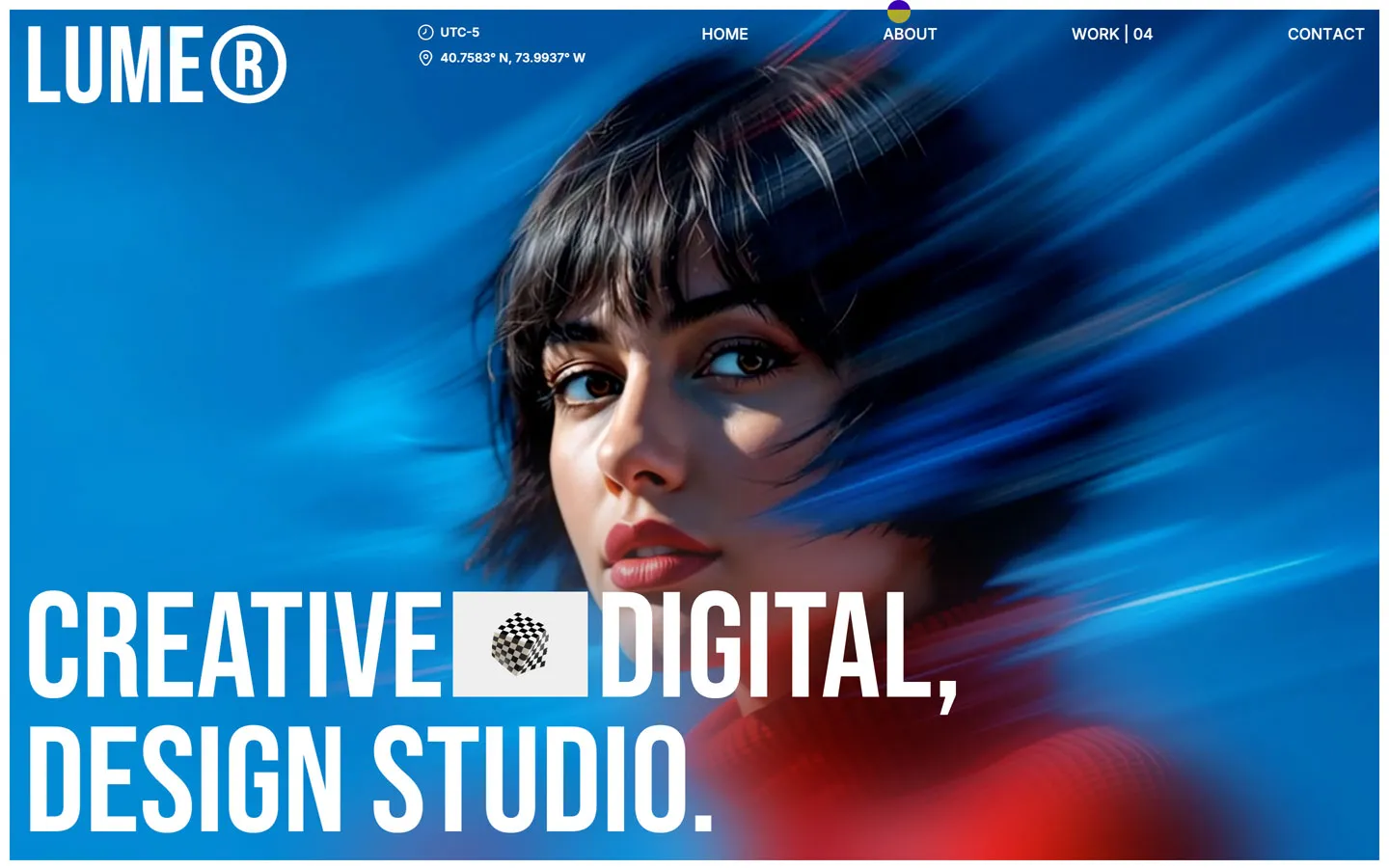
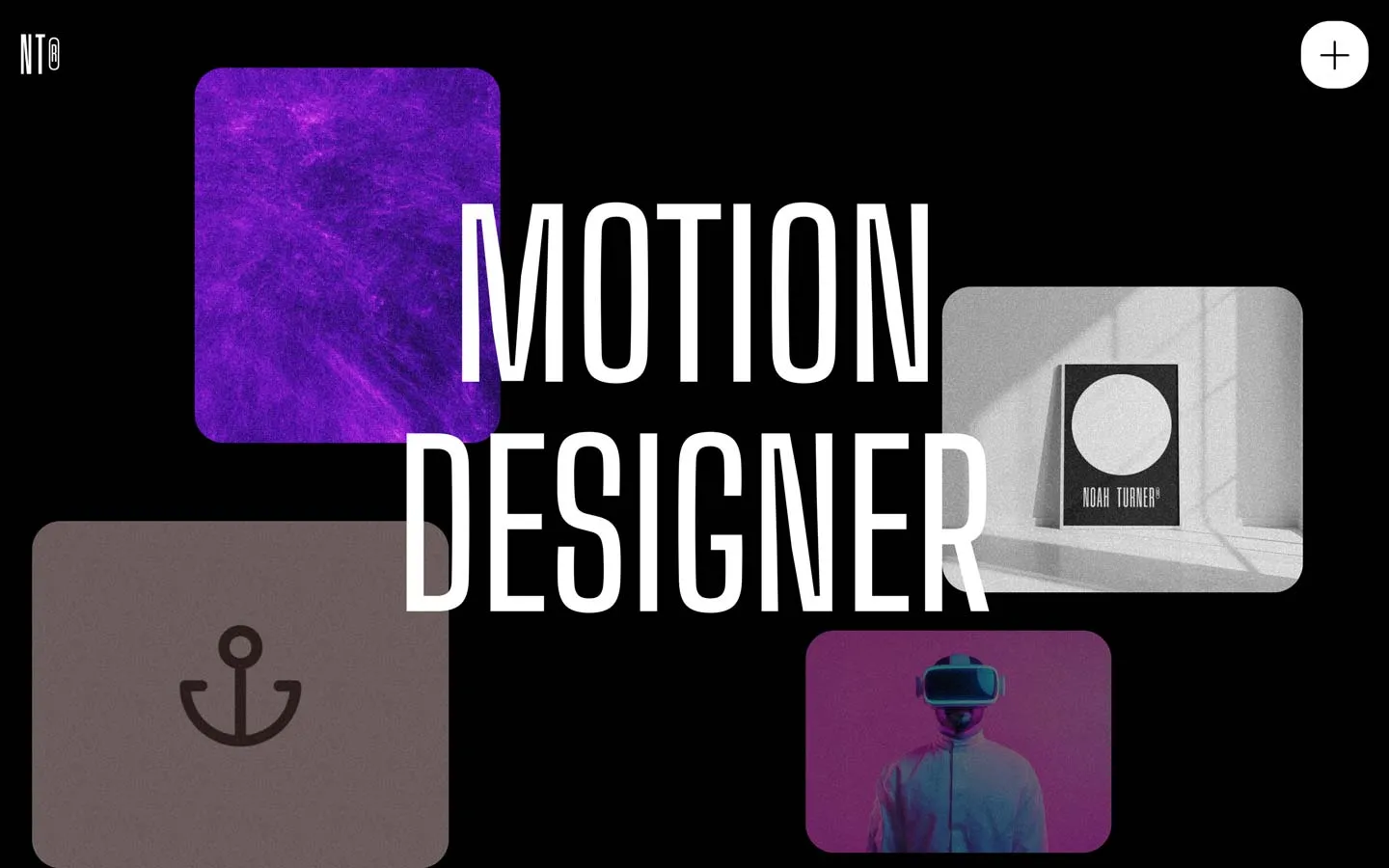
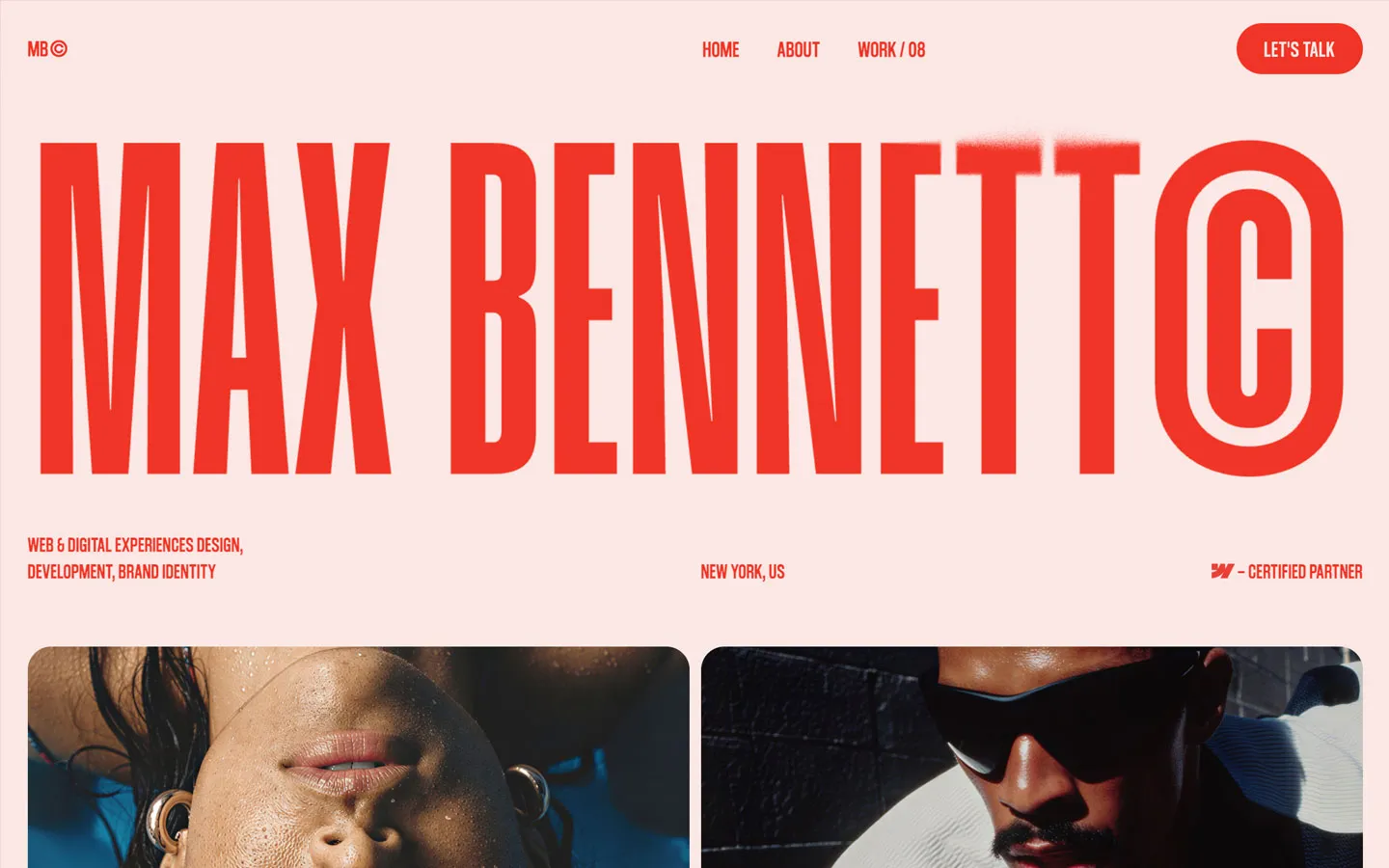


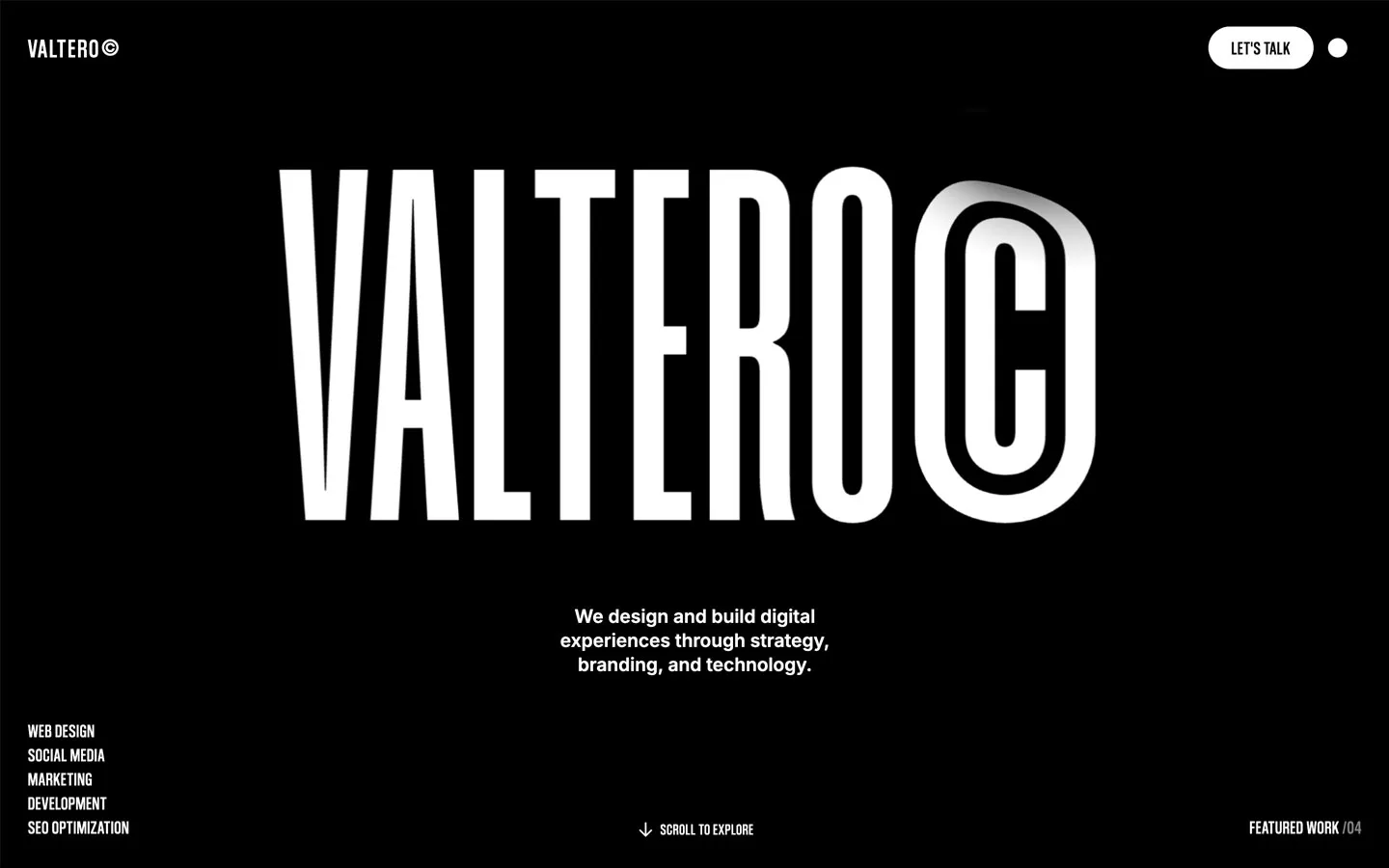
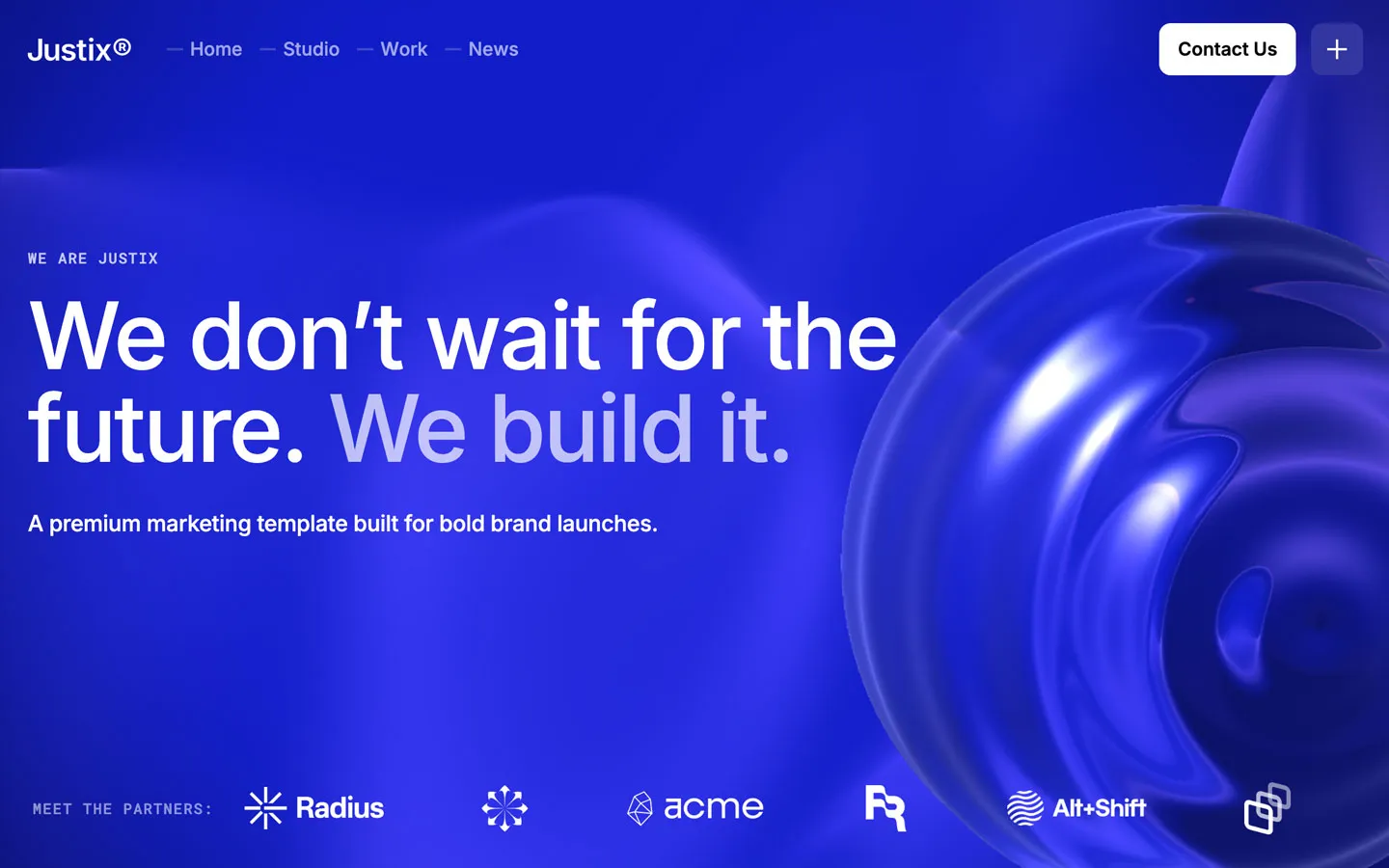


Don’t miss out on our superb, customizable templates designed to enhance your web design experience. We constantly add new templates and components.

Explore stunning Webflow, Framer, HTML5, Next.js and Figma templates designed to spark your next big idea.


*Rest assured that your data is safe with us, and you'll only hear from us 1 time per month.