Structure a digital agency website around services, case studies, capabilities, team, proof, insights and contact so the CMS supports sales and ongoing publishing.

A digital agency website should be structured around the questions a prospective client needs answered. The CMS and page architecture should make services, work, proof and expertise easy to maintain as the agency grows.
Define what can actually be hired. Services can be static pages or CMS-driven when the agency has many capabilities, industries or related case studies.
Useful fields include client, year, industry, services, role, summary, hero media, project story, results, credits and related work. Do not reduce every project to a thumbnail gallery.
If individual expertise supports sales, model names, roles, bios, portraits and relevant project relationships consistently.
Testimonials, client relationships, awards and outcomes can live in structured fields or Collections when they repeat often. Keep claims connected to evidence.
An agency that publishes thought leadership should have a clean article model with authors, categories, summaries, dates and internal links to relevant services or work.
Keep the inquiry path simple and ask only for information that helps route or qualify a project at that stage.
The agency site should be easy to update after every new client, capability and article. Build the content model around that operating rhythm.
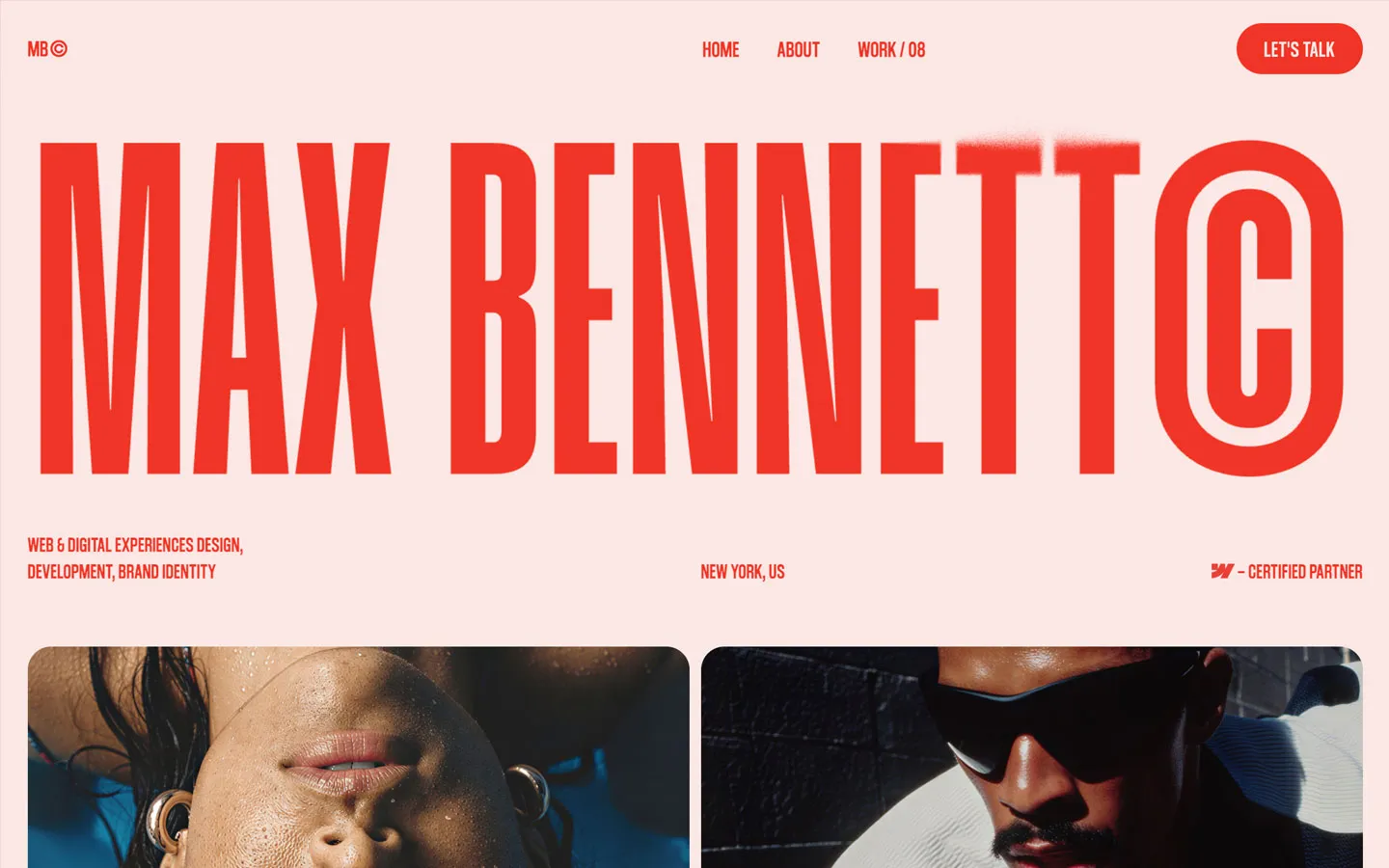
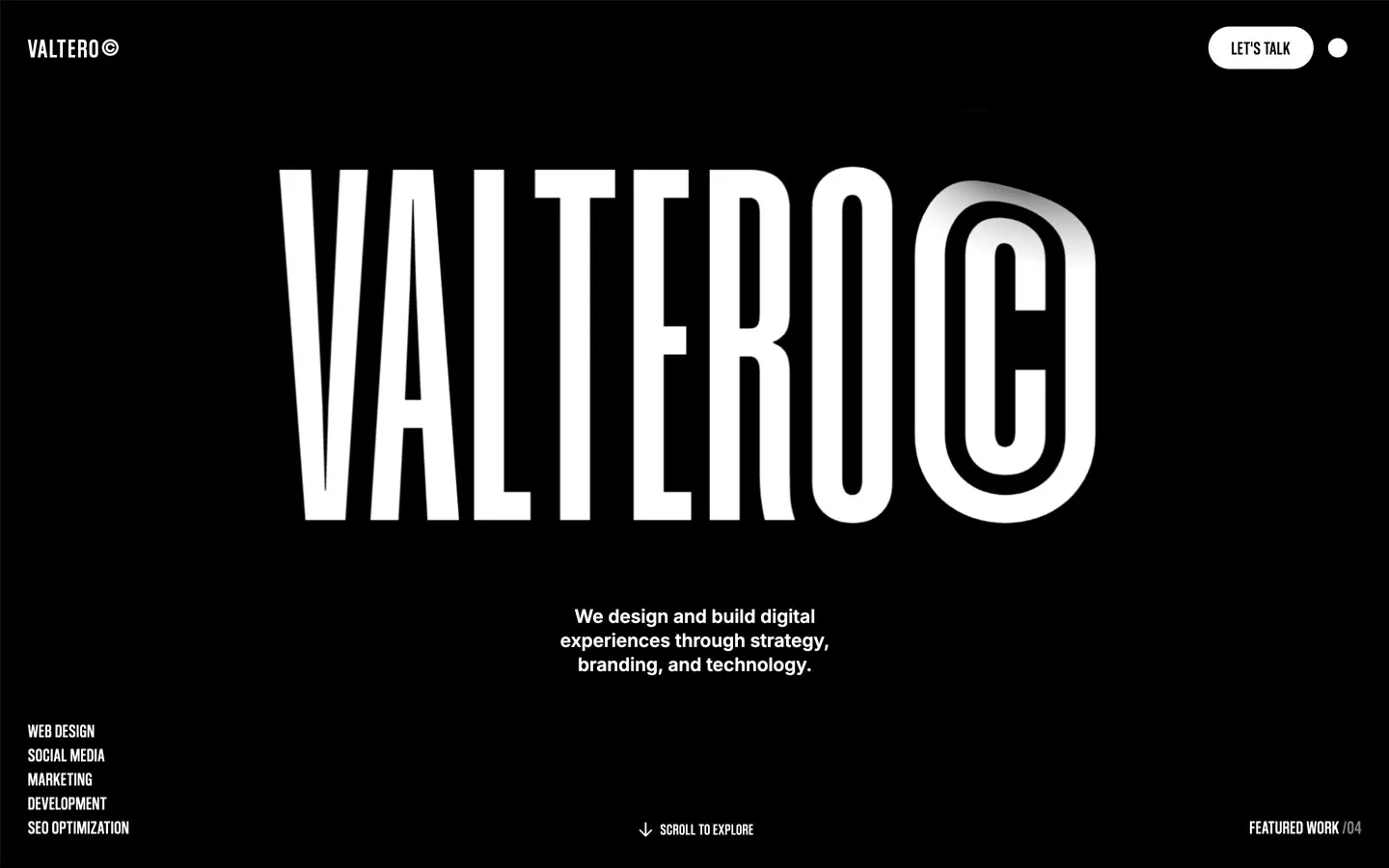
For current template options, use the dominant Webflow agency template guide.









Don’t miss out on our superb, customizable templates designed to enhance your web design experience. We constantly add new templates and components.

Explore stunning Webflow, Framer, HTML5, Next.js and Figma templates designed to spark your next big idea.


*Rest assured that your data is safe with us, and you'll only hear from us 1 time per month.