A SaaS template should support clear product messaging, real UI, pricing, proof, CMS content, integrations, responsive behavior, performance, and room to grow.

A good SaaS template should make the product easier to understand and easier to sell. That sounds simple, but many templates are judged mainly by the hero section. The more useful test is whether the entire site can support the product after the demo copy is gone.
Here is what we would check before choosing one.
The first screen does not need to say everything, but it should give a visitor a clear direction: what the product does, who it is for, and what the next step is.
Be cautious with templates where the visual concept depends on very short, vague copy. SaaS messaging often needs a little more room once the real positioning is added.
If the interface is central to the value, the design should support screenshots, short videos, diagrams, or interactive demonstrations without making them unreadably small.
A generic illustration can look polished, but it does not replace product proof.
A SaaS site often grows beyond a single feature grid. Look for layouts that can handle individual feature pages, use cases, integrations, security information, comparison pages, or deeper product explanations.
The exact page list depends on the product, but the system should have room to grow.
A useful pricing layout can handle plan names, prices, billing periods, feature differences, usage limits, FAQs, and a clear CTA. It should also survive if the business changes the number of plans later.
If pricing is sales-led, the site still needs a convincing path to a demo or conversation.
Testimonials, logos, case studies, reviews, and measurable outcomes work best when they support specific claims instead of appearing as a generic strip near the footer.
Check whether the template includes proper case-study pages if customer stories are important to the sales process.
If the company plans to publish articles, changelog entries, integrations, case studies, or resources, inspect the CMS before committing to the design.
A clean CMS can make content marketing much easier. A collection with the wrong fields creates manual work every time something is published.
A self-serve SaaS may need signup and trial CTAs. A higher-ticket B2B product may need demo forms, qualification questions, calendar booking, or CRM handoff.
Make sure the template gives those actions enough prominence without forcing every page into the same CTA.
SaaS pages can become dense quickly: comparison tables, pricing, feature lists, product screenshots, and long headlines all put pressure on smaller screens.
Open the live demo on mobile. Look at how cards stack, whether tables remain understandable, how screenshots crop, and whether important interactions depend on hover.
Templates often feel fast before the project adds analytics, chat, product videos, large screenshots, and several marketing integrations.
Choose a starting point that is structurally clean, then treat performance as part of the final implementation rather than a permanent property of the template.
Most SaaS companies evolve. The template should be able to absorb a different typeface, brand color, image treatment, new product screenshots, and additional pages without falling apart.
A strong system is more valuable than a highly specific demo style that is difficult to move away from.
The same visual direction may exist in more than one format, but availability varies from template to template. Confirm the actual Webflow, Framer, Figma, HTML, or other version before the project is planned around it.
Current Flowmance SaaS and startup examples include Cloudy X, Saasy X, Raka, Zigy, and Tulsa. Check each product page for its current platform availability rather than assuming every format is included.
The right SaaS template is not the one with the most sections. It is the one that already solves enough of the structural problems that the team can spend its time explaining the product well.
Browse the current Webflow template library for more SaaS and startup starting points.


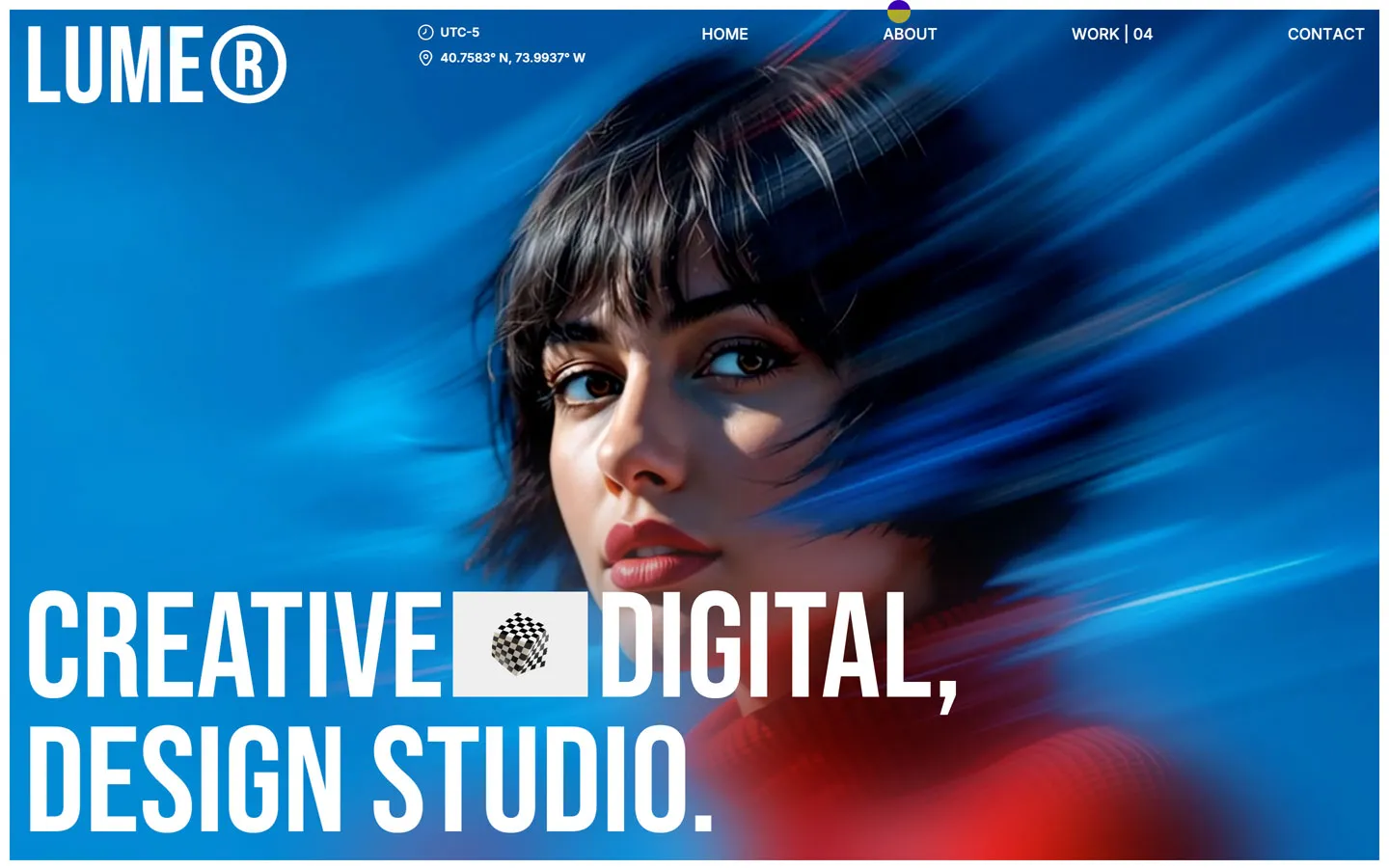
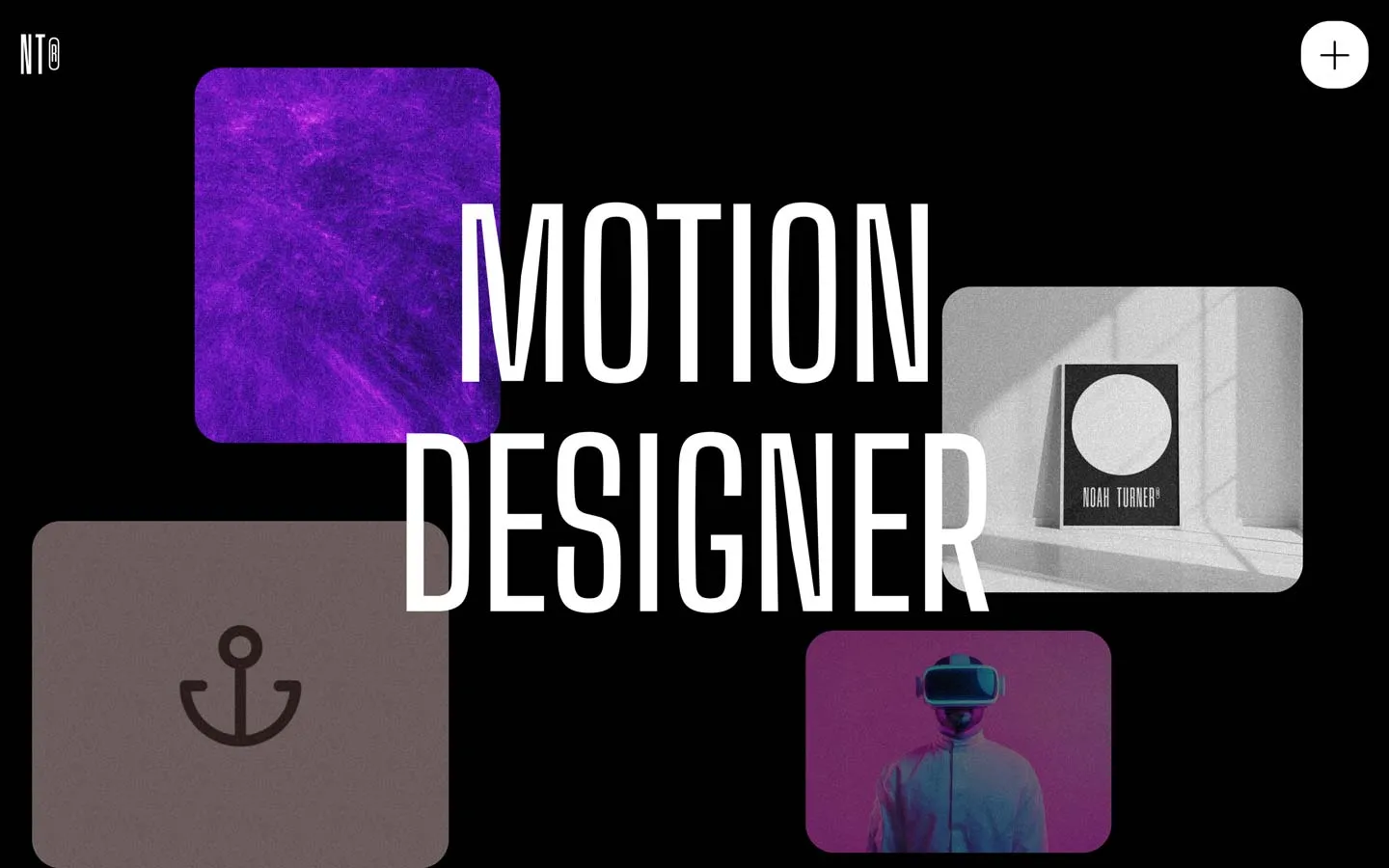
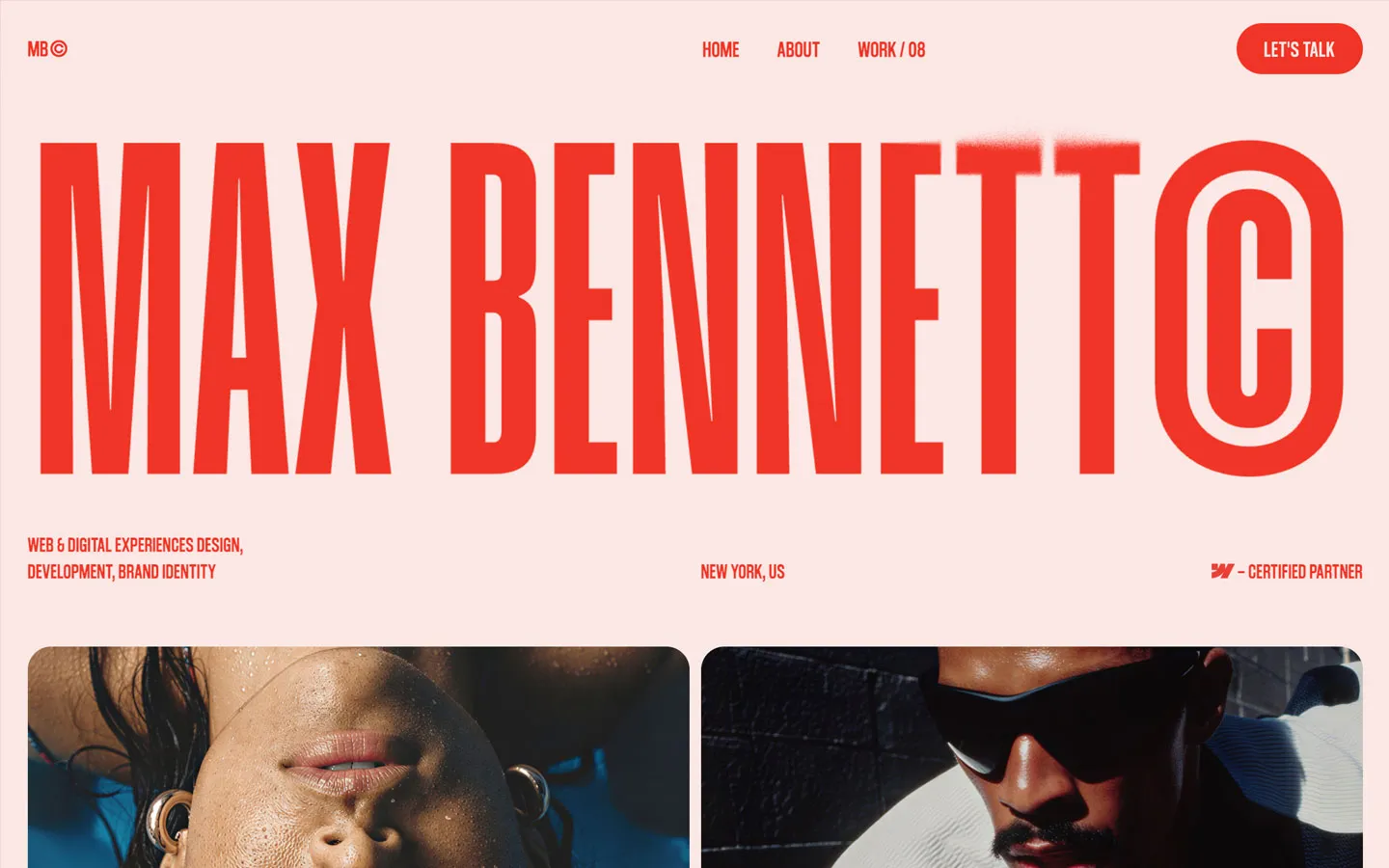


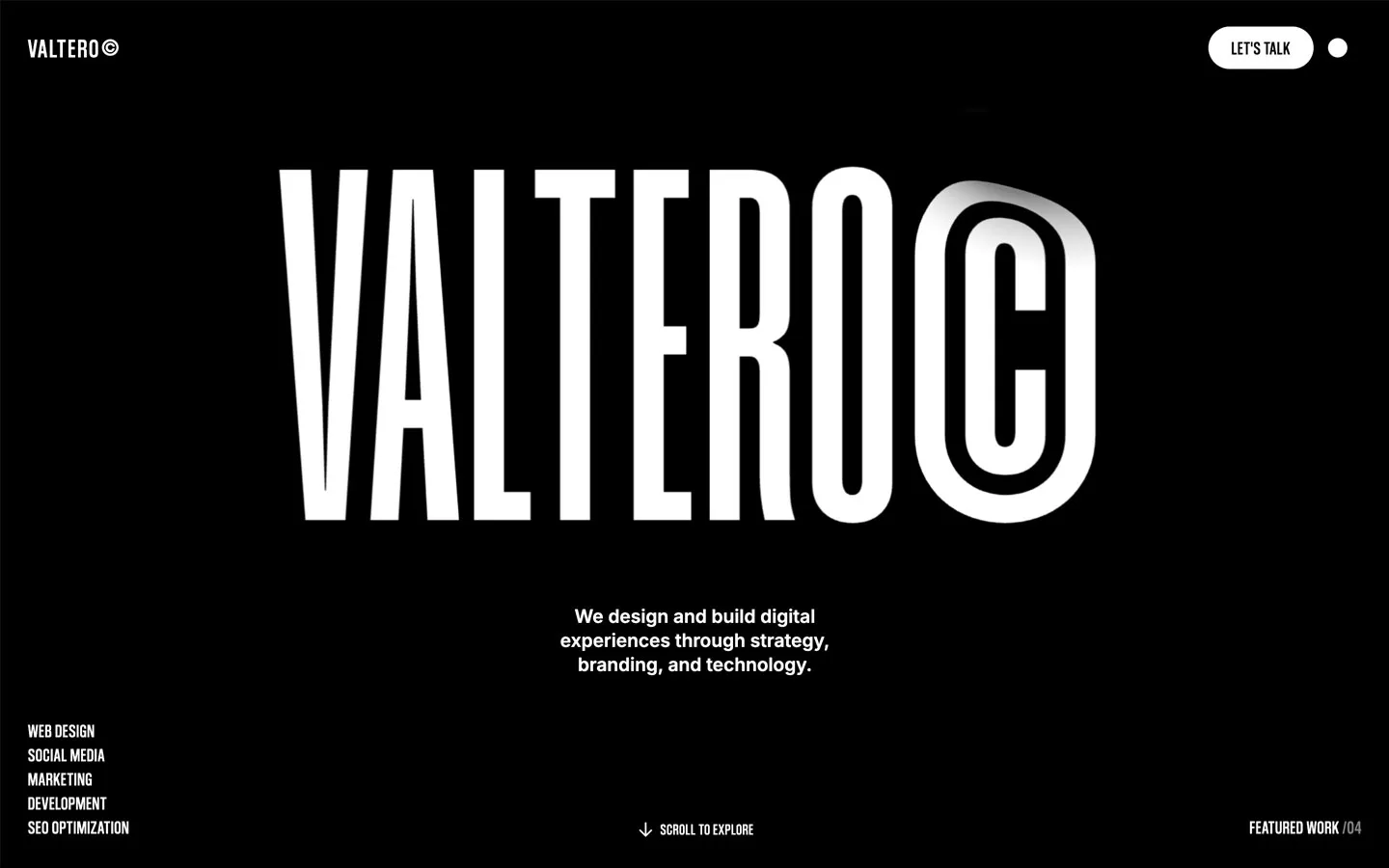


Don’t miss out on our superb, customizable templates designed to enhance your web design experience. We constantly add new templates and components.

Explore stunning Webflow, Framer, HTML5, Next.js and Figma templates designed to spark your next big idea.


*Rest assured that your data is safe with us, and you'll only hear from us 1 time per month.