Before committing to a Webflow template, audit its page structure, classes, components, CMS, responsive behavior, interactions, accessibility, and cleanup cost.

The best time to audit a Webflow template is before client content and branding are added. A visually strong demo can still contain structural decisions that create extra work later, so evaluate the system beneath the screenshots first.
List the pages the client actually needs and compare them with the template. Mark each template page as keep, adapt, or remove. If critical page types are missing, estimate the work to build them before choosing the template.
Look for reusable patterns rather than hundreds of one-off styles. Clear naming and consistent spacing rules make customization faster and handoff safer.
Navigation, footers, recurring cards, CTAs, and other shared elements should be organized so changes do not require editing many copies.
Open the Collections and fields. Check whether projects, articles, team members, jobs, services, or other content are modeled in a way that matches the client. Remove demo fields the client will never use and add the fields the production workflow actually needs.
Test a long headline, real navigation labels, actual project titles, and different image ratios. Demo content is usually written to fit the design; client content exposes the real responsive behavior.
Drag through intermediate widths as well as standard breakpoints. Watch for fixed heights, clipping, awkward absolute positioning, nav wrapping, and image crops that only work with the demo.
Identify which effects are useful, which are purely decorative, and whether any scripts or external libraries are required. Remove dependencies the project does not need.
Review heading structure, link text, form labels, image alt behavior, keyboard focus, page metadata, and any demo pages that should not be indexed.
A template that needs most of its structure deleted is not a shortcut. Compare the time to adapt it with the time to start from a closer foundation or a blank project.
Browse current Flowmance Webflow templates as starting systems, then audit the selected template against the actual client brief before production begins.




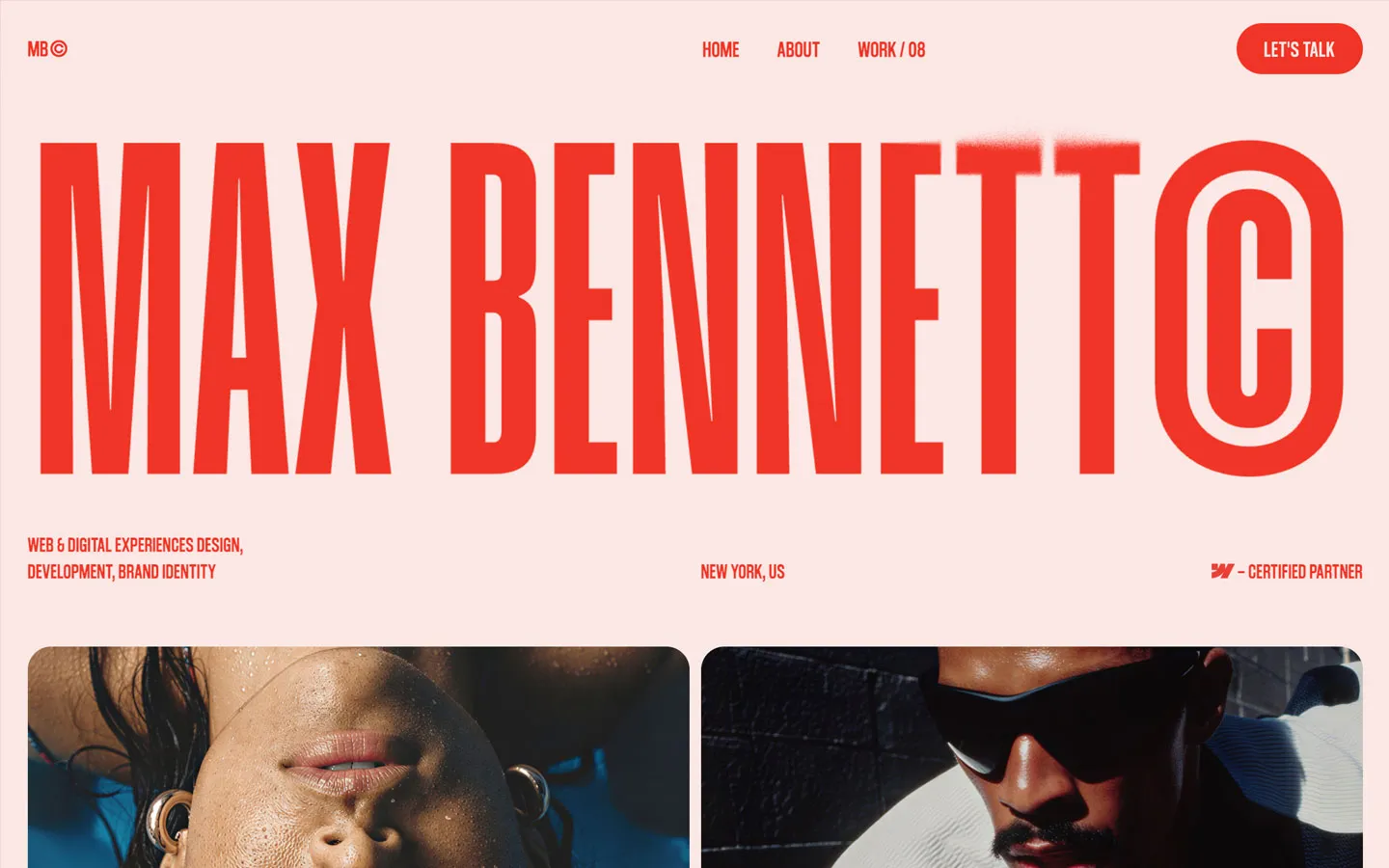


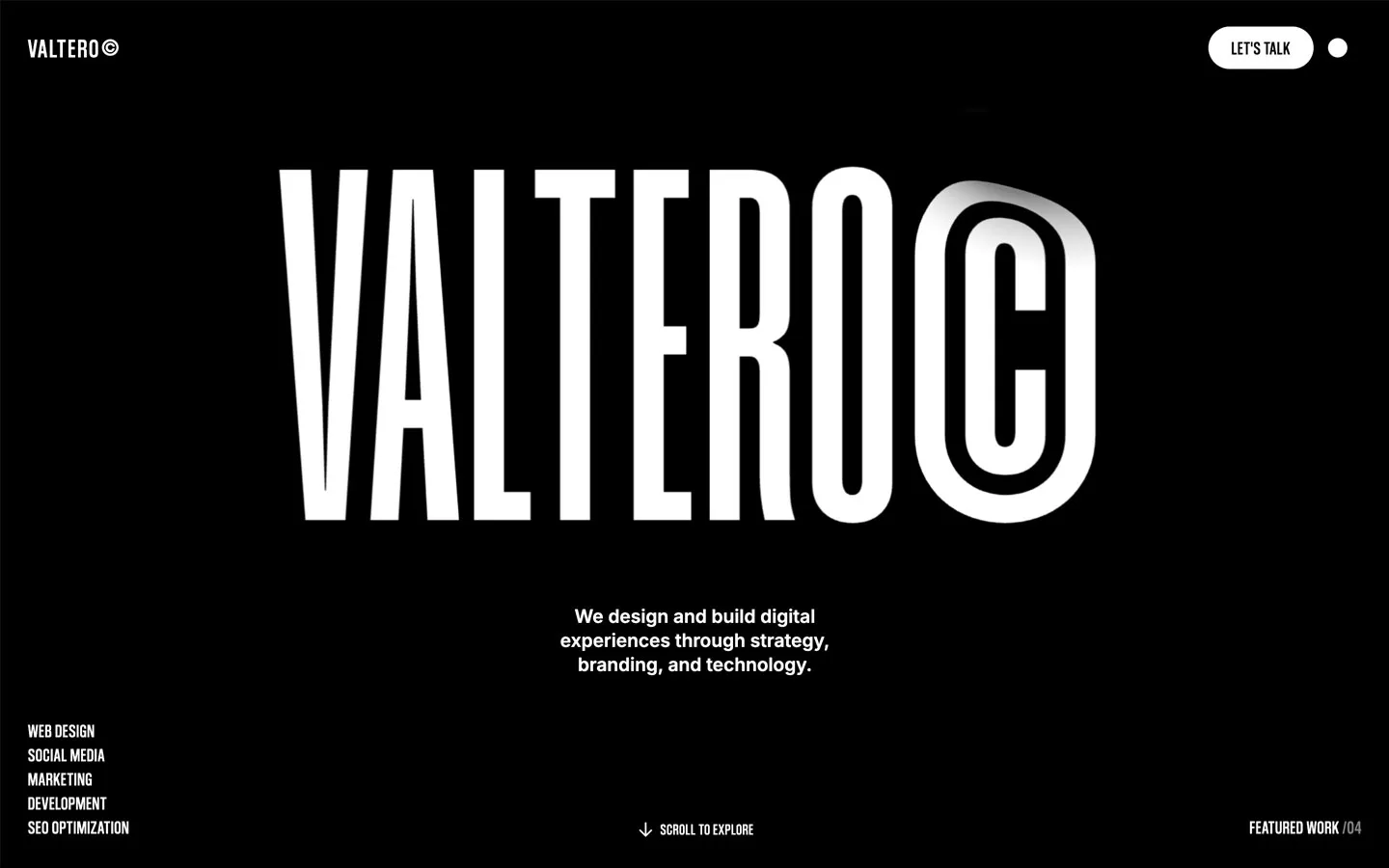



Don’t miss out on our superb, customizable templates designed to enhance your web design experience. We constantly add new templates and components.

Explore stunning Webflow, Framer, HTML5, Next.js and Figma templates designed to spark your next big idea.


*Rest assured that your data is safe with us, and you'll only hear from us 1 time per month.