Webflow and WordPress can both power serious websites. Compare visual control, CMS, plugins, hosting, maintenance, ecommerce, ownership, and team workflow before choosing.
Choose Webflow when a managed visual design and CMS workflow is the priority. Choose WordPress when its plugin ecosystem, hosting flexibility, or deep extensibility solves requirements your project depends on. Neither platform is universally better.
Webflow gives designers direct visual control over layout, classes, responsive behavior, components, and interactions inside one hosted platform. WordPress design depends more on the chosen theme, block system, page builder, or custom development approach.
Both can support content-heavy sites. Webflow offers a structured visual CMS integrated with the Designer. WordPress has an enormous publishing ecosystem and can be extended with custom post types, fields, plugins, and code.
WordPress has the broader plugin ecosystem. That is a major advantage when a mature plugin already solves a specialized requirement. It also means plugin quality, compatibility, updates, and security become part of maintenance.
Webflow hosting is managed as part of the platform. WordPress can run on many hosting providers, so performance and operational burden vary significantly depending on the stack.
If commerce is the core of the business, compare the complete operational requirements rather than only the page designer. WordPress with WooCommerce can be highly extensible; Webflow may be attractive for lighter commerce or marketing-focused needs, while dedicated commerce platforms may fit better at larger operational scale.
WordPress offers deep control over hosting and server environment. Webflow simplifies infrastructure but works within a managed platform model. Direct static export can be useful for some Webflow projects, but CMS-driven and platform features require separate planning.
Choose based on the operating model your team wants to maintain for years, not on which builder wins a feature-count comparison.


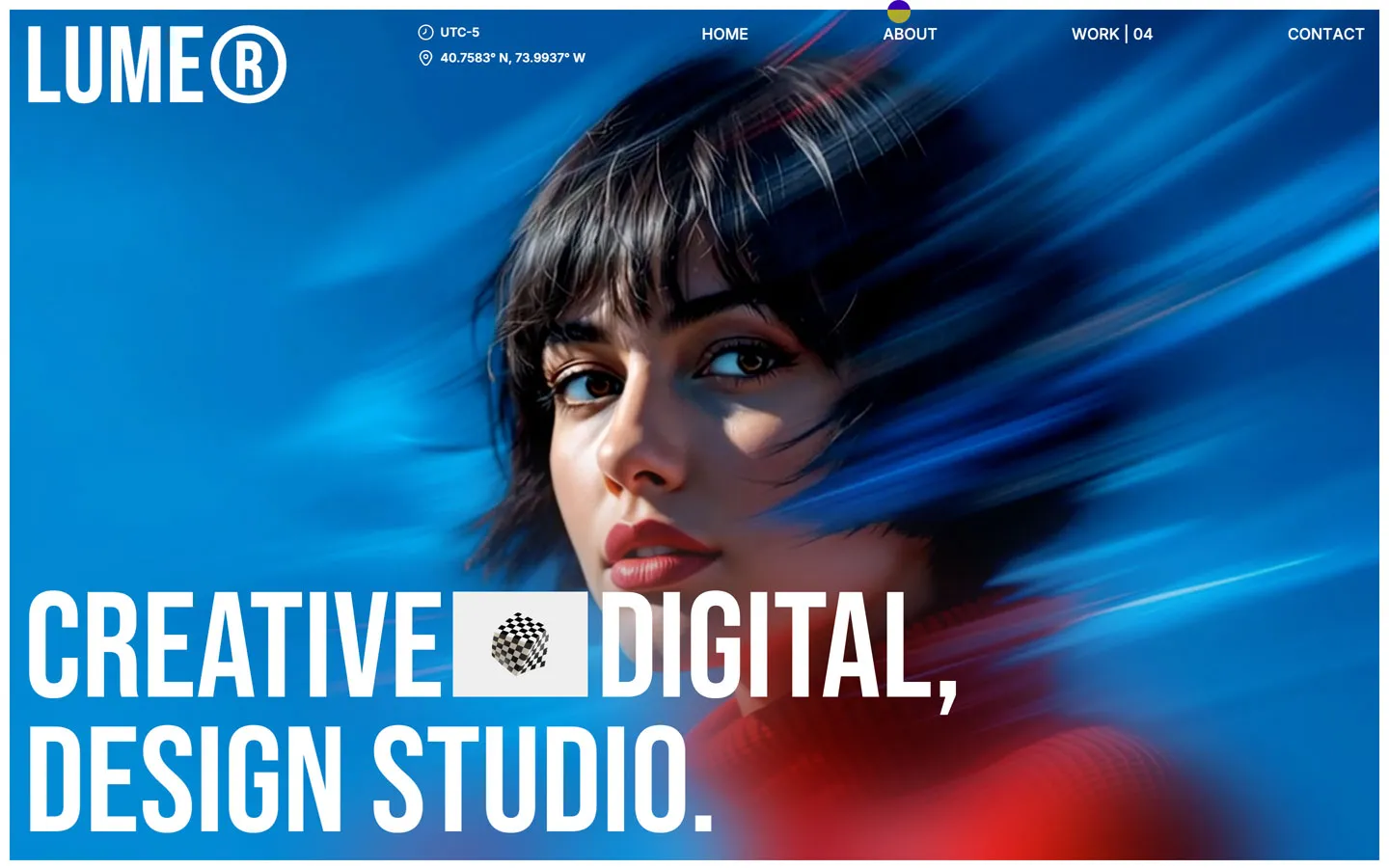
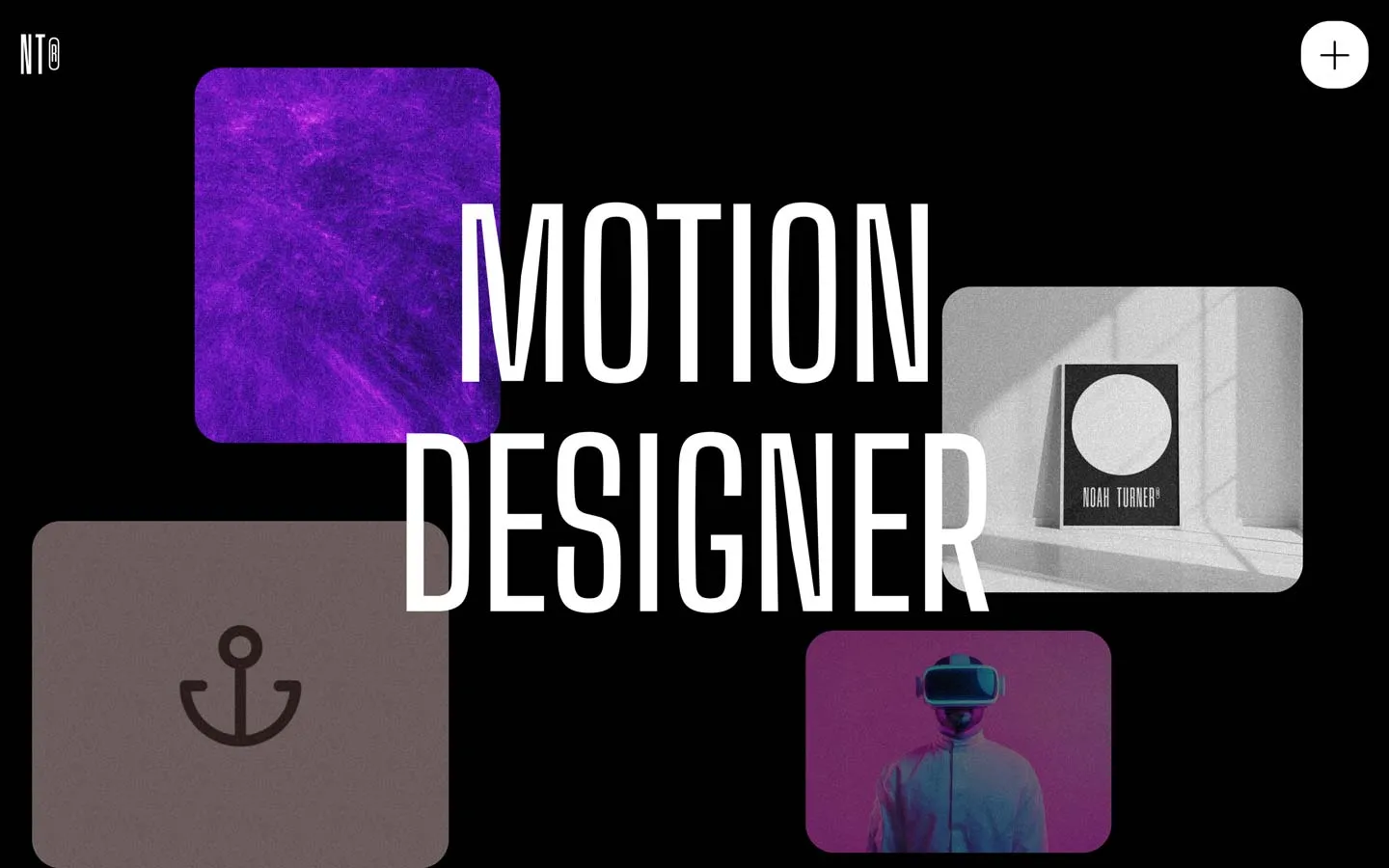
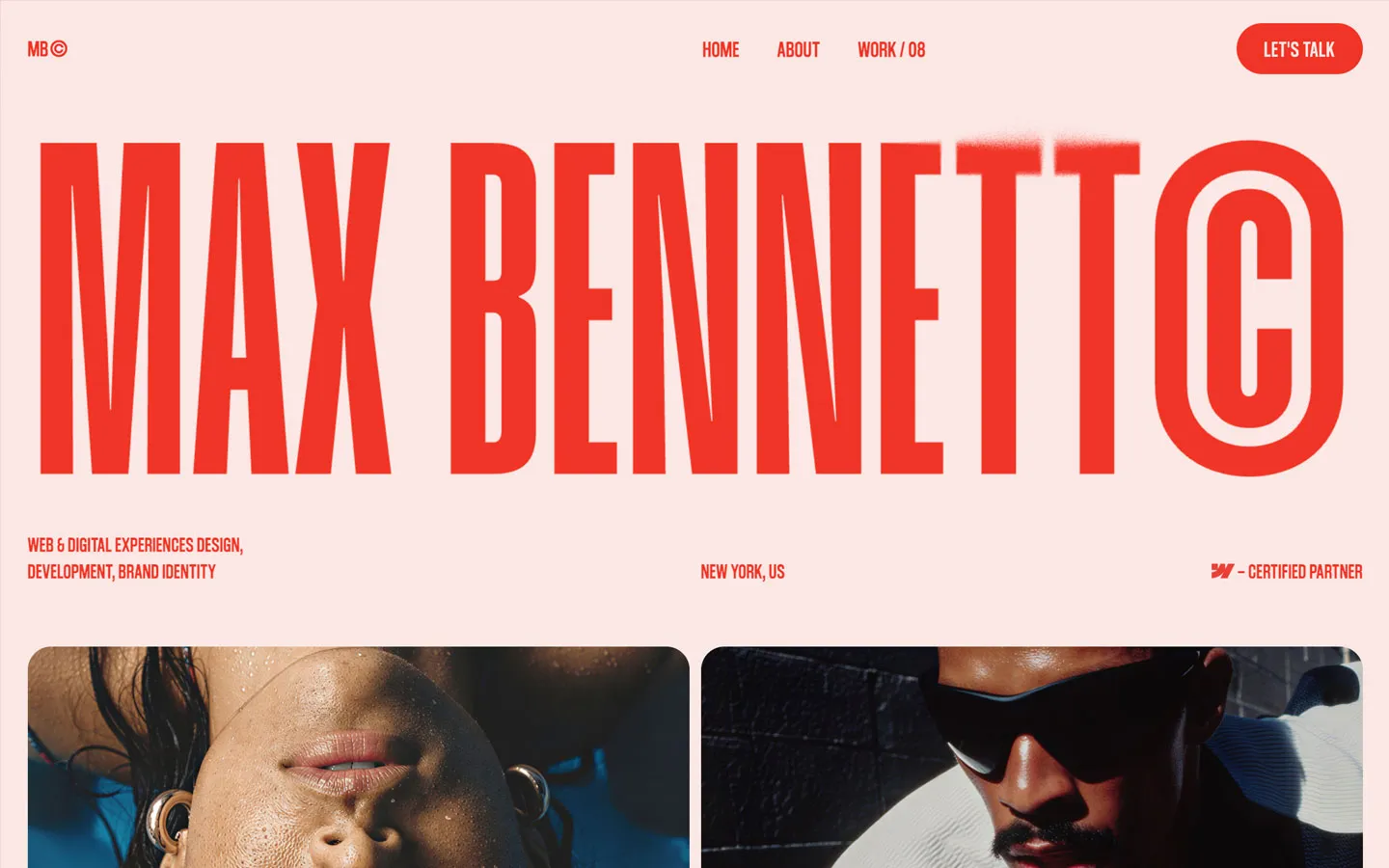


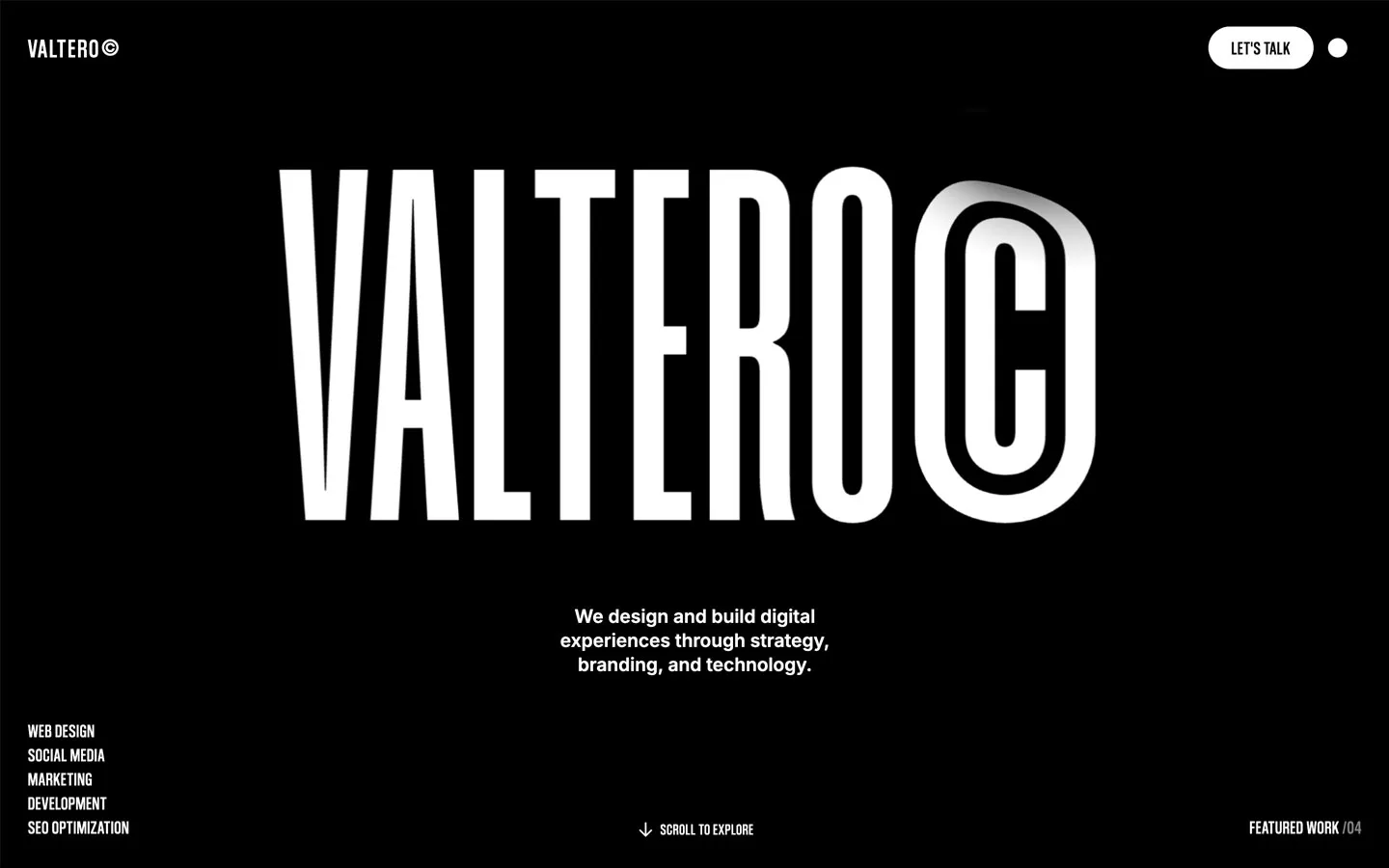
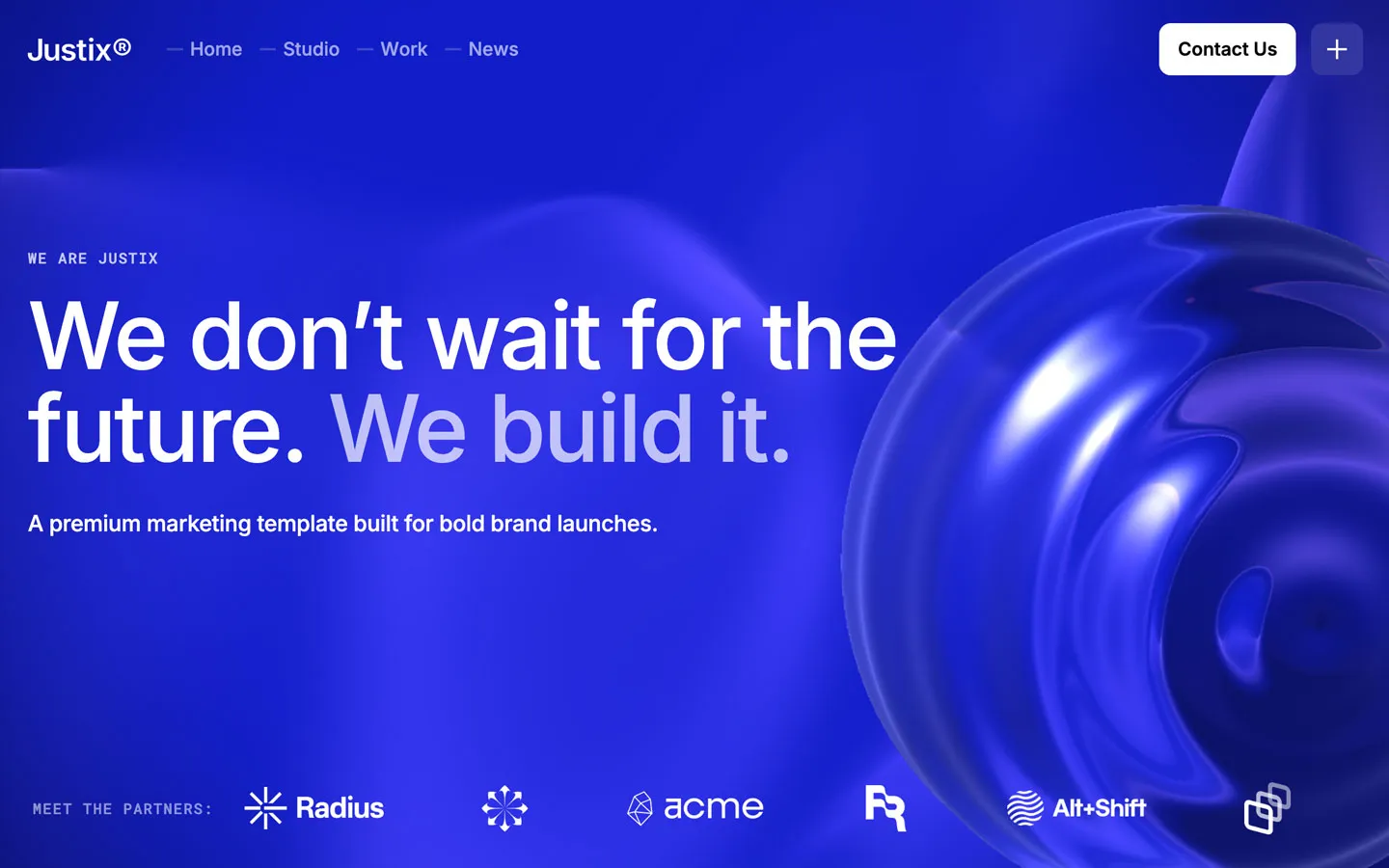


Don’t miss out on our superb, customizable templates designed to enhance your web design experience. We constantly add new templates and components.

Explore stunning Webflow, Framer, HTML5, Next.js and Figma templates designed to spark your next big idea.


*Rest assured that your data is safe with us, and you'll only hear from us 1 time per month.