Shopify is the stronger default for commerce operations; Webflow is compelling for design-led marketing sites with lighter storefront needs. Compare catalog, checkout, apps, CMS, and maintenance.

Choose Shopify when ecommerce operations are the core of the business. Choose Webflow when the website is primarily a design-led marketing experience and commerce requirements are relatively lightweight. The platforms overlap, but they are optimized around different centers of gravity.
Catalog management, checkout, payments, inventory, discounts, orders, shipping, taxes, customer accounts, analytics, and a large commerce app ecosystem are central to Shopify's product. That makes it the safer default for businesses where the store is the operating system.
Webflow gives teams deep control over marketing pages, typography, layout, CMS content, interactions, and brand presentation. It is strongest when the site experience extends well beyond a product grid.
Stores with many products, variants, merchandising rules, fulfillment workflows, international selling requirements, or sophisticated discounts should evaluate Shopify first. Those operational needs tend to matter more than whether the homepage has slightly more visual freedom.
Webflow offers a highly visual layout workflow and can be attractive to brand-led teams that want custom editorial and campaign experiences around a smaller catalog. Shopify can also be heavily customized through themes and development, but the implementation model is different.
Webflow is comfortable when case studies, editorial content, services, resources, or complex marketing pages are central. Shopify includes content and metaobject capabilities, but commerce remains its primary organizing system.
Shopify's commerce ecosystem is one of its strongest advantages. If the business depends on specialized subscriptions, fulfillment, reviews, loyalty, marketplaces, or merchandising tools, check whether mature Shopify integrations already solve the problem.
Both platforms can support strong organic visibility. Product information, site architecture, content quality, internal links, performance, structured data, and technical implementation matter more than declaring one builder universally “better for SEO.”
Some teams use Webflow or another marketing front end alongside a dedicated commerce backend, but that architecture introduces integration and maintenance work. Use it only when the experience benefit justifies the extra system complexity.
Shopify is the stronger default for ecommerce businesses; Webflow is the stronger default for design-led marketing sites that happen to sell. Choose based on the operations the team must run every day, not the builder demo that looks best.




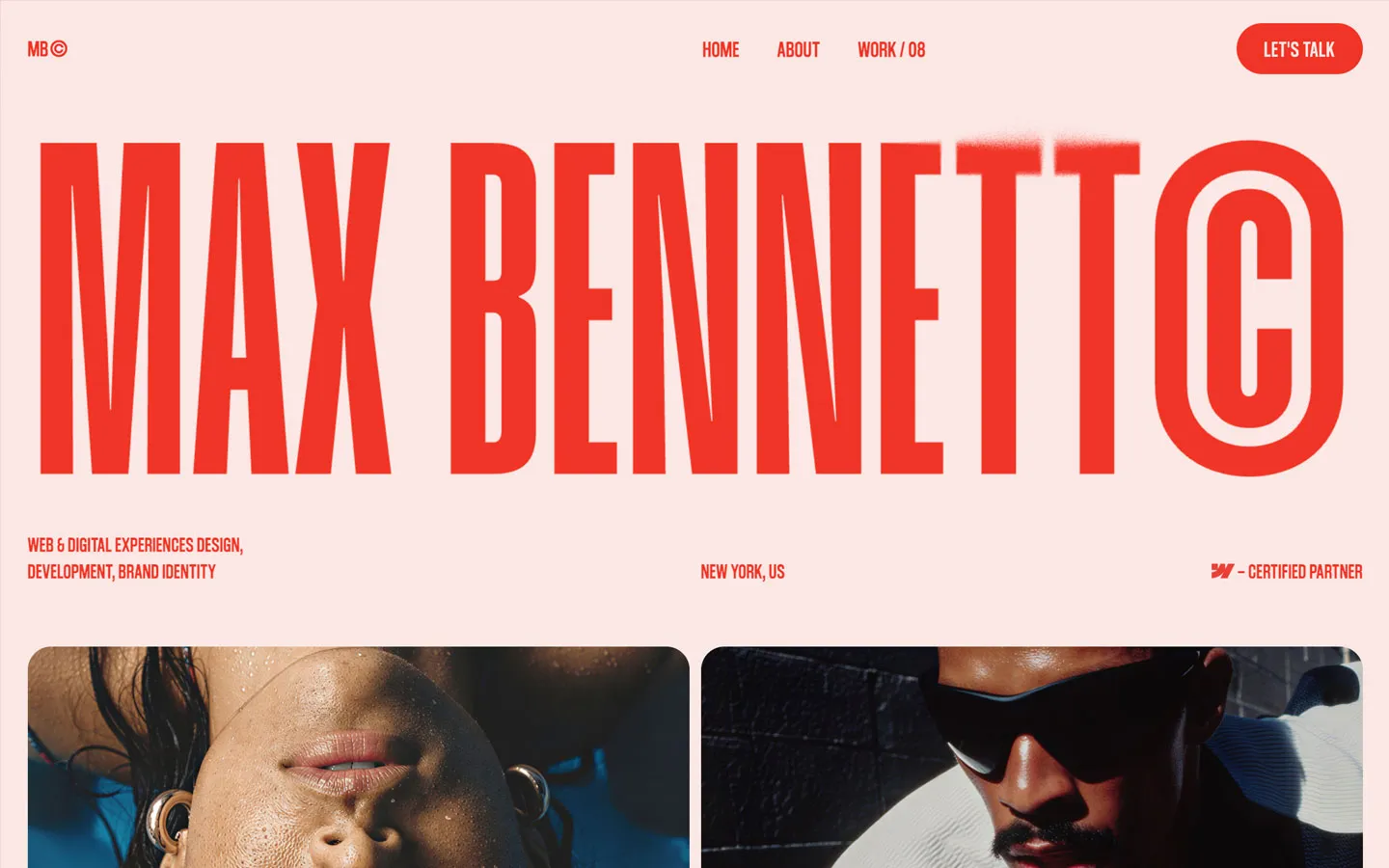


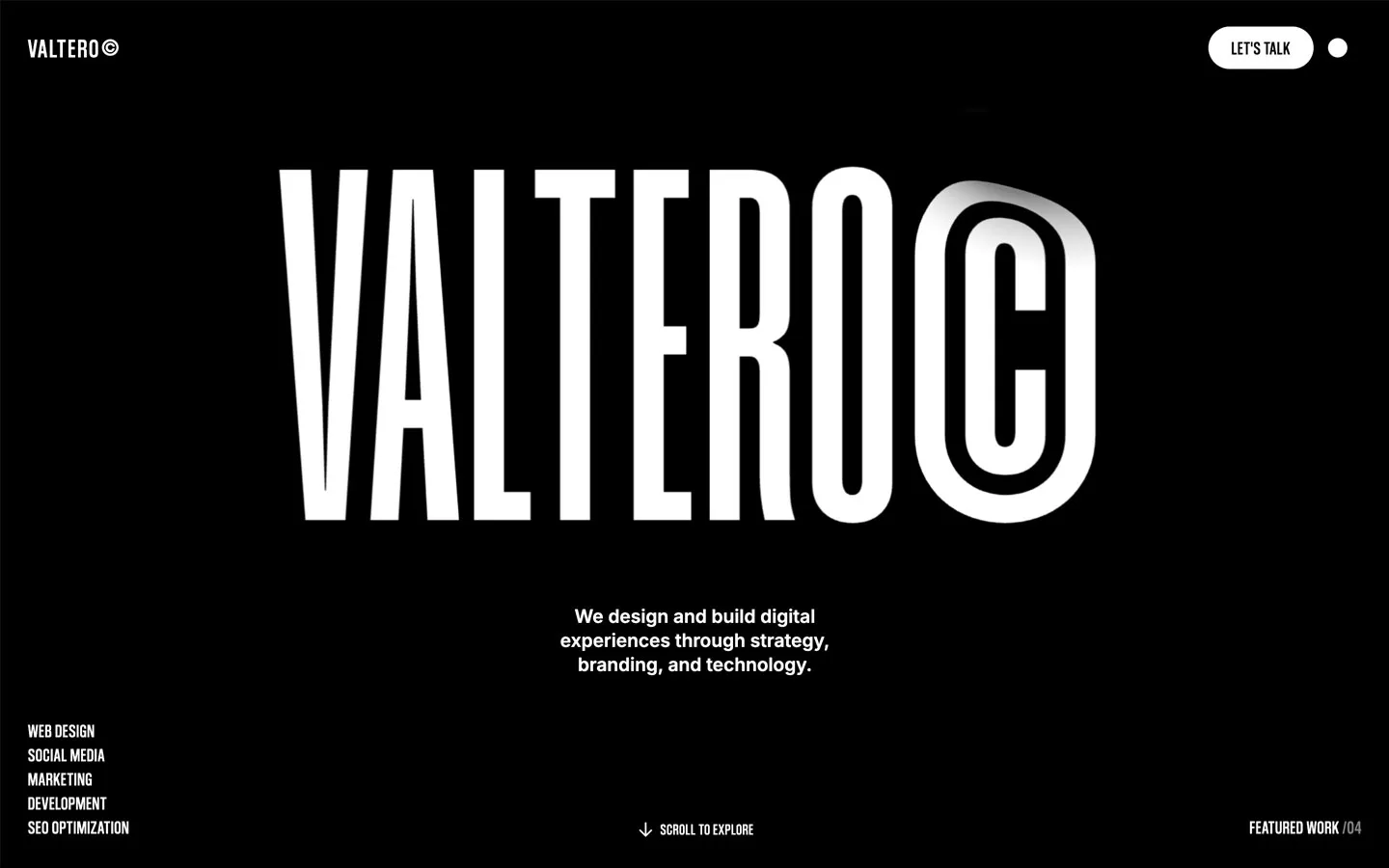
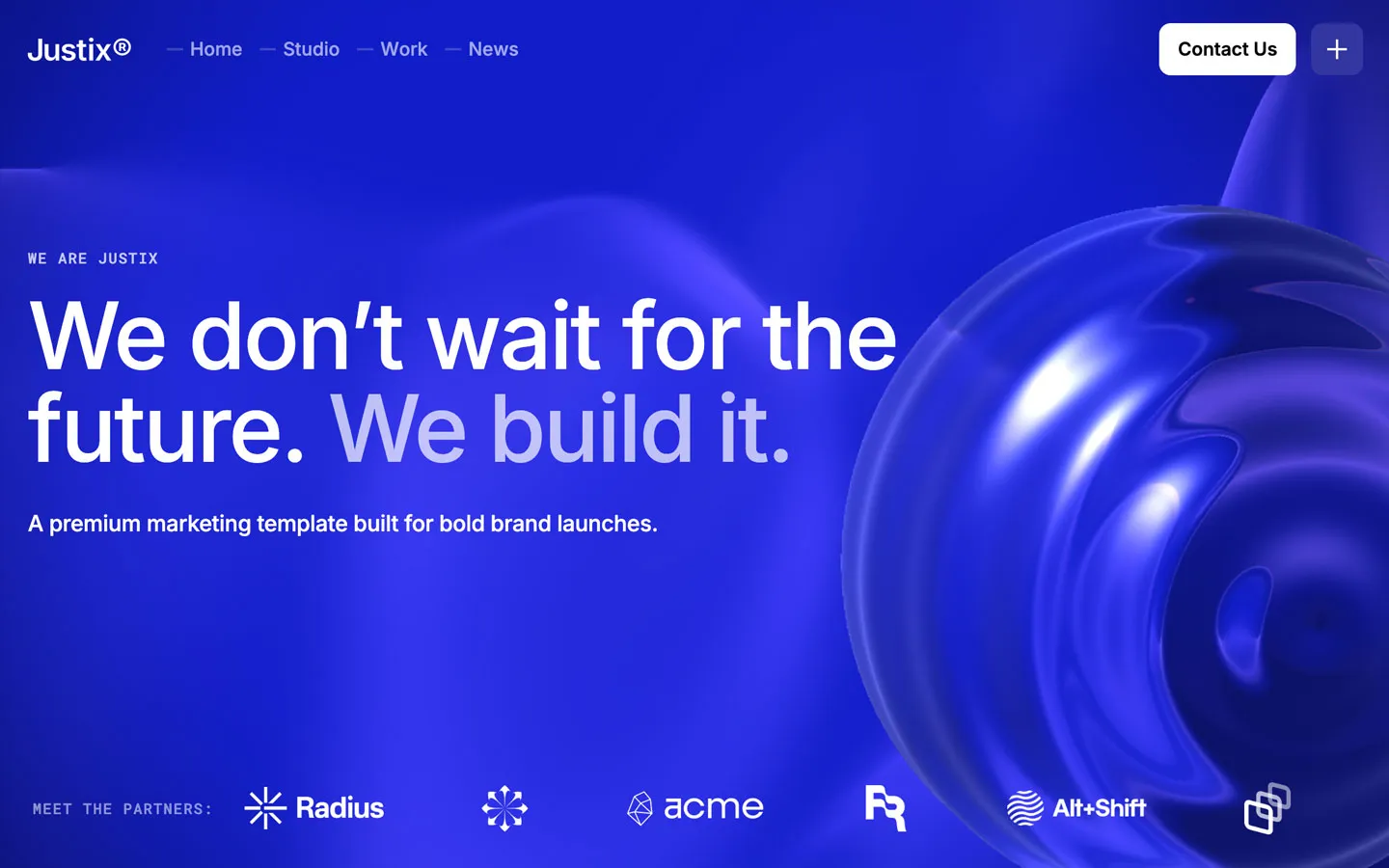


Don’t miss out on our superb, customizable templates designed to enhance your web design experience. We constantly add new templates and components.

Explore stunning Webflow, Framer, HTML5, Next.js and Figma templates designed to spark your next big idea.


*Rest assured that your data is safe with us, and you'll only hear from us 1 time per month.