Most businesses benefit from an owned website, but the required scope varies. Decide based on discovery, credibility, conversion, ownership, and customer behavior.

Most businesses benefit from having an owned website in 2026, but not every business needs a large one. The useful question is what role the website needs to play alongside search, social, marketplaces, directories, and direct sales.
Social profiles and marketplace listings can be important acquisition channels, but the business does not control their algorithms, presentation, or long-term access. A website provides a stable place for the core offer, contact information, proof, and brand story.
Prospects often research a company after discovering it elsewhere. A clear website can collect services, work, testimonials, team information, policies, locations, and contact details in one place.
A social profile may be enough to start a conversation, but a website can support booking, lead forms, pricing context, product education, case studies, documentation, or ecommerce depending on the business.
A local service provider may only need a strong homepage, services, proof, location information, and contact flow. Building twenty pages would add maintenance without necessarily creating value.
Companies relying on organic search, complex sales cycles, content marketing, hiring, investor communication, or multiple products usually need a deeper information architecture.
Every page should answer a real customer question or support a business task. A concise useful site is stronger than a large site filled with generic copy.
Most businesses need a credible owned web presence; the size should match the customer journey and growth model. Start with the smallest structure that fully supports those needs, then expand when real demand justifies it.


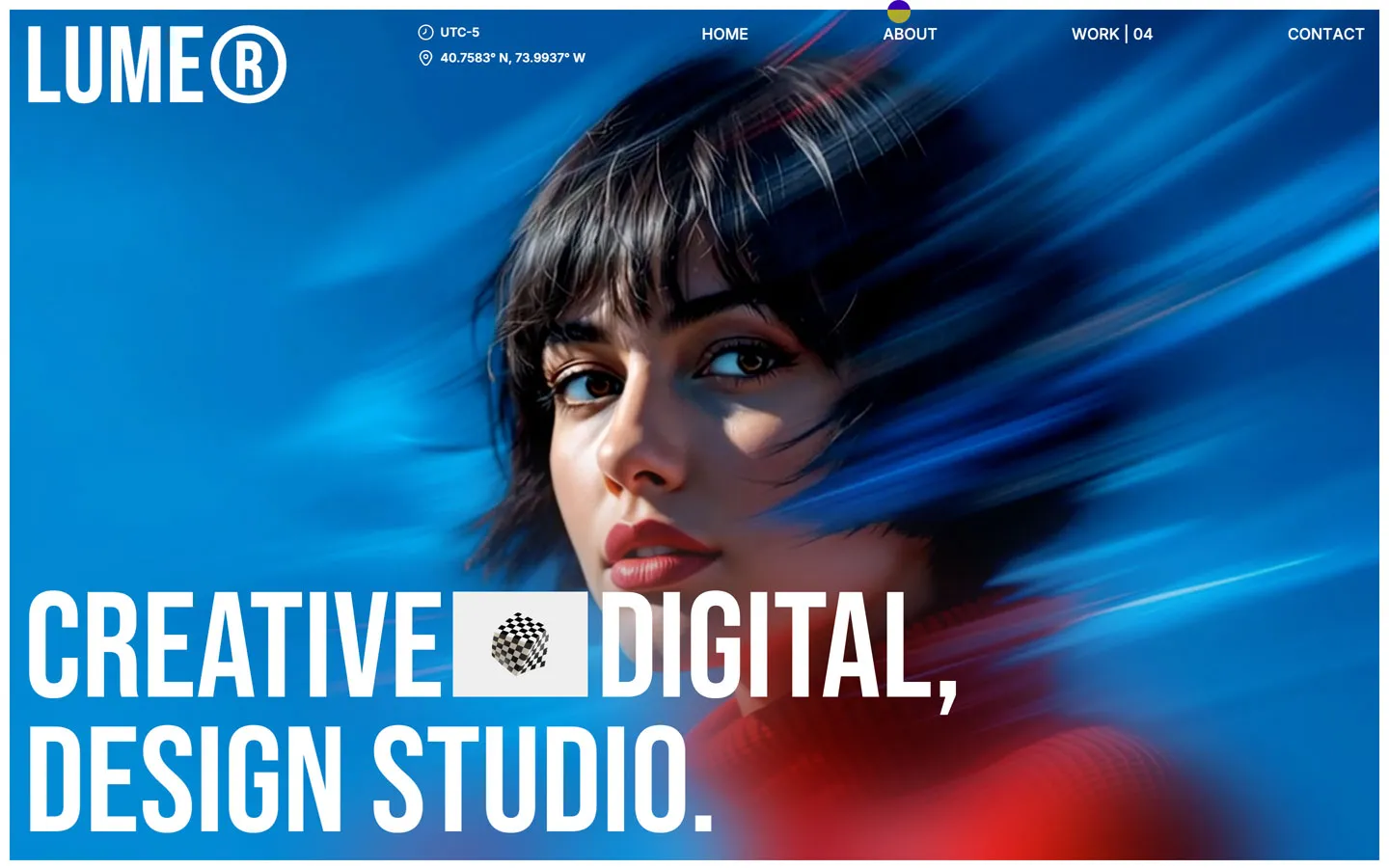
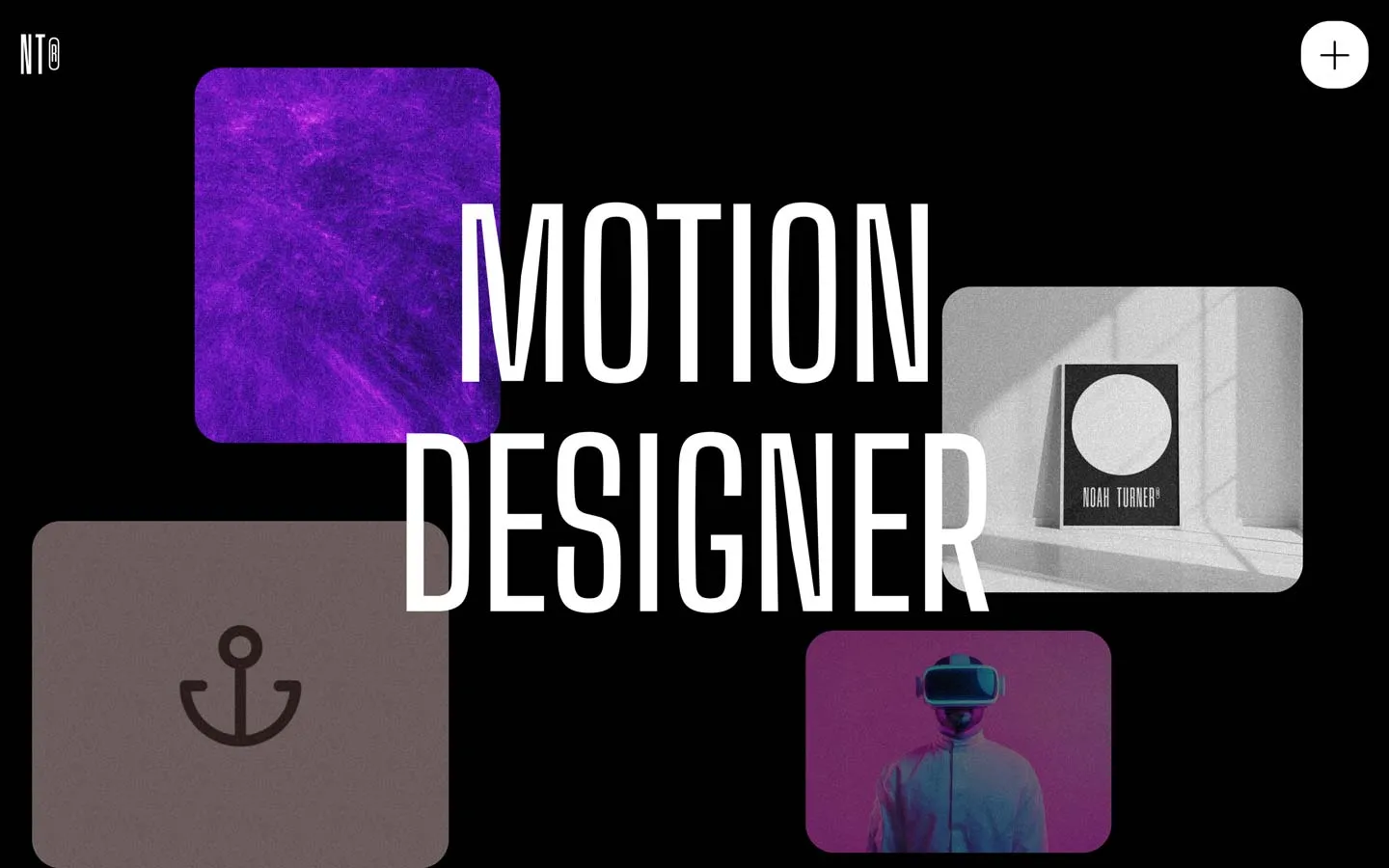
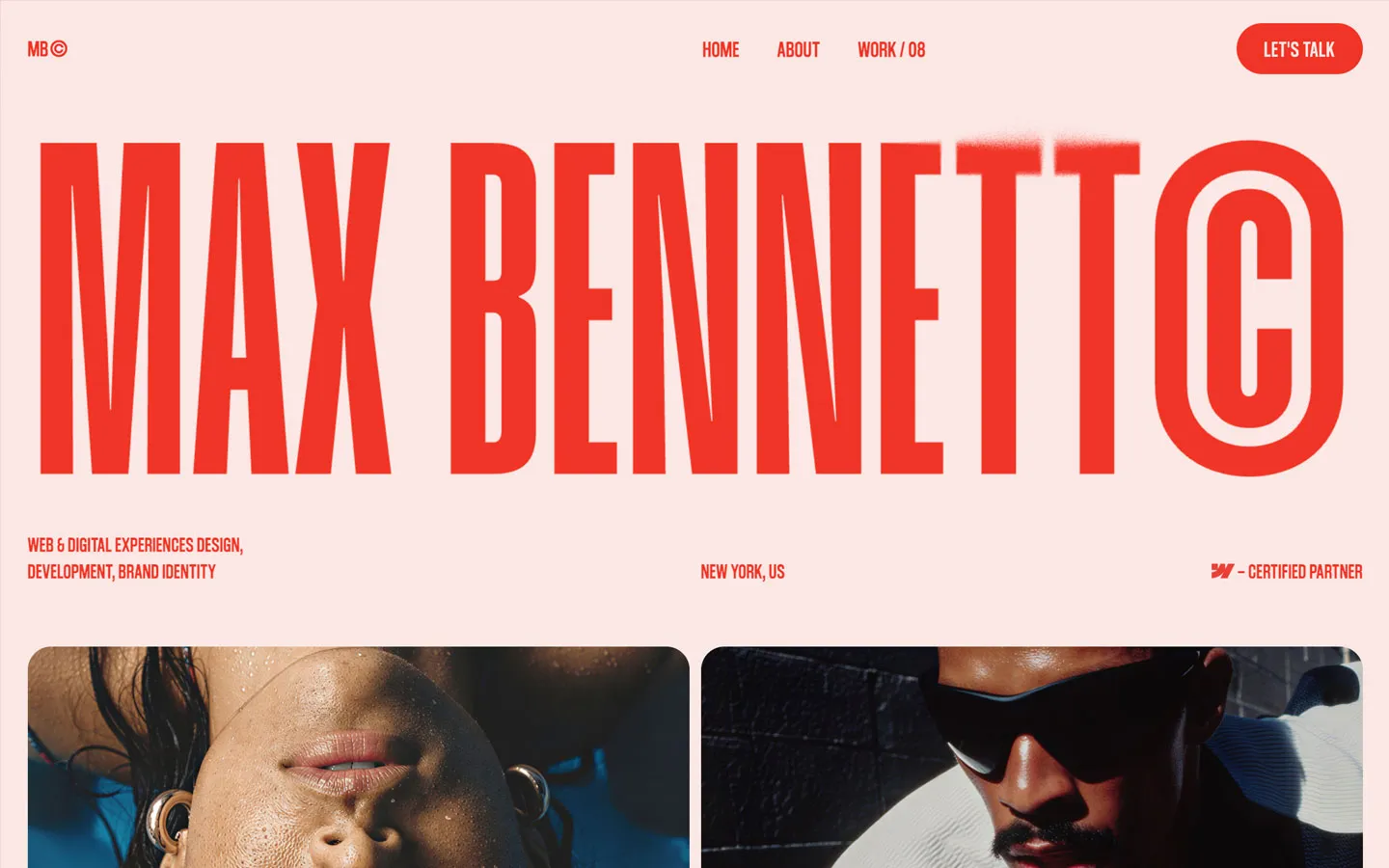


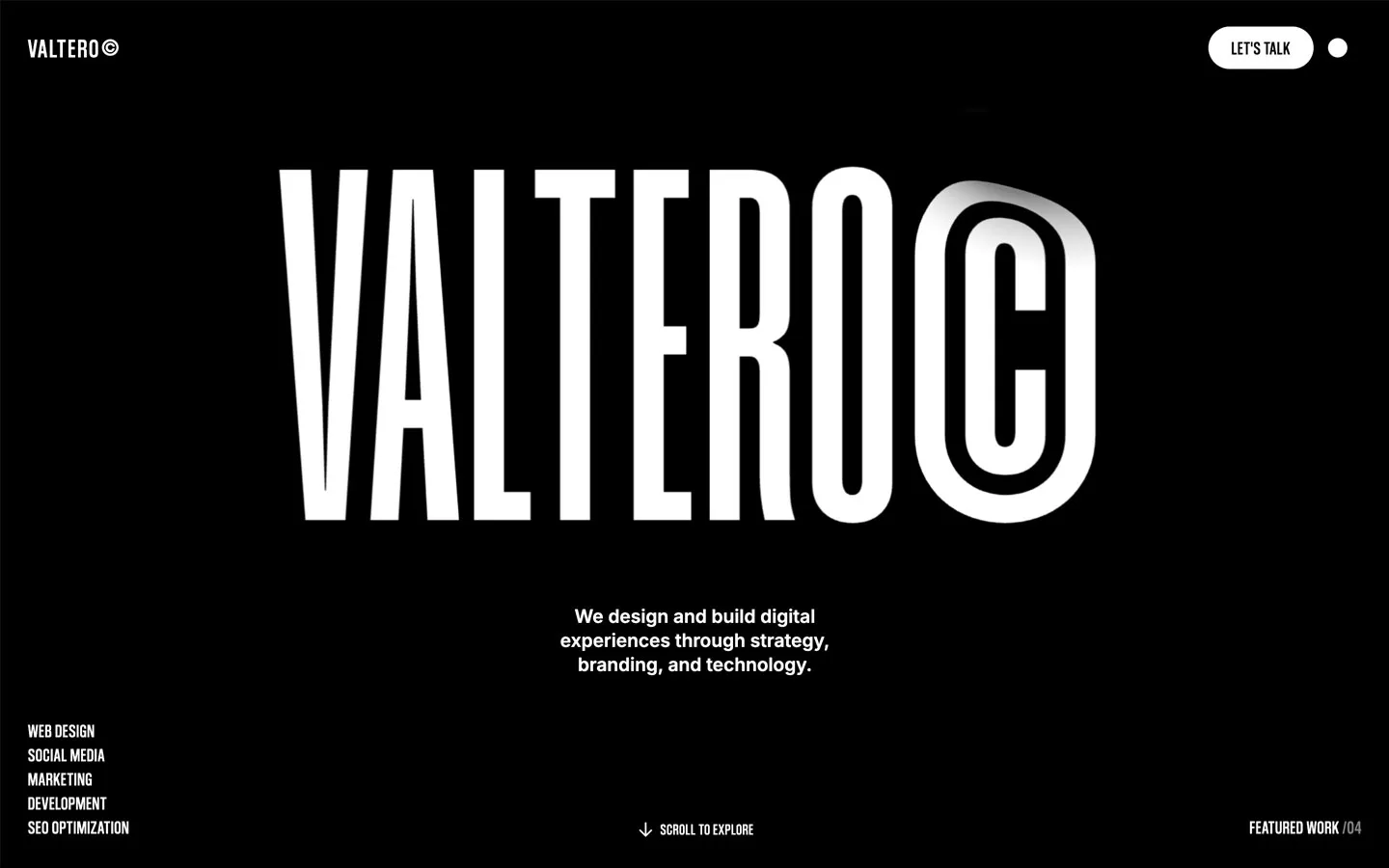


Don’t miss out on our superb, customizable templates designed to enhance your web design experience. We constantly add new templates and components.

Explore stunning Webflow, Framer, HTML5, Next.js and Figma templates designed to spark your next big idea.


*Rest assured that your data is safe with us, and you'll only hear from us 1 time per month.