A ready-made Webflow template should save structural production work—responsive layouts, components, CMS patterns, utility pages and common interactions—while leaving brand and content decisions to you.
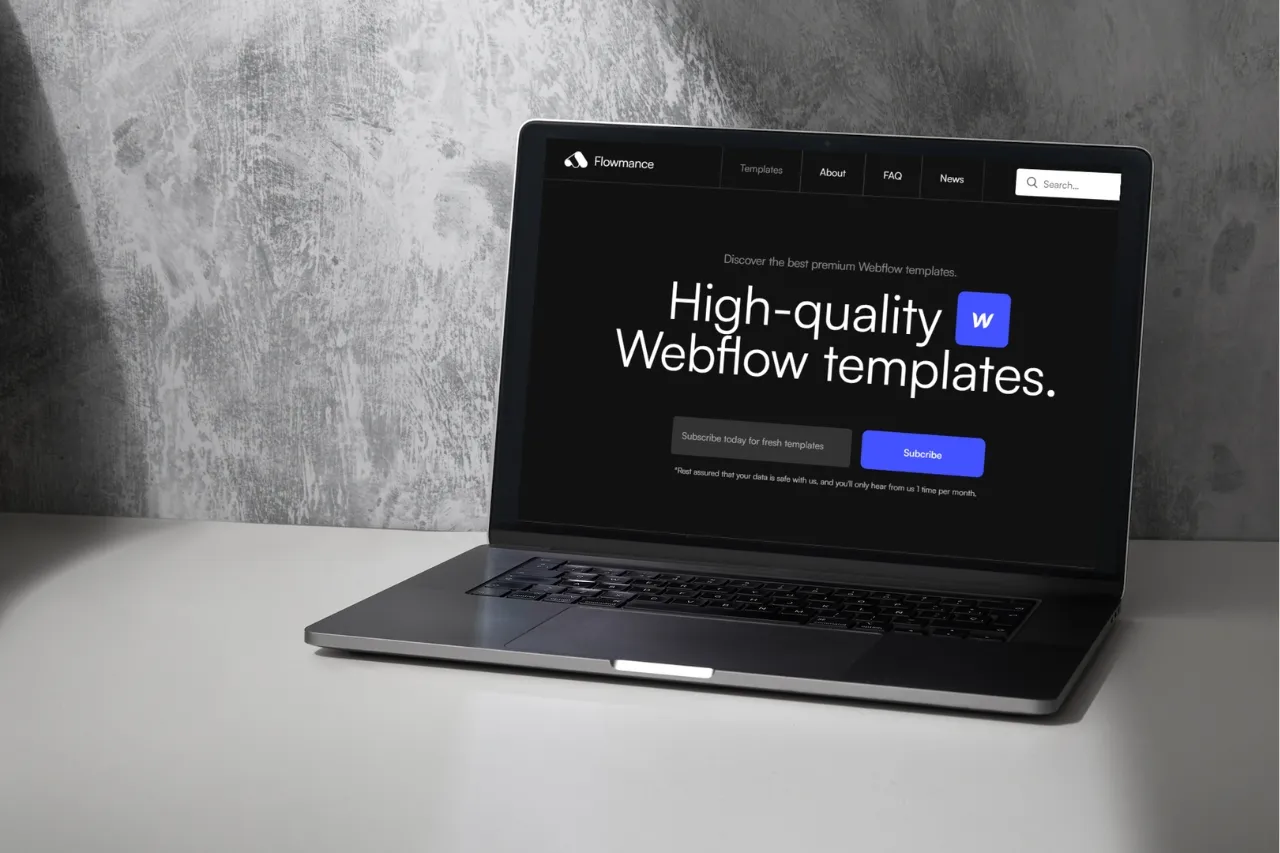
A ready-made Webflow template is most valuable when it removes repetitive production work without making the final website feel pre-made. The template should give you a dependable structural foundation while the positioning, content, brand system and project-specific decisions remain yours.
Containers, grids, navigation, cards, forms and common page structures should already behave sensibly across desktop, tablet and mobile. You still need to re-test after replacing demo content, but you should not be rebuilding every breakpoint from zero.
Navigation, footer, CTAs, cards and recurring patterns should use understandable reusable components or shared styles. A good starting system makes global changes predictable.
Projects, articles, team members, services or other recurring content can arrive with a useful CMS model. Adapt the fields to the real business rather than preserving demo-only data.
Contact, 404, password, style-guide and other supporting pages are easy to overlook in a blank build. A complete template can provide a head start on those less glamorous but necessary parts.
Typography, color, imagery, messaging, proof, section order and motion should be reconsidered for the final project. If those decisions remain identical to the demo, the template has started doing work it should not own.
Real copy, integrations, analytics, scripts, images and CMS content change the conditions the original template was tested under. Forms, links, metadata, responsive behavior and performance still need a production pass.
A ready-made template should save implementation decisions that are common across websites, not replace the strategic and creative decisions that make one website specific.
Browse current Flowmance Webflow templates and evaluate the internal structure as carefully as the homepage.


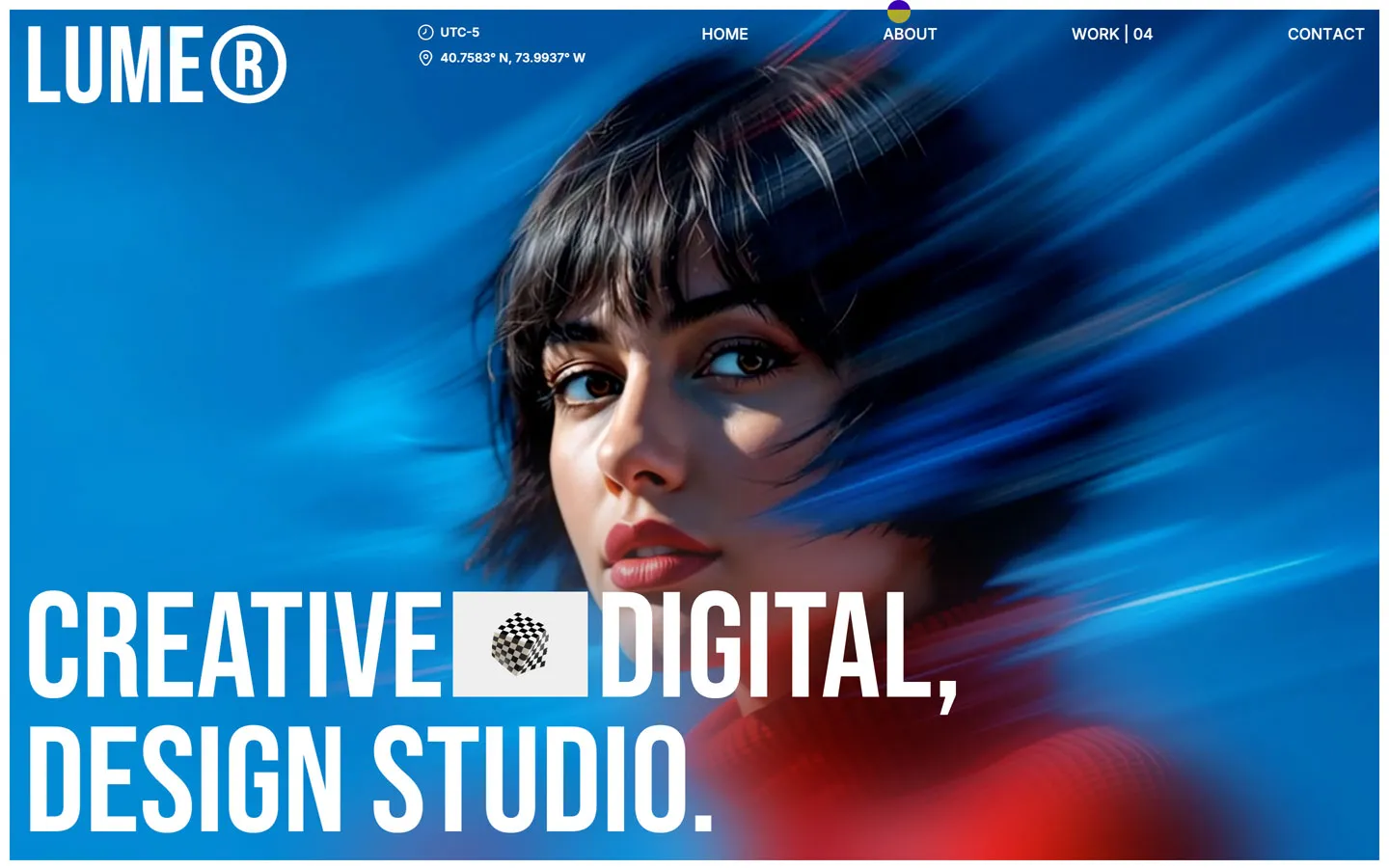
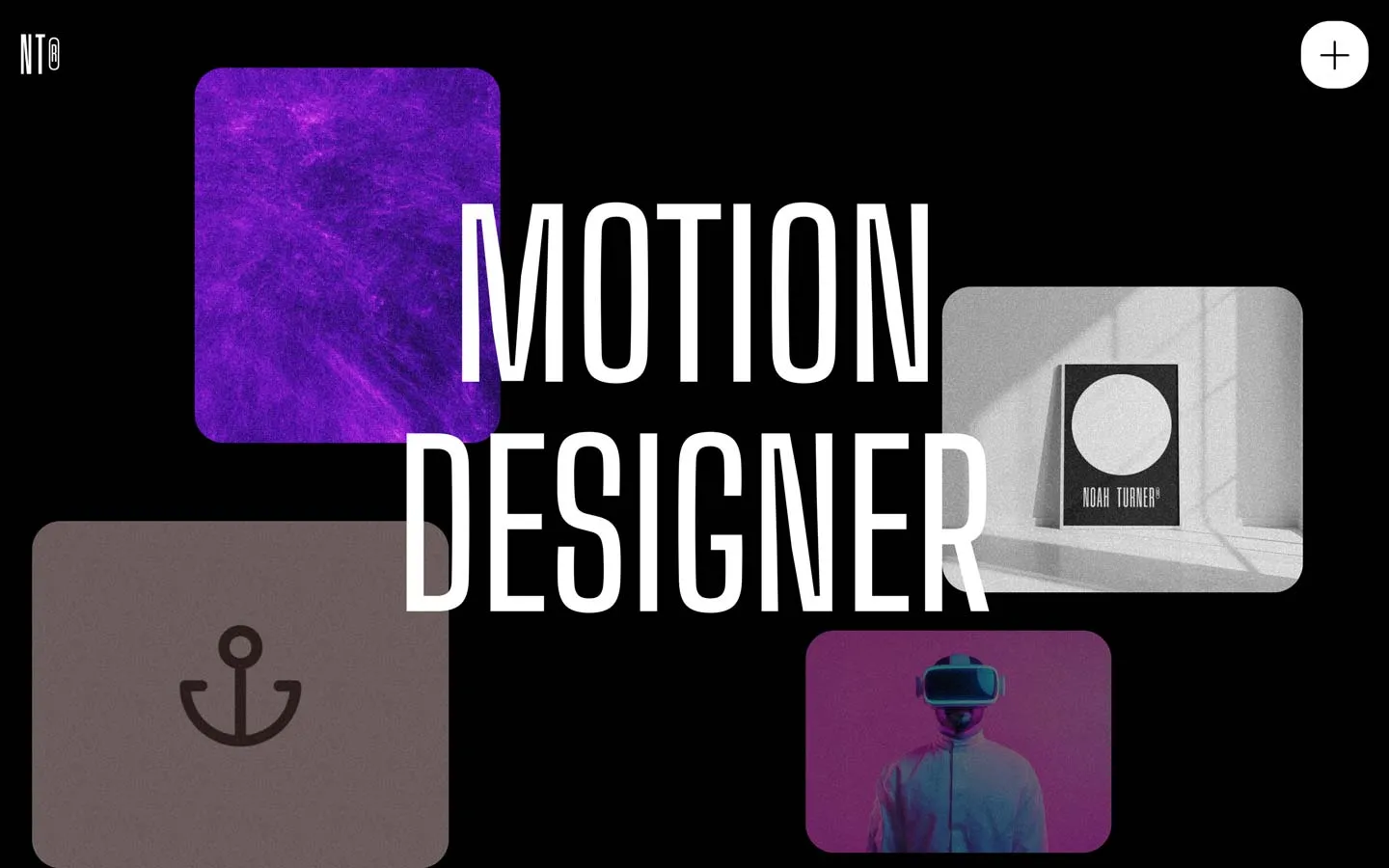
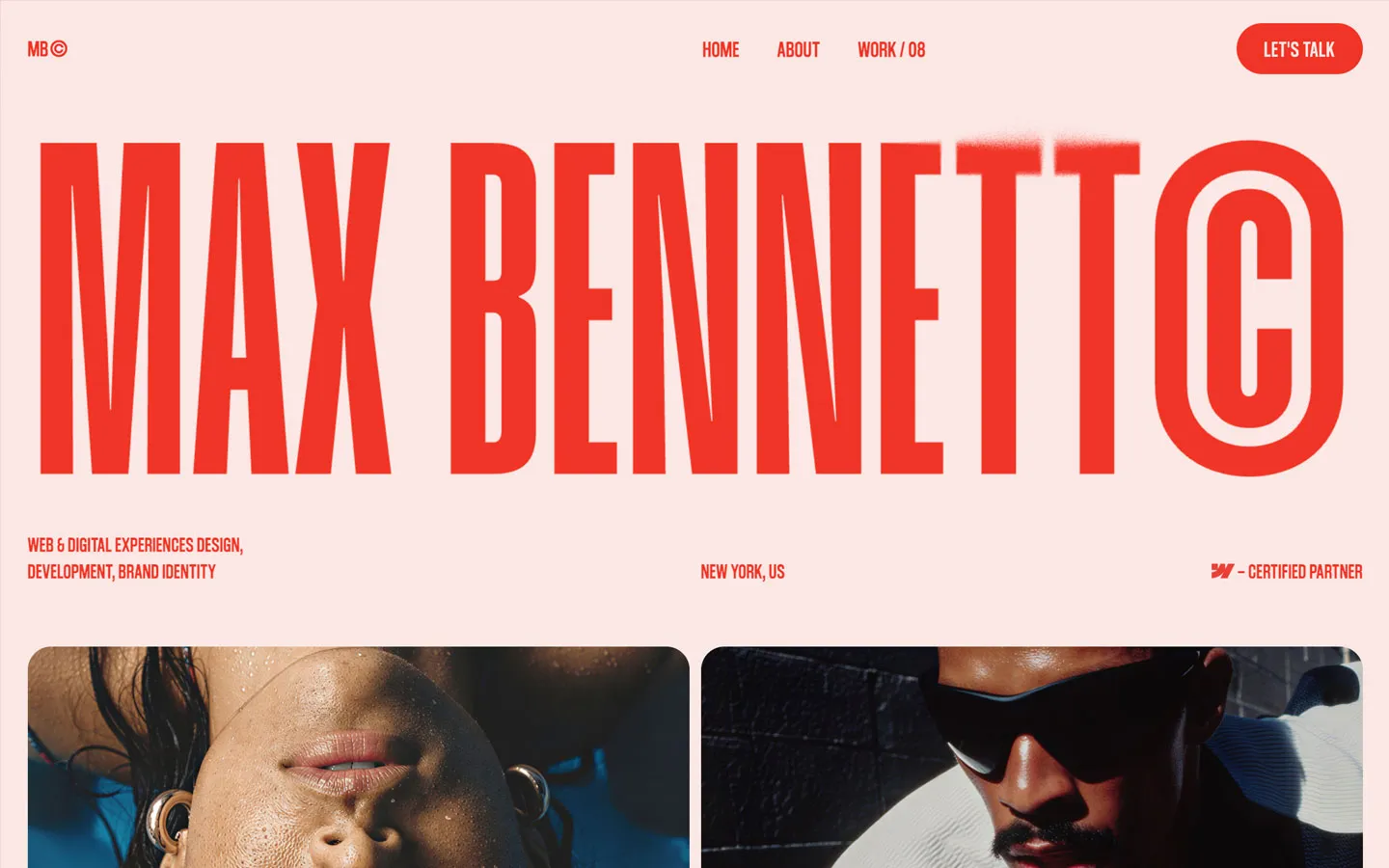


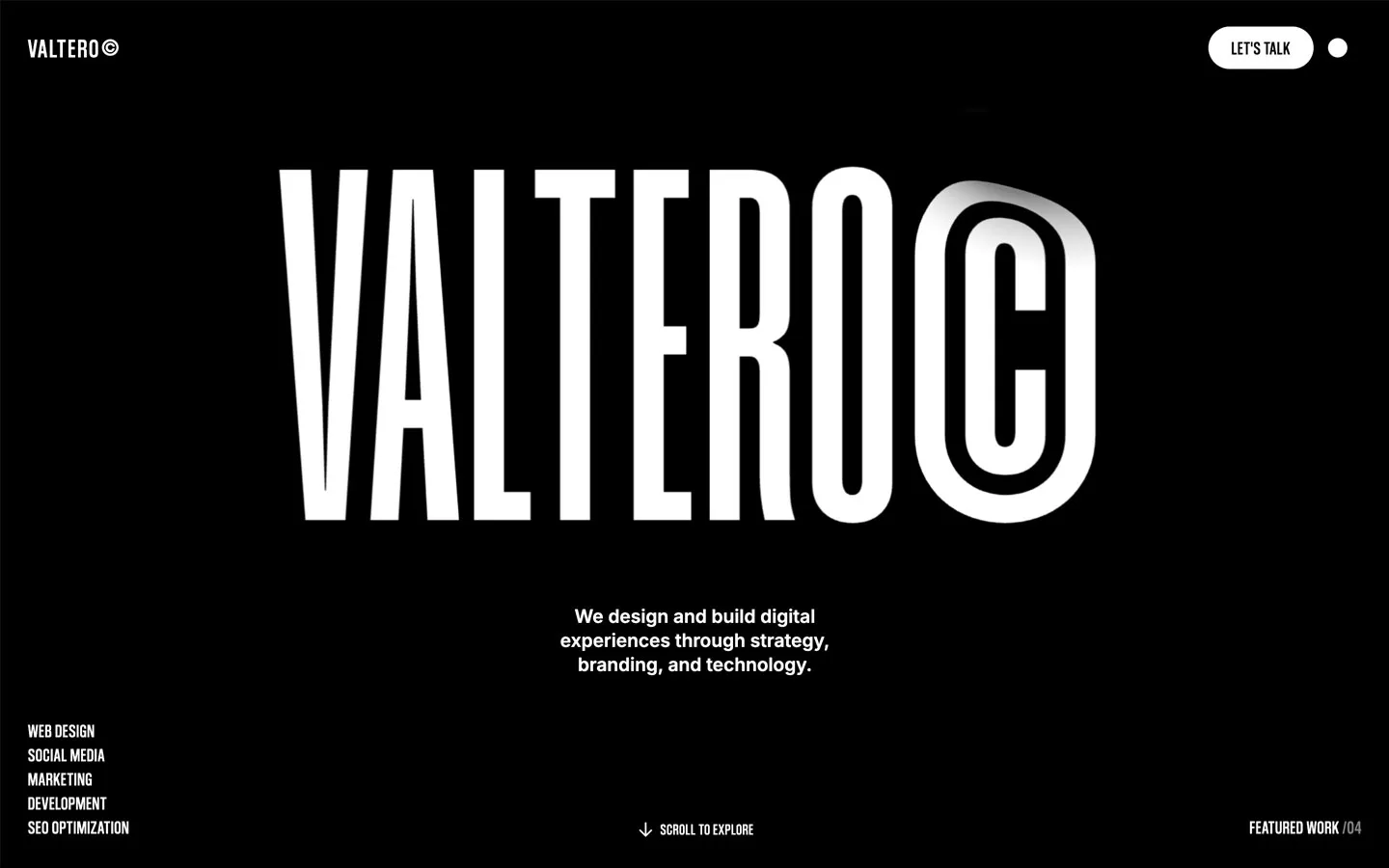
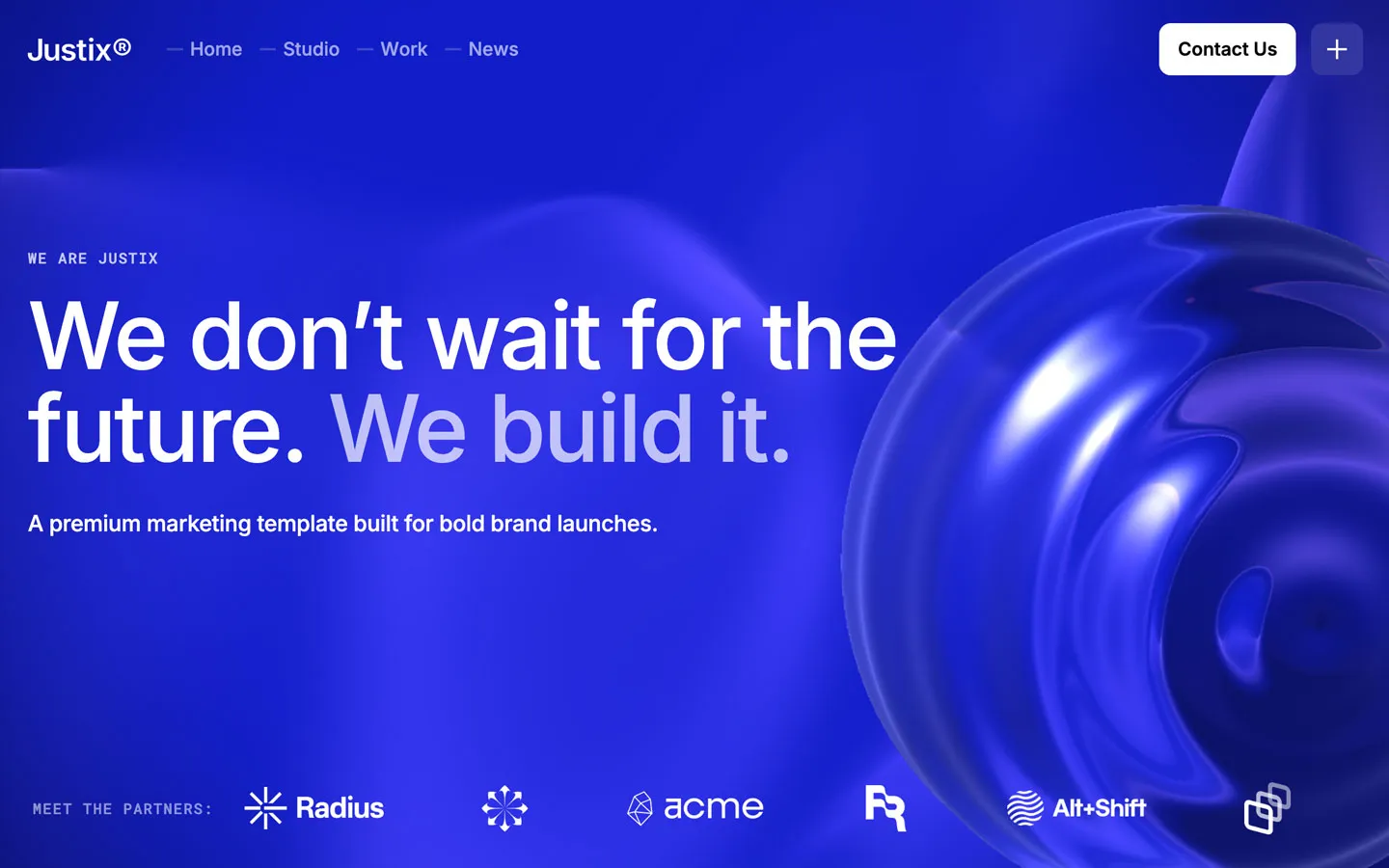


Don’t miss out on our superb, customizable templates designed to enhance your web design experience. We constantly add new templates and components.

Explore stunning Webflow, Framer, HTML5, Next.js and Figma templates designed to spark your next big idea.


*Rest assured that your data is safe with us, and you'll only hear from us 1 time per month.