What to Look for in a Startup Website Template in 2026
A startup template should support positioning, product proof, conversion, hiring, content, and fast iteration. Use this checklist before choosing a design.
A good startup website template should make positioning clearer and iteration faster. The design matters, but the more important questions are whether the structure can explain the product, prove credibility, convert interest, and change as the startup learns.
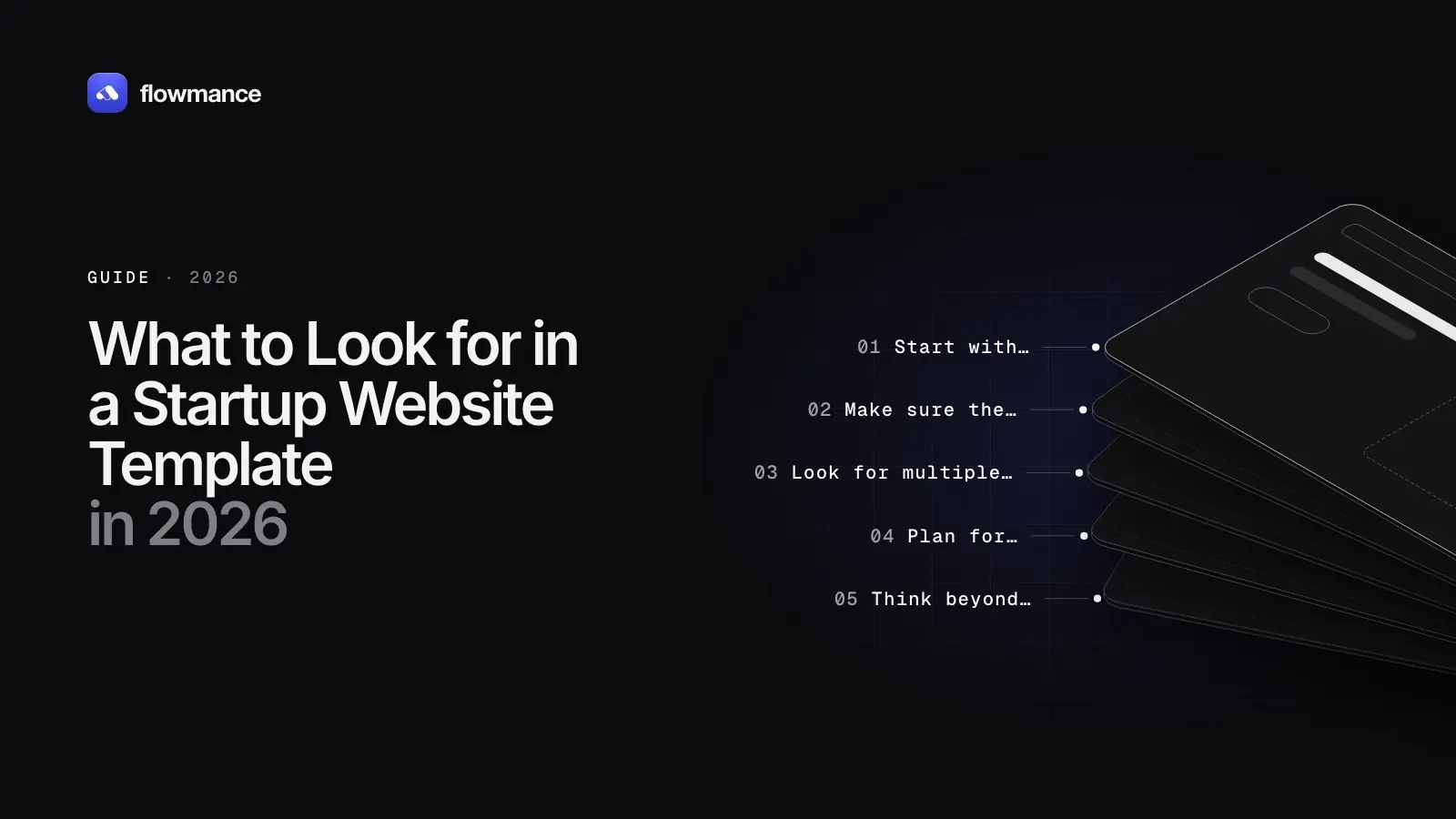
Start with positioning, not visual style
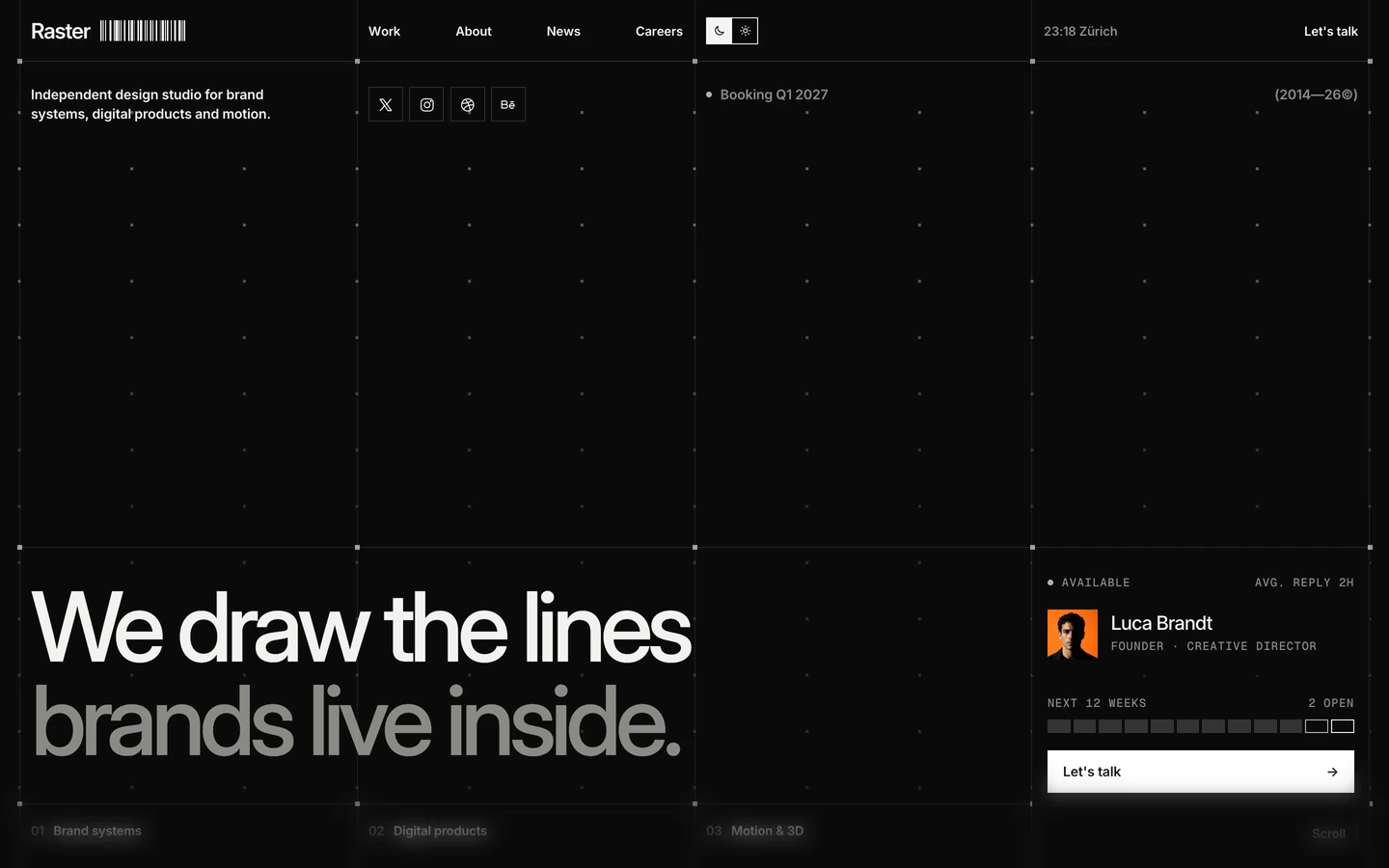
Before comparing templates, write the one sentence the homepage needs to communicate: who the product is for, what problem it solves, and why it is different.
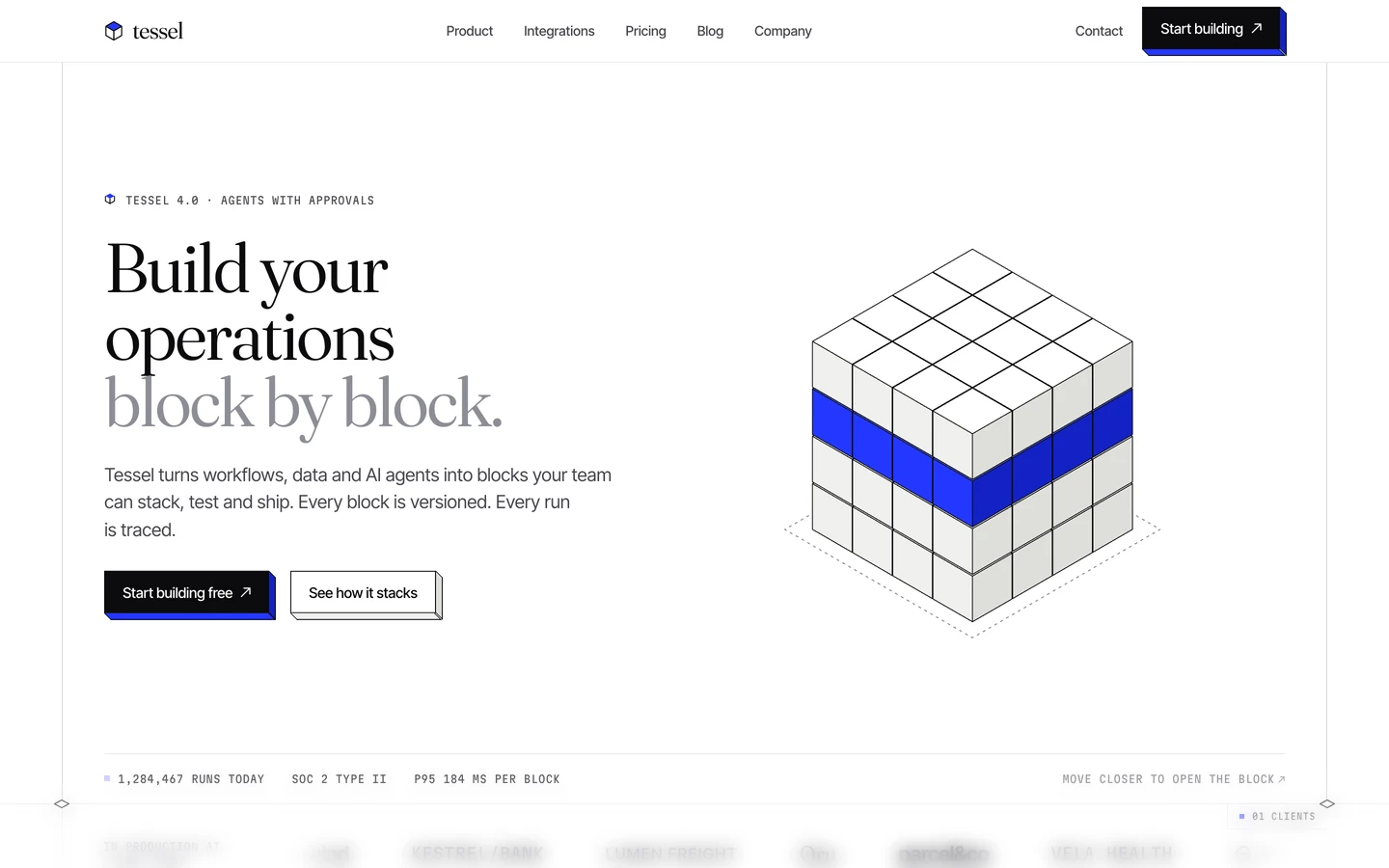
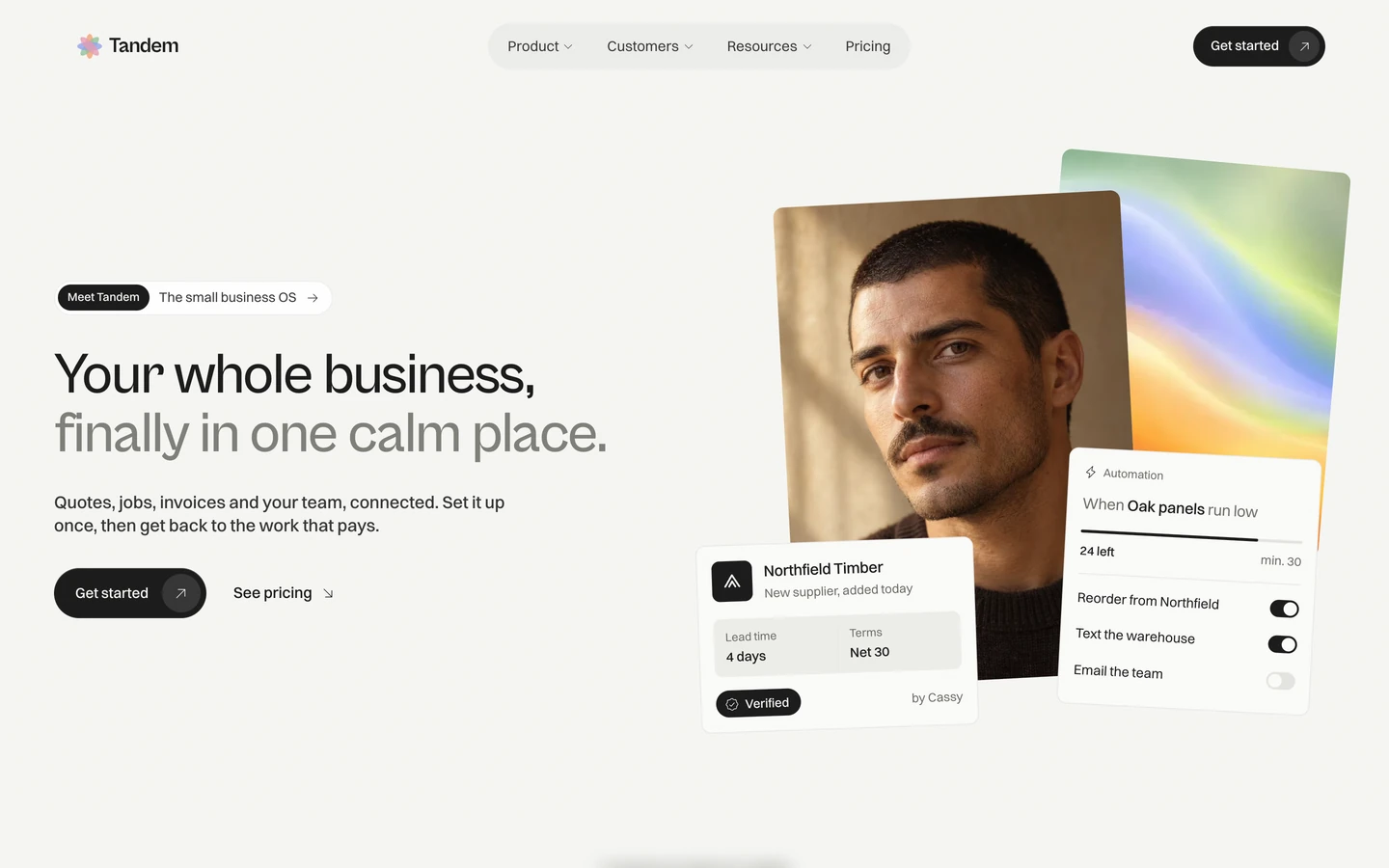
Make sure the template can show the product
Software and technology startups usually need room for screenshots, interface flows, diagrams, demos, integrations, or product video. Service startups may need case studies, process, outcomes, and team credibility instead.
Look for multiple conversion paths
Not every visitor is ready for the same action. A startup site may need a primary conversion such as “Start free” or “Book a demo,” plus lower-commitment paths such as reading a case study, joining a waitlist, or viewing pricing.
Plan for credibility early
Useful template structures include customer logos, testimonials, metrics you can substantiate, security or compliance information, investor or press mentions, and detailed case studies. Do not fill proof sections with invented numbers simply because the demo includes them.
Think beyond launch day
The first version may only need five pages, but the site can quickly grow to include use cases, integrations, resources, changelogs, jobs, documentation, and comparison pages.
A CMS and reusable component system can make that growth easier. Check how the template handles repeated content before choosing it.
Responsive behavior should survive real copy
Startups change messaging frequently. Test long headlines, pricing labels, navigation items, and feature names on tablet and mobile. The site should remain stable when copy changes.
Startup template checklist
- Hero supports real positioning copy
- Product or service can be demonstrated clearly
- Flexible social-proof and case-study sections
- Primary and secondary conversion paths
- Pricing or plan structure if required
- CMS for resources, updates, jobs, or case studies
- Reusable components for fast iteration
- Clean mobile navigation
- Room to add integrations and new use cases later
Choose a foundation that can change
A startup website is rarely finished. The strongest template is the one that lets the team replace positioning, add proof, publish new content, and restructure pages without starting over.
Browse current Webflow templates and Framer templates for startup-ready foundations.
Newsletter
New templates, straight to your inbox
One short email when a new template launches, plus the occasional tip. No spam.
Unsubscribe anytime with one click.