Build clearer Webflow landing pages with focused intent, strong message hierarchy, useful proof, low-friction forms, mobile QA, performance testing, and measurable experiments.

A high-performing landing page usually wins through clarity, not decoration. The visitor should understand the offer, who it is for, why it is credible, and what to do next without working through a full company website.
Decide whether the page exists to generate a demo request, trial signup, purchase, waitlist entry, download, or another measurable action. Secondary links should not compete with that goal unnecessarily.
Use a headline that describes the value rather than a generic slogan. Support it with enough context to clarify audience, product, or outcome.
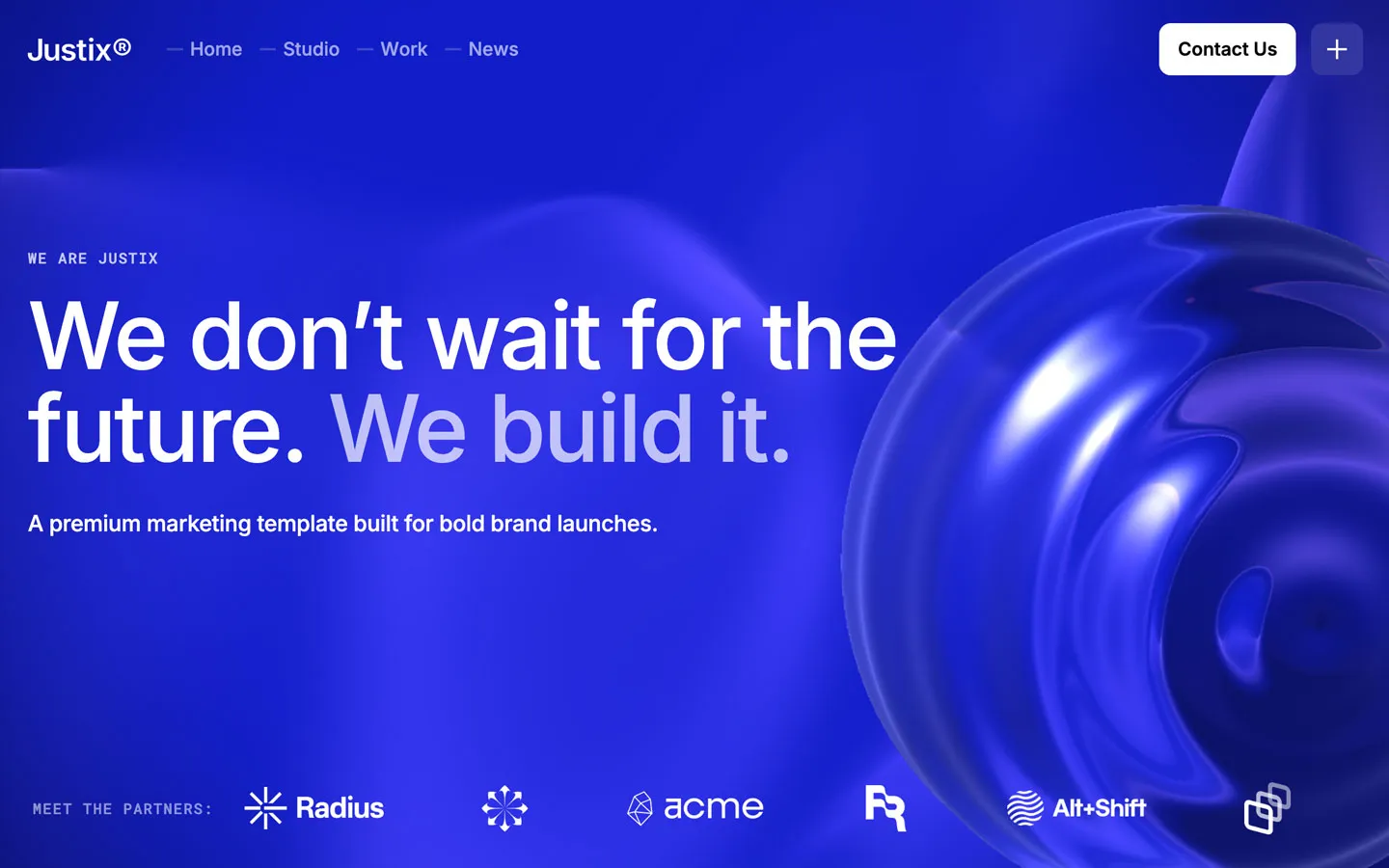
A strong visual can reinforce the message, but it should not be the only explanation of what the offer is.
Customer quotes, case-study outcomes, product screenshots, recognizable clients, certifications, or other evidence are more useful when they appear beside the statement they validate.
Do not invent metrics because a template has a number block. Remove the block until real evidence exists.
Ask only for information needed at that stage of the conversion. A newsletter signup and an enterprise qualification form should not have the same number of fields.
Test labels, validation, success states, and mobile input behavior end to end.
A visitor who is ready immediately needs a clear action near the top. A visitor who needs proof may be ready after the product explanation, case study, or pricing context. Repeat the same primary action at natural decision points rather than adding different CTAs everywhere.
Check long headlines, sticky elements, form fields, tap targets, image crops, and section order at narrow widths. A responsive desktop composition can still be a poor mobile conversion experience.
Landing pages often collect video, animation, analytics, ad pixels, consent tools, and experimentation scripts. Measure the production page after those tools are installed.
Measure the primary conversion and the steps that help diagnose it: form starts, successful submissions, CTA clicks, pricing views, or another relevant signal. Avoid optimizing solely for superficial engagement.
Test changes tied to a hypothesis, such as a clearer value proposition, different proof order, shorter form, or stronger CTA wording. A/B testing random button colors rarely teaches much about the actual offer.
Webflow gives the design team flexible control over the implementation. The conversion work still comes from message quality, proof, offer strength, and disciplined measurement.


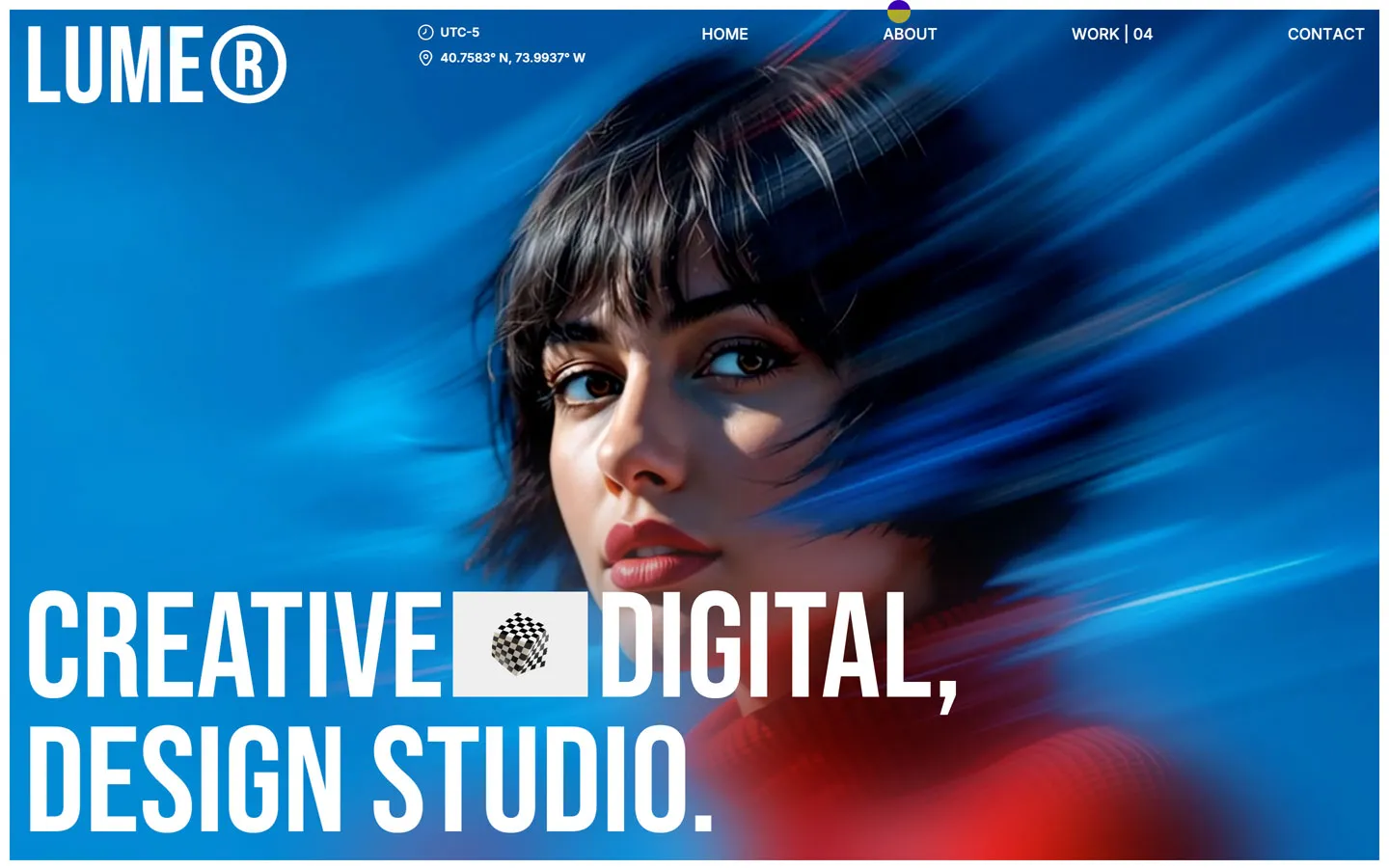
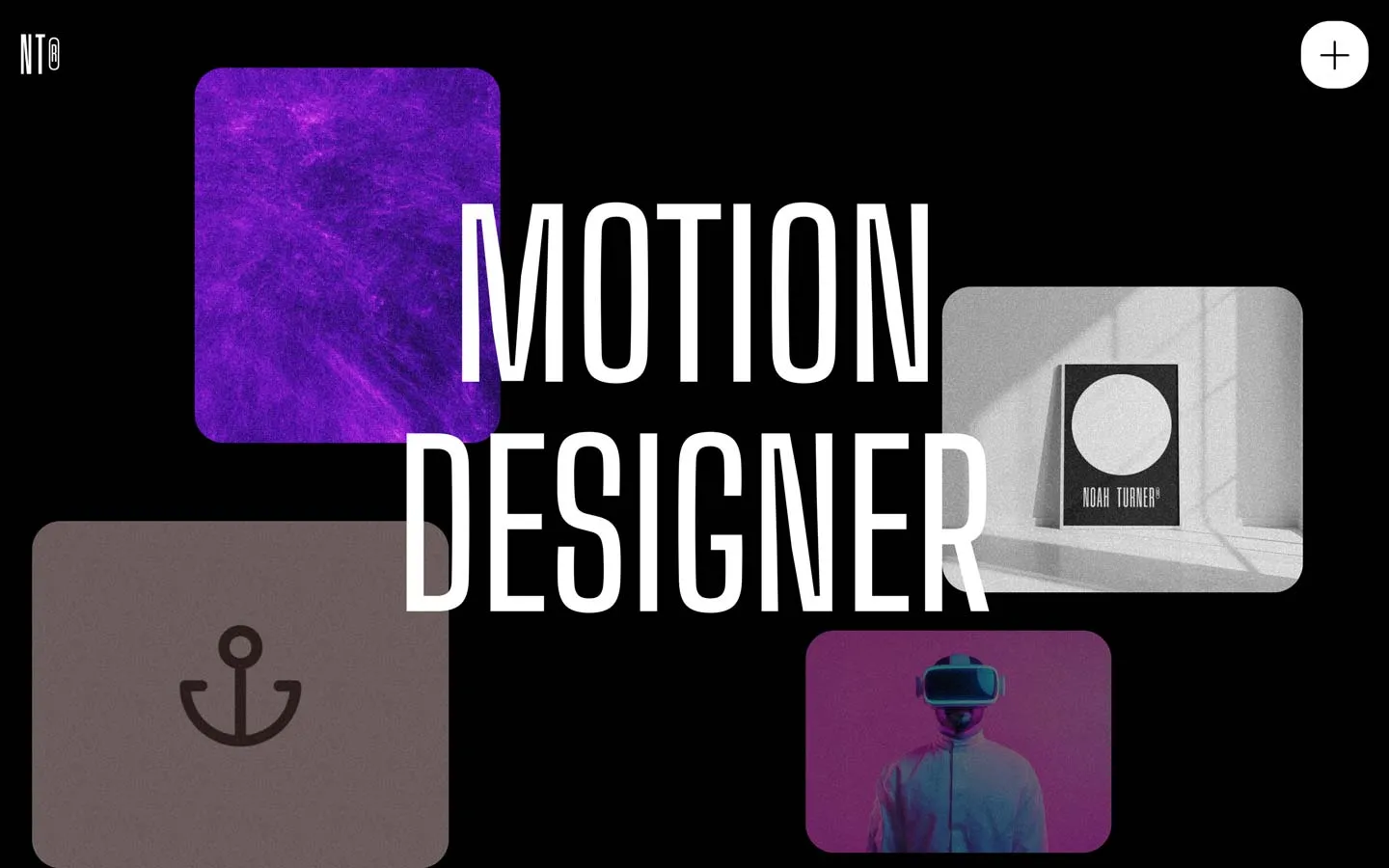
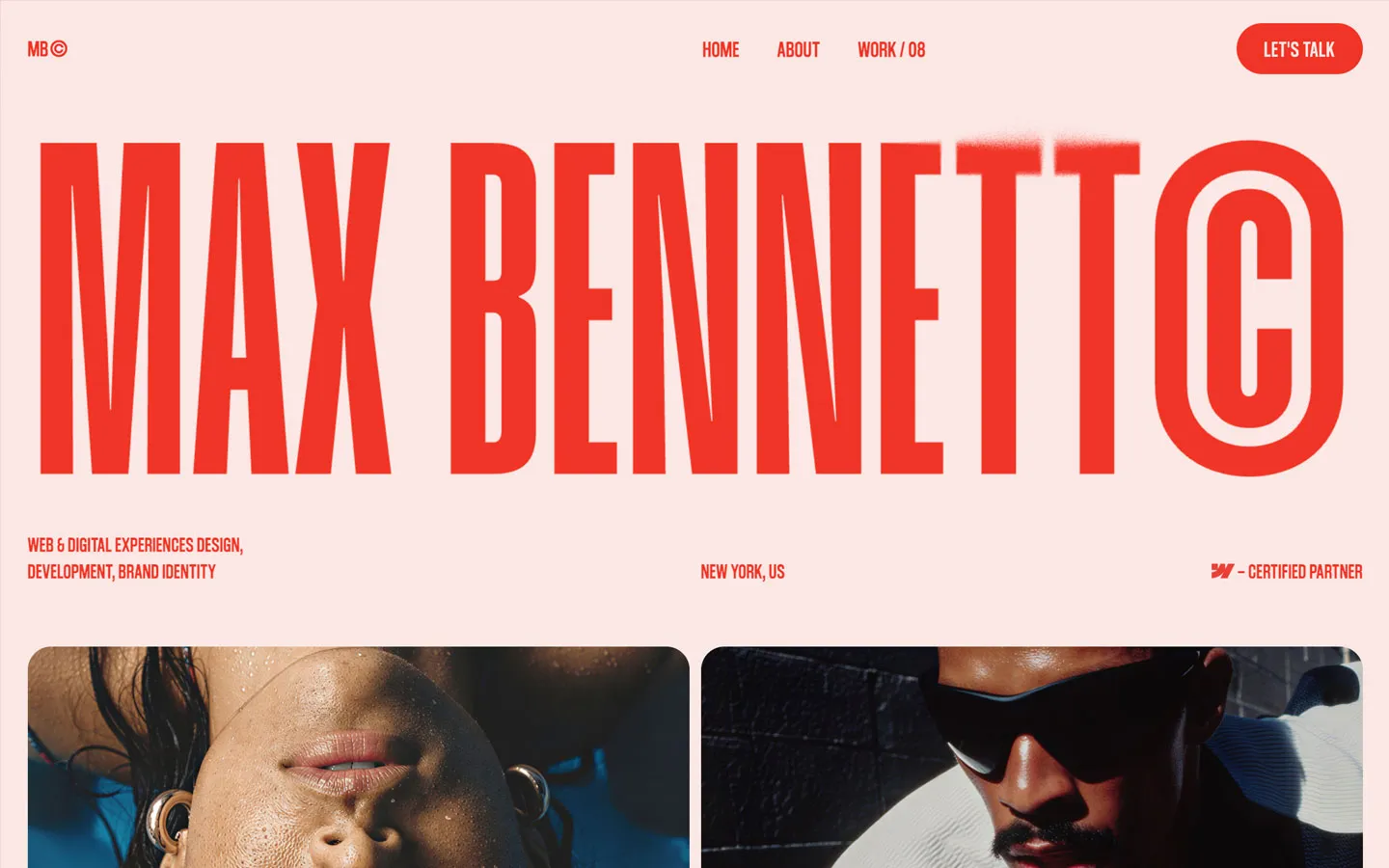


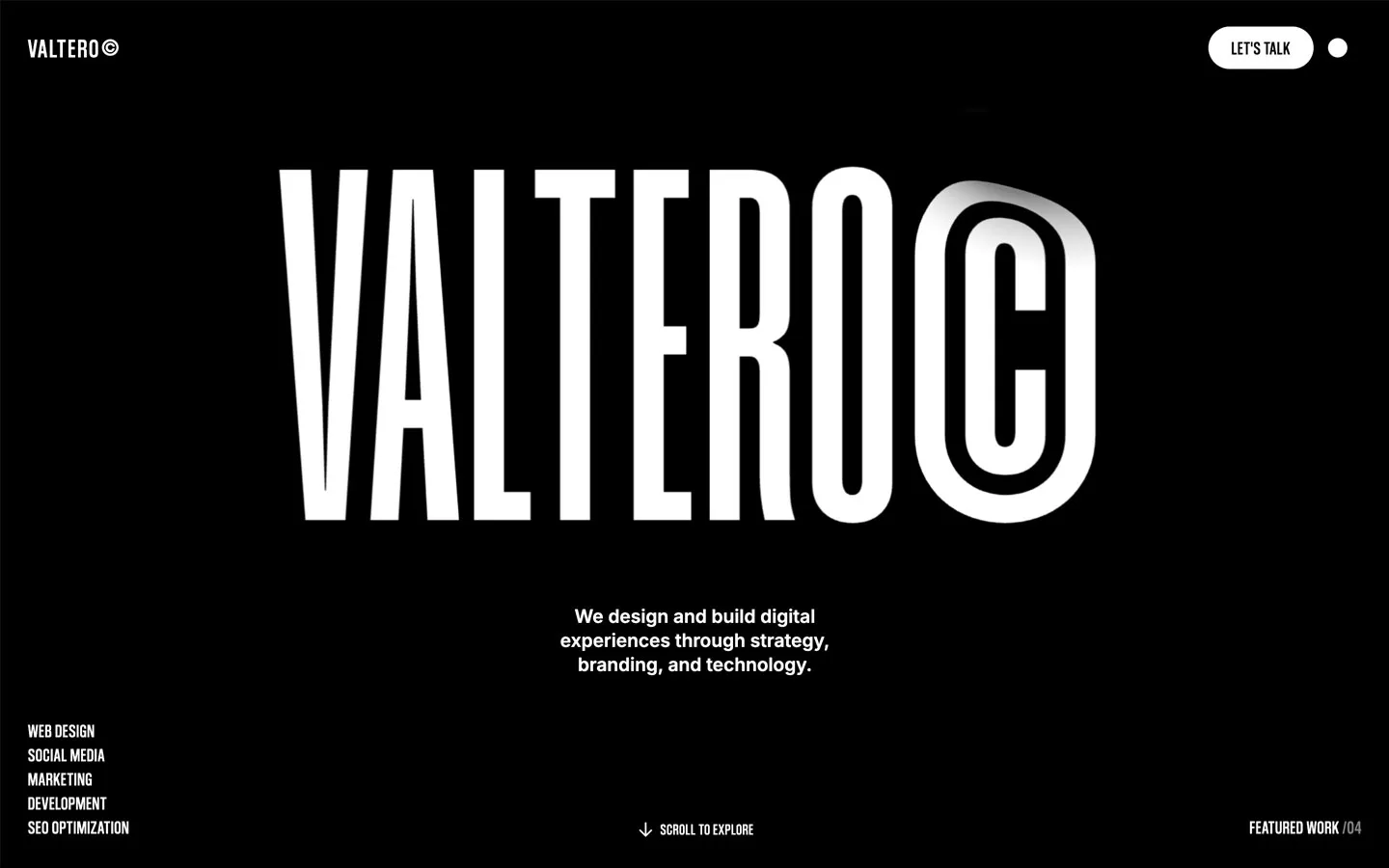


Don’t miss out on our superb, customizable templates designed to enhance your web design experience. We constantly add new templates and components.

Explore stunning Webflow, Framer, HTML5, Next.js and Figma templates designed to spark your next big idea.


*Rest assured that your data is safe with us, and you'll only hear from us 1 time per month.